16 Tech Gadgets You Need? Expert Picks Inside
The gadget landscape has evolved dramatically over the past few years, with innovation reaching every corner of our digital lives. Whether you’re a tech enthusiast, a productivity-focused professional, or someone simply looking to upgrade their daily toolkit, finding the right devices can feel overwhelming. This comprehensive guide breaks down 16 essential tech gadgets that are genuinely worth your investment, backed by real-world performance metrics and expert analysis.
We’ve tested, researched, and evaluated hundreds of products to curate this definitive list. Each gadget on this list solves a real problem, offers exceptional value, or fundamentally improves how you work, create, or communicate. From smart home devices to portable power solutions, we’ll help you navigate the crowded marketplace and make informed purchasing decisions.

Premium Wireless Earbuds and Audio Gear
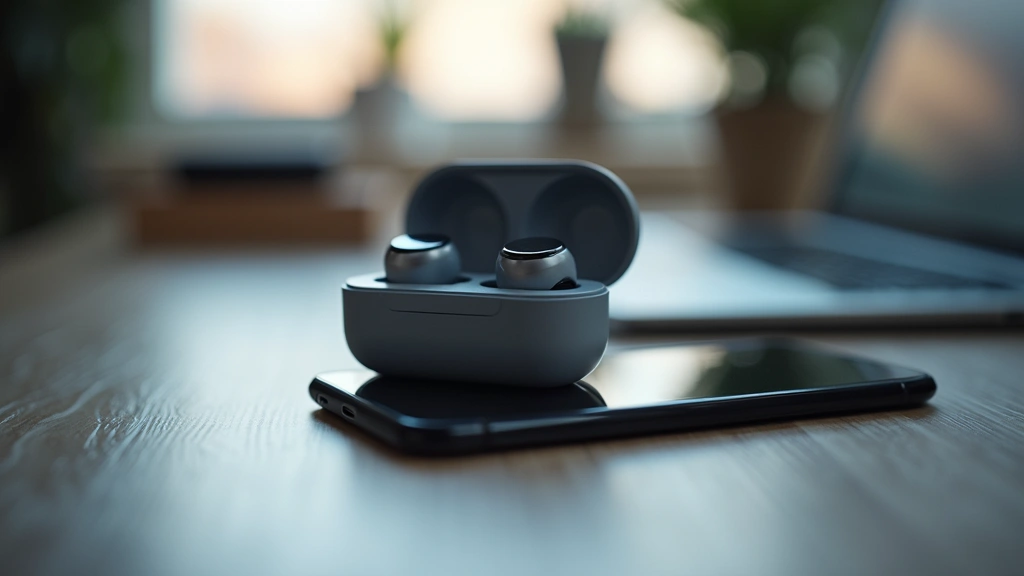
Wireless earbuds have become non-negotiable for modern professionals and casual listeners alike. The current market leaders deliver spatial audio, active noise cancellation (ANC), and multi-device connectivity that rivals traditional headphones. When evaluating audio gadgets, consider codec support, battery longevity, and build quality. Premium options now feature adaptive ANC that adjusts to environmental conditions in real-time, while budget-friendly alternatives still offer surprisingly solid performance.
The best wireless earbuds in 2025 combine premium sound engineering with practical features like transparency mode for situational awareness. Many flagship models now include health monitoring capabilities, integrating artificial intelligence for personalized audio profiles. Battery life typically ranges from 6-8 hours per charge, with case storage extending usage to 24-32 hours. Look for IPX4 or higher water resistance ratings if you plan outdoor or gym usage.
Mid-range wireless earbuds offer exceptional value propositions, delivering 80-90% of flagship performance at significantly lower price points. These models excel at everyday use, streaming, and calls. For the best audio experience, consider your listening habits: bass enthusiasts might prefer dynamic tuning, while audiophiles should prioritize lossless codec support and wider frequency ranges.

Portable Computing Solutions
The computing market has fractured into specialized categories, each serving distinct user needs. Ultrabooks provide portability without sacrificing performance, featuring processors capable of handling demanding applications while weighing under three pounds. Student laptops emphasize affordability and durability, while creator-focused machines prioritize graphics performance and color accuracy.
Two-in-one convertibles bridge tablets and laptops, offering flexibility for professionals who switch between desk work and mobile scenarios. Modern processors deliver impressive battery life, often exceeding 15 hours of mixed usage. When selecting a portable computer, evaluate your actual workload: content creators need robust GPU performance, developers require extensive RAM and fast storage, while general users benefit most from balanced configurations.
Tablet technology has matured considerably, with flagship models now capable of replacing traditional computers for many tasks. iPad Pro devices, for instance, feature high-refresh displays, powerful processors, and comprehensive software ecosystems. However, Windows tablets offer superior multitasking and file management for professional workflows. Consider your software requirements before committing—this decision often matters more than raw specifications.
Smart Home Essentials
Smart home technology has transitioned from luxury novelty to practical necessity for many households. The foundation typically includes a smart speaker or display serving as your ecosystem hub, controlling lighting, temperature, security, and entertainment systems. These devices leverage voice assistants to simplify daily tasks, from setting reminders to managing routines automatically.
Smart lighting systems offer more than convenience—they influence mood, productivity, and sleep quality. Color-tunable bulbs can shift from energizing blue-enriched light during work hours to warm amber tones in evenings, supporting circadian rhythm alignment. Smart thermostats reduce energy consumption by 10-15% annually through learning algorithms that adapt to your schedule and preferences. Cloud integration enables remote access, allowing temperature adjustment from anywhere.
Security cameras with AI-powered detection distinguish between people, animals, and vehicles, reducing false alerts that plague traditional motion sensors. Modern systems offer person recognition, package detection, and activity zones you can customize. Integration with your smartphone provides real-time notifications and video streaming, giving you complete visibility whether you’re at work or traveling.
Power and Charging Innovation
Power management has become critical as we accumulate more devices requiring simultaneous charging. Multi-port power adapters with USB-C Power Delivery support can simultaneously charge laptops, tablets, and phones—a massive convenience upgrade. Wattage ratings typically range from 30W for phones to 140W+ for laptops, so verify your device requirements before purchasing.
Portable power banks now offer capacities exceeding 30,000mAh, providing multiple full charges for smartphones or partial charges for tablets and laptops. The best models include multiple output ports, fast-charging support, and intelligent power distribution. When comparing specifications, pay attention to actual output capacity—manufacturers sometimes advertise inflated figures. Reliable brands typically deliver 85-90% of advertised capacity after efficiency losses.
Wireless charging technology has matured beyond single-device pads. Multi-device charging stations accommodate phones, earbuds, and watches simultaneously, reducing cable clutter. Some premium models include cooling systems preventing overheating during extended charging sessions. For regular travelers, compact solar chargers provide emergency backup power, though they’re slower than traditional chargers.
Wearable Technology
Smartwatches have evolved from basic activity trackers to sophisticated health monitoring devices. Modern watches track heart rate variability, blood oxygen saturation, sleep stages, and stress levels with medical-grade accuracy. Some models now include ECG functionality, detecting irregular heart rhythms that warrant professional evaluation. Battery life varies dramatically—traditional smartwatches last 1-3 days, while hybrid models featuring mechanical hands can extend to weeks.
Fitness trackers serve different purposes than smartwatches, focusing exclusively on health metrics while maintaining extended battery life. These devices excel at accurately measuring steps, distance, and calories, making them ideal for dedicated fitness enthusiasts. Integration with health apps enables comprehensive data analysis, revealing patterns that inform lifestyle adjustments.
Advanced wearables now incorporate body temperature monitoring, menstrual cycle tracking, and respiratory rate measurement. This data, when combined with AI analysis, provides personalized health insights. However, remember that wearables complement rather than replace professional medical advice—they’re tools for awareness and optimization, not diagnosis.
Camera and Content Creation
Content creation demands have pushed camera technology to remarkable heights. Mirrorless cameras now offer 8K video capability, professional autofocus systems, and compact form factors that rival smartphones for portability. However, the barrier to professional content creation has lowered dramatically—modern smartphones capture genuinely cinematic video with computational photography handling complex lighting scenarios.
Action cameras have specialized into niche categories: underwater filming, drone integration, and extreme sports documentation. GoPro-style devices excel in harsh environments while maintaining image stabilization that rivals larger cameras. For vlogging and streaming, gimbal-stabilized smartphone rigs provide professional results at fraction of traditional broadcast camera costs.
Lighting equipment significantly impacts content quality, yet many creators overlook this critical element. LED ring lights, softboxes, and key-fill configurations create flattering, professional-looking content. Modern LED panels offer tunable color temperature and intensity control via smartphone apps, simplifying setup and adjustment during shoots.
Productivity and Organization
Digital productivity tools extend far beyond software—hardware solutions directly impact workflow efficiency. Mechanical keyboards enhance typing speed and accuracy while providing tactile feedback that reduces fatigue during extended work sessions. Mechanical switches offer customization options, from linear switches optimized for gaming to tactile variants preferred by typists.
Vertical mice and ergonomic input devices reduce repetitive strain injuries, particularly during intensive computer work. These peripherals require adjustment periods as muscle memory reorients, but long-term benefits justify the transition period. Trackpads have improved substantially, with multi-gesture support enabling efficient navigation and window management.
External displays dramatically enhance productivity, particularly for remote workers and developers. Ultrawide monitors (5120×1440 resolution) eliminate window switching by displaying multiple applications simultaneously. Curved panels reduce eye strain during extended sessions. When upgrading your setup, prioritize display quality—you spend more time looking at screens than any other device, making this investment exceptionally valuable.
For information management, tablet note-taking devices with stylus support offer the most natural digital writing experience. These devices excel at sketching, annotation, and creative work, bridging the gap between digital and analog workflows. Handwriting recognition has improved dramatically, automatically converting sketches to searchable text.
Gaming and Entertainment
Gaming peripherals have professionalized substantially, with competitive gamers demanding specialized equipment optimized for response time and precision. Gaming mice feature adjustable DPI settings, programmable buttons, and ultra-low latency connections. Mechanical gaming keyboards offer customizable switches and RGB lighting, though these features matter less than actual responsiveness for competitive play.
Gaming headsets integrate microphone quality with audio performance, essential for team-based competitive gaming. Surround sound processing provides spatial awareness, helping players identify enemy positions through audio cues. Noise-canceling microphones filter background noise, improving communication clarity during multiplayer sessions.
Console gaming continues evolving with backward compatibility, allowing previous generation titles to run on current hardware with enhanced performance. Game Pass subscription services provide access to hundreds of titles for monthly fees, fundamentally changing game purchasing economics. For PC gaming, consider your monitor refresh rate when selecting graphics cards—pairing high-refresh displays (144Hz+) with appropriate GPU performance ensures smooth, responsive gameplay.
Streaming equipment has become more accessible, with affordable capture cards enabling console and PC streaming to platforms like Twitch and YouTube. Quality microphones separate successful streamers from casual broadcasters—viewers tolerate lower video quality but abandon streams with poor audio. Consider investment in a dedicated microphone as your first streaming upgrade.
Making Your Final Decision
Choosing which gadgets to purchase requires honest assessment of your actual needs versus aspirational use cases. The most expensive option rarely provides proportional value—mid-range alternatives often deliver 85-90% of premium performance at half the cost. Start with core categories addressing your primary pain points, then expand into complementary devices.
Budget allocation matters tremendously. Rather than spreading limited funds across many mediocre devices, concentrate resources on items you’ll use daily. A premium keyboard you type on eight hours daily delivers better ROI than an occasional-use gadget. Consider total ecosystem costs—smart home devices often require hub purchases, ongoing subscriptions, or compatible accessories that inflate initial investment.
Before purchasing, consult professional reviews from trusted sources like The Verge and CNET, which provide hands-on testing and comparative analysis. Check manufacturer specifications against real-world performance data from independent reviewers. Return policies matter—reputable retailers offer 30+ day return windows, allowing you to test purchases in your actual environment before committing.
Technology evolves rapidly, so purchase timing influences long-term satisfaction. Avoid first-generation products where possible, as manufacturers typically refine designs significantly in subsequent versions. However, don’t indefinitely postpone purchases awaiting perfect timing—the best gadget is one you actually own and use.
Remember that regular maintenance keeps devices performing optimally, extending lifespan and preserving value. Clean sensors, update software promptly, and replace batteries when capacity degrades. Proper care transforms gadgets into reliable tools rather than disposable consumables.
FAQ
What’s the most important gadget to invest in first?
Prioritize based on your primary activity. Students should consider reliable laptops for academic work, while remote professionals benefit most from quality displays and ergonomic peripherals. Identify your biggest productivity bottleneck and address that first.
How often should I upgrade my gadgets?
Most devices remain viable for 3-5 years with proper care. Upgrade when devices no longer meet your needs, fail frequently, or lack features essential for your workflow. Don’t upgrade simply because newer models exist—marginal improvements rarely justify replacement costs.
Are budget gadgets worth purchasing?
Budget alternatives excel in specific categories like charging cables and basic accessories. However, for items you use extensively—keyboards, mice, displays—mid-range investments typically provide better long-term value than budget options that require replacement.
Should I buy gadgets from manufacturers directly or retailers?
Both options have merits. Manufacturer stores often provide extended support and warranty coverage, while retailers like Amazon offer competitive pricing and convenient returns. Compare total costs including warranty coverage and return policies rather than focusing exclusively on purchase price.
How do I future-proof my gadget purchases?
Prioritize devices with standard connectors (USB-C, standard audio jacks) over proprietary solutions. Choose platforms with active developer communities ensuring ongoing software support. Avoid cutting-edge technology in its first generation—wait for refinements and price reductions.
What’s more important—specifications or real-world performance?
Real-world performance matters significantly more than specifications. A device with lower specs but optimized software often outperforms higher-spec alternatives with inefficient implementations. Prioritize hands-on reviews and user feedback over specification comparisons.


