OU vs Texas Tech 2016: Must-Have Tech Gadgets for the Ultimate Game Day Experience
The 2016 matchup between the University of Oklahoma Sooners and Texas Tech Red Raiders was more than just a football game—it was a cultural moment that brought together thousands of passionate fans. Whether you attended the game in person or watched from home, having the right tech gadgets made all the difference in capturing memories and staying connected throughout the day. This comprehensive guide explores the essential technology that enhanced the game day experience for fans, from smartphones to portable chargers, and how modern devices transformed the way we experience college football.
In 2016, college football fans faced unique challenges when attending major sporting events. Stadium connectivity was inconsistent, battery life became critical for capturing photos and videos, and staying updated with real-time stats required reliable mobile devices. The technological landscape of that era set the stage for how we now approach game day preparation, making it essential to understand which gadgets truly mattered and why strategic tech choices enhanced the overall experience at the Cotton Bowl and other venues hosting this rivalry.
Smartphones: The Game Day Command Center
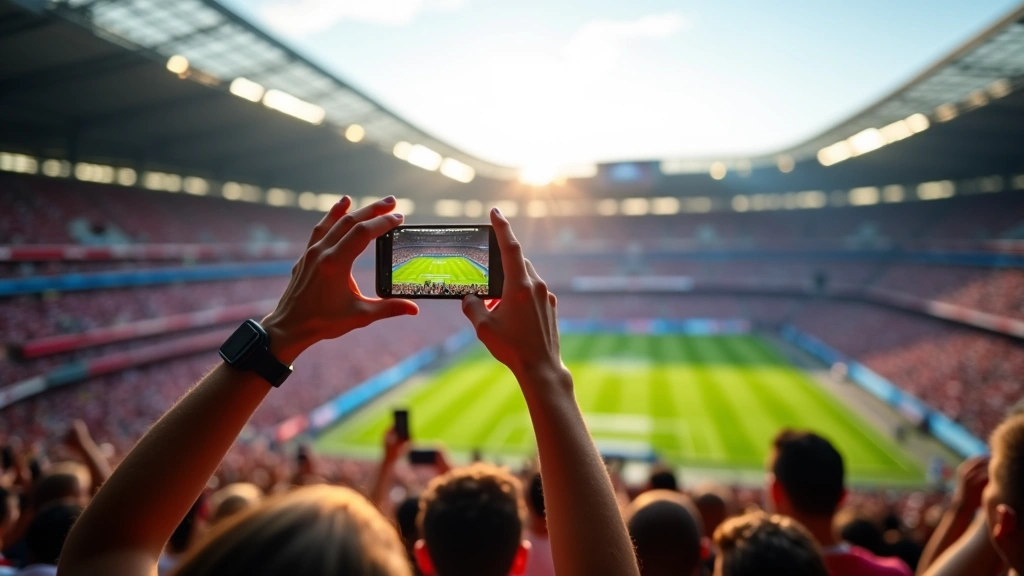
In 2016, the smartphone was undeniably the most critical gadget for any OU vs Texas Tech game attendee. The iPhone 7 and Samsung Galaxy S7 dominated the market, offering impressive camera capabilities, reliable processors, and solid battery management. These devices served as the central hub for everything from mobile tickets to real-time score updates and social media sharing. Fans could access their digital tickets through various apps, eliminating the need for printed passes and reducing the risk of lost documentation.
The processing power of flagship phones in 2016 allowed for seamless multitasking—users could simultaneously stream video highlights, check live statistics, communicate with friends via messaging apps, and capture high-quality photos without experiencing significant lag. The iPhone 7 Plus introduced dual-camera technology, which was revolutionary for stadium photography, enabling fans to capture both wide-angle crowd shots and zoomed perspectives of the field without sacrificing image quality. For Texas Tech and Oklahoma fans without premium smartphones, even mid-range devices like the Moto G4 provided adequate performance for essential game day functions.
Battery management became increasingly important as the day progressed. Most flagship phones offered 12-15 hours of mixed usage, but intensive photo capture, video recording, and constant connectivity drained batteries rapidly. Smartphone selection wasn’t merely about processing power—it was about understanding your usage patterns and choosing accordingly. Technology choices for demanding situations require careful consideration of real-world performance metrics.
Power Solutions: Portable Chargers and Batteries
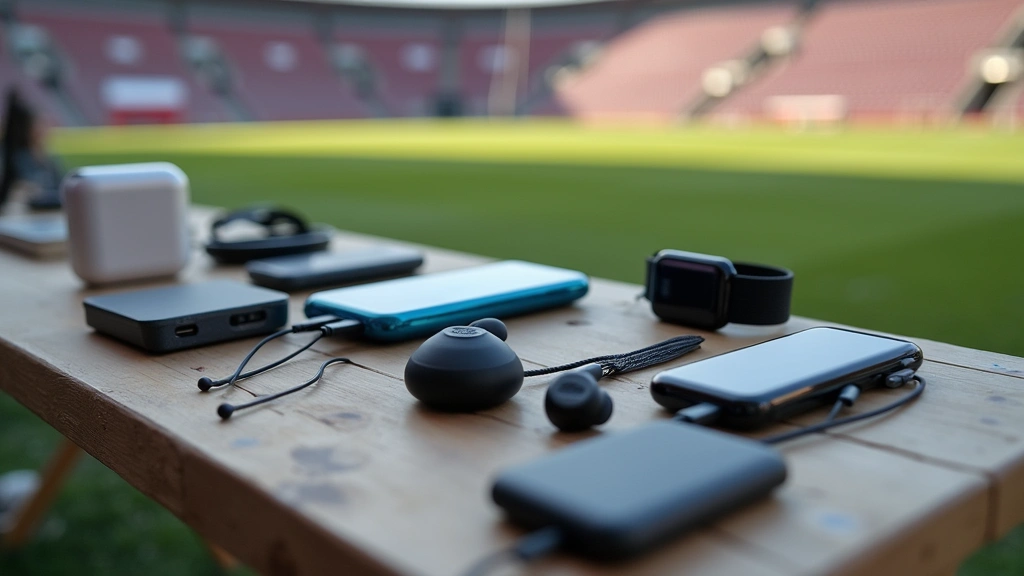
The most underestimated game day gadget was undoubtedly the portable power bank. Attending a football game typically meant 4-6 hours of continuous smartphone usage, and stadium charging stations were practically non-existent in 2016. Anker PowerCore units, particularly the 20100mAh model, became essential accessories for serious fans. These compact chargers could provide multiple full charges to modern smartphones, ensuring connectivity throughout the entire game day and into the evening celebrations afterward.
Premium options like the Mophie Powerstation offered sleeker designs and faster charging speeds through multiple USB ports, allowing fans to charge multiple devices simultaneously. For those attending with family or friend groups, having a high-capacity power bank transformed the experience from potentially frustrating (watching your phone battery plummet) to stress-free connectivity. The investment in a quality portable charger typically ranged from $25-60, representing one of the best returns on investment for any game day attendee.
Beyond traditional power banks, some tech-savvy fans invested in solar-powered charging solutions, though their effectiveness in stadium environments was limited by shade and angle constraints. The most practical approach involved combining a mid-capacity portable charger (10000-15000mAh) with disciplined battery management—reducing screen brightness, disabling location services when unnecessary, and closing background apps. Understanding how to optimize device performance extended battery life significantly.
Camera Technology for Capturing Memories
While modern smartphones possessed capable cameras, dedicated photography enthusiasts brought additional equipment to the 2016 OU vs Texas Tech game. The GoPro Hero 5 was particularly popular for capturing action-packed moments with its rugged design and excellent video stabilization. These compact cameras could be mounted on helmets or handheld, providing unique perspectives unavailable through standard smartphone photography.
For serious photographers, mirrorless cameras like the Sony A6000 or DSLR options such as the Canon EOS 5D Mark IV delivered superior image quality and lens versatility essential for telephoto shots of field action. These professional-grade devices required substantial investment ($800-2500+), but they produced publication-quality images. The challenge involved managing the additional weight and bulk while navigating crowded stadium environments.
Photography-focused fans also invested in portable tripods, remote shutters, and smartphone lens attachments. Wide-angle and telephoto lens adapters for smartphones provided intermediate solutions between basic smartphone cameras and full professional equipment. The key consideration was balancing equipment sophistication against practical usability in dynamic game day environments. Most casual attendees found that their smartphone cameras, combined with basic composition techniques and proper lighting awareness, captured memorable images perfectly adequate for social media sharing and personal archives.
Wearable Devices and Fitness Trackers
Wearable technology in 2016 was experiencing rapid growth, with devices like the Apple Watch Series 1, Fitbit Blaze, and Garmin Fenix becoming increasingly popular. While primarily designed for fitness tracking, these devices offered unexpected benefits during game day attendance. The Apple Watch provided convenient notification access without requiring constant smartphone retrieval, allowing fans to stay informed about score updates, messages, and calls while keeping their hands free.
Fitness trackers accurately measured the physical activity involved in game day attendance—stadium navigation, standing for extended periods, celebratory movements, and post-game celebrations. Many fans discovered they accumulated 15,000-25,000 steps during a full game day experience, rivaling dedicated workout sessions. The Fitbit Charge 2 offered particularly useful heart rate monitoring, which humorously correlated with on-field momentum swings and dramatic plays.
Beyond activity tracking, wearables provided practical time management benefits. Checking the time on a wristwatch eliminated the need to retrieve smartphones constantly, preserving battery life for essential functions. Wearables with weather applications also provided useful temperature and precipitation alerts, helping fans prepare for changing conditions throughout the day. The investment in quality wearables ($150-400) delivered benefits extending far beyond game day, making them practical long-term investments for active individuals.
Audio Equipment: Headphones and Speakers
Audio technology played a surprisingly important role in the complete game day experience. Premium wireless headphones like the Beats Solo 3 and Bose QuietComfort 35 enabled fans to enjoy pre-game entertainment, halftime performances, and post-game analysis with exceptional sound quality. These devices featured excellent noise isolation, crucial for maintaining audio clarity in loud stadium environments where ambient noise frequently exceeded 100 decibels.
For fans watching from home or tailgating before the game, portable Bluetooth speakers like the UE Boom 2 or JBL Charge 3 created shared audio experiences for groups. These weather-resistant speakers provided impressive sound quality despite their compact size, making them ideal for outdoor stadium parking lot gatherings. Battery life typically ranged from 12-24 hours, ensuring entertainment throughout extended game day celebrations.
In-ear monitor systems and sports-specific earbuds provided alternative audio solutions. Models designed for active use, such as the Jaybird X2, featured secure fitting mechanisms and moisture resistance, essential for high-energy game day environments where sweat and movement challenged less robust designs. Exploring comprehensive technology reviews helps identify audio equipment matching specific use cases and environmental demands.
Smart Watches and Connectivity Devices
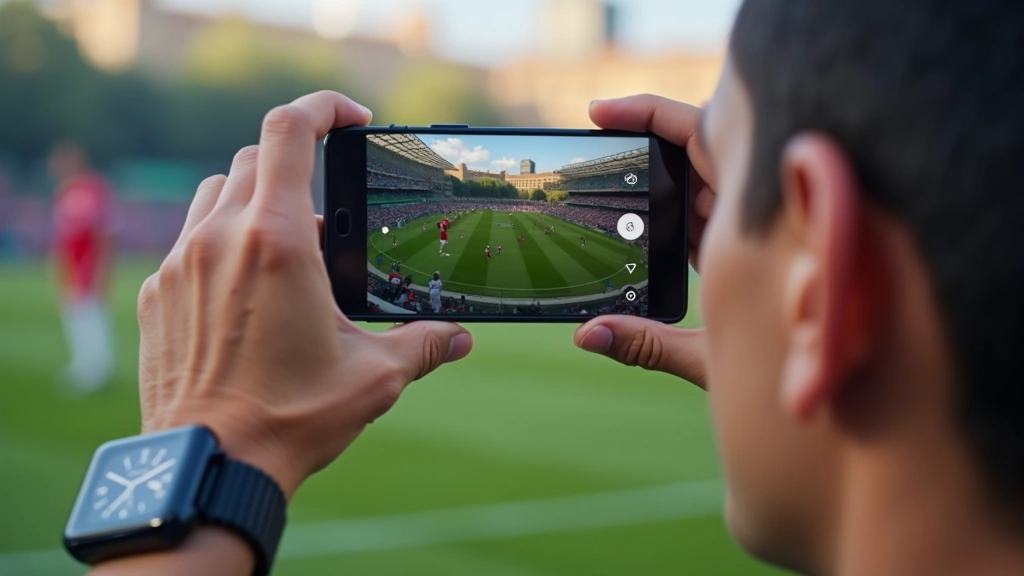
Beyond fitness tracking, smartwatches provided communication and information management advantages during the 2016 OU vs Texas Tech game. The Apple Watch enabled users to respond to messages and calls without accessing their phones, crucial for maintaining group coordination during crowded stadium conditions. Cellular-connected watches, though limited in 2016, represented emerging technology that would eventually transform how fans managed connectivity during events.
Smartwatch weather applications delivered real-time meteorological data, particularly important for outdoor stadium attendance. Temperature, wind speed, and precipitation forecasts helped fans adjust clothing and seating positions for maximum comfort. The Garmin Fenix 3 provided particularly robust outdoor functionality, including GPS navigation useful for stadium parking lot navigation and post-game route planning.
Payment-enabled smartwatches, emerging in 2016 through Apple Pay integration, offered contactless transaction capabilities at stadium concession stands. This functionality streamlined purchasing processes, eliminated wallet requirements, and provided additional security compared to carrying cash or credit cards throughout crowded venues. As technology continues advancing, wearable payment systems have become increasingly sophisticated and widely accepted.
Game Day Apps and Software Solutions
The software ecosystem supporting the 2016 college football season was remarkably sophisticated. Official team apps for both Oklahoma and Texas Tech provided real-time statistics, play-by-play commentary, and roster information. The ESPN app delivered comprehensive coverage with multiple viewing angles, expert analysis, and live score updates accessible from any smartphone or tablet. Secondary apps like The Athletic (recently launched in 2016) provided in-depth coverage and expert journalism complementing mainstream sports media.
Social media platforms, particularly Twitter, became essential for real-time game discussion and highlight sharing. Fans could follow official team accounts, journalists, and fellow supporters to maintain constant awareness of game developments and cultural reactions. Instagram enabled visual storytelling through photo and video sharing, creating persistent records of game day experiences. The hashtag #OUvsTechTech facilitated community connection among geographically dispersed fans.
Ticketing apps like Ticketmaster and team-specific applications managed digital game tickets, reducing paper waste and eliminating lost ticket anxiety. Mobile ticket verification through QR codes streamlined stadium entry processes, improving crowd flow and security. These software solutions represented the convergence of convenience and technological sophistication that characterized modern sporting events.
Comparison: 2016 vs Modern Game Day Tech
Comparing 2016 game day technology to contemporary options reveals significant advancements. 5G connectivity, non-existent in 2016, now enables seamless streaming and real-time communication. Modern flagship phones like the iPhone 15 Pro and Samsung Galaxy S24 offer computational photography features that surpass 2016 professional cameras in many scenarios. Battery technology has improved dramatically, with modern devices offering 24+ hour battery life compared to 12-15 hours in 2016.
Augmented reality applications, barely functional in 2016, now provide immersive game day experiences including virtual player statistics overlays and interactive stadium navigation. AI-powered apps analyze gameplay patterns and provide predictive insights unavailable through traditional sports analysis. Wireless charging, still emerging in 2016, is now standard across premium devices, making power management considerably easier.
Stadium infrastructure has evolved substantially since 2016. Modern venues feature robust Wi-Fi networks and dedicated charging stations, addressing connectivity and battery concerns that plagued 2016 attendees. However, the fundamental principle remains unchanged: strategic technology selection and preparation enhance game day experiences significantly. Understanding how modern infrastructure supports connectivity helps fans optimize their technology strategies.
The 2016 OU vs Texas Tech game represented a transitional moment in sports technology adoption. Fans who embraced available technology enjoyed superior experiences compared to those attempting to navigate the day with minimal gadget support. Battery management, reliable smartphones, and portable charging solutions emerged as the most critical technology investments, lessons that remain relevant today despite significant technological advancement.
FAQ
What smartphone was best for the 2016 OU vs Texas Tech game?
The iPhone 7 Plus and Samsung Galaxy S7 represented the optimal choices, offering excellent cameras, reliable performance, and solid battery life. However, any modern flagship or mid-range device from that era provided adequate functionality for essential game day activities.
How important was a portable charger for game day attendance?
Extremely important. Most fans experienced significant battery drain through 4-6 hours of continuous smartphone usage. A quality portable charger transformed the experience from stressful battery management to worry-free connectivity. This remains true today despite battery technology improvements.
Could professional cameras compete with smartphone cameras in 2016?
Yes, but with trade-offs. Professional cameras like DSLRs captured superior image quality and offered superior lens versatility, but required substantial investment and added bulk. Most casual fans found smartphone cameras perfectly adequate for personal use and social media sharing.
Did smartwatches provide meaningful game day benefits in 2016?
Smartwatches offered convenience benefits through notification access and time management without constant smartphone retrieval, preserving battery life. However, they weren’t essential for core game day functions—they enhanced rather than enabled the experience.
How did stadium connectivity affect technology requirements?
Poor stadium Wi-Fi and cellular congestion in 2016 made offline functionality important. Downloaded apps, cached data, and offline maps proved valuable when live connectivity failed. Modern stadiums feature significantly better infrastructure, but backup offline access remains prudent.
What role did social media apps play during the game?
Social media, particularly Twitter and Instagram, enabled real-time community connection and highlight sharing. These platforms transformed the game day experience from isolated spectatorship to participatory community engagement, a pattern that has only intensified with modern technology.
Were dedicated cameras necessary if you had a smartphone?
Not necessary, but valuable for serious photographers. Smartphones captured excellent photos for most purposes, while dedicated cameras provided superior image quality and lens options. The choice depended on photography priorities and willingness to carry additional equipment.
How has game day technology evolved since 2016?
Modern devices feature significantly improved battery life, faster processors, superior cameras, and enhanced connectivity through advanced technology implementation. Stadium infrastructure now includes robust Wi-Fi and charging stations. However, fundamental principles regarding battery management and strategic device selection remain unchanged.