Cadillac Lyriq 2024: Tech or Luxury? Expert Review
The 2024 Cadillac Lyriq represents a fascinating intersection of cutting-edge automotive technology and premium luxury craftsmanship. As Cadillac’s flagship electric vehicle, this three-row SUV challenges conventional wisdom about what modern luxury vehicles should prioritize. Is it a tech-forward innovation machine, or does it lean heavily into traditional luxury appeal? Our comprehensive review examines both dimensions to help discerning buyers understand what this $63,000+ vehicle truly delivers.
When you examine the Lyriq’s positioning in today’s competitive EV market, you’ll find a vehicle caught between two worlds. It competes against tech-centric offerings like the Tesla Model Y while simultaneously positioning itself as a premium alternative to traditional luxury SUVs. This dual nature makes the 2024 Lyriq particularly interesting for buyers who refuse to choose between innovation and comfort.

Advanced Technology Features
The 2024 Lyriq showcases several impressive technological implementations that position it as a serious contender in the technology and artificial intelligence transforming automotive landscape. At its core sits GM’s Ultium battery platform, which represents a significant engineering achievement. This modular architecture enables flexible power configurations and supports rapid charging capabilities that rival premium competitors.
The vehicle features Super Cruise, Cadillac’s hands-free driving technology, which operates on over 200,000 miles of mapped highways. While not fully autonomous, this system demonstrates serious investment in artificial intelligence applications for enhanced driver assistance. The system uses lidar, cameras, and radar sensors to maintain lane position and adapt to traffic conditions automatically.
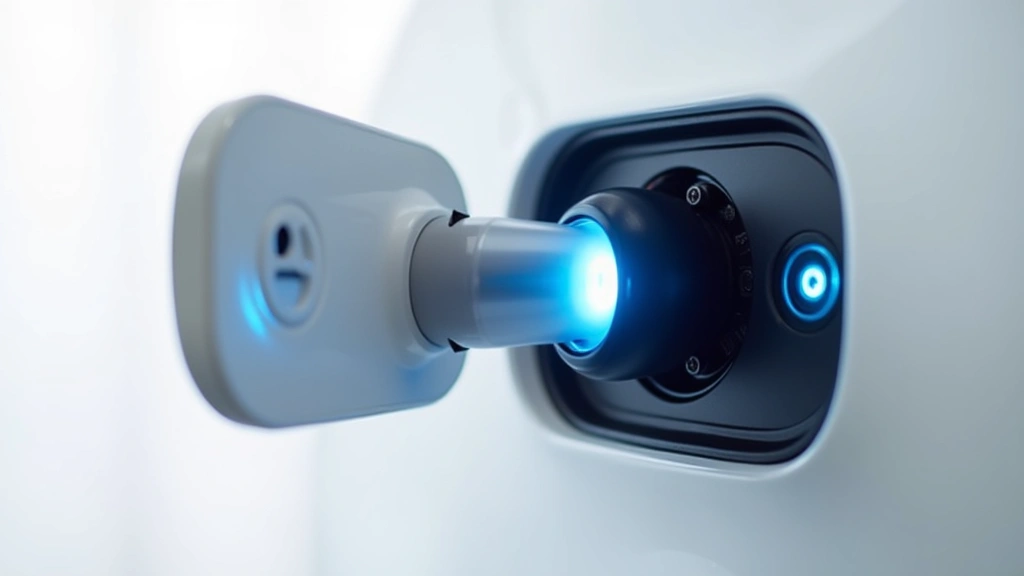
Battery technology deserves special attention. The Lyriq offers two battery options: a standard-range unit providing approximately 300 miles of EPA-estimated range, and an extended-range variant delivering up to 350 miles. DC fast charging capabilities enable 0-80% charging in roughly 30 minutes using optimal conditions. For comprehensive charging insights, consult EVgo charging networks or PlugShare charging infrastructure guides.
The power delivery system produces 340 horsepower and 325 pound-feet of torque in standard configurations. All-wheel-drive models boost these figures slightly. Real-world acceleration feels responsive without being aggressive, reflecting Cadillac’s luxury-oriented tuning philosophy. The electric drivetrain operates with remarkable quietness, contributing significantly to the premium driving experience.
Over-the-air software updates represent another technological highlight. GM’s continuous improvement approach means your Lyriq evolves over time, receiving new features and performance enhancements without dealership visits. This approach mirrors modern tech pulse hunter innovations in connected vehicles.
Luxury Design and Comfort
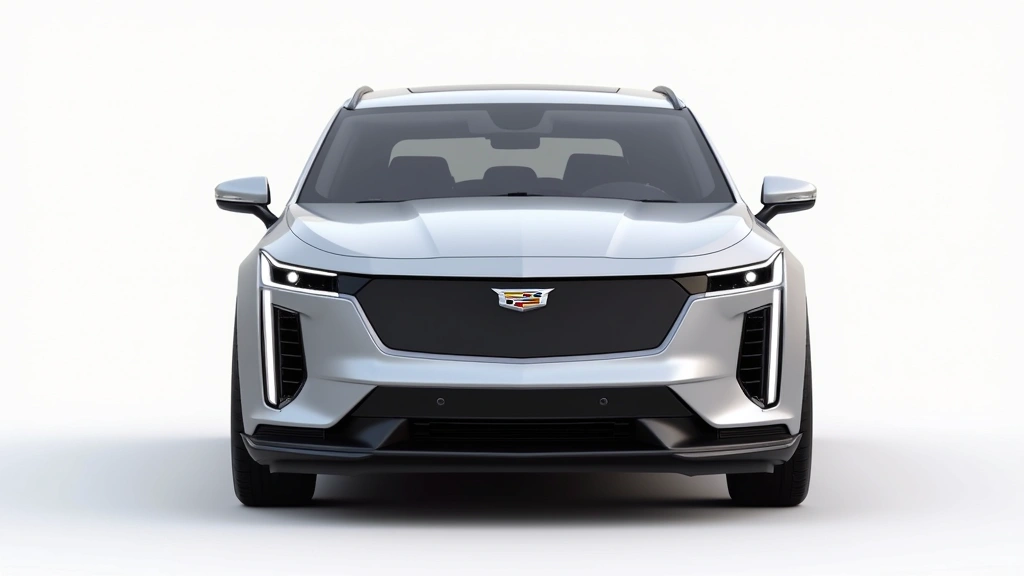
Cadillac’s design language shines throughout the Lyriq’s exterior and interior presentation. The vehicle features a distinctive front-end design with vertical LED lighting elements that create an unmistakable identity. The sloping roofline and muscular proportions convey premium positioning without appearing overly aggressive. Paint quality exceeds industry standards, with multiple premium color options including Stellar Black, Pearl White, and exclusive Cadillac-specific finishes.
Interior design represents perhaps the Lyriq’s strongest luxury credential. The cabin features premium material selection, with available semi-aniline leather seating surfaces, open-pore wood trim, and aluminum accents throughout. Unlike some tech-focused competitors, Cadillac prioritizes tactile quality and visual warmth. The dashboard wraps around occupants in a cocoon-like embrace, creating genuine intimacy despite the vehicle’s substantial dimensions.
Seating comfort deserves particular praise. The power-adjustable front seats feature lumbar support, heating, cooling, and massage functions across premium trim levels. The second-row captain’s chairs or bench configuration accommodates passengers with genuine legroom and recline functionality. Third-row seating, while functional for occasional use, follows industry norms for vehicles in this class.
Acoustic engineering enhances the luxury experience substantially. Sound insulation throughout the cabin minimizes road, wind, and motor noise. The result is a serene driving environment that justifies the premium positioning. Wind tunnel optimization and double-laminated glass contribute to this refinement.
Climate control extends to all three rows, with individual zone management allowing each passenger to set preferred temperatures. The heated steering wheel and available heated second-row seats address cold-weather comfort comprehensively. Air filtration systems exceed standard specifications, important for allergy-prone passengers.
Performance and Range
Real-world range testing reveals the Lyriq delivers impressively close to EPA estimates under normal driving conditions. Extended-range models consistently achieve 320+ miles on highway routes, while mixed driving yields approximately 290-310 miles. This performance places the Lyriq ahead of many competitors, particularly considering its three-row capacity and luxury appointments.
Acceleration feels brisk without being intimidating. The 0-60 mph time of approximately 5.4 seconds in standard form and 4.9 seconds for all-wheel-drive models demonstrates adequate performance for a luxury SUV. Importantly, this acceleration remains linear and smooth, avoiding the dramatic initial surge some performance-focused EVs exhibit.
Handling characteristics reflect Cadillac’s emphasis on comfort over sport dynamics. The suspension tune prioritizes ride quality, effectively absorbing road imperfections while maintaining composure through corners. The vehicle feels planted and stable rather than nimble, appropriate for its positioning.
Regenerative braking systems capture energy during deceleration, extending range and reducing brake wear. Drivers can adjust regeneration intensity through the infotainment system, allowing customization of the one-pedal driving experience. This flexibility appeals to drivers with varying preferences regarding brake feel and regeneration aggression.
Towing capacity reaches 2,000 pounds when properly equipped, enabling trailer usage for modest recreational needs. This capability distinguishes the Lyriq from many premium EV competitors and appeals to buyers requiring occasional hauling functionality.
Cold-weather performance receives particular attention in Cadillac’s engineering. Battery thermal management systems maintain optimal operating temperatures, minimizing the range degradation many EVs experience in frigid conditions. Winter testing reveals approximately 20-25% range reduction in sub-freezing temperatures, better than many competitors.
Infotainment System Analysis
The 2024 Lyriq features GM’s latest Cadillac User Experience (CUE) infotainment system, representing a significant evolution from previous generations. The available 33-inch curved display spans the dashboard, creating a tech-forward visual statement that contrasts with traditional luxury vehicle restraint. While dramatic, the implementation actually improves usability through logical organization and responsive touch inputs.
The system supports wireless Apple CarPlay and Android Auto integration, enabling seamless smartphone connectivity. Navigation utilizes Google Maps and Waze integration, providing superior routing compared to proprietary navigation systems. Voice control functionality responds to natural language commands, though occasional misinterpretation occurs with complex requests.
Cadillac’s connected services integrate subscription-based features including remote vehicle management through smartphone applications. Owners can monitor battery status, locate vehicles, and even start climate conditioning remotely before entering the vehicle. This connectivity appeals to tech-savvy buyers appreciating preventative vehicle management capabilities.
The sound system receives premium tuning from Bose, offering excellent audio quality across music, podcasts, and navigation voice prompts. Technology podcasts and industry discussions stream seamlessly through the system. Twelve speakers positioned throughout the cabin create immersive soundscapes without excessive bass emphasis.
Regarding usability, the infotainment system generally performs well, though menu structures occasionally require multiple taps to access specific functions. The learning curve for new owners typically spans several weeks. Physical controls remain available for frequently-used functions like climate adjustment, which preserves some traditional luxury vehicle characteristics.
Interior Quality and Materials
Premium material selection throughout the cabin reinforces luxury positioning effectively. The available leather seating surfaces feature hand-stitching in premium trims, demonstrating craftsmanship commitment. Open-pore wood trim options provide authentic visual warmth compared to synthetic alternatives many competitors employ.
Fit and finish quality impresses significantly. Panel gaps remain consistent, door closures feel solid, and material transitions appear seamless. Cadillac’s attention to detail extends to unexpected areas like the underside of interior door handles and seat back pockets. This comprehensive approach to quality justifies premium pricing relative to mass-market alternatives.
Storage solutions address practical needs effectively. The center console accommodates smartphones and personal items, while door pockets provide adequate space for documents and small accessories. Front passenger seat storage and under-seat drawers maximize utilization of available space. For tech accessories, the multiple USB-C charging ports throughout the cabin prove invaluable.
Visibility receives careful engineering attention. The windshield provides expansive forward visibility, while the side windows remain relatively large compared to contemporary designs. The panoramic sunroof option floods the cabin with natural light, enhancing the sense of spaciousness. Blind spots remain manageable for a vehicle of this size, assisted by camera-based detection systems.
Cargo capacity reaches 76.5 cubic feet with third-row seating folded, providing genuine practicality for weekend trips and larger purchases. The flat cargo floor facilitates easy loading, while tie-down points accommodate secure cargo securing. The powered liftgate includes programmable height settings, useful for garage ceiling clearance in confined spaces.
Value Proposition
Pricing positions the Lyriq competitively within the premium electric SUV segment. Base models start approximately $63,000, while fully-equipped Premium trims approach $80,000. This pricing strategy places the vehicle below some competitors while exceeding others, reflecting Cadillac’s mid-premium positioning.
Federal tax credits and state incentives substantially impact effective pricing. Eligible buyers can reduce costs by $7,500 through federal tax credits, with some states providing additional incentives. These considerations should factor prominently in purchase decisions for budget-conscious buyers.
Warranty coverage includes an eight-year, 100,000-mile battery warranty, providing significant peace of mind regarding the vehicle’s most expensive component. The general powertrain warranty extends to five years or 60,000 miles, with comprehensive coverage to three years or 36,000 miles. These protections compare favorably to competitor offerings.
Depreciation projections suggest reasonable value retention for premium EV buyers. Cadillac’s brand heritage and luxury positioning should support residual values better than mass-market alternatives. However, the rapidly evolving EV market introduces uncertainty regarding long-term value preservation.
Maintenance costs should remain lower than traditional luxury vehicles due to the electric drivetrain’s simplicity. No oil changes, transmission servicing, or spark plug replacements are required. Brake maintenance occurs less frequently due to regenerative braking systems. However, tire replacement costs may exceed conventional vehicles due to the Lyriq’s substantial curb weight.
Insurance costs typically fall between comparable gasoline luxury vehicles and mass-market EVs, with rates varying significantly by location and driver profile. Contacting local insurance providers for specific quotes remains essential before purchase commitment.
Charging infrastructure accessibility should influence purchase decisions significantly. Buyers without dedicated home charging should carefully evaluate public charging availability in their regions. Federal EV charging guides and CNET automotive reviews provide valuable infrastructure insights.
The real-world cost of ownership, when calculated comprehensively including electricity costs, maintenance savings, and available incentives, positions the Lyriq favorably compared to gasoline luxury alternatives. Buyers prioritizing connected technology benefits for enhanced vehicle management will appreciate the integrated services.
FAQ
What distinguishes the 2024 Cadillac Lyriq from Tesla Model Y?
The Lyriq emphasizes traditional luxury materials, comfort-focused suspension tuning, and premium interior design, while Tesla prioritizes performance and minimalist aesthetics. The Lyriq offers three-row seating, whereas Model Y offers only two rows. Pricing, range, and technology approaches differ substantially between these competitors.
Does the Lyriq support fast charging?
Yes, the Lyriq supports DC fast charging, achieving 0-80% battery capacity in approximately 30 minutes under optimal conditions. Level 2 charging at home requires 8-10 hours for full charging on standard-range models. Charging speed depends on equipment specifications and local electrical capacity.
How does Super Cruise compare to other driver assistance systems?
Super Cruise operates on pre-mapped highways with lidar-assisted precision, offering true hands-free operation on compatible road segments. Competitors like Tesla’s Autopilot and BMW’s Driving Assistant require continuous driver engagement. Super Cruise represents a middle ground between basic lane-keeping and full autonomy.
What warranty coverage protects the battery?
Cadillac provides an eight-year, 100,000-mile battery warranty covering defects and capacity degradation. This comprehensive protection ranks among the industry’s best, reflecting manufacturer confidence in battery longevity and performance.
Can the Lyriq accommodate towing needs?
The Lyriq supports 2,000-pound towing capacity when properly equipped, enabling small trailers and recreational equipment hauling. This capability addresses a genuine need for buyers requiring occasional towing functionality while maintaining electric efficiency benefits.
How does winter driving affect range?
Real-world testing reveals approximately 20-25% range reduction in sub-freezing conditions. Cadillac’s thermal management systems minimize this degradation compared to some competitors. Preconditioning the battery and cabin while connected to charging substantially improves winter efficiency.


