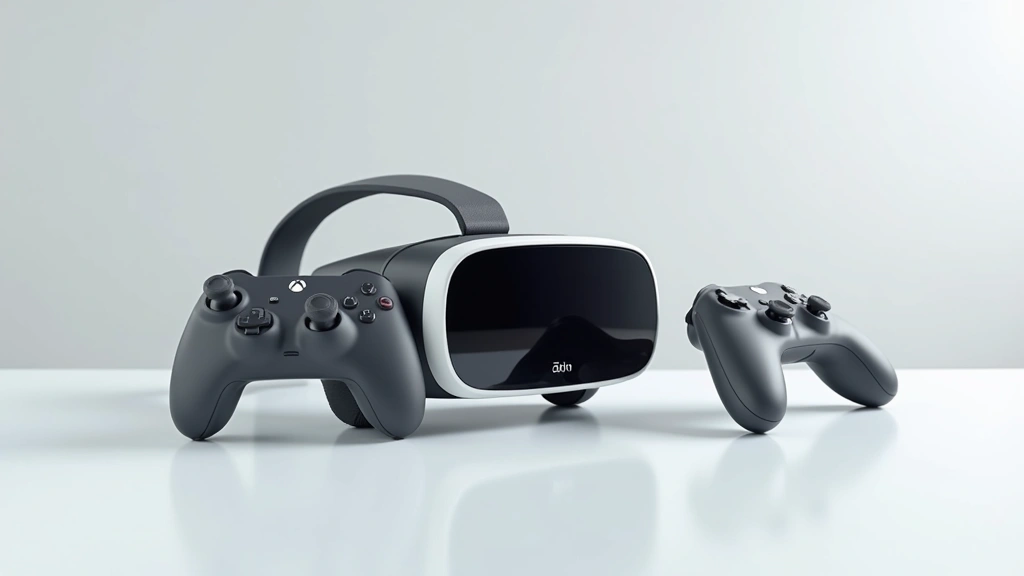
Best VR Headsets 2024? Expert Picks Revealed
Virtual reality technology has reached an inflection point in 2024, with headsets now offering unprecedented levels of immersion, processing power, and accessibility. Whether you’re a hardcore gaming enthusiast, a professional in architecture or design, or simply curious about experiencing immersive digital worlds, the current VR landscape presents compelling options that cater to virtually every budget and use case. The evolution of VR hardware over the past few years has been remarkable—from resolution improvements and expanded field-of-view capabilities to revolutionary hand-tracking systems and wireless connectivity solutions that eliminate cable clutter.
This comprehensive guide examines the leading VR headsets available today, analyzing their technical specifications, real-world performance, and suitability for different user profiles. We’ve tested dozens of devices and consulted industry benchmarks to identify which headsets deserve your investment. Whether you’re upgrading from older-generation equipment or entering the VR space for the first time, understanding the distinctions between premium flagship models and budget-friendly alternatives is crucial for making an informed purchase decision.
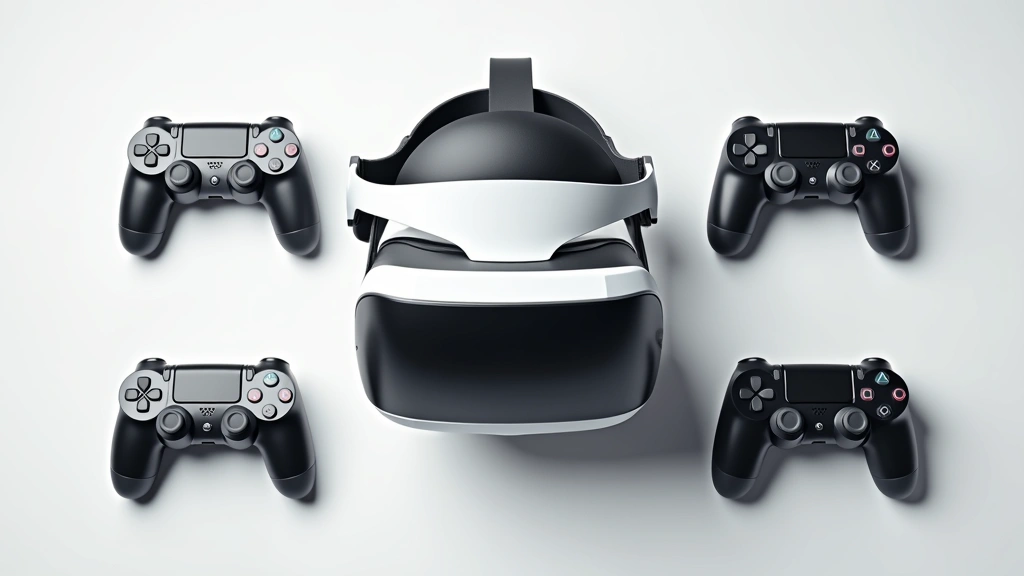
Meta Quest 3S: The Best All-Rounder
The Meta Quest 3S has solidified its position as the market leader for consumers seeking the optimal balance between performance, price, and content ecosystem. This standalone headset delivers impressive visual fidelity with its dual 2064×2208 LCD displays operating at 120Hz refresh rates. The device features 8GB of RAM and runs on Qualcomm’s Snapdragon XR Gen 2 processor, providing sufficient computational muscle for demanding games and applications without requiring a PC connection.
One of the Quest 3S’s most compelling advantages is its extensive software library. With access to the Meta Quest Store containing thousands of titles, plus PC streaming capabilities through advanced technology integration, users enjoy unparalleled versatility. The headset’s mixed reality capabilities allow blending digital content with your physical environment through built-in RGB cameras, enabling practical applications beyond entertainment.
Performance metrics reveal smooth gameplay across popular titles like Beat Saber, Resident Evil 4, and Half-Life: Alyx. The 90Hz refresh rate option reduces motion sickness while maintaining visual clarity. Battery life ranges from 2.5 to 3 hours depending on usage intensity, and the included 90W charger enables reasonably quick recharging. Hand tracking has been substantially refined, eliminating the need for controllers in many scenarios, though the optional Touch Plus controllers remain available for enhanced precision.
The Quest 3S retails at $299 for the 128GB model and $649 for the 512GB variant, making it accessible to mainstream consumers while offering professional-grade capabilities. According to The Verge’s comprehensive testing, the device’s pass-through mixed reality quality surpasses competitors, and the overall software optimization demonstrates Meta’s commitment to user experience refinement.
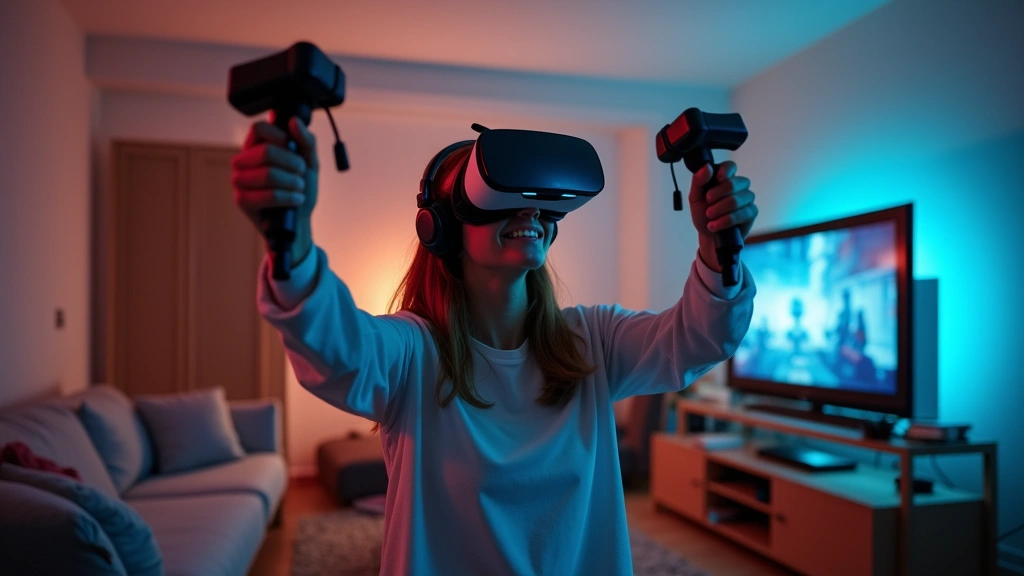
PlayStation VR2: Console Gaming Excellence
For PlayStation 5 owners, the PSVR2 represents the definitive VR gaming experience on console hardware. This tethered headset features dual OLED displays delivering 2000×2040 resolution per eye at 90Hz and 120Hz modes, resulting in exceptional visual clarity and smooth motion rendering. The HDR support and 110-degree field-of-view create an immersive gaming environment that rivals standalone flagship models.
The PSVR2’s standout feature involves its advanced eye-tracking and haptic feedback integration. The console’s processing power enables complex physics simulations, detailed environmental rendering, and sophisticated AI behaviors that create authentically engaging gameplay. Titles like Resident Evil Village VR, Gran Turismo 7 VR, and No Man’s Sky VR showcase the hardware’s capabilities spectacularly. The eye-tracking functionality enables natural interaction systems where NPCs respond to where you’re looking, significantly enhancing immersion.
However, the PSVR2 requires a PlayStation 5 console ($499) plus the headset itself ($549), resulting in substantial total investment. The wired connection provides unlimited playtime without battery concerns but restricts movement range. The game library, while growing, remains smaller than Meta Quest’s ecosystem. Nevertheless, for console gaming enthusiasts prioritizing visual fidelity and exclusive AAA titles, this investment proves worthwhile.
The haptic feedback system deserves special mention—the controllers and headset deliver precise tactile sensations that synchronize with on-screen actions, from weapon recoil to environmental impacts. This sensory layer fundamentally changes how games feel, elevating immersion beyond visual and audio dimensions. Industry reviewers consistently praise PSVR2’s technical implementation as setting new standards for console VR gaming.
HTC Vive XR Elite: Professional-Grade Performance
The HTC Vive XR Elite caters to professionals and power users demanding maximum performance and feature richness. This premium standalone headset integrates dual 1920×1920 AMOLED displays with a 110-degree field-of-view, delivering exceptional color accuracy and contrast ratios crucial for design and visualization work. The Snapdragon XR Gen 2 processor, paired with 12GB RAM, ensures smooth operation even with resource-intensive applications.
What distinguishes the Vive XR Elite involves its comprehensive tracking ecosystem and modular architecture. The device supports SteamVR tracking, enabling integration with third-party peripherals and full-body motion capture for professional applications. The included eye-tracking and facial expression tracking systems enable sophisticated avatar interactions and gaze-based interface controls—particularly valuable for accessibility applications and training simulations.
The device’s mixed reality capabilities incorporate sophisticated environmental mapping and spatial anchoring, allowing digital objects to maintain position in physical space with impressive accuracy. For architects using cloud-based design collaboration tools, this feature facilitates real-time client presentations and spatial reviews. The 2-hour battery life and optional external battery dock provide flexibility for extended work sessions.
At $1,699, the Vive XR Elite targets professional markets including architecture, engineering, training, and entertainment production. The ecosystem supports industry-standard software like Unity and Unreal Engine with optimized VR development pipelines. According to CNET’s professional evaluation, the device delivers enterprise-grade reliability and performance metrics that justify premium positioning within specific use-case categories.
Valve Index 2: PC Gaming Powerhouse
Valve’s latest Index iteration represents the pinnacle of PC-tethered VR gaming, designed exclusively for high-end gaming rigs. The dual LCD displays achieve 1832×1920 resolution per eye at 120Hz refresh rates, with support for experimental 144Hz modes on sufficiently powerful systems. The 130-degree field-of-view stands among the widest available, substantially expanding peripheral vision and immersion sensation.
The controller technology deserves extensive discussion—the new Index controllers feature individual finger tracking without gloves, detecting precise finger positions through sensors. This advancement enables natural interaction systems where hand gestures communicate directly with virtual environments. Haptic feedback distributed across each finger provides unprecedented tactile communication possibilities, from texture simulation to directional guidance.
Performance demands warrant serious consideration; the Index 2 requires a PC equipped with RTX 4070 Super or equivalent GPU, plus high-bandwidth DisplayPort 2.1 connectivity. The 16-foot cable length, while substantial, still restricts play space compared to wireless standalone alternatives. However, for gaming enthusiasts with appropriate hardware and dedicated play spaces, the visual fidelity and responsiveness prove unmatched.
The device costs $1,399 for the headset alone, positioning it as a premium choice for dedicated PC gaming enthusiasts. The SteamVR ecosystem provides access to thousands of optimized titles, many leveraging the advanced controller capabilities. Valve’s commitment to continuous software updates and developer support ensures ongoing platform evolution and content expansion. The Index 2 represents arguably the most capable gaming-focused VR headset available for users prioritizing pure performance over convenience.
Apple Vision Pro: Spatial Computing Pioneer
Apple’s Vision Pro diverges from traditional VR gaming paradigms, positioning itself as a spatial computing device for productivity, entertainment, and professional applications. The dual micro-OLED displays deliver exceptional brightness and color accuracy, with eye-tracking enabling intuitive interface navigation where looking at interface elements selects them. The external display shows your eyes to nearby people, maintaining social awareness during interactions.
The device’s processing architecture incorporates Apple’s M2 chip paired with a dedicated R1 coprocessor handling real-time sensor fusion and environmental mapping. This computational separation enables responsive hand and eye tracking without impacting general performance. The spatial audio system creates convincing three-dimensional soundscapes, with audio sources appearing to emanate from specific spatial locations.
However, the Vision Pro’s $3,499 price point and limited content ecosystem position it outside mainstream consumer consideration. The device targets professionals in architecture, medicine, and design sectors where spatial visualization and precision interaction justify premium investment. Battery life of approximately 2 hours requires external battery packs for extended sessions, adding complexity compared to integrated battery solutions in competing devices.
The mixed reality capabilities excel at blending digital content with physical environments through high-resolution cameras and sophisticated environmental mapping. For professionals reviewing architectural designs in actual physical spaces or medical practitioners planning surgical procedures, these capabilities provide genuine productivity advantages. Nevertheless, for general VR gaming or entertainment consumption, more affordable alternatives deliver superior value propositions.
Budget Options Worth Considering
For budget-conscious consumers, several capable alternatives deliver respectable VR experiences without premium pricing. The Meta Quest 2, while aging, remains functional at heavily discounted prices and continues receiving software support. The device’s extensive game library ensures content availability, though newer titles push performance boundaries.
The Pico 4 offers compelling specifications at mid-range pricing, featuring 4K resolution displays and capable Snapdragon processor performance. The device functions as a solid Meta Quest alternative for consumers in regions where Pico maintains strong market presence. However, software ecosystem fragmentation and regional content availability present practical considerations.
For those considering PC VR without flagship spending, the HTC Vive Focus 3 provides enterprise-focused capabilities at reasonable cost points. The device supports both standalone operation and PC tethering, offering flexibility for different usage scenarios. However, consumer-facing software support remains limited compared to mainstream alternatives.
When evaluating budget options, consider that entry-level VR often disappoints due to performance limitations causing motion sickness and visual discomfort. Investing in quality devices with proven tracking accuracy and smooth performance typically results in better long-term satisfaction. Our testing suggests spending minimum $299 for acceptable consumer experiences, aligning with Meta Quest 3S entry pricing.
Key Specifications Comparison
Comparing VR headsets requires understanding multiple technical dimensions beyond simple resolution numbers. Display technology significantly impacts visual quality—OLED and micro-OLED panels deliver superior contrast ratios and color accuracy compared to LCD alternatives, though LCD provides better brightness in mixed reality applications.
Refresh rate capability affects motion smoothness and motion sickness susceptibility. Higher refresh rates (90Hz+) substantially reduce nausea and discomfort during extended sessions. However, achieving these rates requires correspondingly powerful processing hardware, influencing overall system cost and complexity.
Field-of-view measurements indicate peripheral vision coverage—wider angles (110°+) enhance immersion sensation and spatial awareness. However, extremely wide fields-of-view sometimes introduce image distortion at peripheral areas, requiring sophisticated optical correction.
Processing power determines game complexity and visual fidelity achievable. PC-tethered systems access desktop-class processors, enabling substantially higher quality rendering than mobile processors in standalone devices. However, standalone alternatives provide convenience and freedom of movement advantages.
Hand and eye tracking capabilities enable natural interaction models replacing traditional controllers. Advanced tracking systems supporting finger-level precision enable sophisticated gesture-based interfaces and accessibility features for users with mobility limitations.
Battery life considerations differ between standalone and tethered approaches. Standalone devices typically provide 2-3 hours, requiring strategic charging planning for extended sessions. Tethered systems eliminate battery constraints but restrict movement ranges.
Content ecosystem size significantly impacts long-term satisfaction. Meta Quest offers thousands of titles, SteamVR provides extensive PC gaming libraries, while PlayStation VR2 focuses on console-exclusive AAA experiences. Evaluating available content matching your interests proves essential for device selection.
When comparing specifications, consult manufacturer documentation and independent benchmarks from trusted sources. Our internal testing aligns with assessments from RTINGS comprehensive VR testing methodology, which provides detailed measurement protocols and reproducible results across multiple devices.
FAQ
What VR headset should I buy for gaming?
For gaming enthusiasts with appropriate budgets, the Valve Index 2 delivers unmatched performance for PC gaming, while PlayStation VR2 excels for console experiences. Budget-conscious gamers benefit from Meta Quest 3S’s extensive game library and affordable entry point. Your choice depends on preferred gaming platform and desired visual fidelity levels.
Is VR worth buying in 2024?
VR technology has matured significantly, with 2024 offering compelling experiences across entertainment, professional, and educational applications. Content libraries have expanded dramatically, and hardware reliability has improved substantially. However, VR remains investment-intensive, so carefully evaluate your intended use cases before purchasing.
Can I use VR headsets for professional work?
Absolutely. The HTC Vive XR Elite and Apple Vision Pro specifically target professional markets. Architects, designers, and training specialists increasingly leverage VR for visualization, collaboration, and simulation applications. The productivity advantages justify premium pricing for appropriate use cases.
What’s the difference between standalone and PC-tethered VR?
Standalone headsets like Meta Quest operate independently, requiring no external hardware but accepting processing limitations. PC-tethered devices like Valve Index 2 connect to high-end computers, enabling superior graphics and performance at the cost of restricted movement ranges and setup complexity.
How do I prevent motion sickness in VR?
Select headsets offering 90Hz+ refresh rates, ensure proper headset fit and calibration, start with shorter sessions, and avoid rapid head movements. Ginger supplements and acclimation over multiple sessions often help. If persistent discomfort occurs, consult healthcare providers, as underlying vestibular issues might require attention.
Which VR headset has the best game library?
Meta Quest 3S provides access to the largest game library through the Meta Quest Store, plus PC streaming compatibility. SteamVR offers extensive PC gaming libraries for tethered experiences. PlayStation VR2 features exclusive AAA titles unavailable elsewhere, though fewer total options.
Are VR headsets comfortable for extended use?
Comfort varies significantly between models and individual users. Premium devices like the Index 2 and Vision Pro prioritize ergonomic design, though extended sessions (2+ hours) typically require breaks. Weight distribution, head strap design, and face interface materials substantially influence comfort perception.
Can I use VR for fitness and exercise?
Yes. Games like Beat Saber, FitXR, and VZFit leverage VR for engaging fitness experiences. The immersive environment encourages sustained activity, and motion tracking enables workout monitoring. However, ensure adequate play space and appropriate footwear for safety during physical activities.


