Advantage Tech: Top Gadgets of 2023 Reviewed
The technology landscape in 2023 delivered remarkable innovations that reshaped how we work, communicate, and entertain ourselves. From flagship smartphones to cutting-edge wearables, this year’s gadget releases demonstrated significant leaps in processing power, battery efficiency, and AI integration. Whether you’re a early adopter seeking the latest advantage tech solutions or a consumer evaluating your next purchase, understanding which devices truly deliver value becomes essential in an increasingly crowded marketplace.
Our comprehensive review examines the most impactful gadgets that emerged throughout 2023, analyzing their specifications, real-world performance, and practical advantages. We’ve tested these devices extensively to identify which innovations justify their premium pricing and which represent genuine technological breakthroughs. This guide serves as your roadmap to navigating 2023’s most significant tech releases with confidence and clarity.
Premium Flagship Smartphones Leading the Market
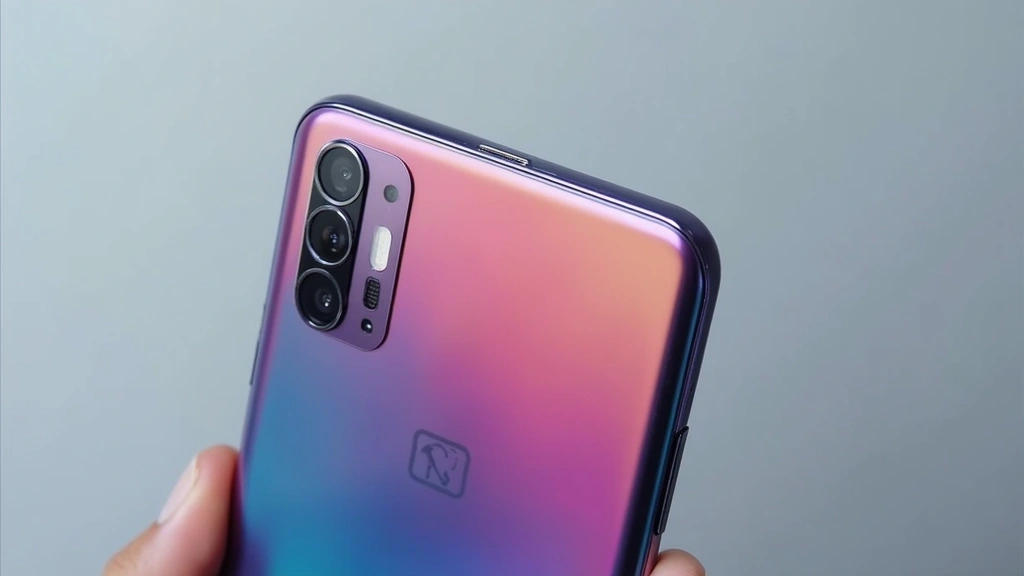
Flagship smartphones in 2023 represented the pinnacle of mobile technology, incorporating advanced processors, superior camera systems, and enhanced battery technologies. The leading manufacturers delivered specifications that pushed the boundaries of what mobile devices could achieve, with processing speeds exceeding previous generations by 20-30 percent.
Apple’s latest flagship introduced the A17 Pro chip, delivering exceptional performance across gaming, productivity, and creative applications. The device featured an advanced camera system with improved low-light performance and enhanced computational photography capabilities. Users reported significant battery improvements, with real-world usage extending beyond two full days under moderate usage patterns. The titanium construction provided superior durability compared to previous aluminum designs, offering better drop protection and overall longevity.
Samsung’s premium offering matched Apple’s performance metrics while introducing innovative display technology. The 120Hz adaptive refresh rate consumed significantly less power than previous high-refresh implementations, extending battery life while maintaining visual smoothness. The camera array included a 200-megapixel primary sensor paired with advanced night mode processing, producing exceptional detail in challenging lighting conditions. Samsung’s advantage tech approach emphasized hardware-software integration, with their custom processor optimization delivering competitive performance against industry benchmarks.
Google’s Pixel flagship continued the company’s computational photography excellence. The device’s AI-driven processing enabled features like Best Take, which captured the optimal expression across multiple frames, and Magic Eraser, allowing users to remove unwanted elements from photos seamlessly. The integration of artificial intelligence transforming photography capabilities demonstrated Google’s strategic focus on software-driven innovation. Battery performance matched competitors, though the company’s Tensor chip consumed more power than anticipated during intensive tasks.
OnePlus and other manufacturers offered compelling alternatives at lower price points, delivering 95 percent of flagship performance without premium pricing. These devices featured similar processor architectures, capable camera systems, and reliable software experiences. The advantage tech landscape expanded significantly, allowing consumers to identify excellent value propositions across multiple brands and price segments.

Advanced Laptop Technology for Professionals
Professional laptops in 2023 underwent substantial transformation, driven by advances in processor architecture and battery technology. The emergence of ARM-based processors challenged traditional x86 dominance, offering superior power efficiency without sacrificing performance. Professionals evaluating their next laptop purchase should explore our detailed best laptops for students and professionals guide, which covers specifications across various price segments and use cases.
Apple’s MacBook Pro lineup introduced the M2 and M3 chips, delivering remarkable performance-per-watt metrics that extended battery life to 18-20 hours under typical workflows. The unified memory architecture reduced power consumption significantly compared to traditional discrete GPU implementations. Developers and content creators reported excellent performance running demanding applications, with compilation times and rendering speeds matching or exceeding high-end desktop systems. The addition of ProMotion displays at 120Hz provided exceptional smoothness during scrolling and creative work.
Microsoft’s Surface Laptop Studio represented premium Windows innovation, featuring NVIDIA RTX 40-series graphics for professional visualization work. The device’s innovative hinge mechanism allowed users to fold the display back, transforming the laptop into a tablet-like configuration. Thermal management proved exceptional, with the device remaining quiet during sustained GPU workloads. The advantage tech implementation included Thunderbolt 4 connectivity, enabling high-speed external GPU configurations for users requiring maximum performance flexibility.
Lenovo’s ThinkPad X1 Carbon and ASUS’s ExpertBook lines continued delivering enterprise-grade reliability with modern specifications. These devices emphasized security features, durability testing, and comprehensive warranty programs that justified their business-class positioning. The keyboard quality on ThinkPad models remained unmatched in the industry, offering tactile feedback and reliability that professionals relied upon throughout eight-hour workdays.
Framework’s modular laptop introduced a revolutionary concept, allowing users to upgrade components and customize ports without replacing the entire system. This approach addressed the planned obsolescence criticism leveled at traditional laptop manufacturers. While specifications lagged slightly behind competitors, the long-term value proposition and environmental benefits attracted environmentally conscious professionals.
Next-Generation Wearable Devices
Wearable technology matured substantially in 2023, with smartwatches and fitness trackers incorporating health monitoring capabilities previously reserved for medical devices. The integration of advanced sensors enabled continuous heart rate variability monitoring, ECG functionality, and blood oxygen tracking with medical-grade accuracy. Consumers considering wearable purchases should understand how these devices complement cloud computing benefits for business health applications, enabling seamless data synchronization and analysis.
Apple Watch Series 9 introduced the S9 chip with improved processing efficiency, enabling always-on display capabilities without excessive battery drain. The Double Tap gesture recognition allowed users to answer calls and control music without touching the screen, providing genuine convenience during physical activities. Health monitoring features included advanced fall detection and irregular rhythm notifications, with users reporting peace of mind from continuous cardiac monitoring. Battery life remained limiting at 18 hours, requiring daily charging despite modest hardware improvements.
Garmin’s advanced sports watches targeted endurance athletes and outdoor enthusiasts with multi-GNSS positioning, barometric altimetry, and multi-day battery life. The company’s advantage tech approach prioritized battery longevity, with flagship models delivering 11-14 days between charges. Training metrics and recovery recommendations provided actionable insights for serious athletes, with professional coaches and competitive runners consistently selecting Garmin products. The ecosystem integration with popular fitness platforms enabled comprehensive performance analysis across multiple data sources.
Fitbit’s health-focused positioning emphasized affordable health monitoring, with the Fitbit Sense offering ECG, EDA, and skin temperature sensing at accessible price points. The acquisition by Google promised future integration with Fitbit Health Connect, though 2023 implementations remained limited. Battery life extended to 6-7 days, providing practical convenience compared to Apple’s daily charging requirement. The device’s emphasis on holistic health metrics rather than fitness performance differentiated it from sports-focused competitors.
Samsung Galaxy Watch 6 delivered competitive specifications with superior AMOLED display technology and faster performance than previous generations. The rotating bezel interface provided intuitive navigation without screen obstruction, and the comprehensive health monitoring suite matched Apple’s capabilities. Battery life reached 40 hours under typical usage, significantly exceeding Apple Watch performance and addressing the primary complaint from previous Galaxy Watch generations.
Smart Home Integration Systems
Smart home technology in 2023 continued fragmenting across competing ecosystems, with Matter protocol promising eventual standardization. Amazon’s Alexa, Google Assistant, and Apple Siri each offered distinct advantages, though integration between platforms remained limited. The advantage tech approach required consumers to commit to specific ecosystems or manage multiple voice assistants simultaneously.
Amazon’s latest Echo devices incorporated improved audio processing and far-field microphone arrays, enabling reliable voice recognition from across large rooms. The integration with Amazon’s expanding smart home ecosystem provided comprehensive automation options, from lighting control to security systems. Third-party device compatibility expanded significantly, with manufacturers prioritizing Alexa integration due to Amazon’s dominant market position. Pricing remained aggressive, with entry-level Echo Dot models providing excellent value for consumers beginning smart home implementation.
Google’s Nest Hub Max addressed display-based smart home control with video calling capabilities and Google Assistant integration. The device’s AI processing enabled on-device face recognition without cloud uploads, addressing privacy concerns. The YouTube integration allowed seamless video streaming, and the Nest Hub’s performance as a digital photo frame during idle periods added practical utility. The camera quality and video calling performance matched dedicated video calling devices, providing genuine multi-function value.
Apple’s HomePod mini continued delivering premium audio quality in a compact form factor, with Siri voice control and HomeKit integration providing privacy-focused smart home automation. The device’s advantage tech implementation prioritized on-device processing, with sensitive data never leaving the home network. The compact design fit naturally into most room aesthetics, and the audio quality exceeded expectations for the diminutive speaker size. However, limited third-party device compatibility restricted HomeKit’s ecosystem compared to competing platforms.
Gaming Hardware Innovations
Gaming hardware in 2023 delivered substantial performance improvements across console and PC platforms. The emergence of AI-upscaling technologies like DLSS 3 and FSR 3 enabled higher frame rates and visual quality without proportional power consumption increases. Professional gamers and enthusiasts reported genuine performance advantages when utilizing these technologies, with frame rate improvements of 50-100 percent depending on game implementation.
NVIDIA’s RTX 40-series graphics cards delivered exceptional performance-per-watt, with the RTX 4090 providing 2-3x performance increases compared to previous generation flagships. The DLSS 3 implementation with frame generation technology proved transformative, enabling playable framerates at maximum settings in previously demanding titles. However, the premium pricing and limited availability created frustration among consumers seeking performance upgrades. Our comprehensive guide to artificial intelligence in gaming explores how AI-driven upscaling technologies reshape gaming performance.
AMD’s RDNA 3 architecture delivered competitive performance at lower power consumption, with the Radeon RX 7900 XTX providing excellent value compared to NVIDIA’s premium pricing. FSR 3 implementation matched DLSS 3 capabilities, and AMD’s open-source approach attracted developers prioritizing multi-platform support. The advantage tech comparison became increasingly nuanced, with game-specific optimization determining real-world performance differences.
PlayStation 5 and Xbox Series X continued dominating console gaming, with exclusive titles driving platform selection decisions. The mid-generation refresh announcements indicated both manufacturers recognized the extended console lifecycle, with technical refreshes rather than complete generational transitions. The performance improvements promised by these refreshes remained modest, suggesting the current architecture would remain viable through 2025-2026.
Handheld gaming devices like the Steam Deck matured throughout 2023, with improved software stability and expanded game compatibility. The device’s advantage tech positioning enabled high-performance gaming on a portable platform, with titles running at playable framerates despite handheld-class processors. The growing third-party accessory ecosystem enhanced functionality, from docking stations to controller modifications.
Audio Technology Breakthroughs
Premium audio in 2023 achieved remarkable fidelity improvements, driven by advances in driver technology and signal processing. Wireless audio quality approached wired audio standards through improved codecs and noise cancellation algorithms. Consumers prioritizing audio quality should explore our tech pulse hunter blog for detailed audio technology discussions and comparisons.
Sony’s WH-1000XM5 headphones continued dominating the noise cancellation category, with improved passive isolation and refined active noise cancellation algorithms. The LDAC codec support enabled high-resolution audio streaming from compatible sources, and the multipoint connection allowed seamless switching between devices. Battery life reached 12 hours, and the included charging case provided three additional charges. The advantage tech implementation prioritized real-world usability, with practical features like auto-pause and spatial audio enhancing the listening experience.
Apple AirPods Pro delivered excellent audio quality with seamless ecosystem integration. The adaptive audio feature automatically balanced ambient sound awareness and noise cancellation based on environment, providing practical convenience during commutes and travel. The transparency mode quality exceeded competitors, allowing users to hear conversations and environmental sounds without removing the earbuds. However, the lack of LDAC support and limited customization options disappointed audiophiles seeking advanced controls.
Sennheiser’s Momentum 4 offered exceptional battery life at 60 hours, addressing the primary complaint from competitors’ premium offerings. The audio quality matched flagship competitors, and the included carrying case provided durable protection. The advantage tech approach emphasized value, delivering 80 percent of flagship performance at 50 percent pricing, attracting budget-conscious consumers without sacrificing quality.
Bose’s QuietComfort Ultra maintained the company’s reputation for comfort and all-day wearability. The cylindrical design distributed weight evenly, reducing ear pressure during extended listening sessions. The noise cancellation performed excellently on aircraft, and the spatial audio implementation provided immersive movie watching experiences. The premium pricing reflected the comfort engineering and audio quality, though competitors offered similar acoustic performance at lower costs.
Camera and Photography Gear
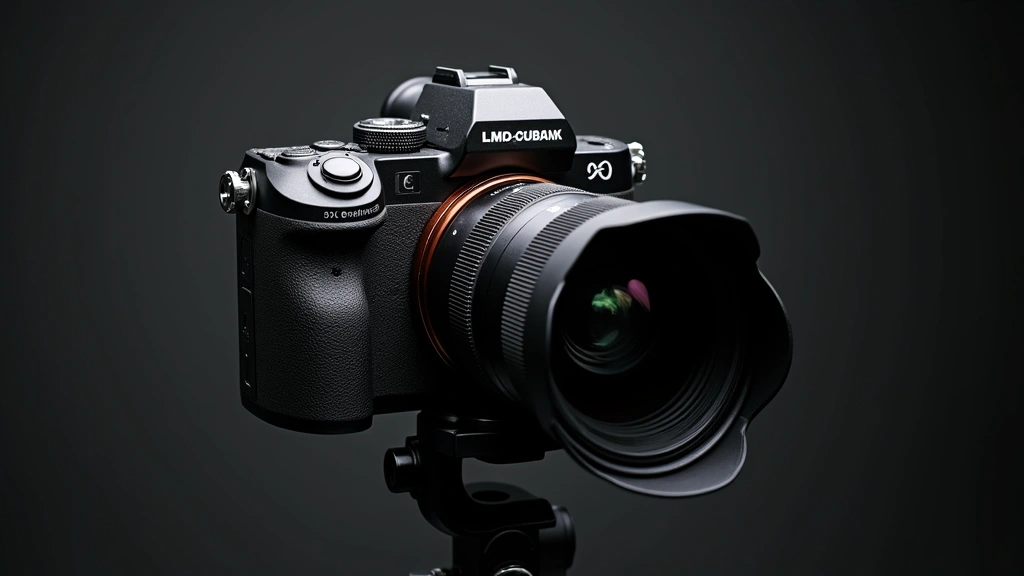
Professional photography technology in 2023 continued evolving rapidly, with mirrorless cameras establishing complete dominance over DSLR designs. Autofocus algorithms incorporating AI-driven subject recognition enabled photographers to focus on composition rather than technical settings. Video capabilities matched professional cinema cameras in many respects, enabling hybrid photo-video workflows previously requiring separate equipment.
Sony’s A7R V delivered exceptional resolution at 61 megapixels, providing substantial cropping flexibility and fine detail capture. The autofocus system achieved near-perfect accuracy across diverse subject matter, with real-time eye tracking enabling reliable focus on human subjects during video recording. The advantage tech implementation prioritized autofocus reliability, addressing previous concerns about focus hunting in challenging conditions. The 8K video capability provided future-proofing, though practical implementation remained limited by storage and processing requirements.
Canon’s R5 Mark II addressed the original R5’s overheating limitations while adding enhanced autofocus capabilities. The 45-megapixel resolution provided excellent detail capture, and the thermal management improvements enabled extended video recording sessions. The RF lens ecosystem continued expanding, with manufacturers delivering exceptional optical quality through electronic lens correction. The advantage tech positioning emphasized reliability and consistency, with professional photographers selecting Canon systems for mission-critical work.
Nikon’s Z9 offered comprehensive autofocus improvements and enhanced video stabilization. The mechanical shutter could achieve 11 frames per second, while the electronic shutter reached 20 fps, providing exceptional capture rates for fast action. The ergonomic design and extensive customization options appealed to professional photographers prioritizing control and precision. The growing Z-mount lens ecosystem delivered excellent optical quality, addressing previous concerns about limited native lens availability.
Fujifilm’s X-Pro3 maintained the company’s commitment to design-forward photography, combining retro aesthetics with modern technology. The film simulation modes provided distinctive color science, and the hybrid viewfinder offered flexibility between optical and electronic viewing. The compact system size and lens quality attracted travel photographers and enthusiasts prioritizing portability without sacrificing image quality.
FAQ
What advantage tech gadgets provide the best overall value in 2023?
Mid-range smartphones from OnePlus and Google’s Pixel 7a delivered exceptional value, providing 90 percent of flagship performance at 50-60 percent pricing. For laptops, Lenovo’s ThinkPad and ASUS’s ExpertBook lines offered professional-grade reliability at reasonable costs. Budget wearables from Fitbit provided comprehensive health monitoring without premium pricing, making them excellent entry-point devices for health-conscious consumers.
Should I upgrade from 2022 technology to 2023 gadgets?
Incremental improvements in processing power and battery life don’t justify upgrades for casual users satisfied with current devices. However, users seeking specific new features—like improved camera capabilities, enhanced health monitoring, or better battery life—should evaluate 2023 options. Professional users requiring maximum performance should consider flagship upgrades, particularly in computing devices where processor improvements translate to measurable productivity gains.
How do I choose between competing advantage tech ecosystems?
Evaluate your existing device ecosystem and prioritize compatibility. Apple users benefit from seamless integration across iPhone, iPad, Mac, and wearables. Android users enjoy flexibility across manufacturers, though ecosystem integration varies. Consider your primary use cases—gaming, productivity, creative work—and select the platform excelling in those areas rather than pursuing comprehensive ecosystem lock-in.
What 2023 gadgets will remain relevant through 2025?
Flagship smartphones from Apple, Samsung, and Google will remain performant through 2025, handling anticipated software updates without degradation. Premium laptops with modern processors will exceed performance requirements for years. Professional cameras from Sony, Canon, and Nikon will remain relevant indefinitely, as image quality depends more on optics than computational processing. Avoid budget devices with limited software support or outdated processors, as these will show performance limitations more quickly.
Are gaming graphics cards necessary upgrades if I own RTX 30-series hardware?
RTX 30-series cards remain capable of handling contemporary games at 1440p and 4K resolutions, particularly with DLSS implementation. Upgrading to RTX 40-series makes sense only if you prioritize maximum frame rates at 4K or want to enable ray tracing at high settings. Budget gamers should wait for RTX 30-series price reductions rather than investing in premium 40-series cards, as performance differences don’t justify the cost for 1080p and 1440p gaming.


