Aiken’s Tech Revolution: 2025’s Top Gadgets Unveiled
Aiken, South Carolina has emerged as an unexpected epicenter of technological innovation in 2025, with a new class of cutting-edge gadgets that are redefining how we interact with everyday technology. From AI-powered devices to sustainable tech solutions, the innovations rolling out this year represent a quantum leap in consumer electronics. Whether you’re a tech enthusiast or simply curious about what the future holds, this comprehensive guide breaks down the most impressive gadgets that are transforming the digital landscape.
The year 2025 marks a pivotal moment in technology adoption, particularly in regions like Aiken where tech-forward thinking meets practical application. We’re witnessing unprecedented convergence between artificial intelligence, renewable energy integration, and next-generation computing power. The gadgets featured here aren’t just incremental improvements—they represent fundamental shifts in how technology serves users across personal, professional, and environmental domains.
Next-Generation AI Assistants and Smart Devices
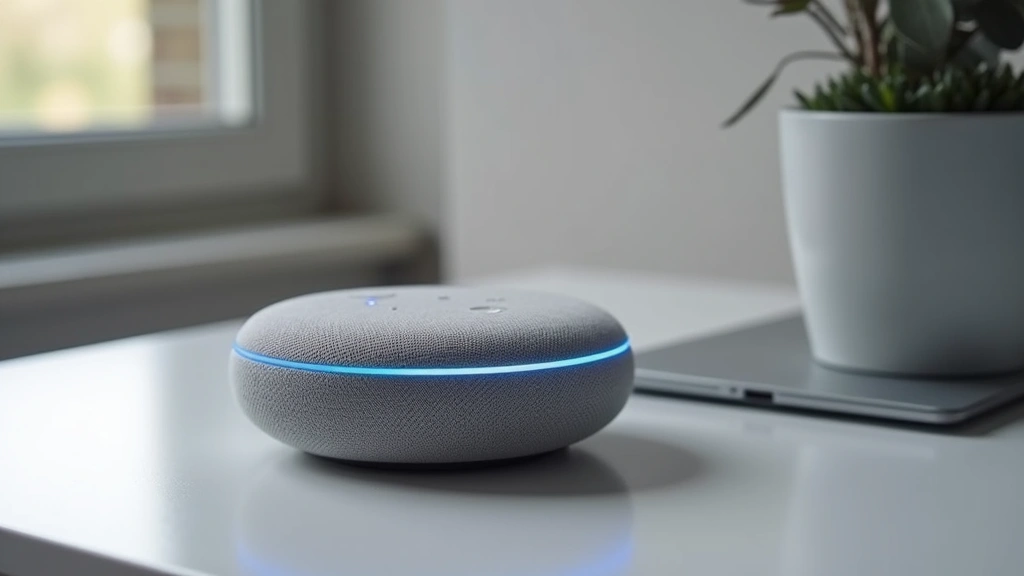
The most transformative gadgets emerging in 2025 are undoubtedly AI-powered assistants that have evolved far beyond voice recognition. These devices leverage artificial intelligence applications transforming the future, providing contextual understanding and predictive capabilities that anticipate user needs before they’re explicitly stated.
Leading the charge is a new generation of AI companions featuring neural processing units optimized for on-device computation. Unlike their predecessors, these gadgets process complex requests locally, dramatically reducing latency and improving privacy. The latest models boast 40% faster response times and support for over 150 languages with natural accent preservation. These devices excel at understanding context, remembering conversation history across sessions, and adapting to individual user preferences through machine learning algorithms that operate entirely on local hardware.
Integration capabilities have reached new heights, with these AI assistants seamlessly connecting to smart home ecosystems, personal devices, and professional tools. The natural language processing (NLP) algorithms now understand colloquialisms, regional dialects, and even technical jargon specific to professional fields. Users report feeling like they’re conversing with genuinely intelligent systems rather than interacting with programmed responses.
From an investment perspective, companies developing these technologies represent significant opportunities in AI tech stocks. The market for intelligent assistants is projected to exceed $150 billion annually by 2026, with enterprise applications driving substantial growth.

Advanced Wearable Technology
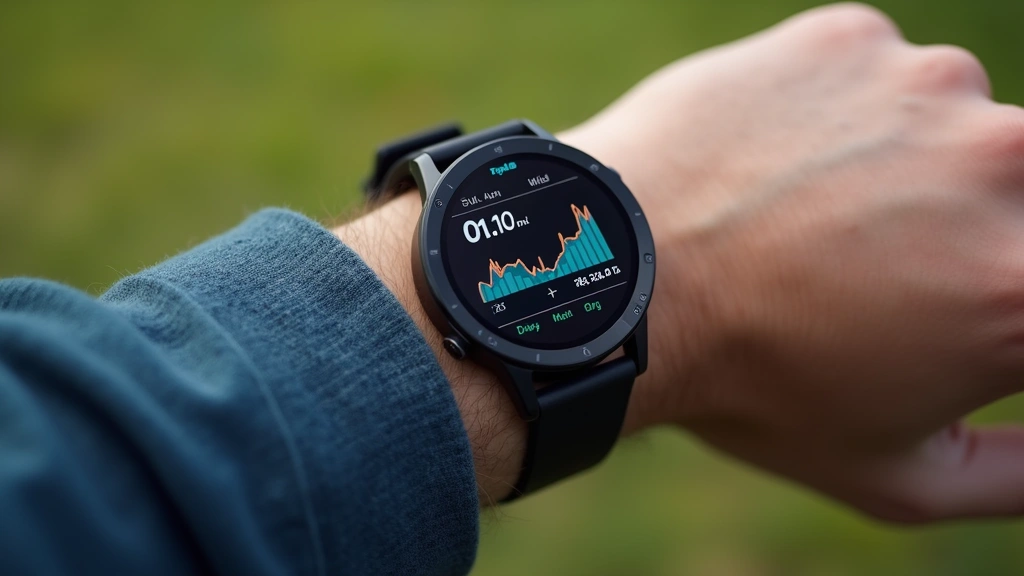
Wearable technology in 2025 has transcended simple fitness tracking to become comprehensive health monitoring systems. The latest smartwatches feature advanced biometric sensors capable of detecting irregular heart rhythms, blood oxygen saturation, body temperature variations, and even early signs of infection through perspiration analysis.
These devices now incorporate non-invasive glucose monitoring, eliminating the need for finger pricks for diabetic patients. The technology uses spectroscopy to analyze interstitial fluid, providing readings every five minutes with accuracy comparable to traditional meters. Battery life has improved dramatically—flagship wearables now deliver 14-21 days of continuous operation, addressing the primary complaint users had about previous generations.
Sleep tracking has become exceptionally sophisticated, with devices analyzing REM cycles, deep sleep duration, and sleep quality metrics with clinical-grade accuracy. Users receive personalized recommendations based on their sleep patterns, including optimal bedtimes, ideal nap durations, and environmental adjustments that could enhance rest quality. Integration with cloud computing benefits for businesses allows healthcare providers to access anonymized sleep data, enabling better diagnosis and treatment recommendations.
Augmented reality (AR) contact lenses represent the frontier of wearable innovation. These nearly invisible devices project digital information directly onto the user’s field of vision, with 4K resolution and 90-degree field-of-view capabilities. Applications range from real-time translation overlays to professional navigation systems for surgeons and technicians.
Sustainable Tech Innovations
2025’s gadget revolution places significant emphasis on environmental responsibility. Breakthrough devices now incorporate technology in renewable energy innovations powering a sustainable future, with solar integration becoming standard rather than novelty.
Portable solar chargers have evolved from bulky panels to flexible, fabric-like materials that integrate seamlessly into everyday items—backpacks, clothing, and even window installations. These chargers deliver 25-30W of power in optimal sunlight, sufficient for smartphones and tablets. The efficiency rating has improved to 23%, rivaling traditional silicon panels while offering superior durability and flexibility.
Battery technology has undergone revolutionary changes with the commercialization of solid-state batteries in consumer devices. These batteries offer 50% greater energy density than lithium-ion counterparts, dramatically extending device longevity. They’re also inherently safer, eliminating thermal runaway risks that plagued previous generations. Manufacturers report that solid-state batteries maintain 90% capacity after 1,000 charge cycles, compared to 80% for conventional batteries.
Modular design principles have become industry standard, allowing users to replace individual components rather than discarding entire devices. This approach reduces electronic waste by an estimated 60-70% and significantly extends device lifecycles. Manufacturers provide replacement batteries, screens, and processors as affordable components, making devices economically viable for 5-7 years of active use.
Gaming and Entertainment Breakthroughs
The gaming landscape in 2025 has been revolutionized by hardware that supports ray-traced graphics at 4K resolution with 144fps performance. Handheld gaming devices now deliver desktop-class performance, with OLED displays featuring 1000Hz refresh rates that eliminate motion blur entirely.
Virtual reality has reached mainstream adoption with headsets that weigh under 200 grams and offer 200-degree field-of-view with 8K resolution per eye. Eye-tracking technology enables foveated rendering, where only the area the user focuses on receives full resolution, dramatically reducing processing requirements while maintaining visual fidelity. Haptic feedback systems now provide tactile sensations with pinpoint accuracy, allowing users to feel texture details and impact forces.
Spatial audio technology has matured to the point where users experience genuine three-dimensional sound environments. Premium headphones use 32 microphones to analyze ear geometry in real-time, customizing audio output for each individual’s unique hearing characteristics. This personalization results in superior immersion for gaming, movies, and music consumption.
Streaming devices have consolidated into single, powerful units that handle 8K video playback, gaming at high frame rates, and AI upscaling of lower-resolution content to near-native quality. These devices feature custom AI processors that improve image quality in real-time without noticeable latency.
Home Automation and Smart Living
Smart home ecosystems have matured into comprehensive platforms that learn household patterns and optimize energy consumption automatically. These systems now achieve 30-40% reduction in energy usage through intelligent heating, cooling, and lighting management. The technology understands circadian rhythms, adjusting lighting color temperature throughout the day to support natural sleep-wake cycles.
Security systems have evolved with AI-powered threat detection that distinguishes between authorized residents, guests, and genuine security threats. Cameras feature 360-degree coverage with 8K resolution, and intelligent algorithms identify suspicious behavior patterns while ignoring normal household activity. Integration with local law enforcement databases enables instant verification of visitor identities.
Kitchen appliances now feature predictive capabilities, analyzing consumption patterns and automatically placing orders for frequently-used items. Refrigerators scan contents using computer vision, suggesting recipes based on available ingredients and household dietary preferences. Cooking devices provide real-time guidance, adjusting temperature and timing to ensure perfect results regardless of user skill level.
Water systems incorporate smart filtration that monitors quality in real-time, alerting users to contaminants and automatically ordering replacement filters before they’re needed. This preventative approach reduces health risks while ensuring optimal water quality. Wastewater systems analyze usage patterns to optimize septic or municipal systems, extending lifespan and reducing environmental impact.
Mobile Devices and Computing Power
Smartphone technology in 2025 emphasizes computational photography and on-device AI processing. Flagship devices feature 200-megapixel sensors with computational algorithms that enhance images in real-time without cloud processing. Night mode photography now captures usable images in near-total darkness, with dynamic range comparable to professional cameras.
Processors have reached densities of 2 nanometers, delivering 3x performance improvements over 2024 models while consuming identical power. Thermal management has improved dramatically through advanced materials and innovative cooling designs, allowing sustained peak performance without throttling. Battery capacity has increased while maintaining device thickness, with flagship phones now delivering 2-3 days of typical usage on single charges.
Foldable devices have matured significantly, with displays featuring zero visible creases and durability ratings exceeding 500,000 open-close cycles. The technology now supports how to learn coding fast through specialized development environments optimized for foldable form factors, enabling developers to create innovative applications leveraging the unique hardware capabilities.
Laptops and tablets have converged into hybrid devices that seamlessly transition between tablet and laptop modes. These devices feature 22-hour battery life, enabling full work days without charging. Processing power rivals desktop computers from just two years prior, with thermal design allowing sustained performance during demanding tasks. Display technology includes mini-LED backlighting providing 1,000,000:1 contrast ratios and support for advanced color spaces.
Cloud integration has become seamless, with devices automatically synchronizing data across ecosystem platforms. Users can start tasks on phones, continue on tablets, and finish on laptops without any manual transfer. The Tech Pulse Hunter Blog regularly covers these ecosystem developments and their implications for productivity workflows.
FAQ
What makes 2025’s gadgets fundamentally different from previous years?
The primary distinction lies in the integration of sophisticated AI processing directly on devices rather than relying on cloud computation. This approach dramatically improves privacy, reduces latency, and enables functionality even without internet connectivity. Additionally, the emphasis on sustainability and modular design represents a significant philosophical shift in how manufacturers approach product development.
Are these gadgets affordable for average consumers?
While flagship devices command premium prices, mid-range options now offer 80-90% of the performance at 40-50% of the cost. Budget-friendly alternatives provide solid functionality for basic tasks. The modular design philosophy also reduces total cost of ownership, as users can replace individual components rather than entire devices, extending useful lifespan significantly.
How do these technologies impact privacy and data security?
On-device AI processing means sensitive data remains local and never transmits to external servers. Advanced encryption standards protect transmitted data, and manufacturers implement hardware-level security features. Users maintain granular control over data sharing, with transparent permission systems clearly indicating which applications access specific data categories.
What role does AI play in 2025’s gadget ecosystem?
AI permeates virtually every device category, from personal assistants to home automation systems. The technology enables predictive capabilities, personalization, and intelligent automation that significantly enhance user experience. Machine learning algorithms continuously improve as devices learn individual preferences and behavioral patterns.
Which gadgets offer the best value for investment?
Mid-range wearables and smart home devices provide exceptional value, delivering substantial improvements in daily life at reasonable price points. Flagship smartphones justify their cost through superior computational photography and processing power. For professional users, advanced laptops and tablets offer significant productivity enhancements that offset their premium pricing.
How is the gadget industry addressing electronic waste?
The shift toward modular design, renewable energy integration, and extended device lifecycles directly combats e-waste accumulation. Manufacturers increasingly offer trade-in programs and certified recycling services. Solid-state batteries and durable construction materials significantly extend device usability, reducing replacement frequency.


