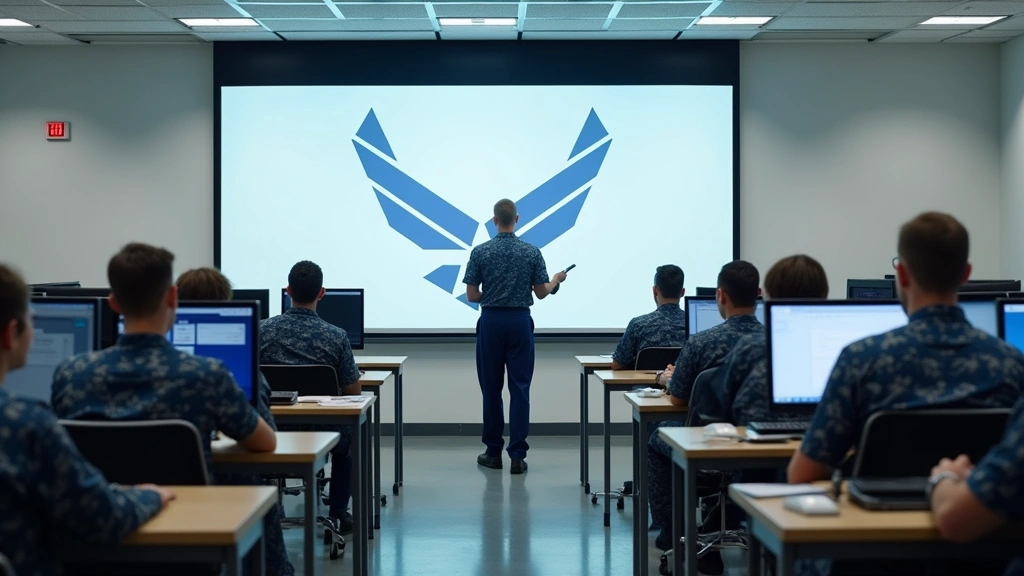
Air Force Tech School Guide: Locations and Training Lengths
The United States Air Force operates one of the most comprehensive technical training systems in the world, preparing enlisted personnel and officers for specialized careers in aviation, cybersecurity, communications, and advanced systems maintenance. Air Force Technical School, commonly referred to as “tech school,” represents a critical phase in military career development where recruits transition from basic training into specialized skill acquisition. Understanding where these schools are located and how long training takes is essential for anyone considering an Air Force career or supporting someone through the enlistment process.
Tech schools vary significantly in duration and location depending on the specific Air Force Specialty Code (AFSC) you’re pursuing. Some programs last as little as four weeks, while others extend to over a year of intensive instruction. These training facilities are distributed across multiple installations nationwide, each equipped with state-of-the-art equipment and experienced instructors who bring real-world expertise to the classroom. The combination of classroom instruction, hands-on laboratory work, and practical application ensures that graduates are immediately mission-ready when assigned to their first duty station.
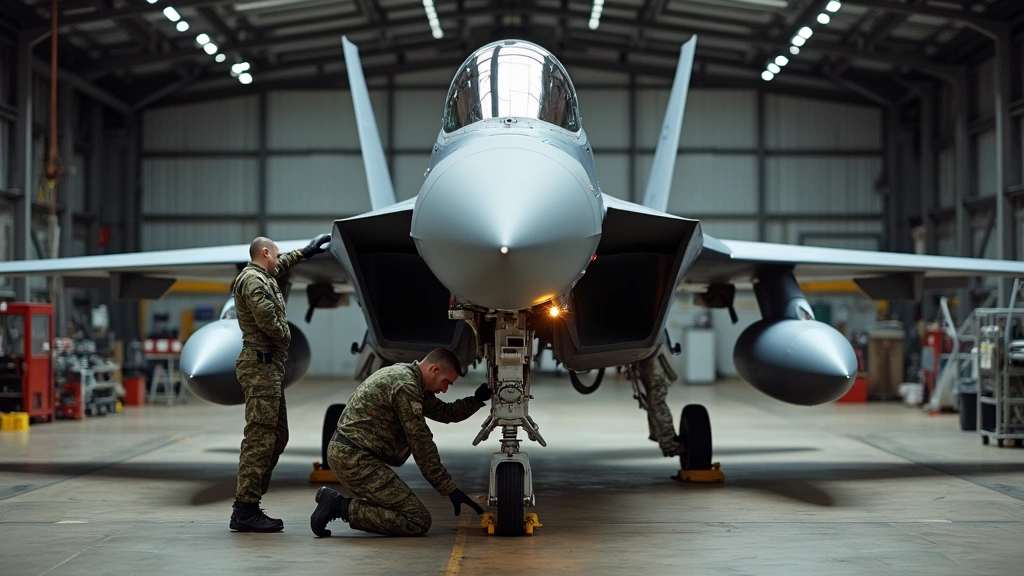
Understanding Air Force Technical Training Structure
The Air Force Technical Training pipeline represents a transformative educational experience that builds upon the foundation established during basic military training. After completing basic training at Joint Base San Antonio-Lackland, recruits proceed to their assigned tech school based on their AFSC qualification. This system ensures that every Airman receives specialized instruction tailored to their career field, whether they’re training to become aircraft maintainers, cyber operators, or communication specialists.
The structure of technical training emphasizes both theoretical knowledge and practical application. Instructors, many of whom are experienced enlisted personnel or civilian specialists, deliver curriculum that reflects current Air Force operational needs. Trainees participate in classroom lectures, hands-on laboratory exercises, simulator training, and field operations. This multi-faceted approach ensures comprehensive skill development and prepares Airmen for the complex technological systems they’ll operate and maintain throughout their careers.
Understanding the latest developments in military technology training helps contextualize why the Air Force invests heavily in these programs. Modern aircraft, weapons systems, and communications networks require highly trained personnel who understand both legacy systems and cutting-edge innovations.
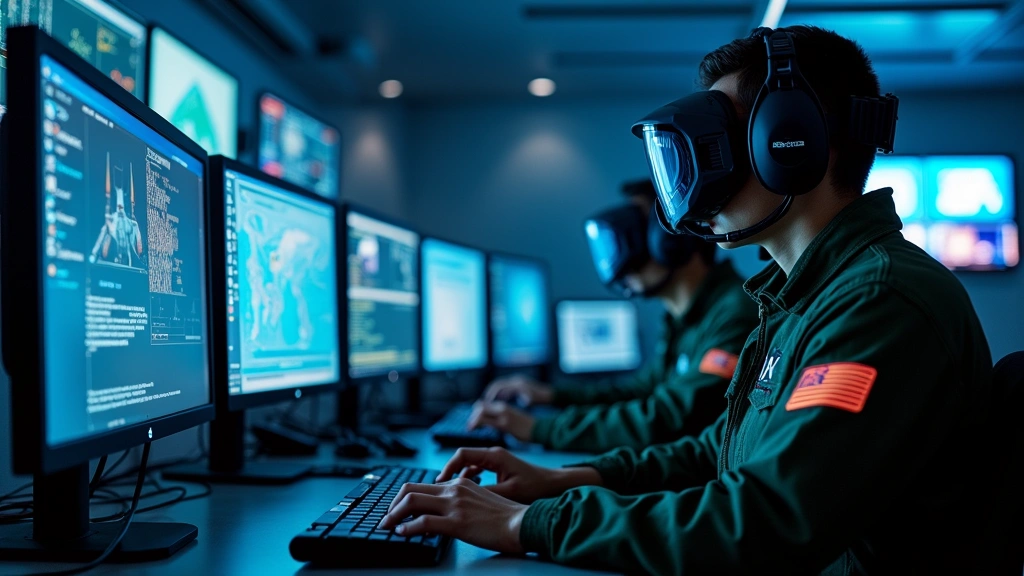
Major Tech School Locations Across the United States
Technical training schools are strategically located at Air Force installations nationwide, chosen for their proximity to operational squadrons and availability of specialized equipment. The primary tech school locations include Keesler Air Force Base in Mississippi, Lackland Air Force Base in Texas, Sheppard Air Force Base in Texas, and Goodfellow Air Force Base in Texas. Each installation specializes in specific career fields, allowing the Air Force to concentrate resources and expertise effectively.
Keesler Air Force Base hosts the largest concentration of technical training programs, particularly those related to communications, electronics, and information systems. The base’s location in Biloxi, Mississippi, provides an established training infrastructure with modern facilities. Sheppard Air Force Base near Wichita Falls, Texas, specializes in aircraft maintenance training, including programs for mechanics, avionics technicians, and propulsion system specialists. Goodfellow Air Force Base in San Angelo, Texas, focuses on intelligence, communications, and security-related specialties.
Beyond these major hubs, technical training occurs at various other installations including Maxwell Air Force Base in Alabama, which hosts communications training, and Nellis Air Force Base in Nevada for select specialized programs. Some career fields require training at multiple locations, with initial technical training followed by advanced qualification training at the trainee’s first duty station.
Training Duration by Career Field
Training length varies dramatically across different Air Force specialties, ranging from four weeks to over 60 weeks. Administrative and support career fields typically require shorter training periods, often between 4-8 weeks. These include positions in personnel management, supply chain operations, and basic administrative support roles. The shorter duration reflects the more transferable nature of administrative skills and the ability to learn many job-specific procedures on the job.
Technical career fields requiring significant hands-on training typically extend between 12-24 weeks. Aircraft maintenance specialties, including airframe mechanics and power plant mechanics, generally require 16-20 weeks of intensive technical training. Avionics technicians and electronic systems specialists typically complete 20-24 weeks of training. These extended programs include substantial laboratory components where trainees work with actual aircraft systems and components.
The longest training programs exceed 50 weeks and are reserved for the most complex specialties. Cyber operations specialists, for example, may spend 12-16 weeks in initial technical training followed by advanced qualification training. Intelligence analysts and linguists often require 40-60 weeks of initial training. These extended programs reflect the sophisticated nature of modern warfare and the critical importance of these specialties to Air Force operations.
Keesler Air Force Base: Hub of Technical Excellence
Keesler Air Force Base stands as the Air Force’s primary technical training center, hosting the 81st Training Wing which oversees hundreds of training courses. Located in Biloxi, Mississippi, Keesler trains thousands of Airmen annually across communications, information systems, cyber operations, and related technical fields. The base features modern classroom facilities, advanced laboratory equipment, and comprehensive training infrastructure designed to support contemporary military technology instruction.
The 81st Training Wing operates multiple squadrons dedicated to specific training missions. The 336th Training Squadron focuses on communications and information systems training, while the 334th Training Squadron emphasizes cyber operations and information security. These units employ experienced instructors who maintain current knowledge of evolving technologies and Air Force operational requirements. Trainees at Keesler benefit from state-of-the-art facilities including computer laboratories, communications equipment simulators, and networked training environments that replicate real-world operational scenarios.
Beyond basic technical training, Keesler hosts advanced training programs and serves as a center for curriculum development. The base continuously updates course content to reflect technological advances and operational changes. This commitment to ongoing improvement ensures that Air Force technical training remains relevant and effective. For those interested in how technology and artificial intelligence are transforming our future, Keesler’s cyber operations programs represent the cutting edge of military technical education.
Lackland and Joint Base San Antonio Training Campus
Joint Base San Antonio-Lackland serves as the gateway to Air Force technical training, housing the 737th Training Group which manages initial enlisted training and transition to technical schools. While Lackland is primarily known for basic military training, it also hosts specialized technical training for certain career fields and serves as the distribution point for technical school assignments. The base’s location in San Antonio, Texas, makes it a major hub for Air Force personnel movement and training pipeline management.
The transition from basic training to tech school occurs at Lackland, where recruits receive their technical training assignments and prepare for the next phase of their military education. The base provides orientation to technical training requirements, prerequisite instruction, and initial skill assessments that help place trainees in appropriate courses. Lackland’s infrastructure supports the massive volume of personnel flowing through the Air Force training system annually.
Sheppard Air Force Base, also in Texas near Wichita Falls, represents another critical technical training location specializing in aircraft maintenance and related mechanical specialties. The 82nd Training Wing at Sheppard oversees aircraft maintenance training programs that prepare mechanics, crew chiefs, and propulsion specialists. The base features aircraft parking areas, maintenance training hangars, and engine test facilities that provide authentic training environments. Trainees work with actual Air Force aircraft and systems, gaining hands-on experience essential for their operational roles.
Specialized Training Centers and Unique Programs
Beyond the major tech school hubs, the Air Force operates specialized training centers for unique career fields. Goodfellow Air Force Base in San Angelo, Texas, hosts the 17th Training Wing, which manages intelligence, security, and communications training. Intelligence analyst training at Goodfellow typically extends 40-60 weeks and includes classified instruction requiring appropriate security clearances. The base provides secure training environments with access to current intelligence systems and real-world operational data.
Security Forces training occurs at multiple locations, with initial training at Joint Base San Antonio-Lackland followed by technical training at various installations. Pararescue and Combat Rescue Officer training represents some of the Air Force’s most demanding technical programs, extending 12-18 months with extremely high attrition rates. These specialized warriors require extensive training in survival, rescue operations, medical response, and tactical operations.
Linguist training for the Air Force occurs at specialized facilities, with some programs conducted through agreements with civilian universities. Language training can extend 12-24 months depending on the language difficulty level. The Defense Language Institute and affiliated training centers provide intensive instruction in languages critical to Air Force intelligence and operations missions. This unique approach combines military training principles with established language education methodologies.
Advanced Technical Certifications During Tech School
Many Air Force technical training programs integrate industry-recognized certifications into their curriculum, providing trainees with credentials valuable both within the military and in civilian employment. Aviation maintenance training programs often include Federal Aviation Administration (FAA) certification pathways, allowing graduates to leverage their military training toward civilian aviation careers. Cyber operations training frequently incorporates CompTIA Security+ and other cybersecurity certifications recognized across government and private sectors.
The Air Force’s partnership with industry certification bodies reflects a commitment to producing Airmen with marketable skills applicable beyond military service. Trainees studying information systems often complete Microsoft or CompTIA certifications during tech school, enhancing their technical credentials. This approach benefits both the Air Force, which gains highly qualified personnel, and trainees, who develop portable credentials supporting potential civilian careers.
For those interested in how to learn coding fast, cyber operations training programs offer intensive instruction in programming languages, network security, and system administration. These programs often provide exposure to multiple programming languages and development frameworks, preparing trainees for advanced technical roles. The integration of industry certifications ensures that technical training remains relevant to evolving technology landscapes.
What to Expect: Daily Life and Course Structure
Daily life during technical training follows a structured schedule balancing classroom instruction, hands-on laboratory work, and administrative requirements. Trainees typically begin their day with physical training or formation activities, followed by classroom sessions covering theoretical foundations. Afternoon periods often include laboratory work, simulator training, or field exercises where trainees apply classroom learning to practical scenarios. Training days generally extend 8-10 hours, with additional study time expected for evening preparation.
Course structure varies by specialty but typically includes progressive skill development from foundational concepts to advanced applications. Early course modules establish theoretical understanding of systems and principles, while later modules emphasize practical troubleshooting, maintenance procedures, and operational applications. Instructors employ various teaching methodologies including lectures, demonstrations, hands-on exercises, group projects, and practical assessments.
Testing and evaluation occur throughout technical training, with trainees completing written examinations, practical skill assessments, and performance evaluations. Progression through course modules typically requires achieving minimum competency standards on both written and practical assessments. Final evaluations determine whether trainees meet graduation requirements and are mission-ready for their assigned specialties. Performance during tech school often influences initial duty station assignments and career opportunities.
Trainees maintain military discipline and standards throughout technical training, with requirements for proper uniform wear, barracks maintenance, and adherence to base regulations. Housing arrangements vary by installation, with some trainees residing in dormitory-style barracks while others may find off-base housing. The Air Force provides meal services through dining facilities, and trainees typically have access to base recreation, fitness, and support services.
Understanding best laptops for students becomes relevant for tech school trainees who may use personal computers for study, though military-issued equipment is typically provided for official training purposes. Many trainees find personal laptops valuable for research, professional development, and maintaining connections with family during technical training.
Career Progression After Tech School
Completion of technical training marks the beginning of an Airman’s operational career rather than its conclusion. After graduating from tech school, Airmen receive their first duty station assignment based on Air Force needs, training performance, and career field requirements. Many specialties include advanced qualification training conducted at the duty station, where experienced personnel mentor newly arrived Airmen in specific operational procedures and mission requirements.
Career progression opportunities expand significantly for Airmen who successfully complete technical training. Advancement through enlisted ranks depends on demonstrated technical competence, leadership potential, and professional development. Many Airmen pursue additional certifications, advanced technical training, or formal education programs while serving. The Air Force’s emphasis on continuous learning and professional development creates pathways for Airmen to expand their technical expertise throughout their careers.
For technical career fields, specialty training and advanced qualifications lead to positions of increased responsibility and authority. Senior technical personnel often transition into training, quality assurance, or leadership roles where they mentor junior Airmen and shape the next generation of Air Force technical expertise. This career progression structure ensures that experience and knowledge transfer throughout the Air Force, maintaining institutional competence and operational effectiveness.
FAQ
How long is Air Force tech school on average?
Average tech school duration ranges from 4 to 24 weeks, with most technical specialties requiring 12-20 weeks of training. Administrative and support roles typically complete in 4-8 weeks, while advanced technical specialties may extend beyond 24 weeks. The specific duration depends entirely on the Air Force Specialty Code (AFSC) assigned.
Can you choose your tech school location?
Tech school location is determined by your assigned Air Force Specialty Code rather than personal preference. Each specialty trains at specific installations chosen based on available equipment, instructor expertise, and operational requirements. However, you can influence your specialty selection during the enlistment process through discussions with your recruiter.
What is the hardest Air Force tech school?
Pararescue and Combat Rescue Officer training represent among the most challenging programs, with attrition rates exceeding 80% and training extending 12-18 months. Cyber operations and intelligence analyst training also demand significant intellectual capacity and extended training periods. Difficulty varies based on individual aptitude and background knowledge.
Can you fail Air Force tech school?
Yes, trainees can fail tech school if they don’t meet competency standards on written examinations or practical assessments. Failure typically results in recycling to a previous course module or potential reclassification to a different specialty. The Air Force maintains high standards to ensure operational readiness and safety.
Is tech school harder than basic training?
Tech school is intellectually more demanding than basic training, focusing on technical knowledge and practical skills rather than physical conditioning and military discipline. However, physical requirements and military standards remain important throughout technical training. Success requires both mental discipline and technical aptitude.
What equipment do tech school trainees use?
Training equipment varies by specialty but includes classroom computers, specialized software, laboratory instruments, aircraft systems, simulators, and diagnostic equipment. Many programs utilize actual Air Force equipment to provide authentic training experiences. The Air Force continuously upgrades training equipment to reflect operational systems.
Can civilians access Air Force technical training?
Air Force technical training is exclusively for enlisted personnel and officers. However, cloud computing benefits for businesses and other advanced technologies influence Air Force training curriculum development. Some civilian educational institutions partner with the Air Force to develop training materials and instructor professional development programs.
How competitive is tech school selection?
Tech school selection depends on your ASVAB scores, medical qualifications, security clearance eligibility, and the Air Force’s current personnel needs. High-demand specialties may be more competitive, while others may have immediate openings. Your recruiter can discuss realistic opportunities based on your qualifications.
What happens if you don’t graduate tech school?
Trainees who don’t meet graduation standards may recycle to repeat course modules, be reclassified to different specialties, or be discharged from the Air Force. The specific outcome depends on circumstances, performance patterns, and Air Force needs. Most trainees successfully complete their assigned programs.


