Top Air Force Tech Schools: A Comprehensive Guide
The United States Air Force operates some of the most advanced technical training institutions in the world, preparing personnel for careers in cutting-edge aerospace, cybersecurity, and information technology. Air Force tech schools represent a unique opportunity for enlisted members and officers to develop specialized skills in fields that directly impact national defense and technological innovation. Whether you’re interested in aircraft maintenance, cyber operations, or advanced systems engineering, the Air Force’s educational infrastructure provides comprehensive pathways to technical excellence.
Air Force tech schools, officially known as technical training courses, operate under Air Education and Training Command (AETC) and are located at various bases across the United States. These institutions combine hands-on training with theoretical knowledge, ensuring graduates possess practical expertise applicable to real-world military operations. The curriculum is constantly updated to reflect emerging technologies and operational requirements, making Air Force technical training among the most current in the defense sector.

Understanding Air Force Technical Training Structure
Air Force tech schools operate within a tiered educational framework designed to build competency progressively. After completing basic military training, enlisted personnel attend their specific technical training school, which can range from 4 weeks to over a year depending on the specialty. The structure emphasizes both theoretical understanding and practical application, with students working on actual equipment and systems used in operational environments.
The training pipeline integrates classroom instruction with hands-on laboratory work, simulations, and field exercises. Instructors are typically experienced Air Force personnel with extensive operational background, ensuring curriculum relevance and real-world applicability. This approach contrasts sharply with civilian technical education, as military instructors bring firsthand knowledge of how systems perform under demanding operational conditions. Students also benefit from access to cutting-edge technology and equipment that may not be readily available in civilian institutions.
Air Force tech schools maintain partnerships with civilian educational institutions and industry organizations, allowing graduates to earn recognized certifications and college credits. Many technical training courses are accredited through the American Council on Education (ACE), meaning credits can transfer to colleges and universities for degree programs. This dual-pathway approach enables service members to simultaneously build military expertise while establishing credentials valuable in civilian job markets.
Top Air Force Tech Schools and Their Specializations
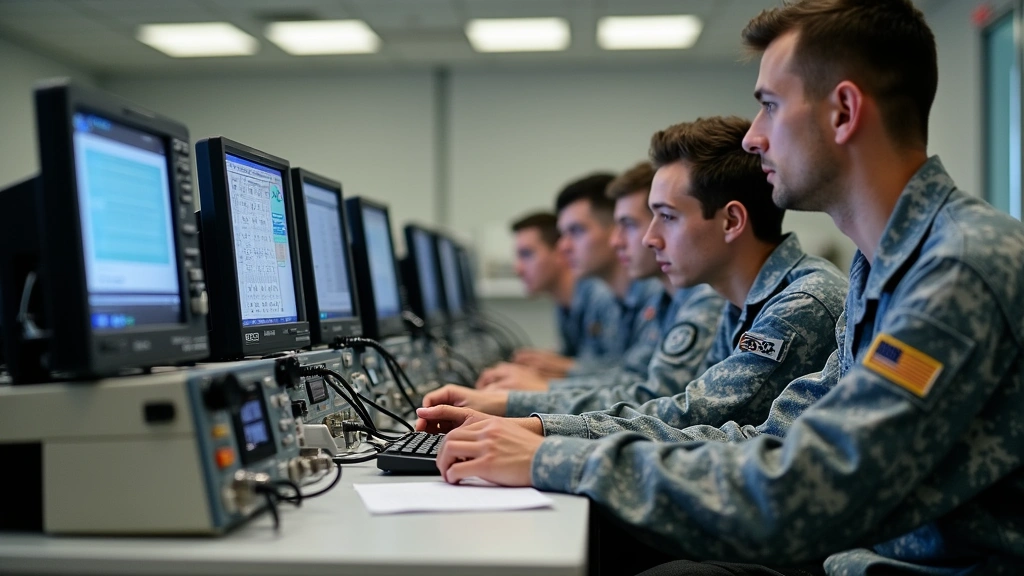
The Air Force operates specialized technical schools at multiple locations, each focusing on distinct career fields. The best tech education starts with proper equipment, and the Air Force ensures all students have access to necessary technology infrastructure. Keesler Air Force Base in Mississippi hosts the largest technical training center, offering courses in electronics, communications, and information systems. Lackland Air Force Base in Texas provides foundational technical training for numerous career fields. Sheppard Air Force Base in Oklahoma specializes in aircraft maintenance and mechanical systems training.
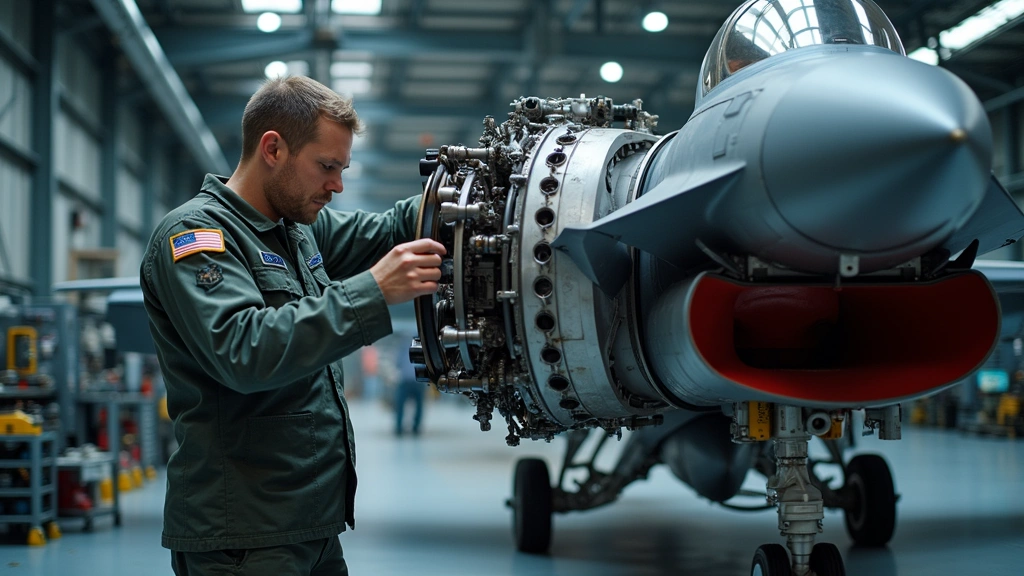
Each school maintains specialized facilities reflecting their focus areas. Electronics training schools feature laboratories with oscilloscopes, multimeters, and circuit simulation equipment. Aerospace maintenance schools include actual aircraft and engines for hands-on training. Cybersecurity programs operate state-of-the-art computer laboratories with network simulation equipment. This investment in infrastructure ensures graduates possess practical experience with equipment they’ll encounter throughout their careers.
The Air Force continuously modernizes technical school curricula to address emerging technologies. Recent additions include courses on artificial intelligence applications in defense systems, advanced drone operations, and quantum computing fundamentals. Understanding how artificial intelligence transforms modern operations is increasingly critical for Air Force technical personnel. Schools also incorporate renewable energy training, reflecting the Air Force’s commitment to sustainable operations and energy efficiency.
Cybersecurity and Information Technology Programs
Cybersecurity training represents one of the Air Force’s most critical technical education areas. The Air Force Cyber Operations School at Joint Base San Antonio-Lackland trains personnel in network defense, threat analysis, and offensive cyber capabilities. The curriculum covers defensive security measures, penetration testing methodologies, and threat intelligence analysis. Graduates emerge with skills directly applicable to protecting military networks and infrastructure against sophisticated cyber threats.
Information technology specialties extend beyond pure cybersecurity to encompass systems administration, database management, and cloud computing. The Air Force’s IT training programs prepare personnel to manage complex networks supporting global military operations. Students learn enterprise-level systems similar to those deployed in major corporations, providing credentials recognized across the technology industry. Learning coding fundamentals accelerates advancement in technical career fields, and many Air Force IT programs include programming and scripting components.
The Air Force maintains partnerships with major technology vendors including Cisco, CompTIA, and Microsoft, enabling students to pursue industry-recognized certifications. Graduates often obtain Security+, Network+, and CCNA certifications during their training pipeline. These credentials significantly enhance post-military employment prospects and provide competitive advantages in civilian IT job markets. The combination of military experience and industry certifications makes Air Force IT graduates highly sought after by technology companies and defense contractors.
Advanced IT training includes cloud architecture, cybersecurity incident response, and malware analysis. The Air Force invests heavily in these specialized programs because cyber threats evolve constantly, requiring personnel with cutting-edge knowledge. Training facilities include isolated network environments where students can practice defensive and offensive techniques without affecting operational systems. This sandbox approach enables aggressive learning without operational risk.
Aerospace and Maintenance Training
Aircraft maintenance represents a cornerstone of Air Force technical education. The Air Force’s aircraft maintenance schools train personnel to service, repair, and maintain fighter jets, transport aircraft, and specialized military platforms. Training includes both airframe maintenance and powerplant systems, covering engines, hydraulics, avionics, and structural repairs. Graduates develop expertise in troubleshooting complex mechanical and electrical systems under stringent safety and reliability requirements.
Avionics training focuses on aircraft electronic systems, including navigation, communication, and targeting systems. Students learn to operate sophisticated diagnostic equipment and interpret technical documentation. The Air Force’s avionics programs prepare personnel for careers maintaining systems on platforms ranging from F-16 fighters to B-52 bombers. Many courses include training on specific aircraft models, providing deep expertise in particular platforms. This specialization makes graduates invaluable for maintaining specific fleets.
Aerospace propulsion training covers jet engines, turbine mechanics, and fuel systems. Students study thermodynamics, combustion processes, and engine performance characteristics. The Air Force operates some of the most advanced military engines globally, and training reflects this sophistication. Graduates understand engine performance across operational envelopes, from sea-level operations to high-altitude combat scenarios. This expertise extends to cutting-edge engines powering next-generation aircraft platforms.
The Air Force’s aircraft structural repair programs train personnel in composite materials, aluminum welding, and structural analysis. As modern aircraft increasingly use advanced composites, training emphasizes non-destructive testing and repair techniques for these materials. Students learn to assess damage severity and implement repairs meeting stringent military specifications. The skills acquired in these programs directly transfer to civilian aerospace industries, where composite repair expertise commands premium compensation.
Enrollment Requirements and Application Process
Eligibility for Air Force tech schools begins with enlisting in the Air Force and successfully completing basic military training. The Air Force assigns personnel to technical training based on military career field needs and individual qualifications. High school graduates and those with relevant civilian certifications receive preference for competitive technical fields. The Air Force seeks individuals with strong mathematical and technical aptitudes for advanced training programs.
Security clearances represent a critical requirement for many technical positions, particularly those involving cybersecurity or classified systems. The clearance process examines background, financial history, and foreign contacts. Obtaining a secret clearance typically requires 4-8 weeks, while top-secret clearances may take several months. Personnel selected for highly sensitive technical positions must pass polygraph examinations and extensive background investigations.
Academic prerequisites vary by specialty. Most technical programs require high school algebra and basic physics understanding. Some advanced programs prefer applicants with college coursework or civilian certifications in related fields. The Air Force offers preparatory courses for personnel needing additional academic foundation before entering competitive technical training. These remedial programs ensure all students possess necessary foundational knowledge for success.
The application process involves working with Air Force recruiters who assess career interests and qualifications. Applicants take the Armed Services Vocational Aptitude Battery (ASVAB) examination, which evaluates mathematical, verbal, and technical reasoning abilities. Scores determine eligibility for specific career fields, with technical specialties requiring higher scores. Competitive fields like cyber operations and advanced electronics may require scores in the 80th percentile or higher.
Career Advancement Through Technical Certification
Air Force technical training provides pathways for rapid career advancement. Personnel who excel in technical schools become noncommissioned officers (NCOs) responsible for supervising junior technicians and managing complex maintenance operations. Leadership opportunities emerge quickly for technically proficient personnel, as the Air Force values demonstrated expertise. Many technical specialists advance to senior NCO ranks, overseeing entire maintenance squadrons or cybersecurity operations centers.
Technical expertise opens opportunities for specialized assignments and continued education. The Air Force sponsors advanced training for personnel demonstrating exceptional capability, including courses at civilian universities and contractor facilities. Some technical specialists pursue officer commissions, leveraging their enlisted experience to lead technical operations. The Air Force’s officer training programs specifically recruit enlisted personnel with technical backgrounds, recognizing the value of operational experience combined with officer-level education.
Professional development continues throughout military careers. The Air Force offers advanced technical schools for mid-career personnel seeking to transition between specialties or deepen expertise in current fields. Understanding technology infrastructure improvements becomes relevant as personnel advance to supervisory positions. Senior technicians must understand how technology investments enhance operational capability and justify resource allocation decisions.
Certification and credential programs accelerate advancement. The Air Force’s Credentialing Opportunity for Veterans (COVE) program funds industry certification exams for service members. Personnel can obtain CompTIA Security+, CCNA, AWS certifications, and numerous other credentials while on active duty. These certifications provide immediate value in civilian job markets and demonstrate commitment to professional development.
Post-Service Technical Credentials
Air Force technical training translates directly into civilian employment opportunities. Many defense contractors actively recruit Air Force technical personnel, recognizing the value of military training and operational experience. Companies like Lockheed Martin, Boeing, Raytheon, and General Dynamics prioritize hiring former Air Force technicians for maintenance, engineering, and systems integration roles. Military technical expertise commands premium salaries in civilian markets, with experienced technicians earning six-figure compensation packages.
The Veterans Administration recognizes Air Force technical training through the GI Bill, allowing service members to pursue degree programs at civilian universities. Many courses completed during Air Force technical training transfer as college credits, accelerating degree completion. Former Air Force technicians often complete bachelor’s degrees in aerospace engineering, electrical engineering, or computer science using GI Bill benefits combined with previous technical training credits.
Civilian licensing and certification provide additional pathways. Former Air Force aircraft maintenance personnel can pursue Federal Aviation Administration (FAA) Airframe and Powerplant (A&P) certifications, which are among the most valuable credentials in civilian aviation maintenance. The Air Force’s training programs provide substantial preparation for A&P examinations, with many graduates passing certification exams on first attempts. A&P certifications enable work with commercial airlines, maintenance facilities, and private aircraft operators.
Professional organizations recognize Air Force technical credentials. The IEEE (Institute of Electrical and Electronics Engineers), AIAA (American Institute of Aeronautics and Astronautics), and ACM (Association for Computing Machinery) all offer membership pathways for former military personnel. These professional affiliations provide networking opportunities, continuing education resources, and enhanced career visibility. Many successful technicians maintain professional organization memberships throughout their careers, staying current with technological developments.
Industry Recognition and Partnerships
Air Force tech schools maintain strategic partnerships with leading technology companies and educational institutions. Cisco Systems provides networking curriculum and certification pathways at multiple Air Force technical schools. Microsoft partners with Air Force cybersecurity programs to deliver cloud computing and security certifications. CompTIA collaborates on IT fundamentals and security training. These partnerships ensure Air Force training remains current with industry standards and emerging technologies.
Educational partnerships extend to universities offering accelerated degree programs for Air Force personnel. The Community College of the Air Force (CCAF) provides associate degrees in technical specialties, allowing service members to earn college credentials while serving. Many CCAF graduates transfer to four-year institutions, using military training credits toward bachelor’s degrees. This educational pipeline supports service members pursuing long-term technical careers and educational advancement.
Industry certifications obtained through Air Force technical training programs provide immediate value in job markets. Cisco certifications validate networking expertise. CompTIA certifications demonstrate IT fundamentals and security knowledge. Microsoft certifications confirm cloud and enterprise systems proficiency. These credentials significantly enhance employment prospects and earning potential.
The Air Force’s commitment to technical excellence ensures graduates possess skills valued across industries. Defense contractors specifically seek Air Force-trained personnel because military training emphasizes reliability, precision, and adherence to stringent specifications. These qualities distinguish military-trained technicians from civilian-trained counterparts, justifying premium compensation and rapid advancement in civilian careers.
FAQ
What is the average length of Air Force technical training?
Most Air Force technical training courses range from 4 weeks to 12 months, depending on specialty complexity. Basic electronics training typically requires 6-8 weeks, while advanced aircraft maintenance and cybersecurity programs may extend 6-12 months. The Air Force continuously evaluates course length, adjusting for technological changes and operational requirements. Longer programs provide more comprehensive preparation for highly specialized positions.
Can Air Force technical training credits transfer to civilian colleges?
Yes, most Air Force technical training is accredited through the American Council on Education (ACE), allowing credits to transfer to civilian colleges and universities. The Community College of the Air Force (CCAF) awards associate degrees in technical specialties, with credits recognized by four-year institutions. Visit TechPulseHunter Blog for additional information about educational technology trends. Service members should consult specific institutions regarding transfer policies, as credit acceptance varies by school and program.
How competitive are Air Force cybersecurity programs?
Cybersecurity programs represent highly competitive technical fields requiring ASVAB scores typically in the 80th percentile or higher. The Air Force receives significantly more applications for cyber positions than available slots, allowing selective recruitment of top candidates. Personnel with civilian cybersecurity experience, college coursework in computer science, or relevant certifications receive preference. The competitive nature reflects the critical importance of cyber operations to military readiness.
What civilian certifications does the Air Force provide?
The Air Force provides pathways to CompTIA Security+, Network+, and A+; Cisco CCNA; Microsoft Azure and Microsoft 365 certifications; and FAA Airframe and Powerplant licenses. Specific certifications available depend on technical specialty and base location. The Air Force’s Credentialing Opportunity for Veterans (COVE) program funds certification exams, eliminating cost barriers. Graduates emerge with industry-recognized credentials immediately valuable in civilian job markets.
What is the job placement rate for Air Force technical school graduates?
Air Force technical school graduates experience exceptionally high civilian job placement rates, typically exceeding 95%. Defense contractors actively recruit Air Force personnel, and civilian industries value military technical training highly. Many graduates receive job offers before completing their military service. The combination of hands-on training, industry certifications, and security clearances makes Air Force technical personnel highly desirable to employers across aerospace, technology, and defense sectors.
Can civilians attend Air Force technical schools?
Air Force technical schools are primarily for enlisted personnel and officers. However, civilians can access similar training through the Air Force’s civilian technical training programs and partnerships with community colleges. Some Air Force bases offer civilian continuing education programs in specific technical areas. Additionally, civilians can pursue similar training through civilian institutions offering courses equivalent to Air Force technical training, though military programs typically provide more comprehensive, hands-on instruction.


