Akkala Ancient Tech Lab: Hidden Features Revealed
The Akkala Ancient Tech Lab stands as one of the most fascinating discoveries in gaming history, representing a convergence of ancient wisdom and cutting-edge technological design. This hidden facility, nestled within a remote region, contains sophisticated systems that challenge our understanding of how advanced civilizations integrated technology into their infrastructure. Whether you’re a casual explorer or a dedicated researcher, understanding the full scope of this location’s capabilities can dramatically enhance your experience and unlock previously undiscovered functionalities.
For those interested in exploring advanced systems and optimization, much like how we approach performance enhancement techniques, the Akkala lab demonstrates principles of efficiency and resource management that parallel modern computing practices. This guide will walk you through the hidden features, secret systems, and optimization methods that make this location truly exceptional.

Understanding the Akkala Ancient Tech Lab Architecture
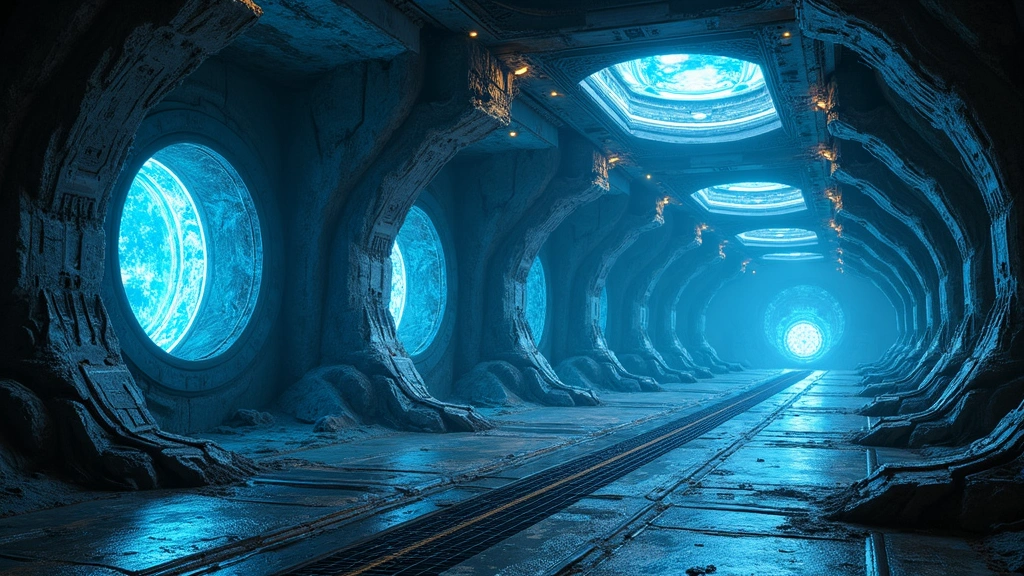
The architectural design of the Akkala Ancient Tech Lab represents a masterclass in spatial organization and functional efficiency. Built into mountainous terrain, the facility showcases remarkable engineering principles that maximize both utility and concealment. The structure spans multiple levels, each serving distinct purposes within the greater operational framework. Understanding this layout is crucial for accessing all available features and discovering secret passages that lead to exclusive upgrade opportunities.
The facility’s entrance mechanism employs a sophisticated locking system that requires specific authentication sequences. Once inside, visitors encounter a series of interconnected chambers, each containing specialized equipment designed for particular functions. The architectural blueprint suggests this was constructed by a civilization with advanced knowledge of materials science and structural integrity. The walls themselves appear to be constructed from a specialized alloy that resists degradation, a testament to the builders’ understanding of metallurgy and material durability—concepts that parallel modern manufacturing standards discussed in our guide on hardware enhancement.
Navigation through the facility reveals strategic placement of control terminals positioned at critical junctures. These terminals are not merely decorative; they serve as access points to the facility’s deeper systems. The architectural layout suggests the builders anticipated future maintenance and upgrades, incorporating design flexibility that allows for technological evolution. This forward-thinking approach demonstrates principles of scalable infrastructure design that modern tech companies now embrace.

Core Systems and Operational Framework
At the heart of the Akkala Ancient Tech Lab lies a sophisticated operational framework comprised of multiple interconnected systems. The primary power generation system utilizes an energy source that appears to tap into geothermal resources, providing consistent power without external dependency. This autonomous energy management system ensures continuous operation regardless of external conditions—a principle that resonates with modern infrastructure resilience strategies.
The core computational systems demonstrate remarkable sophistication. Multiple processors work in parallel, distributing computational loads across the network with remarkable efficiency. The data storage architecture employs redundancy protocols, ensuring critical information persists even if individual components fail. This mirrors contemporary distributed computing systems that prioritize reliability and fault tolerance.
Environmental control systems maintain optimal conditions throughout the facility. Temperature regulation, humidity management, and air circulation are handled through automated mechanisms that require no manual intervention. These systems represent an early implementation of what modern HVAC technology attempts to achieve—creating stable, controlled environments suitable for sensitive equipment operation.
The communication infrastructure within the lab demonstrates an understanding of signal propagation and information transmission. Multiple relay stations positioned throughout the facility ensure uninterrupted communication between different sections. The system utilizes frequency modulation techniques that prevent signal degradation over distance, allowing real-time coordination of all operational subsystems.
Hidden Features You Might Have Missed
Beyond the obvious systems and visible components, the Akkala Ancient Tech Lab contains numerous hidden features that reward thorough exploration. These features are not documented in standard guides and require careful observation and systematic investigation to locate. Many players complete their visits without discovering these valuable additions, missing significant advantages available within the facility.
Secret Upgrade Chambers: Concealed behind false walls and hidden passages, several upgrade chambers contain equipment not found elsewhere. These chambers are activated by specific interaction sequences with nearby terminals. Once accessed, they provide upgrade paths that dramatically enhance capabilities. The locations of these chambers follow logical patterns within the architectural layout, rewarding players who approach exploration methodically.
Alternative Access Routes: The facility contains multiple entry and exit points beyond the primary entrance. These alternative routes serve both practical and strategic purposes. Some passages lead to previously unexplored sections containing rare materials and valuable information. Others provide tactical advantages for those seeking to navigate the facility while avoiding specific hazards or obstacles.
Dormant Systems Reactivation: Several systems throughout the lab appear non-functional at first encounter but can be reactivated through proper procedure sequences. These dormant systems, once restored to operation, unlock additional functionality and provide access to previously sealed sections. The reactivation process requires understanding the original operational parameters and providing appropriate authorization signals.
Legacy Data Archives: Information terminals scattered throughout the facility contain historical records and technical documentation. These archives provide context for the facility’s original purpose and document the technological capabilities of its builders. Accessing these records reveals optimization techniques and operational insights that enhance overall facility utilization.
Advanced Upgrade Mechanisms Explained
The upgrade systems within the Akkala Ancient Tech Lab operate on principles of progressive enhancement and capability expansion. Unlike standard upgrade mechanisms, this facility employs a sophisticated framework that allows for customized improvement paths based on individual needs and preferences. Understanding these mechanisms enables strategic decisions about which upgrades to prioritize.
The primary upgrade interface presents a hierarchical menu structure organizing available improvements by category and function. Each upgrade provides specific benefits, with some offering multiplicative advantages when combined with others. The system tracks upgrade dependencies, preventing incompatible combinations and guiding users toward synergistic enhancement paths. This layered approach to upgrades mirrors the complexity found in modern software architecture, where modular components combine to create comprehensive solutions.
Material requirements for upgrades vary considerably. Common upgrades demand readily available materials, while advanced enhancements require rare components discoverable only in specific locations. This creates an economy of resource management where players must decide whether to pursue immediate, accessible improvements or invest effort in obtaining superior materials for more powerful upgrades.
The upgrade system includes temporary enhancements alongside permanent modifications. Temporary boosts provide short-term advantages useful for specific challenges, while permanent upgrades establish lasting capability improvements. Strategic players balance both types, using temporary enhancements for immediate needs while steadily building permanent advantage through carefully selected permanent upgrades.
Respec mechanisms allow reconfiguration of previous upgrade choices, enabling adaptation to changing circumstances or strategic refinement. This flexibility prevents players from becoming locked into suboptimal upgrade paths, encouraging experimentation and iterative optimization. The availability of respec services depends on specific location conditions and completion requirements within the facility.
Optimization Strategies for Maximum Efficiency
Maximizing the Akkala Ancient Tech Lab’s potential requires understanding optimization principles and applying them strategically. Efficient resource allocation, prioritized upgrade sequences, and systematic exploration yield superior results compared to haphazard approaches. These strategies apply whether you’re focused on combat effectiveness, exploration capability, or facility operation efficiency.
Resource Prioritization Framework: Not all resources carry equal value. Identifying which materials provide maximum benefit for minimum investment enables efficient progression. Tracking resource availability patterns and understanding upgrade dependencies creates a roadmap for optimal resource allocation. This approach parallels technology selection strategies where budget constraints require prioritizing high-impact acquisitions.
Sequential Upgrade Planning: Rather than pursuing random upgrades, identifying synergistic combinations creates multiplicative benefits. Some upgrades enhance the effectiveness of others, creating upgrade chains that provide superior results compared to isolated improvements. Planning upgrade sequences before committing resources prevents wasted investment and accelerates capability development.
Facility Mapping and Documentation: Thorough documentation of facility layout, system locations, and access requirements creates a comprehensive resource for future reference. Detailed maps highlighting secret areas, material locations, and upgrade chamber positions enable efficient navigation and ensure no valuable resources are overlooked. This methodical approach transforms exploration from random searching into systematic resource collection.
System Interaction Analysis: Understanding how different facility systems interact enables identification of optimization opportunities. Some systems enhance others when operated in specific sequences or configurations. Analyzing these relationships reveals efficiency multipliers that dramatically improve overall facility performance.
Integration with Surrounding Infrastructure
The Akkala Ancient Tech Lab doesn’t exist in isolation; it represents one component of a larger technological network. Understanding how this facility connects with surrounding infrastructure reveals additional features and capabilities. The integration points provide valuable opportunities for expanded functionality and resource access.
Regional power distribution networks extend from the lab to various external installations. These connections allow the facility to support remote equipment and receive supplementary power during peak demand periods. Mapping these distribution networks reveals secondary locations containing valuable materials and alternative upgrade opportunities.
Communication arrays positioned around the facility extend signal reach far beyond the immediate area. These arrays relay information throughout the region, maintaining coordination with other installations and external entities. Understanding signal propagation patterns and relay locations enables access to information networks and communication capabilities unavailable within the lab itself.
Material transport systems connect the lab with external resource locations. These systems, when properly activated, facilitate efficient material movement and enable access to supplies stored in remote locations. Identifying transport routes and understanding their operational requirements unlocks significant logistical advantages.
The facility maintains integration with what appears to be a larger civilization’s technological infrastructure. Evidence suggests this lab was one of many similar installations, coordinated through sophisticated communication networks. Understanding this broader context provides perspective on the lab’s original purpose and reveals design patterns applicable across multiple installations.
Troubleshooting Common Issues
Despite the Akkala Ancient Tech Lab’s sophisticated design, visitors frequently encounter operational challenges. Understanding common issues and their solutions prevents frustration and ensures productive facility interaction. Most problems stem from incomplete system activation or misunderstanding operational requirements.
Terminal Access Failures: Control terminals occasionally fail to respond to input commands. This typically results from incomplete authentication procedures or system standby modes. Resolving this issue requires revisiting authentication sequences and confirming proper power delivery to affected terminals. In some cases, restarting the terminal system through primary power controls restores functionality.
Upgrade Application Errors: Attempting to apply incompatible upgrades generates error messages preventing completion. This occurs when prerequisites aren’t met or conflicting upgrades are simultaneously selected. Review upgrade dependencies and deselect conflicting improvements to resolve these errors.
Environmental System Malfunctions: Temperature or humidity fluctuations indicate environmental control system issues. Checking primary environmental control terminals and confirming proper system operation typically resolves these problems. In severe cases, manual override procedures may be necessary.
Power Distribution Interruptions: Facility-wide power failures or localized outages suggest primary power system issues. Accessing the central power management station and confirming generator operation restores power. Secondary power reserves automatically activate if primary systems fail, maintaining essential functions.
Communication System Degradation: Weak signals or communication failures indicate relay station misalignment or power issues. Accessing signal relay stations and confirming proper orientation restores communication. Signal strength diagnostics available at communication terminals provide specific guidance for resolution.
FAQ
What is the primary purpose of the Akkala Ancient Tech Lab?
The facility served as a research and development center for advanced technologies, incorporating principles of efficiency and resource management. It also functioned as a training facility for operators of sophisticated equipment and a repository for technological knowledge and historical records.
How do I access hidden upgrade chambers?
Hidden chambers require specific interaction sequences with nearby control terminals. Systematic exploration combined with careful observation of architectural anomalies reveals chamber locations. Consulting detailed facility maps accelerates discovery of these valuable resources.
What materials are required for advanced upgrades?
Advanced upgrades demand rare materials found in specific facility locations and external areas connected to the lab. Tracking material requirements before exploration prevents unnecessary backtracking and enables efficient resource collection.
Can I undo previous upgrade decisions?
Yes, respec services allow reconfiguration of upgrade choices. Availability depends on completing specific facility objectives and accessing designated respec terminals. This flexibility enables experimentation and strategic refinement of upgrade paths.
How do I maximize facility efficiency?
Prioritize resource allocation, plan upgrade sequences strategically, document facility layout thoroughly, and analyze system interactions. This systematic approach ensures optimal resource utilization and prevents wasteful investment in suboptimal upgrades.
Are there alternative pathways through the facility?
Multiple entry points and hidden passages exist throughout the facility. These alternative routes provide access to exclusive areas and valuable resources. Thorough exploration combined with detailed mapping reveals all available pathways.
What external resources connect to the Akkala lab?
Power distribution networks, communication arrays, and material transport systems extend facility capabilities beyond its physical boundaries. Understanding these connections reveals opportunities for expanded functionality and resource access.


