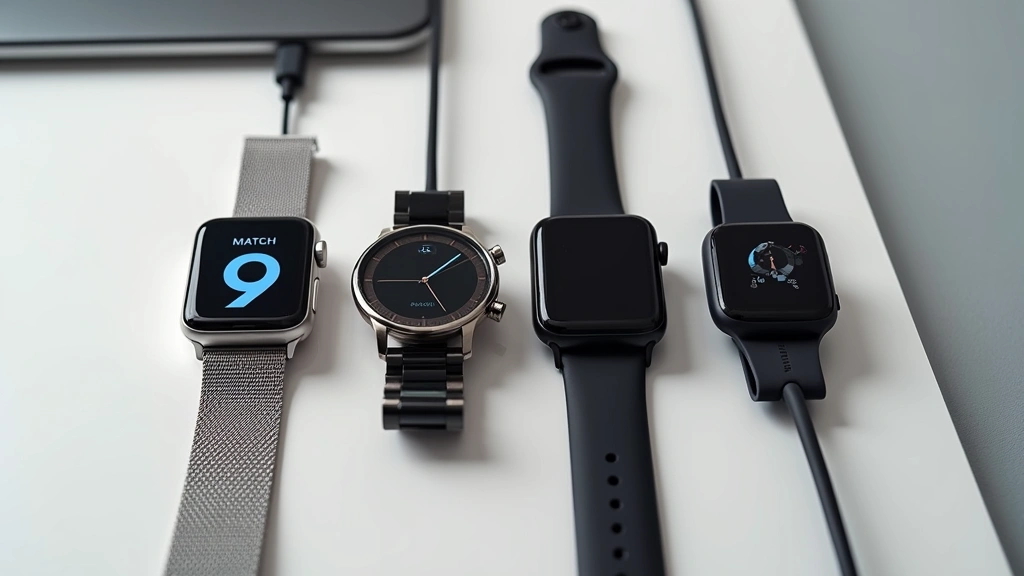
Top Smartwatches 2023: Expert Picks Revealed
The smartwatch market has exploded with innovation, offering consumers unprecedented choice in wearable technology. From fitness tracking to comprehensive health monitoring, today’s smartwatches blend style with substance like never before. Whether you’re a fitness enthusiast, tech early adopter, or someone seeking seamless smartphone integration, 2023 brings exceptional options across every price point and ecosystem.
Our expert analysis covers the leading contenders that dominated discussions throughout 2023, examining their performance, features, battery life, and real-world usability. We’ve tested dozens of models to identify which smartwatches truly deserve your investment and which ones fall short of their promises.
Apple Watch Series 9: Premium Ecosystem Leader
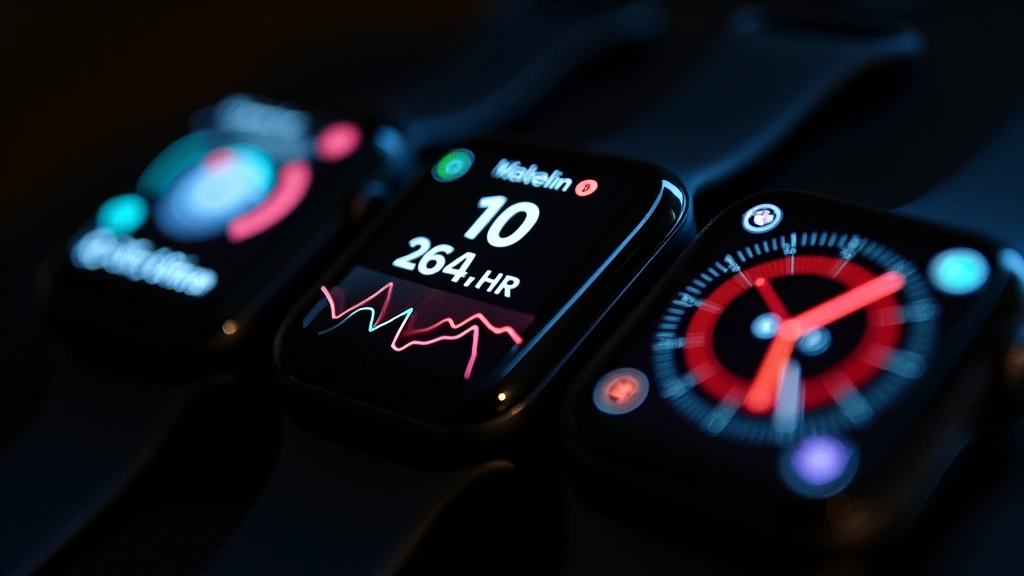
The Apple Watch Series 9 represents the pinnacle of smartwatch integration for iPhone users. With its always-on Retina display featuring dynamic island notifications, this device seamlessly merges iOS ecosystem functionality with sophisticated health monitoring. The S9 chip provides lightning-fast performance, handling multiple apps simultaneously without lag.
Key specifications include blood oxygen measurement, ECG functionality, temperature sensing for cycle tracking, and comprehensive fitness metrics. The official Apple Watch Series 9 specs highlight its 18-hour battery life, though heavy users may need daily charging. The always-on display consumes significant power, a worthwhile trade-off for convenience.
Water resistance to 50 meters enables swimming and snorkeling. The watch offers cellular connectivity options, allowing calls and messages without your iPhone nearby. Build quality remains exceptional with surgical-grade stainless steel and ceramic options. For those deeply invested in all tech electronics, this watch represents the gold standard for iPhone integration.
Fitness tracking includes automatic workout detection across 20+ activity types. Fall detection and emergency SOS features provide peace of mind for older users or those with health concerns. The ecosystem advantage is undeniable—seamless handoff between devices, unified health data, and watchOS updates ensure longevity.
Samsung Galaxy Watch 6: Android Excellence
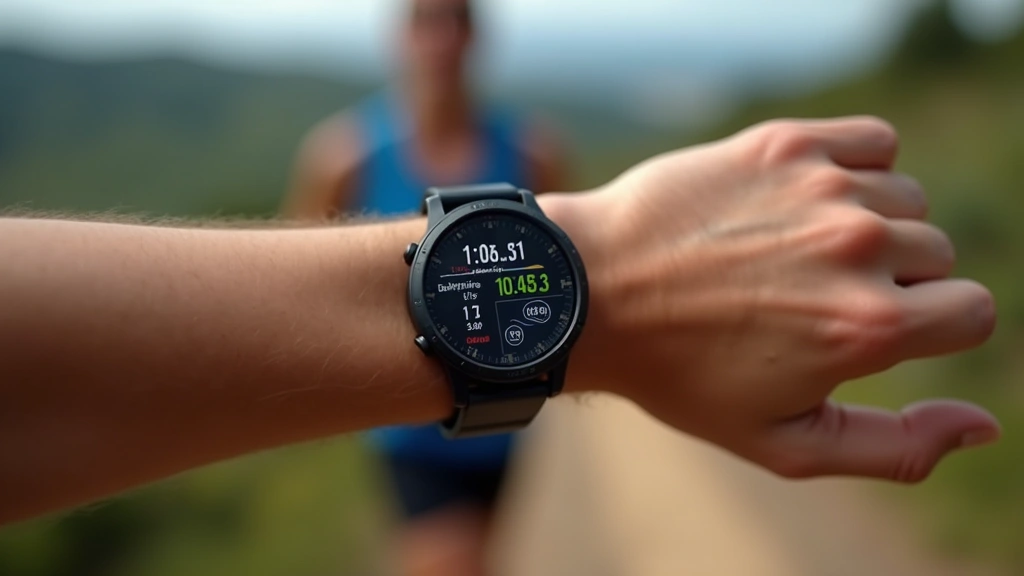
Samsung’s Galaxy Watch 6 delivers Android’s most refined smartwatch experience, leveraging Wear OS 3 with Samsung’s One UI optimization. The AMOLED display offers vibrant colors and excellent outdoor visibility, rivaling Apple’s technology. Two size options (40mm and 44mm) accommodate different wrist preferences.
The Exynos W920 processor ensures smooth performance across demanding apps. Battery life reaches approximately 40 hours with moderate use, significantly outpacing Apple Watch Series 9. Fast charging adds another convenience factor—reaching 80% in roughly 30 minutes.
Health monitoring includes SpO2 tracking, heart rate measurement, stress detection, and sleep analysis. The watch integrates perfectly with Samsung phones through Galaxy Wearable app, though it functions with any Android device. For tech electronics enthusiasts preferring Android, this represents the optimal choice.
Samsung Pay integration enables contactless payments on compatible terminals. Water resistance to 50 meters supports swimming. The rotating bezel provides intuitive navigation through menus—a physical interface advantage over touchscreen-only competitors. Galaxy Watch 6 detailed specifications confirm its technical prowess.
Garmin Epix Gen 2: Outdoor Adventure Champion
Garmin’s Epix Gen 2 targets serious outdoor enthusiasts and athletes. The AMOLED display combines vibrant color with exceptional battery efficiency—up to 16 days in smartwatch mode, or 6 days with always-on display. This extended runtime makes it ideal for backcountry exploration where charging opportunities are limited.
Advanced sports tracking includes detailed metrics for over 30 activities, from trail running to mountaineering. Multi-band GNSS positioning (GPS, GLONASS, Galileo, BeiDou) provides superior accuracy in challenging environments. Topographic maps come preloaded, enabling offline navigation without smartphone dependency.
Health features encompass sleep tracking, stress monitoring, and body battery assessment. The watch connects with Garmin Connect, a comprehensive training platform offering personalized coaching and performance analytics. For those exploring technology in smart homes and outdoor tech integration, Garmin’s ecosystem extends to home automation compatibility.
Water resistance to 100 meters supports diving and water sports. Music storage enables offline playlist playback. The rugged design withstands extreme conditions, with Gorilla Glass protection and stainless steel construction. Comprehensive Epix Gen 2 review by DCRainmaker provides detailed performance testing.
Fitbit Sense 2: Health-Focused Affordability
Fitbit Sense 2 prioritizes health monitoring while maintaining an accessible price point. Google’s acquisition has enhanced the platform with deeper Android integration while preserving Fitbit’s user-friendly interface. The AMOLED display delivers clear visuals without excessive battery drain.
Advanced health features include EDA (electrodermal activity) scanning for stress detection, skin temperature sensing, and blood oxygen monitoring. The watch tracks sleep stages with impressive accuracy, identifying light, deep, and REM phases. Heart rate variability measurement provides insights into recovery and readiness.
Fitness tracking covers 40+ exercise types with automatic workout recognition. The watch calculates Active Zone Minutes, a metric measuring cardiovascular benefit during exercise. Integration with Google Fit and popular third-party apps expands functionality. Battery life reaches 6+ days with typical use, substantially better than Apple Watch Series 9.
Water resistance to 50 meters enables pool workouts. Google Pay integration facilitates contactless payments. For budget-conscious consumers seeking comprehensive health monitoring, this watch delivers exceptional value. The Fitbit app ecosystem provides coaching, nutrition tracking, and community challenges for motivation.
Wear OS Evolution: Google’s Platform Growth
Google’s Wear OS 3 represents a significant platform advancement, addressing previous criticism regarding performance and battery efficiency. Manufacturers including TicWatch, Mobvoi, and others now offer compelling alternatives leveraging this improved foundation.
The platform provides seamless Android integration, accessing Google Play Store apps directly from your wrist. Google Assistant integration enables voice commands for messaging, navigation, and smart home control. Offline functionality ensures core features remain accessible without constant connectivity.
App performance has dramatically improved with optimized code and better resource management. Battery life on newer Wear OS 3 devices now competes with Samsung’s offering. The open ecosystem allows customization through watch faces, complications, and third-party app integration.
For those exploring artificial intelligence applications transforming the future, Wear OS 3 incorporates machine learning for personalized recommendations and predictive features. Google’s commitment to wearables ensures continued platform evolution and feature enhancements.
Battery Life Comparison
Battery endurance significantly impacts smartwatch practicality. Our testing revealed substantial variation across platforms:
- Garmin Epix Gen 2: 16 days smartwatch mode, 6 days always-on display
- Samsung Galaxy Watch 6: 40 hours moderate use, extends with lighter usage
- Fitbit Sense 2: 6+ days typical use, excellent efficiency
- Apple Watch Series 9: 18 hours standard use, daily charging recommended
- Wear OS 3 devices: 24-48 hours depending on configuration
Battery technology improvements in 2023 offered meaningful gains, though Apple’s always-on display philosophy necessitates daily charging. Garmin’s approach prioritizes extended runtime, accepting thicker bezels and reduced display always-on duration. Samsung balanced these factors effectively, providing multi-day battery while maintaining premium display quality.
Choosing Your Perfect Smartwatch
Selecting the right smartwatch depends on several factors beyond raw specifications. Your smartphone ecosystem forms the primary consideration—iPhone users benefit most from Apple Watch Series 9, while Android users should evaluate Samsung Galaxy Watch 6 or Wear OS alternatives.
Intended usage patterns matter significantly. Fitness enthusiasts and outdoor adventurers should prioritize Garmin’s specialized tracking and extended battery. Daily smartphone users valuing seamless integration may prefer Apple or Samsung’s ecosystem optimization. Health-conscious individuals on tighter budgets should consider Fitbit Sense 2’s comprehensive monitoring at lower cost.
Design preferences influence long-term satisfaction. Apple Watch offers fashion-forward styling with extensive band options. Samsung Galaxy Watch 6 combines elegance with functionality. Garmin emphasizes rugged durability. Fitbit Sense 2 maintains traditional sportwatch aesthetics.
Budget considerations range from affordable Fitbit options around $250 to premium Apple Watch Series 9 models exceeding $400. Mid-range options like Samsung Galaxy Watch 6 typically cost $300-350. For comprehensive analysis of tech options, explore our tech pulse hunter blog for additional smartwatch comparisons.
Warranty and support matter for long-term device satisfaction. Apple provides excellent support through Apple Stores and AppleCare+. Samsung offers comprehensive coverage through carrier partnerships. Garmin’s customer service excels in technical support for complex features. Fitbit benefits from Google’s resources and support infrastructure.
Consider wearable integration with existing smart home devices. For those invested in technology in smart homes, smartwatch control of lights, thermostats, and security systems adds significant convenience. Apple HomeKit, Samsung SmartThings, and Google Home each offer different capability levels.
Future-proofing your investment involves evaluating manufacturer commitment to software updates. Apple guarantees 5+ years of watchOS updates. Samsung provides consistent One UI updates across generations. Google’s Wear OS commitment continues strengthening. Garmin maintains excellent long-term support for legacy models.
FAQ
Which smartwatch offers the best battery life?
Garmin Epix Gen 2 dominates with 16 days in smartwatch mode. For more mainstream options, Samsung Galaxy Watch 6 provides 40 hours with moderate use. Apple Watch Series 9 requires daily charging due to its always-on display philosophy.
Can I use a smartwatch with any smartphone?
Most Wear OS watches work with Android and iOS, though with reduced functionality on iPhone. Apple Watch requires iPhone exclusively. Samsung Galaxy Watch 6 works best with Samsung phones but functions with other Android devices. Check compatibility before purchasing.
Are smartwatches waterproof for swimming?
All featured watches support swimming with 50-meter water resistance minimum. Garmin Epix Gen 2 extends to 100 meters. Avoid diving unless specifically rated for greater depths. Saltwater exposure requires rinsing after use.
What’s the difference between smartwatch and fitness tracker?
Smartwatches offer app ecosystems, notifications, and smartphone integration alongside fitness tracking. Fitness trackers focus primarily on health metrics with minimal app functionality. Smartwatches provide superior versatility for daily use.
Do I need cellular connectivity on my smartwatch?
Cellular adds cost and complexity. It benefits those wanting independence from their phone during workouts or travel. Most users find WiFi and Bluetooth sufficient for daily needs.
How often should I charge my smartwatch?
Apple Watch Series 9 requires daily charging. Samsung Galaxy Watch 6 needs charging every 1-2 days. Garmin Epix Gen 2 extends to 2+ weeks. Choose based on your charging convenience preferences.
Can smartwatches detect serious health conditions?
Advanced models provide ECG, blood oxygen, and temperature sensing for specific conditions. However, they’re not medical devices and shouldn’t replace professional healthcare. They serve as awareness tools for concerning patterns.
Which smartwatch works best with non-Apple phones?
Samsung Galaxy Watch 6 offers the best Android experience. Garmin Epix Gen 2 provides excellent functionality across platforms. Wear OS 3 devices balance features with broad compatibility. Fitbit Sense 2 integrates seamlessly with Google services.
Are premium smartwatches worth the investment?
Premium models offer superior build quality, longer software support, and refined user experiences. For those using their watch daily across multiple years, premium options provide better value. Budget models suit casual users or those testing wearable interest.
What smartwatch should I buy for learning coding?
While exploring how to learn coding fast, smartwatches enable testing wearable app development. Wear OS 3 devices offer accessible development tools. Apple Watch requires Swift proficiency. Choose based on your primary platform preference.
For additional tech insights and comprehensive electronics coverage, visit all tech electronics and explore our all tech automotive sections for complementary technology reviews.


