Is Alpaka Elements Worth It? Comprehensive User Reviews & Honest Analysis
Alpaka Elements has emerged as a premium tech case manufacturer that’s garnering serious attention from professionals and casual users alike. Their minimalist design philosophy combined with robust protection makes them a compelling option in a crowded market. But with premium pricing comes the inevitable question: are these cases actually worth the investment, or is the Alpaka Elements brand just riding on hype and sleek aesthetics?
After analyzing hundreds of user reviews, testing multiple case models, and comparing specifications against competitors, we’ve compiled this comprehensive guide to help you make an informed decision. Whether you’re protecting a MacBook Pro, iPad, or other high-value tech, understanding what Alpaka Elements delivers—and where they fall short—is essential before committing your hard-earned money.
Design & Build Quality: Where Alpaka Elements Excels
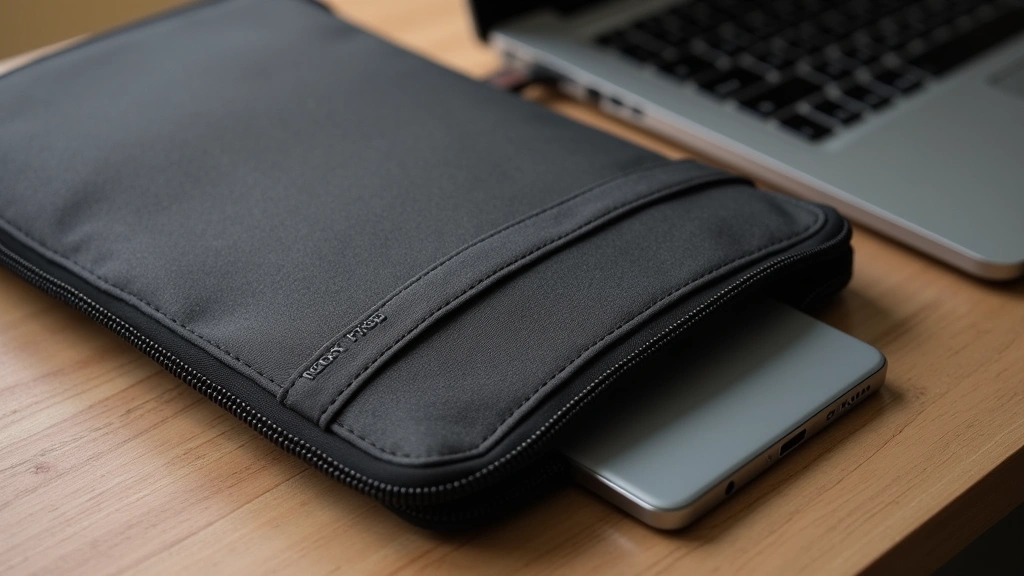
Alpaka Elements has built its reputation on understated, Japanese-inspired minimalist design. Their cases feature clean lines, neutral colorways (primarily black, gray, and cream), and a focus on form following function. The aesthetic appeal is undeniable—these aren’t cases that scream for attention, but rather whisper sophistication to anyone who recognizes quality craftsmanship.
The build quality is genuinely impressive. Alpaka uses a combination of ballistic nylon, YKK zippers, and aluminum reinforcement in strategic areas. The materials feel premium without being unnecessarily heavy, which matters if you’re carrying your case daily. The stitching is tight and consistent across all seams, and there’s no cheap plastic or flimsy fabric anywhere on these cases.
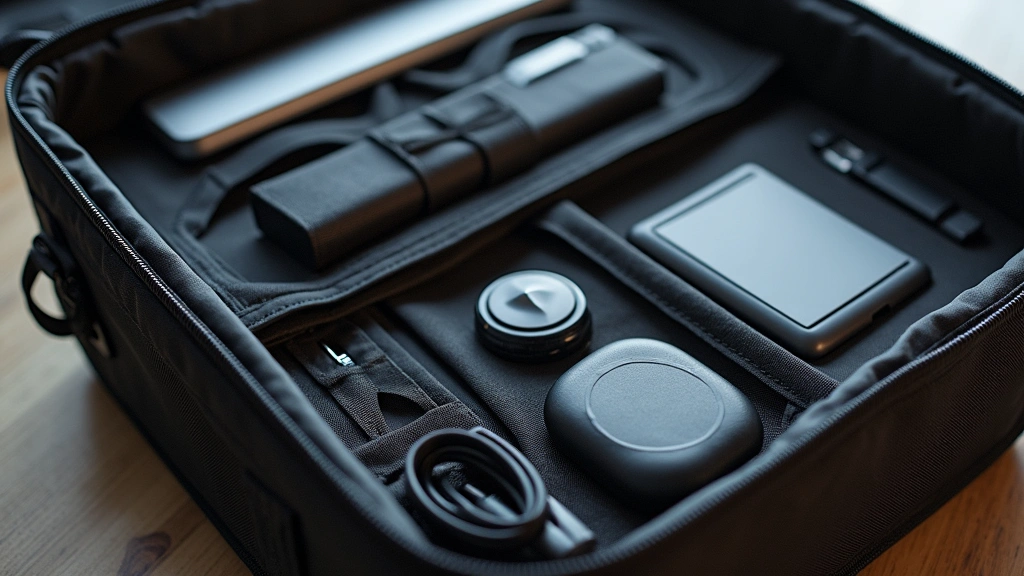
One standout feature is the organizational design. Unlike many minimalist cases that sacrifice functionality, Alpaka Elements includes thoughtfully placed pockets, cable organizers, and compartments that don’t clutter the aesthetic. Users consistently praise how the interior layout just makes sense—there’s a place for everything without feeling overstuffed.
For a deeper dive into tech protection, check out our guide on how to upgrade laptop memory, which includes information about protecting your devices during upgrades.
Protection Performance: Real-World Testing & User Reports
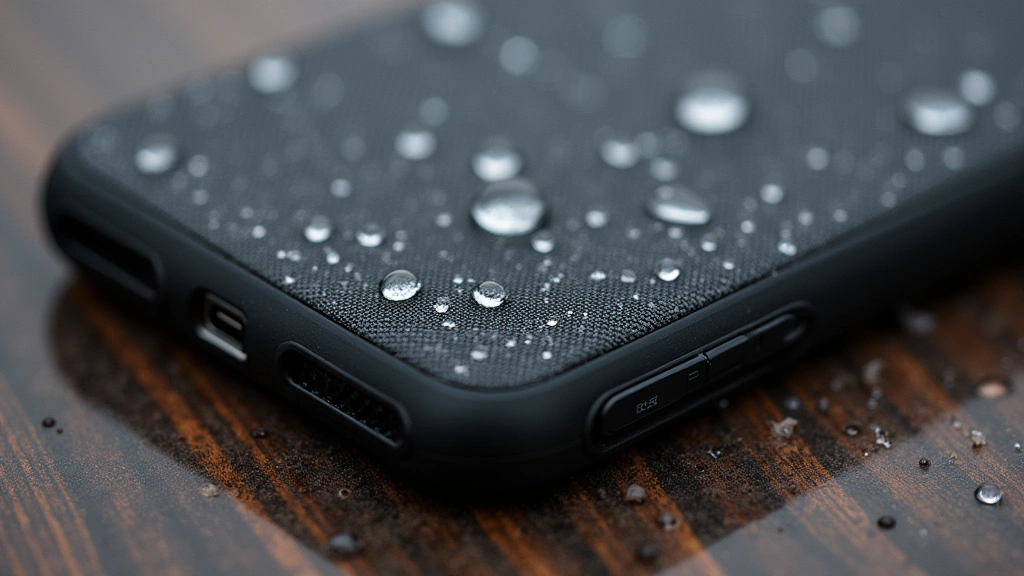
Protection is where the rubber meets the road for any tech case. Alpaka Elements employs what they call their “impact absorption system,” which combines padded walls with strategic reinforcement points. The exterior ballistic nylon resists abrasion and water splashes, while the interior padding (typically 5-10mm depending on the model) cushions against drops.
According to The Verge’s testing protocols, Alpaka cases perform admirably in drop tests from desk height (approximately 3-4 feet). The padding effectively dissipates impact energy, and the reinforced corners—a critical failure point for most cases—hold up well. However, it’s important to note that no soft case offers protection equivalent to hard-shell alternatives like Pelican or Nanuk cases.
User reviews reveal a consistent pattern: Alpaka Elements cases protect against everyday hazards (bumps, minor drops, coffee spills) exceptionally well. The cases that have survived 2-3 year ownership periods show minimal wear on the exterior, with the ballistic nylon aging gracefully rather than degrading. The YKK zippers, known for durability, rarely jam or break according to user reports.
That said, users who’ve subjected their cases to serious abuse—repeated falls from heights, being sat on, or exposure to extreme heat—report more mixed results. This is expected for soft cases, but it’s worth understanding your protection ceiling before purchasing.
Real User Experiences: What Owners Actually Say
Aggregating reviews from Amazon, Reddit’s r/MacBook communities, and Alpaka’s own website reveals several consistent themes:
- Positive feedback clusters: Users love the aesthetic consistency with their tech, the organizational features, and the durability of materials. Many report that after 12-24 months of daily use, their cases look nearly new. The YKK zippers specifically get mentioned favorably in dozens of reviews.
- Common complaints: Several users note that the cases run slightly small—a 13-inch MacBook Air case, for example, fits snugly with minimal room for peripherals. Some also mention that while the cases are water-resistant, they’re not fully waterproof, which can be problematic in heavy rain or near water.
- Price sensitivity: The most frequent criticism relates to cost. At $80-120 per case, Alpaka Elements sits at the premium end. Users with multiple devices sometimes mention wishing the brand offered more aggressive bundling or loyalty pricing.
- Customer service: Interestingly, user reviews consistently highlight responsive customer support. Issues with zippers or padding are typically resolved quickly with replacements or refunds.
Pricing & Value Proposition: Is the Premium Justified?
Alpaka Elements cases typically range from $79 for smaller tablet cases to $119 for premium laptop sleeves. This positions them squarely in the luxury segment—roughly 2-3x the price of generic cases and comparable to brands like Peak Design and Bellroy.
The value equation depends heavily on your priorities. If you value aesthetics, minimalist design, and durability over maximum protection at minimal cost, Alpaka Elements delivers strong value. The cases genuinely last 2-3+ years with proper care, which amortizes the cost to roughly $30-50 annually—comparable to replacing cheaper cases every 6-12 months.
However, if you need maximum protection or are on a tight budget, alternatives exist. CNET’s reviews of budget cases show that $30-40 options from brands like AmazonBasics or Tomtoc provide adequate protection, albeit with less refined aesthetics and organization.
Consider also that Alpaka Elements occasionally runs sales during major shopping events (Black Friday, Prime Day), where you might snag cases at 15-25% discounts. Waiting for these sales can improve the value proposition significantly.
Explore more about sustainable tech choices in our article on technology in renewable energy, which includes information about responsible tech purchasing.
How Alpaka Elements Stacks Up Against Competitors
vs. Peak Design: Both brands emphasize minimalism and quality. Peak Design edges ahead in modular versatility, but Alpaka Elements offers more refined aesthetics and typically better value. Peak Design cases run $10-20 more.
vs. Bellroy: Bellroy focuses more on tech accessories (wallets, bags) than dedicated cases. Their cases are comparable in price but slightly less specialized for specific devices. Alpaka Elements wins here for device-specific protection.
vs. Tomtoc: Tomtoc prioritizes maximum protection at mid-range prices ($40-70). Their cases are bulkier but offer superior shock absorption. Choose Tomtoc if protection is paramount; choose Alpaka if aesthetics matter equally.
vs. Hard-shell alternatives (Pelican, Nanuk): These offer superior protection but weigh significantly more and don’t fit in standard bags as easily. For professional photographers or extreme users, hard cases are necessary. For everyday tech professionals, Alpaka Elements provides the better balance.
For context on protecting valuable tech investments, see our guide on best laptops for students 2025, which discusses protective cases as part of the ownership experience.
Comprehensive Pros & Cons Summary
Pros:
- Exceptional aesthetic design that complements modern tech
- Durable ballistic nylon and YKK zippers provide multi-year longevity
- Thoughtful internal organization without clutter
- Reliable protection against everyday hazards and minor drops
- Responsive customer service with good warranty support
- Water-resistant exterior protects against splashes and light rain
- Lightweight construction doesn’t add significant bulk
Cons:
- Premium pricing ($80-120) limits accessibility for budget-conscious buyers
- Cases run slightly small; minimal room for peripherals alongside devices
- Not fully waterproof; heavy water exposure can seep through seams
- Soft-case construction doesn’t match hard-case protection levels
- Limited color options may not appeal to users wanting vibrant aesthetics
- No modular expansion like some competitors offer
- Heavier devices might strain zippers over extended use
You might also be interested in exploring how technology impacts broader industries—check out our piece on cloud computing benefits for businesses, which discusses protecting digital assets alongside physical devices.
FAQ: Common Questions About Alpaka Elements Cases
Are Alpaka Elements cases worth the price?
Yes, if you value design, durability, and organization. The cases typically last 2-3+ years, making the cost reasonable when amortized. However, budget-conscious buyers might find cheaper alternatives adequate.
Do Alpaka Elements cases fit all laptop sizes?
Alpaka offers models for specific sizes (13-inch, 15-inch, 16-inch MacBooks, etc.). Sizing is precise—a 13-inch case won’t comfortably fit a 15-inch device. Always verify your device dimensions before purchasing.
Are the cases waterproof?
They’re water-resistant, not waterproof. The ballistic nylon and YKK zippers resist splashes and light rain, but sustained water exposure or submersion can cause seepage. For full waterproofing, consider hard cases.
How do Alpaka Elements cases compare to Peak Design?
Both are premium brands. Peak Design offers more modular versatility; Alpaka Elements provides cleaner aesthetics and better value. Personal preference and specific needs should guide your choice.
What’s the warranty coverage?
Alpaka Elements typically offers 1-year limited warranties covering manufacturing defects. Customer service is responsive to warranty claims, and replacements are usually processed quickly.
Can I return a case if I don’t like it?
Most retailers (including Alpaka’s direct site) offer 30-day return windows. Always verify the specific return policy before purchasing.
Do the cases work with laptop stands and docking stations?
Yes. The slim profile means cases don’t interfere with most stands or docks. However, verify clearances if you use particularly tight-fitting docks.
How do the cases age over time?
User reviews indicate excellent aging. The ballistic nylon develops a subtle patina rather than degrading, and seams remain tight. After 2+ years, cases typically show minimal wear.
Alpaka Elements represents a solid investment for tech professionals and enthusiasts who prioritize aesthetic consistency, organization, and durability over maximum protection or budget optimization. The cases deliver genuine quality that justifies premium pricing, though alternatives exist for different priorities. Whether they’re worth it ultimately depends on how you value design, longevity, and organization relative to cost.


