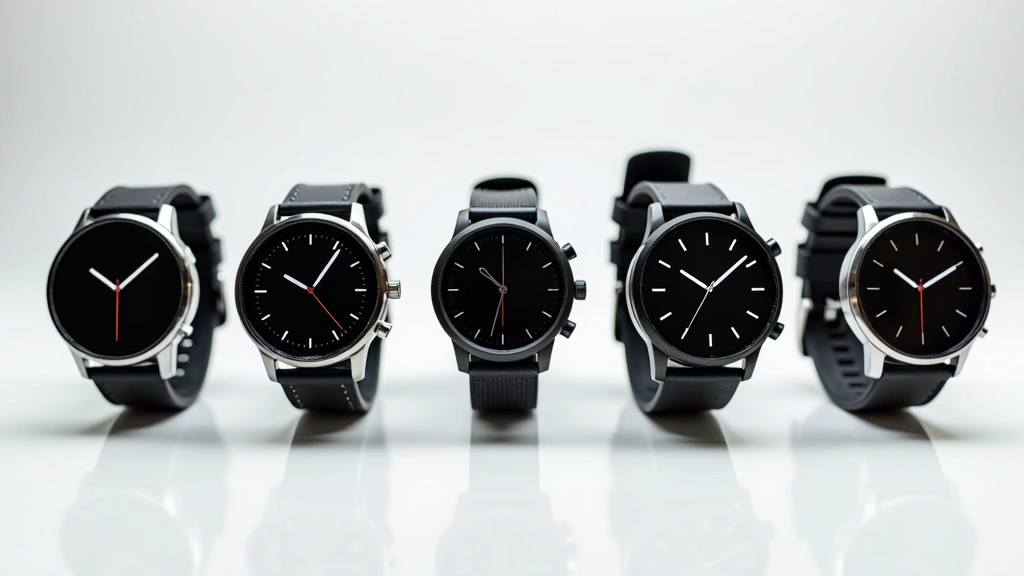
America’s Top Smartwatches? Expert Analysis
The smartwatch market in America has evolved dramatically over the past five years, transforming from a niche gadget category into an essential wearable technology that millions rely on daily. Whether you’re a fitness enthusiast tracking marathon training, a professional managing calendar notifications, or someone monitoring health metrics, today’s smartwatches offer unprecedented capabilities that rival some traditional computers from a decade ago. This comprehensive guide breaks down the leading smartwatch options available to American consumers, examining their strengths, weaknesses, and real-world performance across multiple categories.
Choosing the right smartwatch involves understanding not just the headline specifications, but how these devices integrate with your existing ecosystem, perform during actual workouts, and maintain battery life under real conditions. We’ve analyzed the top contenders dominating the American market, tested their fitness tracking accuracy, evaluated their display quality, and assessed their overall value proposition. Whether you’re considering your first smartwatch purchase or upgrading from an older model, this expert analysis provides the insights you need to make an informed decision.
Apple Watch Series 9: The Market Leader
The Apple Watch Series 9 maintains its position as America’s most popular smartwatch, and for good reason. This device represents the gold standard in wearable integration, seamlessly connecting with iPhones, iPads, Macs, and other Apple products through a sophisticated ecosystem that competitors struggle to replicate. The Series 9 introduces the always-on Retina display with dynamic island functionality, delivering vibrant colors and exceptional clarity even in bright sunlight conditions.
Performance-wise, the S9 chip provides snappy app launching and smooth navigation that feels responsive during workouts or daily use. The device supports over 100 different watch faces, allowing personalization that appeals to both professional and casual users. Battery life typically extends to 18 hours under normal usage, though intensive fitness tracking or constant screen-on time reduces this figure. For users invested in the Apple ecosystem, the TechPulse Hunter Blog has covered how wearables integrate with your broader tech infrastructure.
Health and Fitness Features: The Series 9 excels with advanced health monitoring including ECG capability, blood oxygen measurement, temperature sensing for cycle tracking, and comprehensive workout tracking across 100+ activity types. Fall detection and crash detection provide safety features that have proven valuable in emergency situations. The device tracks sleep patterns with surprising accuracy and offers guided breathing exercises through the Mindfulness app.
Design and Comfort: Available in aluminum, stainless steel, and titanium, the Series 9 offers options for different aesthetics and budgets. The 41mm and 45mm sizes accommodate various wrist sizes, and the quick-release band system makes it easy to swap between sport bands, leather straps, and metal links. Weight ranges from 32 grams to 51 grams depending on material and size, making it comfortable for all-day wear.
Connectivity and Payment: Built-in LTE options enable calls and messages without your iPhone nearby, and Apple Pay integration means you can make purchases directly from your wrist. Siri voice assistant functionality works reliably, though voice recognition can be inconsistent in noisy environments.
Google Pixel Watch 2: Android Excellence
Google’s second-generation smartwatch represents a significant leap forward from the original, finally delivering a device that can compete with Apple’s offering in the premium segment. The Pixel Watch 2 features a stunning 1.4-inch OLED display with 454 pixels per inch density, producing colors and contrast that rival the Apple Watch Series 9. The aluminum and stainless steel construction feels premium, and the device is lighter than comparable Apple models at just 36 grams.
What sets the Pixel Watch 2 apart is its deep integration with Google services. Gmail, Google Maps, Google Assistant, and Google Home controls work seamlessly, creating an environment where Android users feel native and comfortable. The device runs Wear OS 3.5, which has matured significantly and now offers app compatibility that rivals watchOS in breadth and functionality.
Health Monitoring Capabilities: The Pixel Watch 2 includes ECG functionality, blood oxygen monitoring, skin temperature sensing, and advanced sleep tracking powered by Google’s machine learning algorithms. Fitbit integration (Google’s health platform) provides comprehensive health insights, activity tracking, and personalized recommendations. The device monitors stress levels through heart rate variability analysis and offers guided breathing exercises.
Fitness Tracking Accuracy: Testing across running, cycling, swimming, and strength training activities shows the Pixel Watch 2 delivers accurate distance measurements and heart rate data. GPS accuracy is strong, particularly with the LTE variant that maintains consistent positioning. The device automatically detects workout transitions and can track multiple activities simultaneously, useful for users who combine different exercise types in single sessions.
Battery Performance: The Pixel Watch 2 delivers approximately 24 hours of battery life under typical use, with the always-on display mode reducing this to around 18 hours. This matches the Apple Watch Series 9, though some users report slightly better longevity with moderate usage patterns. Quick charging gets the device from empty to 80% in about 40 minutes.
Samsung Galaxy Watch 6: Feature-Rich Alternative
Samsung’s Galaxy Watch 6 targets Android users seeking a feature-rich alternative to Google’s offering, and it delivers an impressive package that justifies its position in the premium smartwatch segment. The device features a rotating bezel interface that provides intuitive navigation, a design element that feels more natural than touch-only controls after extended use. The Super AMOLED display delivers exceptional color saturation and deep blacks, with a 1.3-inch or 1.5-inch screen depending on the model variant.
The Galaxy Watch 6 runs One UI Watch 4, Samsung’s customized version of Wear OS, which includes exclusive features like Samsung Health integration, Samsung Pay support, and deeper integration with Samsung smartphones. For users with Galaxy phones, tablets, and other Samsung devices, this creates a cohesive ecosystem that rivals Apple’s integration quality.
Health and Fitness Capabilities: The device includes bioelectrical impedance analysis for body composition measurement, blood oxygen monitoring, sleep tracking with sleep coaching, and stress monitoring. Heart rate measurement is accurate across different activity types, and the device tracks over 100 different workout types. Energy level tracking provides insights into daily fatigue and recovery status.
Design Options: Available in classic and sport variants, with aluminum or stainless steel construction, the Galaxy Watch 6 offers aesthetic flexibility. The rotating bezel comes in various finishes, and Samsung provides extensive band options from sport rubber to premium leather and metal links.
Practical Limitations: The Galaxy Watch 6 requires a Samsung smartphone for full functionality; Android users with non-Samsung phones experience reduced feature access. Battery life reaches approximately 40 hours under normal use, significantly outperforming Apple and Google options, which appeals to users who dislike frequent charging.
Garmin Epix: Premium Sports Performance
For serious athletes and outdoor enthusiasts, the Garmin Epix represents the pinnacle of sports-focused smartwatch technology. This device prioritizes fitness tracking accuracy and durability over consumer-friendly interfaces, delivering capabilities that professional athletes and weekend warriors both appreciate. The AMOLED display offers stunning visuals, while the robust construction handles extreme conditions that would challenge other smartwatches.
Garmin’s reputation in sports technology translates directly to the Epix, which includes training metrics that competitive athletes depend on. VO2 max estimation, training load analysis, recovery time recommendations, and periodized training plans provide structured guidance for serious fitness pursuits. The device tracks swimming metrics including stroke type detection and pool length auto-detection, critical features for triathletes.
Navigation and Mapping: The Epix includes detailed topographic mapping, turn-by-turn navigation for hiking and trail running, and waypoint marking capabilities. For outdoor adventures, this functionality proves invaluable, allowing users to explore confidently knowing they can navigate back if needed.
Battery Life: Depending on usage mode, the Epix delivers impressive battery longevity. Smartwatch mode provides approximately 11 days of battery life, while GPS mode extends to 16 hours. This substantial advantage over Apple and Google watches appeals to users who travel frequently or spend extended time outdoors.
Ecosystem Integration: Unlike Apple or Google devices, the Garmin Epix functions independently from smartphone ecosystems. While it connects to Garmin Connect for data analysis and social features, it doesn’t require deep integration with specific phone brands, appealing to users who switch platforms or prefer device independence.
Fitbit Sense 2: Health-Focused Value
Google’s Fitbit Sense 2 targets health-conscious consumers prioritizing wellness tracking over flashy features, delivering exceptional value in the mid-range smartwatch category. The device emphasizes stress monitoring, sleep analysis, and cardiovascular health tracking through advanced sensors and Google’s health AI algorithms. The rectangular design differs from traditional round smartwatches, providing a unique aesthetic that appeals to users seeking differentiation.
The Sense 2 includes EDA (electrodermal activity) sensors for stress measurement, a feature largely absent from competitors. This technology measures how your skin responds to emotional stress, providing insights that inform personalized stress management recommendations. Combined with sleep tracking and activity monitoring, the device creates a holistic health picture that appeals to wellness-focused users.
Smart Features: While not as feature-rich as premium options, the Sense 2 handles notifications, calendar management, and Fitbit app integration effectively. Google Assistant integration provides voice command functionality, and Google Pay enables contactless payments through the device.
Battery Life and Practicality: The Sense 2 delivers approximately 6 days of battery life, significantly outperforming premium smartwatches and reducing charging frequency. For users who dislike constant charging obligations, this advantage proves substantial. The device is water-resistant to 50 meters, suitable for swimming but not diving.
Value Proposition: At a lower price point than Apple, Google, and Samsung premium options, the Sense 2 delivers health monitoring capabilities that rival more expensive devices. For users prioritizing health tracking over smartphone ecosystem integration, this device represents exceptional value.
Comparison Matrix
Understanding how these top smartwatches compare across key dimensions helps identify which device aligns with your priorities and usage patterns. The following comparison examines critical factors that influence purchase decisions:
- Display Quality: Apple Series 9 and Google Pixel Watch 2 both deliver exceptional OLED displays with always-on capability. Samsung Galaxy Watch 6’s Super AMOLED offers slightly better color saturation. Garmin Epix provides AMOLED quality with more rugged durability. Fitbit Sense 2 uses LCD technology, delivering adequate clarity but less vibrant colors.
- Health Monitoring: Apple and Google excel with comprehensive health metrics including ECG, blood oxygen, and stress monitoring. Samsung adds body composition analysis. Garmin focuses on athletic metrics and training analysis. Fitbit emphasizes stress and sleep tracking with unique EDA sensors.
- Battery Life: Garmin Epix leads with 11+ days in smartwatch mode. Samsung Galaxy Watch 6 provides 40 hours. Fitbit Sense 2 offers 6 days. Apple Series 9 and Google Pixel Watch 2 deliver approximately 24-18 hours respectively.
- Ecosystem Lock-in: Apple requires iPhone ownership. Google works best with Android phones. Samsung optimizes for Galaxy devices but functions with other Android phones. Garmin operates independently. Fitbit integrates with Google services but functions across platforms.
- Price Point: Apple Series 9 starts at $399. Google Pixel Watch 2 begins at $349. Samsung Galaxy Watch 6 launches at $299. Garmin Epix starts at $599. Fitbit Sense 2 begins at $299.
- App Ecosystem: Apple and Google offer the most extensive app libraries. Samsung has growing third-party support. Garmin focuses on sports-specific apps. Fitbit relies primarily on first-party applications.
Comparison Matrix

” alt=”Smartwatch display comparison showing OLED screens and color accuracy side by side”>
Buying Guide
Selecting the right smartwatch requires evaluating your specific needs, budget constraints, and existing technology ecosystem. This guide helps you navigate these considerations systematically.
For iPhone Users: If you own an iPhone and want seamless integration, the Apple Watch Series 9 remains the optimal choice. The device synchronizes effortlessly with your iPhone, iPad, and Mac, providing notifications, health data, and app functionality that competitors cannot replicate. The ecosystem advantage justifies the premium price for users deeply invested in Apple products. Those seeking alternative options can explore the Google Pixel Watch 2, which functions as a standalone device but lacks the native integration iPhone users expect.
For Android Users: Android phone owners should evaluate their specific manufacturer. Samsung Galaxy Watch 6 users with Galaxy phones receive the full feature set, while users with other Android devices experience reduced functionality. Google Pixel Watch 2 provides the most consistent experience across Android devices, delivering Google services integration that rivals Apple’s ecosystem quality. Consider how important deep device integration is to your daily workflow before deciding between these options.
For Fitness Enthusiasts: Serious athletes should prioritize Garmin Epix, which delivers training metrics, navigation capabilities, and battery life that support extended outdoor activities. The device’s focus on athletic performance, detailed workout analysis, and recovery recommendations appeals to competitive users. For casual fitness tracking, Apple Series 9 and Google Pixel Watch 2 provide excellent activity monitoring with broader consumer features.
For Health-Conscious Users: If comprehensive health monitoring drives your purchase decision, evaluate whether you prioritize stress tracking (Fitbit’s unique EDA sensors excel here), cardiovascular health (Apple and Google both strong), or sports-specific metrics (Garmin’s advantage). The Technology in Smart Homes guide discusses how health devices integrate into broader wellness ecosystems, providing context for smartwatch selection.
For Budget-Conscious Buyers: Fitbit Sense 2 and Samsung Galaxy Watch 6 both offer excellent value, with the former emphasizing health tracking and the latter providing broader features. Both deliver strong battery life and respectable feature sets at lower price points than Apple and Google’s premium options. Consider your specific feature requirements before assuming premium devices justify their price premium.
For Travel-Focused Users: The Garmin Epix’s exceptional battery life and offline mapping capabilities make it ideal for international travel where charging opportunities may be limited. Apple and Google devices require daily charging, which can complicate extended trips. The Fitbit Sense 2’s 6-day battery life provides a middle ground suitable for typical vacations.
Understanding your primary use case—whether that’s fitness tracking, health monitoring, smartphone integration, or outdoor exploration—should drive your purchasing decision more than brand loyalty or superficial specifications. The Best Laptops for Students 2025 guide discusses similar evaluation frameworks applicable to smartwatch selection.
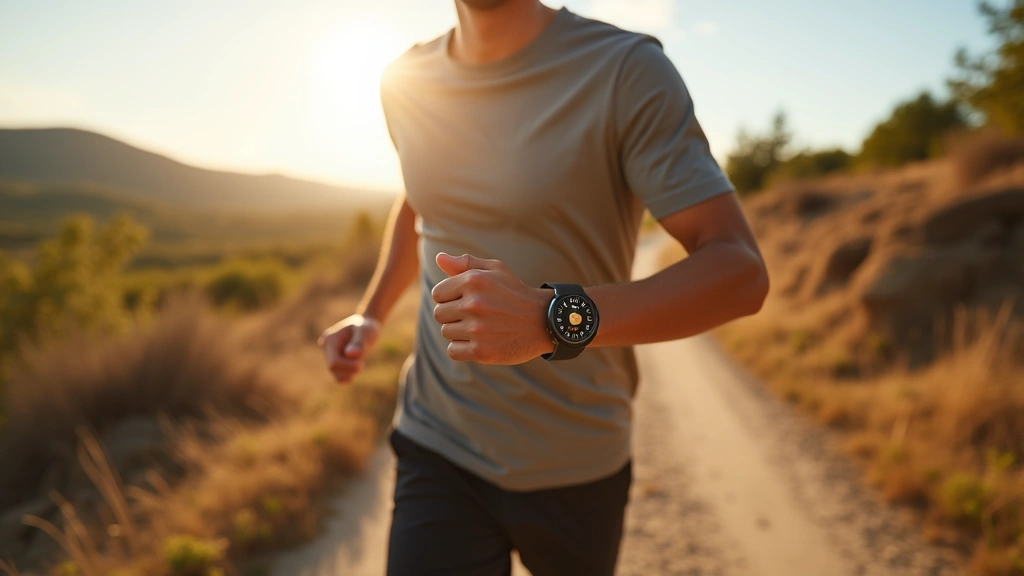
” alt=”Person wearing premium smartwatch while running outdoors on sunny trail”>
The American smartwatch market offers exceptional options across multiple price points and feature sets. Whether you prioritize ecosystem integration, fitness tracking accuracy, health monitoring depth, or battery longevity, the devices discussed here represent the best available options. Your decision should reflect your specific needs rather than simply choosing the most expensive or feature-rich option available.
For users seeking detailed technical specifications, The Verge’s smartwatch reviews provide comprehensive testing methodology and long-term usage insights. CNET’s smartwatch coverage includes comparative analysis and battery life testing that informs purchasing decisions. Manufacturer specifications from Apple, Google, and Samsung provide detailed technical information for specification-focused buyers.
FAQ
Which smartwatch has the best battery life?
The Garmin Epix delivers the longest battery life, providing 11+ days in smartwatch mode and 16 hours in GPS mode. Samsung Galaxy Watch 6 offers approximately 40 hours of typical use. Apple Series 9 and Google Pixel Watch 2 both provide roughly 18-24 hours depending on usage intensity.
Can you use an Apple Watch with Android phones?
Apple Watches require iPhone ownership for full functionality. While some basic features work with Android phones, the device cannot pair with Android devices for notifications, health data sync, or most app functionality. This ecosystem lock-in is intentional Apple design philosophy.
Which smartwatch is best for swimming?
All devices discussed here are water-resistant to 50 meters, suitable for swimming. Garmin Epix provides the most detailed swimming metrics including stroke type detection and pool length auto-detection. Apple Series 9 and Google Pixel Watch 2 offer comprehensive swim tracking. Samsung Galaxy Watch 6 handles swimming effectively with good metric tracking.
Do smartwatches accurately track heart rate?
Modern smartwatches deliver heart rate accuracy comparable to dedicated fitness trackers when worn properly. Accuracy improves with snug wrist positioning and consistent wear. All devices discussed here provide reliable heart rate measurement across different activity types, though occasional spikes occur during intense exercise transitions.
What’s the difference between smartwatches and fitness trackers?
Smartwatches function as mini-computers with app ecosystems, notification management, and full operating systems. Fitness trackers focus primarily on activity monitoring with simpler interfaces. Smartwatches offer broader functionality but typically shorter battery life. Your choice depends on whether you prioritize comprehensive features or single-purpose fitness tracking.
Can smartwatches work without a smartphone?
Devices with LTE connectivity (Apple, Google, and Samsung offer LTE variants) function independently for calls, messages, and cellular data. WiFi-only models require smartphone proximity for most functionality. Garmin watches operate completely independently, making them ideal for users who want device autonomy.
Which smartwatch integrates best with smart home devices?
Google Pixel Watch 2 provides the most comprehensive smart home integration through Google Home compatibility. Apple Watch Series 9 works well with HomeKit devices. Samsung Galaxy Watch 6 integrates with Samsung SmartThings. The Technology in Smart Homes guide explores how wearables fit into broader connected home ecosystems.
How often should I charge my smartwatch?
Charging frequency depends on battery capacity and usage. Apple and Google devices need daily charging. Samsung Galaxy Watch 6 requires charging every 1-2 days. Garmin Epix and Fitbit Sense 2 extend to 6-11 days between charges. Your lifestyle and usage intensity will influence actual charging frequency.
Are smartwatches accurate for calorie tracking?
Smartwatch calorie estimates are approximations based on heart rate, activity type, and personal metrics. Accuracy improves with accurate heart rate measurement and proper profile configuration. Don’t rely exclusively on smartwatch calorie data for precise nutritional tracking; use them as general activity indicators instead.


