Anesthesia Tech Needs: Expert Insights on Equipment, Software, and Career Requirements
The field of anesthesia technology has undergone a remarkable transformation over the past decade, evolving from basic mechanical systems to sophisticated digital ecosystems that demand specialized expertise. Modern anesthesia tech professionals operate at the intersection of healthcare delivery, advanced electronics, and critical patient monitoring—a convergence that requires both deep technical knowledge and unwavering attention to safety protocols. Understanding the comprehensive requirements for success in this specialized field is essential for healthcare facilities, equipment manufacturers, and aspiring professionals alike.
Whether you’re evaluating anesthesia technology solutions for your facility or considering a career in this demanding sector, the landscape presents both significant opportunities and unique technical challenges. This comprehensive guide explores the multifaceted requirements that define modern anesthesia tech needs, from hardware specifications to software integration, regulatory compliance, and professional skill development.
Core Hardware Requirements and Specifications
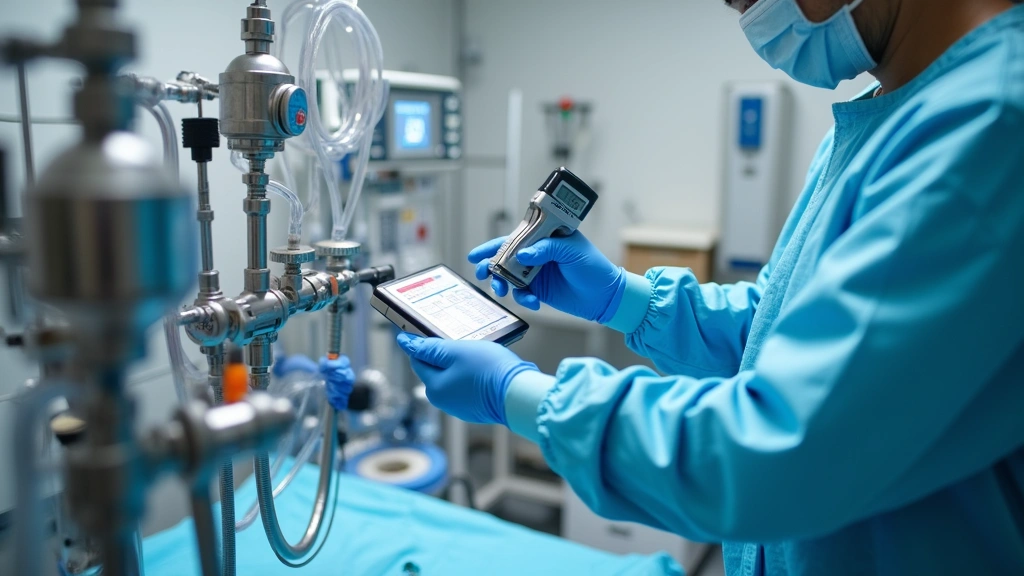
Modern anesthesia delivery systems demand sophisticated hardware architectures that balance precision, reliability, and user accessibility. The foundation of any anesthesia tech setup includes gas delivery systems with exceptional accuracy—typically requiring tolerance levels within ±3% of delivered concentrations. These systems must integrate multiple components including vaporizers, flowmeters, oxygen analyzers, and delivery circuits, each with specific technical specifications.
The anesthesia workstation represents the centerpiece of hardware requirements, incorporating touchscreen interfaces with response times under 200 milliseconds to ensure clinicians can make rapid adjustments during critical moments. Modern units feature redundant monitoring systems with backup power supplies capable of maintaining operation for minimum 30 minutes during power loss, as mandated by healthcare facility standards. The ventilator component alone requires sophisticated sensor arrays measuring airway pressure, inspired/expired gas concentrations, and tidal volumes with real-time feedback mechanisms.
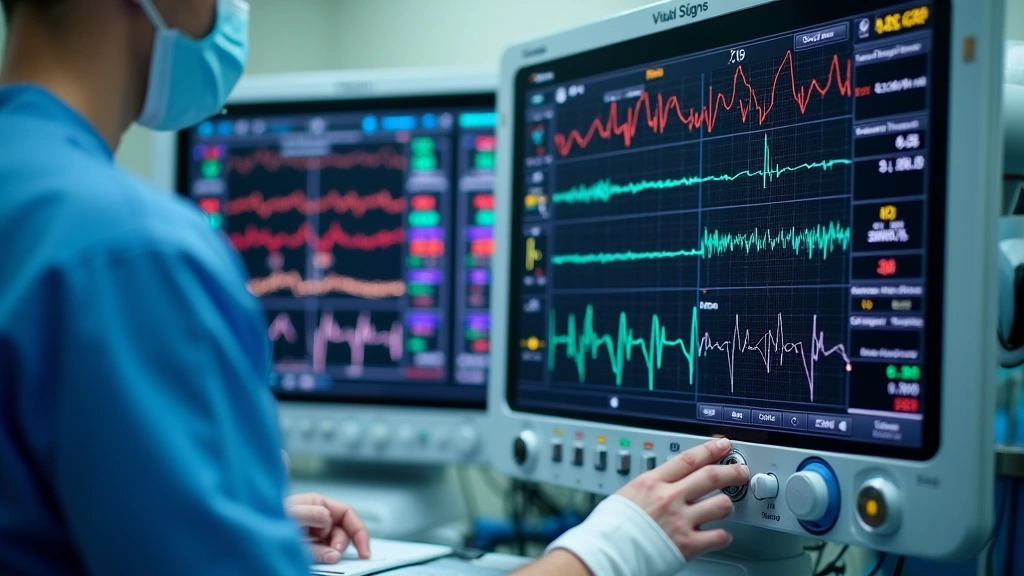
Monitoring equipment integrated into anesthesia systems must capture electrocardiography (ECG), non-invasive blood pressure (NIBP), pulse oximetry (SpO2), end-tidal carbon dioxide (EtCO2), and temperature data simultaneously. Each monitoring parameter demands specific sensor technologies: ECG requires high-resolution amplifiers with noise rejection capabilities, pulse oximetry needs wavelength-specific light-emitting diodes (LEDs) at 660nm and 940nm, and capnography relies on infrared spectroscopy with sub-millisecond response times.
The hardware ecosystem extends to peripheral devices including infusion pumps, patient warming systems, and regional anesthesia monitoring equipment. Each device must meet International Organization for Standardization (ISO) standards and communicate through standardized protocols. Battery backup systems, uninterruptible power supplies (UPS), and redundant communication pathways represent critical infrastructure requirements that healthcare facilities must implement.
Software Integration and Digital Systems
Contemporary anesthesia tech requirements encompass sophisticated software architectures managing real-time data acquisition, processing, and display. The operating systems running anesthesia workstations must demonstrate deterministic behavior with guaranteed response times—a requirement that eliminates consumer-grade operating systems in favor of real-time kernels or validated medical-grade platforms.
Electronic health record (EHR) integration represents a primary software requirement, enabling seamless data transfer from anesthesia monitoring systems into patient records. This integration must preserve data integrity, maintain chronological accuracy to the nearest second, and ensure bidirectional communication for medication administration records (MARs) and patient history retrieval. Interoperability standards such as HL7 FHIR (Fast Healthcare Interoperability Resources) and DICOM (Digital Imaging and Communications in Medicine) dictate how anesthesia systems communicate with hospital networks.
The software must handle complex alarm management systems with customizable threshold parameters, intelligent alert filtering to reduce false alarms, and escalation protocols that notify appropriate clinical staff. Machine learning algorithms increasingly support predictive analytics, identifying subtle changes in patient physiology before they become critical—requiring computational resources and data processing capabilities beyond traditional anesthesia systems.
Cybersecurity represents an increasingly critical software requirement, with anesthesia systems potentially vulnerable to ransomware, data breaches, and network attacks. Modern implementations require encrypted communication protocols (TLS 1.2 or higher), multi-factor authentication for system access, regular security patches, and comprehensive audit logging. The FDA and healthcare regulatory bodies now mandate cybersecurity assessments as part of software validation.
For professionals entering this field, understanding modern programming languages and development frameworks becomes increasingly valuable as anesthesia tech evolves toward cloud-based systems and mobile applications for remote monitoring.
Safety Standards and Regulatory Compliance
Anesthesia technology operates within an exceptionally stringent regulatory framework, with multiple overlapping standards governing every aspect of equipment design, manufacture, and clinical use. The FDA’s premarket approval (PMA) pathway for anesthesia delivery systems requires extensive clinical testing, risk analysis using ISO 14971 methodology, and comprehensive documentation of safety features.
ISO 21647 specifically addresses anesthesia workstations, defining requirements for gas delivery accuracy, ventilator performance, alarm systems, and operator interfaces. Compliance with this standard is non-negotiable for any equipment intended for clinical use. Additionally, ISO 80601-2-13 covers anesthesia and respiratory gas monitors, establishing performance criteria for all monitoring modalities integrated into anesthesia systems.
The American Society of Anesthesiologists (ASA) publishes comprehensive standards for anesthesia equipment maintenance and safety protocols. These standards mandate regular testing schedules, specific inspection procedures, and documentation requirements that healthcare facilities must implement. The Anesthesia Patient Safety Foundation (APSF) continuously updates recommendations based on clinical incident data and technological advances.
Good Manufacturing Practice (GMP) requirements govern the production environments where anesthesia equipment is manufactured, including cleanroom specifications, component traceability, and quality control testing. Software validation following IEC 62304 medical device software lifecycle processes ensures that all code changes, updates, and modifications maintain safety and effectiveness standards.
Biocompatibility testing for any components contacting patients, sterilization validation for reusable equipment, and electromagnetic compatibility (EMC) testing ensure anesthesia systems function safely in complex hospital environments with multiple electronic devices operating simultaneously.
Professional Skills and Certification Pathways
The anesthesia tech career path requires a unique combination of technical expertise, clinical knowledge, and professional certification. Most positions demand at minimum an Associate’s degree in biomedical equipment technology, clinical engineering, or a related field. However, comprehensive anesthesia tech roles increasingly require specialized certifications that validate deep system knowledge.
The Certified Anesthesia Technician (CAT) credential, administered by the American Society of Anesthesiologists, represents the gold standard for clinical anesthesia technicians. This certification requires documented clinical experience, successful completion of an examination covering anesthesia equipment, pharmacology, physiology, and safety protocols, and continuing education to maintain credential status. The examination encompasses both theoretical knowledge and practical problem-solving scenarios.
The Certified Biomedical Equipment Technician (CBET) credential, offered by the Association for the Advancement of Medical Instrumentation (AAMI), validates expertise in medical equipment maintenance, repair, and safety. While broader in scope than anesthesia-specific certification, CBET demonstrates competency in electronics, troubleshooting methodologies, and medical device principles that directly apply to anesthesia technology.
Technical skills requirements include proficiency with electrical measurement equipment (multimeters, oscilloscopes, gas analyzers), understanding of pneumatic systems and gas flow principles, and expertise in mechanical systems including ventilator bellows, regulators, and breathing circuits. Professionals must master both analog and digital electronics, including microcontroller programming, sensor interfacing, and network communication protocols.
Clinical knowledge encompasses understanding anesthesia pharmacology, patient physiology during anesthesia, and recognition of adverse events or equipment malfunctions. This clinical foundation enables technicians to collaborate effectively with anesthesiologists and perioperative nurses, understanding how equipment parameters directly affect patient safety and surgical outcomes.
Those interested in broader tech careers should explore software development pathways, as anesthesia tech increasingly incorporates custom applications and cloud-based systems requiring programming expertise.
Clinical Integration and Workflow Optimization
Successful anesthesia technology implementation requires seamless integration into existing clinical workflows. Modern anesthesia systems must accommodate varied practitioner preferences, from experienced anesthesiologists accustomed to traditional interfaces to newer practitioners expecting intuitive touchscreen controls. The user interface design must balance comprehensive functionality with accessibility, requiring extensive human factors engineering and usability testing.
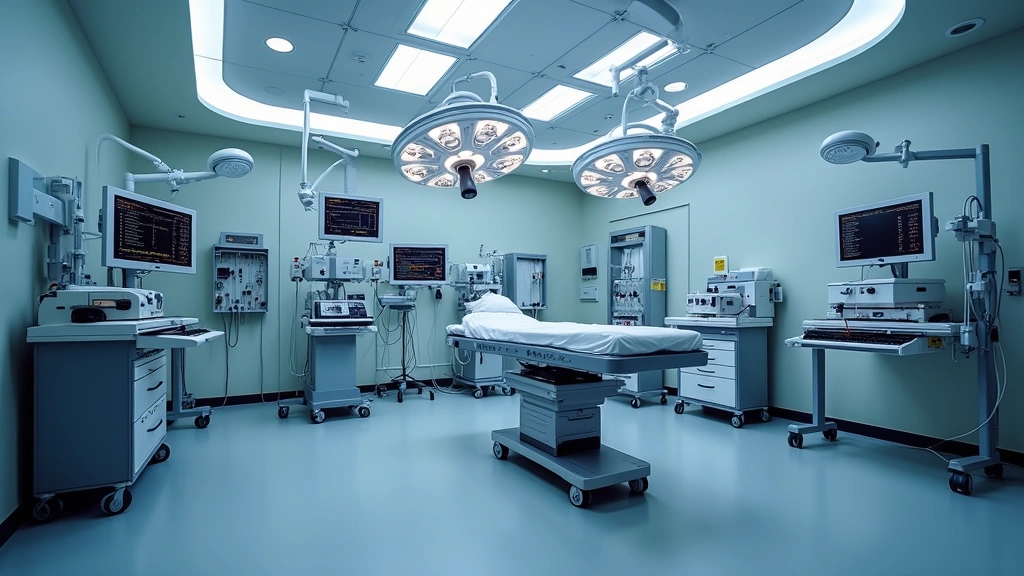
Integration with operating room (OR) infrastructure extends beyond the anesthesia workstation itself. Coordination with surgical lights, patient positioning systems, and operating table controls through networked systems enables synchronized functionality. Integration with hospital information systems allows automatic patient demographic population, allergy alerts, and medication interaction checking before anesthesia induction.
The anesthesia record—historically a paper document—now exists as a digital artifact automatically generated from continuous data streams captured during the procedure. This electronic anesthesia record (EAR) must display minute-by-minute trends while allowing manual documentation of events, medication administration, and clinical observations. The system must support rapid data entry during dynamic clinical situations while maintaining chronological accuracy and preventing data corruption.
Workflow optimization requires understanding how anesthesia tech supports turnover between cases, with rapid system initialization, automated self-tests, and quick calibration procedures minimizing time between procedures. Modern implementations include checkout protocols that guide technicians and anesthesiologists through standardized equipment verification, reducing setup time from 30+ minutes to 10-15 minutes.
Real-time data sharing with the surgical team, including ventilation parameters and hemodynamic trends displayed on monitors visible to surgeons, creates integrated situational awareness. Some advanced systems enable remote monitoring capabilities, allowing anesthesia coordinators or supervising physicians to observe critical parameters from outside the operating room.
Data Management and Interoperability
The volume of data generated by modern anesthesia systems—potentially 500+ data points per minute across multiple monitoring modalities—creates significant data management challenges. Healthcare facilities require robust infrastructure for data capture, storage, retrieval, and analysis. This data ecosystem must comply with Health Insurance Portability and Accountability Act (HIPAA) privacy and security requirements, ensuring patient information remains protected throughout its lifecycle.
Interoperability standards enable anesthesia systems to communicate with other healthcare IT systems. HL7 messaging allows bidirectional communication between anesthesia workstations and hospital EHR systems. DICOM standards support integration with imaging systems, enabling anesthesia providers to access patient imaging studies relevant to airway management or regional anesthesia planning.
Data warehousing systems aggregate anesthesia records from multiple operating rooms and multiple institutions, enabling outcomes research and quality improvement initiatives. Advanced analytics platforms identify trends in anesthesia practices, patient outcomes, and equipment utilization patterns. This aggregated data supports evidence-based practice improvements and helps identify potential safety concerns before they manifest as clinical incidents.
Cloud-based anesthesia record systems offer accessibility advantages, enabling providers to access patient anesthesia histories from remote locations and supporting continuity of care. However, cloud implementation introduces additional cybersecurity and data sovereignty considerations, particularly in healthcare systems spanning multiple jurisdictions with varying regulatory requirements.
The integration of artificial intelligence and machine learning into anesthesia data analysis represents an emerging frontier. Predictive algorithms trained on historical anesthesia records can identify patients at high risk for adverse events, recommend optimal anesthetic approaches based on patient characteristics, and alert providers to subtle physiological changes warranting intervention.
Training and Ongoing Professional Development
Comprehensive training programs represent essential anesthesia tech requirements, addressing both initial competency development and continuing education. New anesthesia technicians require structured training covering equipment operation, safety protocols, emergency procedures, and clinical integration. This training typically spans 6-12 months of supervised clinical experience combined with didactic instruction.
Equipment manufacturers provide specialized training for their specific anesthesia systems, covering hardware architecture, software operation, troubleshooting procedures, and maintenance protocols. This manufacturer training becomes increasingly important as systems incorporate proprietary software, custom algorithms, and specialized monitoring capabilities. Many manufacturers offer certification programs validating technician competency with their specific equipment lines.
Continuing education requirements maintain professional competency as technology evolves. The ASA requires anesthesia technicians to complete continuing education hours annually, addressing emerging technologies, safety updates, and clinical practice changes. Professional conferences and workshops provide opportunities for networking and exposure to cutting-edge developments in anesthesia technology.
Simulation-based training increasingly complements traditional hands-on learning. High-fidelity patient simulators integrated with anesthesia workstations enable technicians to practice emergency responses, equipment troubleshooting, and crisis management in controlled environments without patient risk. Scenario-based training develops decision-making skills and builds confidence in handling complex situations.
Cross-training programs that expose anesthesia technicians to related areas—such as intensive care unit (ICU) monitoring systems, respiratory therapy equipment, and perioperative patient management—broaden professional capabilities and create advancement opportunities. Understanding how technology evolves across healthcare sectors provides valuable perspective on emerging trends applicable to anesthesia tech.
Mentorship programs pair experienced anesthesia technicians with newer professionals, facilitating knowledge transfer and professional development. These relationships prove invaluable for developing clinical judgment, understanding institutional culture, and building professional networks within the anesthesia community.
FAQ
What are the primary hardware components of modern anesthesia workstations?
Modern anesthesia workstations integrate gas delivery systems (vaporizers, flowmeters, oxygen analyzers), ventilators with sophisticated control systems, comprehensive monitoring modules (ECG, NIBP, SpO2, EtCO2, temperature), touchscreen user interfaces, and backup power systems. Each component must meet specific ISO standards for accuracy, response time, and safety.
How important is software integration in anesthesia technology?
Software integration is critical for modern anesthesia tech. Integration with electronic health records, alarm management systems, data analytics, and hospital networks enables seamless clinical workflows and comprehensive patient documentation. Cybersecurity and regulatory compliance through proper software validation are essential requirements.
What certifications are necessary for anesthesia tech careers?
The Certified Anesthesia Technician (CAT) credential represents the primary certification, requiring clinical experience and examination success. The Certified Biomedical Equipment Technician (CBET) credential provides broader medical equipment expertise. Most positions require an Associate’s degree in biomedical technology or related field combined with professional certification.
How do anesthesia systems comply with regulatory requirements?
Anesthesia systems must comply with FDA premarket approval requirements, ISO 21647 and ISO 80601-2-13 standards, ASA safety standards, and GMP manufacturing requirements. Software validation follows IEC 62304 medical device software lifecycle processes. Regular maintenance and testing following established protocols ensure ongoing compliance.
What data management challenges exist in anesthesia technology?
Anesthesia systems generate 500+ data points per minute, requiring robust infrastructure for capture, storage, and retrieval. HIPAA compliance, interoperability standards (HL7, DICOM), and integration with EHR systems create complex data management requirements. Cloud-based systems introduce additional cybersecurity and data sovereignty considerations.
How are anesthesia technicians trained for emerging technologies?
Training includes formal education programs (Associate’s degrees), manufacturer-specific training for equipment systems, continuing education requirements, simulation-based training, and mentorship programs. Professional conferences and workshops provide exposure to emerging technologies, and many facilities offer cross-training in related areas to broaden professional capabilities.


