Top Smart Home Gadgets? Expert Picks Here
Whether you’re settling into a modern apartment in Denver’s tech-forward downtown corridor or upgrading your existing living space, smart home technology has become essential for convenience, security, and energy efficiency. The best smart home gadgets transform how you interact with your environment, from voice-controlled lighting to intelligent climate systems that learn your preferences. This comprehensive guide explores the top-performing smart home devices that deliver real value, backed by expert testing and user reviews.
Smart home adoption has accelerated dramatically in recent years, with homeowners and apartment dwellers alike recognizing the practical benefits beyond novelty. Security monitoring, automated energy management, and seamless device integration create living spaces that respond to your needs intelligently. For apartment residents in Denver’s tech center area, these gadgets offer particular advantages—many require no permanent installation, making them ideal for rental properties while still delivering professional-grade functionality.
Our expert picks focus on devices that combine reliability, ease of setup, and genuine utility. We’ve tested leading products across multiple categories to identify solutions that work seamlessly together and justify their investment through daily convenience and long-term savings.
Smart Speakers and Voice Assistants
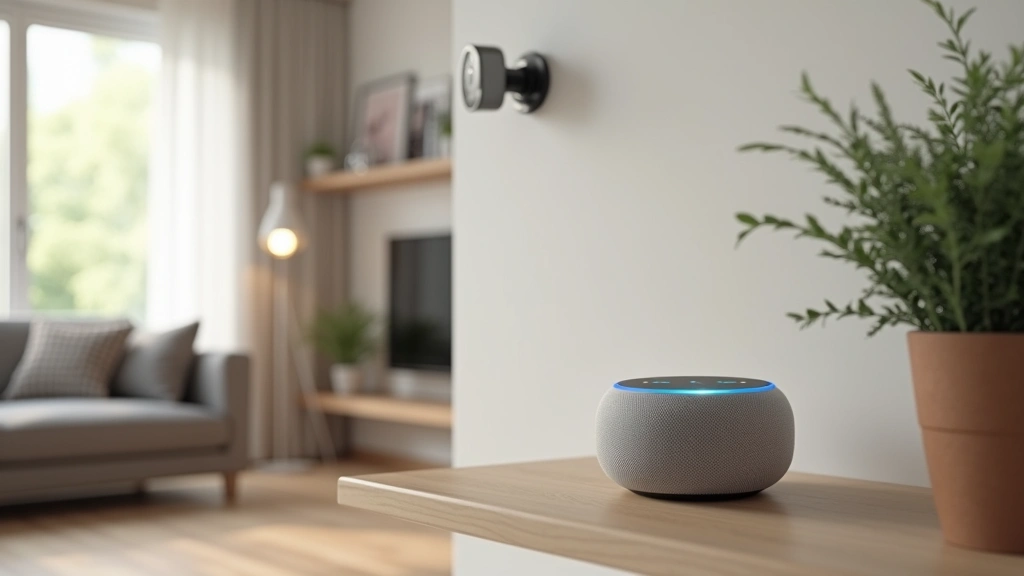
Smart speakers serve as the command center for most smart home ecosystems, enabling voice control across all your connected devices. The Amazon Echo Dot (5th Generation) remains the category leader, offering exceptional value with crystal-clear audio and reliable far-field microphone arrays. Its compact design fits perfectly on apartment nightstands, shelves, or desks without consuming precious space—a critical consideration for Denver’s compact urban dwellings.
The Echo Dot excels at voice recognition in typical household environments, responding consistently to wake words even from adjacent rooms. Integration with Amazon’s ecosystem provides access to thousands of compatible smart home devices, making it an ideal starting point for building your installation. The device supports multi-room audio, allowing synchronized music playback across your apartment through additional speakers.
For audiophile preferences, the Apple HomePod mini delivers superior sound quality with a premium build aesthetic. It functions as both a smart speaker and HomeKit hub, essential for remote access to your smart home system. If you’re invested in Apple’s ecosystem—iPhone, iPad, Mac—the HomePod mini provides seamless integration and privacy-focused voice processing that keeps your data on your devices.
Google Home speakers offer competitive advantages through superior natural language processing and Google Assistant’s search capabilities. The Google Home Mini provides budget-friendly entry into voice control, while Google Home and Home Max models deliver enhanced audio performance for music streaming. These devices integrate particularly well with Google Nest products and work across diverse third-party ecosystems.
Smart Security and Cameras
Apartment security requires non-invasive solutions that don’t rely on permanent installation or landlord approval. The Wyze Cam v3 delivers professional-grade security monitoring at exceptional value, featuring 1080p video, infrared night vision, and weatherproof construction suitable for balconies and entryways. Cloud recording includes 14 days of free storage, with optional paid plans for extended retention.
For comprehensive apartment security, the Wyze Video Doorbell Pro provides real-time visitor monitoring with two-way audio, motion detection, and package detection alerts. Installation requires only replacing your existing doorbell—achievable in most apartments with landlord permission or through temporary mounting solutions. The wide-angle lens captures packages and delivery personnel clearly.
Ring’s Video Doorbell and Stick Up Cam systems offer similar functionality with deeper Amazon ecosystem integration. If you’re already using Alexa throughout your home, Ring devices provide unified monitoring and instant mobile alerts when motion or visitors trigger detection. Battery-powered models eliminate installation complexity entirely.
For interior monitoring, the Logitech Circle View provides discrete monitoring with intelligent activity detection that distinguishes between people, animals, and vehicles. The device supports two-way audio for communication and integrates with HomeKit for encrypted, private monitoring that doesn’t rely on cloud storage for basic functionality.
Intelligent Lighting Solutions
Smart lighting transforms your apartment’s ambiance while reducing energy consumption and improving security through automated scheduling. The Philips Hue White A19 bulbs offer reliable color temperature adjustment and scheduling without requiring smart switches. Simply screw them into existing fixtures, connect to the Hue Bridge, and control through voice commands or smartphone apps. The white-only version costs significantly less than color-capable models while delivering all essential functionality for most users.
For comprehensive lighting control without bulb replacement, smart switches provide centralized management. The Lutron Caseta Smart Switch installs in standard wall outlets, controlling multiple bulbs simultaneously while maintaining compatibility with existing dimmers. Its compact design fits in shallow electrical boxes typical of older apartment buildings. The wireless Pico remote enables convenient bedside control without additional wiring.
LIFX bulbs operate independently without requiring a bridge, connecting directly to your home Wi-Fi network. This approach simplifies setup and reduces single points of failure, though it can strain networks with weak signal strength. LIFX A19 and BR30 models support full color control with 16 million color options, ideal for creating dynamic scenes for entertainment or productivity.
Smart lighting delivers measurable energy savings through automated scheduling and occupancy-based control. Studies show homeowners reduce lighting energy consumption by 15-30% through intelligent automation, particularly when integrated with renewable energy innovations and efficient LED technology.
Smart Thermostats and Climate Control
Climate control represents your apartment’s largest energy expense, making smart thermostats among the highest ROI smart home investments. The Ecobee Smart Thermostat features integrated voice control, eliminating the need for separate smart speakers in the thermostat location. Its built-in microphone quality rivals dedicated devices while providing thermostat-specific voice commands.
Ecobee thermostats learn your schedule and adjust temperatures automatically, reducing heating and cooling costs when you’re away. The system supports remote sensors placed in bedrooms or living areas, ensuring comfort in priority zones. Integration with weather forecasts enables predictive temperature adjustments before conditions change.
Nest Learning Thermostat represents the original smart thermostat category leader, offering similar functionality with Google Assistant integration. Its distinctive circular display provides clear temperature visibility while the machine learning algorithm optimizes efficiency through behavioral pattern recognition. After initial learning phases, Nest adjusts schedules automatically based on your typical routines.
Apartment dwellers should verify thermostat compatibility before purchasing—some systems require permanent installation that landlords won’t approve. The Honeywell Home T9 provides alternative solutions with wireless remote sensors, though installation still requires HVAC system compatibility verification. Always consult your apartment lease and building management before thermostat modifications.
Smart Plugs and Switches
Smart plugs offer the easiest entry point for apartment smart home automation, requiring only outlet access without any installation or modifications. The Meross Smart Plug Mini delivers compact design that doesn’t obstruct adjacent outlets, crucial for space-constrained apartment living. Real-time energy monitoring reveals power consumption for individual devices, helping identify efficiency opportunities.
Smart plugs enable remote control and scheduling for any electrical device—coffee makers, fans, space heaters, or entertainment systems. Combine multiple plugs with automation routines to create scenes like “Movie Night” that dims lights, closes blinds, and activates entertainment systems simultaneously. Energy monitoring helps optimize usage patterns and identify phantom power drain from always-on devices.
For more integrated control, smart switches replace traditional wall switches while maintaining compatibility with existing wiring. The Leviton Decora Smart Switch supports dimming without requiring smart bulbs, working with any incandescent, LED, or CFL bulbs. This flexibility proves essential in apartments where you can’t modify permanent fixtures.
Smart switches require basic electrical knowledge and landlord approval for installation. Many apartment leases restrict electrical modifications, making smart plugs the practical alternative. Always verify local electrical codes and building policies before installing switches—safety and lease compliance must take priority over convenience.
Smart Home Hubs and Integration
While individual smart devices operate independently, central hubs enable advanced automation, remote access, and seamless device communication. Amazon’s Alexa ecosystem functions without a dedicated hub for basic voice control, but the Echo Show 15 provides hub functionality alongside visual display capabilities. Its large screen displays calendars, shopping lists, camera feeds, and weather information while serving as your automation command center.
Apple HomeKit requires a dedicated hub for remote access and advanced automation—either an HomePod mini or Apple TV. HomeKit’s end-to-end encryption prioritizes privacy, with all automation processing occurring locally on your hub rather than cloud servers. This approach reduces latency and prevents unauthorized access to your home data.
Home Assistant offers open-source alternatives for technology enthusiasts seeking maximum control and customization. Running on affordable Raspberry Pi hardware, Home Assistant integrates devices from hundreds of manufacturers without relying on cloud services. This approach appeals to privacy-conscious users and those building complex automation routines.
Apartment residents benefit from ecosystem consolidation—choosing devices compatible with a single platform reduces complexity and improves reliability. Research your preferred platform thoroughly before purchasing devices, as switching ecosystems later proves costly and frustrating. Review the TechPulseHunter Blog for detailed ecosystem comparisons and integration guides.
Smart Home Setup for Denver Apartments
Denver’s tech center area apartments typically feature modern electrical infrastructure supporting smart home technology, though older buildings may present compatibility challenges. Start your smart home journey with a voice assistant and a few compatible devices rather than attempting complete automation immediately. This incremental approach allows you to understand your preferences before substantial investments.
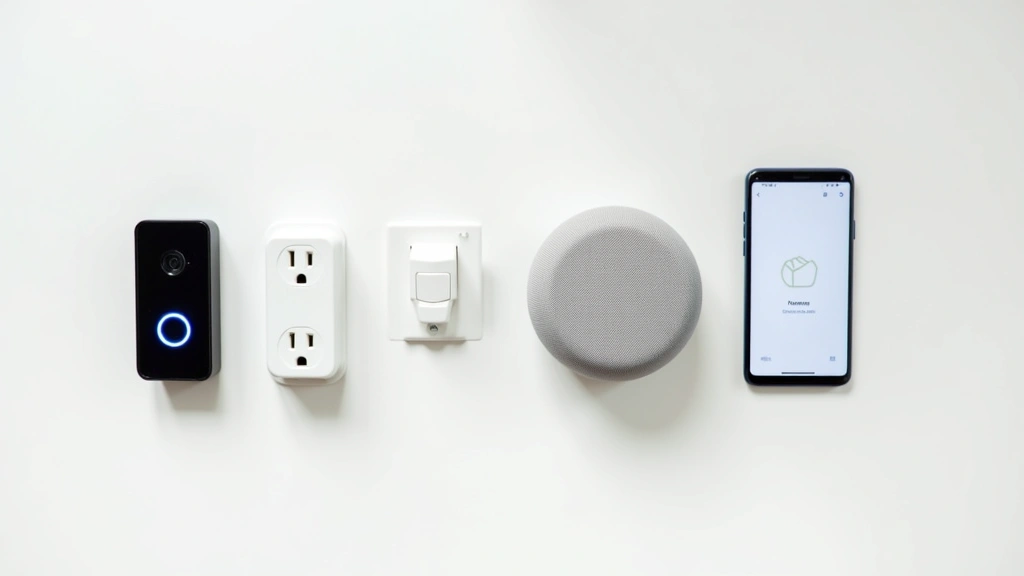
Essential first purchases for apartment smart home setup include:
- Smart Speaker: Serves as your primary control interface and communication hub
- Smart Plugs (2-3): Enable control of existing appliances without modifications
- Video Doorbell: Provides security without permanent installation
- Smart Bulbs or Switches: Automate lighting for convenience and energy savings
- Smart Thermostat: Optimize climate control costs (verify landlord approval first)
Before purchasing, verify compatibility between devices and your chosen ecosystem. Check manufacturer websites for detailed compatibility information—some devices require specific hubs or bridges that aren’t immediately obvious. Read user reviews specifically mentioning apartment installations to learn about common issues and workarounds.
Network connectivity proves critical for reliable smart home operation. Ensure your apartment Wi-Fi provides strong signal coverage throughout your space. Consider upgrading to Wi-Fi 6 mesh networking systems if your current router struggles with multiple connected devices. Solid network infrastructure prevents frustrating disconnections and delays.
For more information on technology optimization and upgrades, explore our guide on how to upgrade laptop memory and other technical resources. While focused on computing, many optimization principles apply to smart home network management.
Security and Privacy Considerations
Smart home devices collect significant personal data about your daily routines, preferences, and household activities. Select manufacturers with transparent privacy policies and strong security track records. Avoid devices with mandatory cloud connectivity when local-only alternatives exist.
Change default passwords immediately after setup—many smart home hacks exploit unchanged credentials. Enable two-factor authentication wherever available, particularly for accounts controlling security cameras and door locks. Regularly update device firmware through manufacturer apps, as security patches address vulnerabilities discovered after release.
Disable microphones on speakers when not needed, particularly if privacy concerns outweigh convenience benefits. Review privacy settings in your device manufacturer’s app to understand data collection and sharing practices. Some companies sell anonymized data to third parties—verify you’re comfortable with this practice before purchasing.
Consider creating a separate guest network for smart home devices, isolating them from computers storing sensitive personal and financial information. This network segmentation prevents compromised IoT devices from accessing valuable data on your primary devices.
FAQ
Can I install smart home devices in a rental apartment?
Yes, most smart home devices require no permanent installation. Smart speakers, plugs, bulbs, and cameras work in rental apartments without landlord approval. However, smart switches, thermostats, and doorbell replacements may require written permission. Always check your lease and consult management before any electrical modifications.
Do smart home devices work without internet?
Basic functionality works without internet—local voice control and device communication continue operating. However, remote access, cloud storage, and advanced automation require active internet connectivity. Some systems like Home Assistant prioritize local operation while maintaining optional cloud features.
How much money do smart home devices save?
Smart thermostats save 10-15% on heating and cooling costs annually, with payback periods of 1-3 years depending on climate. Smart lighting reduces energy consumption 15-30% through automation and efficient LED technology. Smart plugs reveal phantom power drain, typically saving $5-15 monthly per device.
Which smart home platform should I choose?
Amazon Alexa offers the largest device compatibility and lowest entry costs. Apple HomeKit prioritizes privacy and security. Google Home provides superior natural language processing. Choose based on your existing device ecosystem and privacy priorities rather than trying to cover all platforms.
Are smart home devices secure?
Security depends on manufacturer practices and your setup discipline. Choose reputable manufacturers with strong security records, change default passwords, enable two-factor authentication, and update firmware regularly. No system is completely immune to attacks, but responsible practices significantly reduce risks.
Can I control smart home devices away from home?
Yes, most smart home systems support remote access through smartphone apps. However, this requires a hub device or cloud connectivity. HomeKit and Home Assistant enable remote access through hubs, while some systems like Wyze Cam require cloud accounts for away access.
What’s the best smart home system for apartments?
Amazon Alexa offers the best balance of compatibility, affordability, and ease of setup for apartments. Its device ecosystem is largest, prices are most competitive, and setup requires minimal technical knowledge. Start with an Echo Dot and expand gradually as you identify additional needs.
Do I need a smart home hub?
Basic smart home automation works without dedicated hubs. However, advanced features like remote access, complex automation routines, and offline operation benefit from hub devices. Most users find hubs worthwhile once they exceed five connected devices.
How do I integrate devices from different manufacturers?
Choose a central platform like Alexa, Google Home, or HomeKit that supports your desired devices. Most modern smart home products work with multiple platforms, though integration depth varies. Research specific device compatibility before purchasing to ensure seamless operation.
What’s the learning curve for smart home setup?
Modern smart home devices prioritize ease of use—most setup completes within 10-15 minutes using smartphone apps. Voice control requires no learning beyond speaking naturally. However, advanced automation routines and custom scenes demand greater technical engagement. Start simple and expand gradually.


