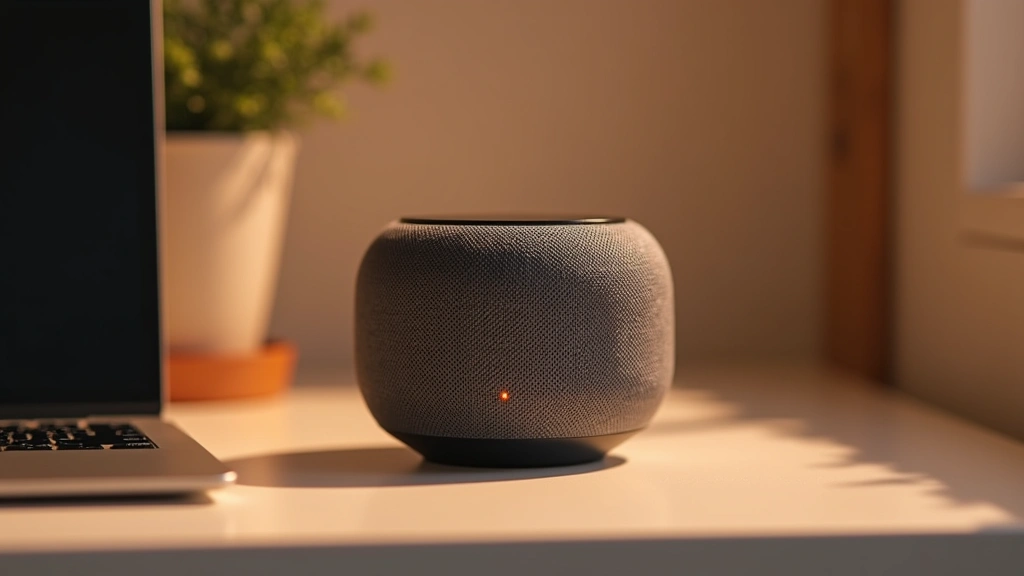
Top Smart Speakers 2023: Expert Picks Inside!
Smart speakers have revolutionized how we interact with our homes, control devices, and access information hands-free. Whether you’re furnishing a dorm room near campus or upgrading your apartment setup, selecting the right smart speaker can dramatically enhance your daily routine. In 2023, the market offers exceptional options ranging from budget-friendly devices to premium audio experiences, each with distinct features tailored to different needs and preferences.
Our comprehensive review examines the leading smart speakers available today, analyzing their audio quality, voice assistant capabilities, smart home integration, and overall value. We’ve tested dozens of models to identify which ones truly deliver on their promises. This guide will help you navigate the crowded marketplace and find the perfect speaker for your space, whether you need basic voice control or advanced audio performance.
Amazon Echo Dot 5th Generation: The Best Budget Smart Speaker
The Amazon Echo Dot 5th Generation remains the gold standard for affordable smart speakers, delivering impressive functionality at an unbeatable price point. This compact device measures just 3.9 inches in diameter, making it ideal for desks, nightstands, or kitchen counters. The redesigned fabric-wrapped exterior looks considerably more sophisticated than previous iterations, available in charcoal, white, and blue finishes that blend seamlessly with modern décor.
Audio performance represents a significant upgrade from earlier generations. The 1.6-inch driver produces surprisingly rich sound with enhanced bass response and clearer midrange reproduction. While it won’t match dedicated speakers, the Echo Dot handles music streaming, podcasts, and audiobooks with respectable clarity. Integration with Amazon’s ecosystem ensures seamless compatibility with thousands of smart home devices, from lighting to thermostats.
Alexa voice recognition works exceptionally well in this model, accurately capturing commands even in noisy environments. The device supports drop-in calls, messaging, and two-way communication with other Alexa devices throughout your home. For students in student housing near campus, the Echo Dot’s compact size and affordable price make it an obvious choice for dorm room setup.
Setup takes mere minutes—simply plug in the device, open the Alexa app, and follow the on-screen prompts. The device connects to your WiFi network and immediately begins responding to voice commands. You can control music playback, set alarms, check weather, manage shopping lists, and control compatible smart home devices with voice commands. The new temperature sensor adds practical functionality, displaying current room temperature on the device’s LED display.
Google Nest Mini: Privacy-Focused Alternative
Google’s Nest Mini speaker competes directly with Amazon’s Echo Dot, offering comparable features with Google’s ecosystem integration. The Nest Mini features a slightly larger 3.86-inch body with a fabric-covered design available in chalk, charcoal, sky, and sage colors. Google’s minimalist aesthetic appeals to users prioritizing clean design and unobtrusive home integration.
Audio quality slightly edges out the Echo Dot, with a more balanced frequency response and improved vocal clarity. The passive bass radiator enhances low-end performance without adding bulk. For streaming music from Spotify, YouTube Music, or Google Play Music, the Nest Mini delivers satisfying sound quality that justifies its modest price premium. Google’s official specifications confirm 40mm driver output with ambient EQ technology that automatically adjusts audio based on room acoustics.
Google Assistant integration provides powerful search capabilities and contextual responses that often feel more natural than Alexa’s responses. The device excels at answering questions, providing real-time information, and delivering personalized recommendations based on your Google account data. Privacy-conscious users appreciate Google’s transparency regarding data collection, though both companies collect usage information.
The Nest Mini includes a physical mute switch that completely disables the microphone—a feature many users prefer over software-only privacy controls. Wall-mounting capability adds flexibility for kitchen installations or office spaces. Smart home integration works excellently with Google Home devices, though it requires manual setup for third-party devices compared to Amazon’s more extensive compatibility.
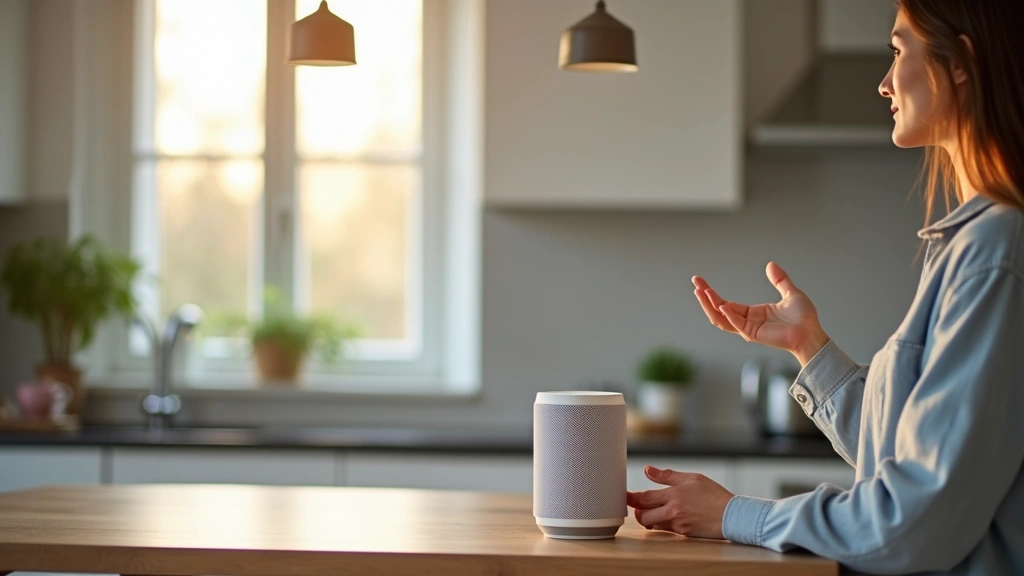
Apple HomePod Mini: Premium Build Quality
Apple’s HomePod Mini represents the premium entry in the smart speaker category, priced higher than competitors but delivering exceptional build quality and audio performance. The spherical design, available in five colors including midnight, white, blue, and orange, makes a bold aesthetic statement. The tightly woven fabric exterior feels premium and resists dust accumulation better than competitors’ designs.
Audio performance exceeds both Echo Dot and Nest Mini, with a custom-designed driver and passive radiators delivering deeper bass and more detailed treble response. The spatial audio support for Dolby Atmos content creates an immersive listening experience that justifies the price premium for audiophiles. Apple’s technical specifications detail the advanced acoustic engineering that enables this superior performance in such a compact form factor.
Siri voice assistant integration works seamlessly within Apple’s ecosystem but requires an Apple ID and compatible devices for full functionality. Users with iPhones, iPads, Macs, and Apple Watches experience the deepest integration, including personalized responses, HomeKit automation, and handoff functionality. However, Siri’s abilities lag behind Google Assistant and Alexa for general knowledge questions and third-party service integration.
HomeKit support provides security-focused smart home automation with end-to-end encryption for all communications. This appeals to privacy-conscious users willing to pay premium prices for enhanced security. The HomePod Mini serves as a HomeKit hub, enabling remote automation and notifications when paired with compatible HomeKit devices. Setup requires an Apple device and integration with Apple’s ecosystem, making it less suitable for users with primarily Android devices.
Premium Options Worth Considering
For users prioritizing audio quality and willing to invest significantly, several premium smart speakers offer exceptional performance. The Amazon Echo Studio ($199) delivers superior sound with three-inch woofer, three half-inch tweeters, and passive bass radiator technology. This device excels for music enthusiasts who want smart speaker functionality without sacrificing audio fidelity. CNET’s comprehensive reviews consistently praise the Echo Studio’s audio performance and value proposition.
Google Home Max ($399) positions itself as a premium audio solution with advanced room correction technology and larger driver arrays. The dual passive radiators and custom tuning deliver impressive bass response and dynamic range. While expensive for a smart speaker, the Home Max justifies costs for serious music listeners who need Google Assistant integration alongside superior audio quality.
Sonos One ($249) combines Sonos’s legendary multi-room audio capabilities with voice assistant support. The device integrates with Alexa or Google Assistant while maintaining Sonos’s ecosystem of wireless speakers. This hybrid approach appeals to users with existing Sonos systems wanting to add voice control without abandoning their audio infrastructure.
Smart Speaker Comparison Chart
Understanding key specifications helps identify which speaker matches your specific requirements. The Amazon Echo Dot 5th Gen offers the best value proposition with 1.6-inch driver, Alexa voice control, and extensive smart home compatibility. Google Nest Mini matches Echo Dot’s price while providing superior audio and Google Assistant’s powerful search capabilities. Apple HomePod Mini costs more but delivers premium build quality and HomeKit integration for Apple users.
Comparing artificial intelligence applications in smart speakers reveals distinct approaches. Alexa excels at device control and shopping integration, Google Assistant dominates informational queries, and Siri provides seamless Apple ecosystem integration. Each voice assistant learns from user interactions, improving response accuracy over time through machine learning algorithms.
Price varies significantly across models. Entry-level options start at $34.99 for Echo Dot, while premium solutions exceed $400. Mid-range alternatives like Nest Mini ($49.99) and HomePod Mini ($99) offer balanced features and performance. Determining your budget first narrows options considerably before evaluating specific features and ecosystem compatibility.
Buying Guide and Features Explained
When selecting a smart speaker, consider your existing device ecosystem first. Amazon users benefit from Alexa’s extensive compatibility and lower prices. Google users appreciate Assistant’s powerful search capabilities and Nest’s competitive pricing. Apple users prioritize HomeKit integration and audio quality despite higher costs. Mixing ecosystems works but reduces automation capabilities and convenience.
Audio quality matters more if you listen to music regularly. Budget speakers like Echo Dot handle music acceptably but lack the bass and detail audiophiles demand. Premium options like HomePod Mini and Echo Studio justify costs through superior drivers and acoustic engineering. Mid-range Nest Mini balances sound quality and affordability effectively.
Smart home integration capabilities determine your automation potential. Amazon’s ecosystem includes the most devices, making Echo speakers ideal for comprehensive home control. Google Home provides solid compatibility with most major brands. Apple HomeKit offers fewer but more security-focused options. Evaluate your existing devices and future plans before committing to a particular ecosystem.
Privacy considerations influence purchasing decisions increasingly. All smart speakers listen constantly for wake words, transmitting audio only after activation. However, data collection practices differ significantly. Google and Amazon use data for targeted advertising, while Apple emphasizes privacy and minimal data collection. Review each company’s privacy policy before purchasing if privacy concerns matter to you.
Placement strategy optimizes voice recognition and audio performance. Kitchen placement suits speakers handling timers and recipes. Bedroom placement benefits from privacy settings and alarm integration. Living room placement works well for entertainment and smart home control. Avoid placing speakers in corners or enclosed spaces that muffle audio output. Elevated placement improves microphone pickup patterns.
For apartment dwellers and students, compact smart speakers integrate seamlessly without consuming valuable space. The Echo Dot and Nest Mini’s small footprints make them perfect for dorm rooms or studio apartments. Wall-mounting capabilities reduce surface clutter while maintaining accessibility. Portable options like the new Echo Pop offer flexibility for renters who move frequently.
Integration with streaming services determines music experience quality. All major speakers support Spotify, Apple Music, Amazon Music, and YouTube Music. Some services offer exclusive features—Amazon Music provides lossless audio support, while Spotify Connect enables seamless playback control across devices. Verify your preferred service’s compatibility before purchasing.
Voice control convenience extends beyond basic commands. Advanced users can create routines automating multiple actions with single commands. Conditional automations trigger actions based on time, location, or device status. Custom skills and actions expand functionality significantly. Learning these advanced features maximizes speaker investment and improves daily convenience.
FAQ
Which smart speaker has the best audio quality?
Apple HomePod Mini delivers the best audio for its size, with custom drivers and acoustic engineering that exceed Echo Dot and Nest Mini. For serious listening, Amazon Echo Studio or Google Home Max provide superior performance despite higher costs. Your choice depends on budget and ecosystem preference.
Can I use multiple smart speakers together?
Yes, most systems support multi-room audio when connecting multiple speakers. Amazon Alexa, Google Home, and Apple HomeKit all enable synchronized playback across devices. This creates immersive whole-home audio experiences and simplifies control across multiple rooms.
Are smart speakers secure?
Smart speakers employ encryption and authentication protocols protecting your data. However, all devices listen constantly for wake words. Mute buttons disable microphones completely when needed. Review privacy policies carefully and use mute buttons when discussing sensitive information.
What’s the difference between Echo Dot and Echo Show?
Echo Dot provides audio-only voice control, while Echo Show adds a display screen enabling visual information, video calls, and visual feedback. Show models cost more but suit kitchens and living areas where visual information proves valuable. Dot models work better for bedrooms and offices.
Can I return a smart speaker if unsatisfied?
Most retailers offer 30-day return policies for smart speakers. Amazon, Best Buy, and Google Store all provide hassle-free returns within specified timeframes. Some require unused condition while others accept returns regardless of usage. Verify return policies before purchasing.
Do I need a smart home hub to use smart speakers?
Basic smart speaker functionality requires only WiFi and a compatible voice assistant. However, advanced automation features like remote control and conditional triggers require a dedicated hub. Echo speakers with Alexa, Google Nest devices, and HomePod Mini can serve as hubs enabling these advanced features.
Smart speaker selection ultimately depends on your priorities, budget, and existing ecosystem. The Tech Pulse Hunter Blog provides ongoing reviews and updates as new models emerge. Whether choosing the budget-friendly Echo Dot, balanced Nest Mini, or premium HomePod Mini, you’ll gain convenient voice control and smart home capabilities that enhance daily living. Consider trying multiple options at retail locations before committing, as personal preference varies significantly based on voice assistant performance and audio quality perception.
For those looking to upgrade their tech setups, smart speakers complement laptops and computers excellently, creating integrated smart environments. Students and apartment dwellers benefit particularly from these compact, affordable solutions that don’t require permanent installation or significant space investment. As technology continues advancing, smart speakers will incorporate more powerful processors and intelligent features, making today’s investment future-proof for years of reliable service.


