
Arkansas Tech Ozark: Is It Right for You? A Comprehensive Tech Education Review
Arkansas Tech University’s Ozark campus represents a significant investment in regional tech education, offering students access to modern facilities and specialized programs in one of America’s fastest-growing tech hubs. Whether you’re considering enrollment or evaluating this institution for career advancement, understanding what makes Arkansas Tech Ozark distinctive requires examining its infrastructure, academic offerings, and real-world outcomes. This detailed review explores whether this campus aligns with your educational and professional goals.
The Ozark campus has positioned itself as a bridge between traditional higher education and industry-ready technical training. With an emphasis on hands-on learning and employer partnerships, the institution caters to students seeking practical skills alongside theoretical knowledge. From computer science to engineering technology, the programs reflect current market demands while maintaining academic rigor that employers recognize and value.
Campus Overview and Location
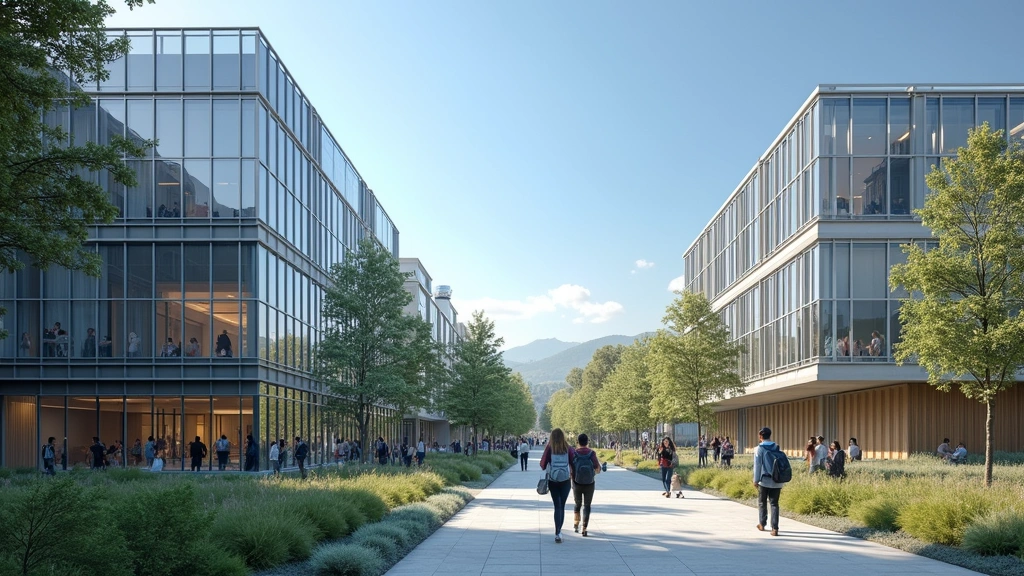
The Ozark campus sits strategically in Northwest Arkansas, a region experiencing explosive growth in technology sectors. This location advantage cannot be overstated—students benefit from proximity to major tech employers, innovation centers, and networking opportunities that typically require relocation at other institutions. The campus itself spans modern facilities designed with student success in mind, featuring collaborative learning spaces and technology-equipped classrooms that reflect contemporary workplace environments.
Arkansas Tech’s Ozark location places students within driving distance of major corporate headquarters and startup incubators. This geographic advantage translates to internship opportunities, guest lectures from industry professionals, and recruitment events that occur regularly on campus. The surrounding Ozark region has become increasingly attractive to tech companies seeking talent and cost-effective operations, creating a symbiotic relationship between the campus and local industry.
The campus design emphasizes connectivity and accessibility. Modern parking facilities, accessible buildings, and student-centered layouts reduce friction in daily campus life. Unlike sprawling mega-campuses, the Ozark facility maintains an intimate scale while offering comprehensive resources—a balance many students find ideal for focused learning without feeling lost in bureaucracy.
Academic Programs and Specializations
Arkansas Tech Ozark offers carefully curated degree programs targeting high-demand technical fields. The curriculum development process involves continuous consultation with employers, ensuring that coursework remains aligned with industry needs. This employer-centric approach distinguishes the campus from institutions that operate in relative isolation from market realities.
The computer information systems program stands as a flagship offering, covering networking, cybersecurity, database management, and enterprise systems. Students engage with industry-standard tools and platforms rather than outdated alternatives, creating immediate relevance. The program culminates in capstone projects that often address real business challenges, giving students portfolio pieces that impress future employers.
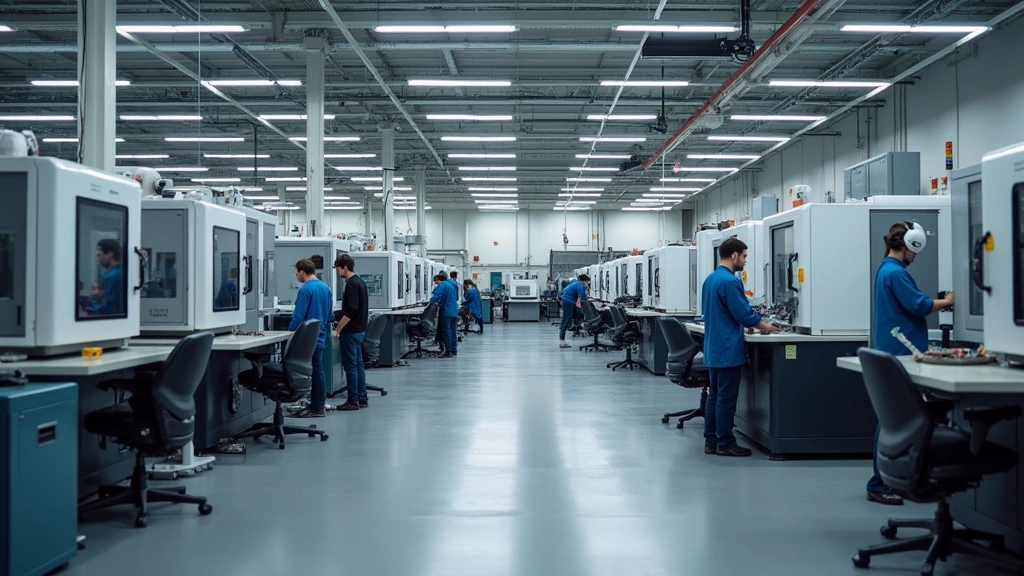
Engineering technology programs emphasize practical applications alongside theoretical foundations. Whether focusing on mechanical, electrical, or manufacturing technology, students work in state-of-the-art labs with equipment matching what they’ll encounter in professional settings. This hands-on orientation means graduates require minimal onboarding compared to traditionally-educated peers.
For those interested in accelerated coding skill development, the programming sequences provide structured pathways. The institution recognizes that coding competency requires consistent practice and feedback, so labs are scheduled generously throughout curricula rather than compressed into single courses.
Business technology and information management programs serve students seeking to bridge technical and business domains. These programs address the growing need for professionals who understand both technology implementation and business strategy—a combination commanding premium salaries in the job market.
Facilities and Technology Infrastructure
The technological foundation supporting Arkansas Tech Ozark’s educational mission deserves close examination. Campus-wide high-speed internet connectivity, redundant systems, and cloud integration create an environment where technical learning extends beyond classrooms into daily student life. This immersion in technology-rich environments accelerates skill development organically.
Laboratory facilities showcase current industry equipment. Cybersecurity labs simulate real attack scenarios safely. Networking labs feature Cisco equipment matching enterprise configurations. Manufacturing labs house modern CNC machines and robotics platforms. This investment in authentic equipment means students graduate with genuine hands-on experience rather than simulation-only training.
The Arkansas Tech OneTech platform integrates learning management, collaboration tools, and assessment systems into a unified ecosystem. This integrated approach reduces the fragmentation students experience at institutions where technology tools remain siloed and disconnected.
Computer labs remain accessible outside scheduled classes, supporting self-directed learning and project development. This 24/7 availability recognizes that technical skill development often requires extended practice sessions beyond formal instruction time. The labs feature current hardware configurations, avoiding the frustration of learning on obsolete systems.
Classroom technology extends beyond basic projection and audio systems. Interactive displays, real-time collaboration tools, and virtual lab access enable teaching methods aligned with modern workplace practices. Instructors trained in these technologies create learning experiences that feel contemporary rather than dated.
Student Experience and Community
The student body at Arkansas Tech Ozark represents diverse backgrounds and motivations—traditional students fresh from high school, working professionals pursuing advancement, and career-changers seeking new directions. This diversity enriches classroom discussions and project collaborations, exposing students to varied perspectives and approaches.
Student organizations focused on technology provide valuable networking and skill-building opportunities beyond formal curriculum. Coding clubs, cybersecurity competitions, and engineering societies connect students with peers sharing similar interests. These informal learning communities often prove as valuable as classroom instruction for motivation and knowledge exchange.
Mentorship programs pair students with industry professionals, creating relationships that extend beyond campus boundaries. These connections frequently blossom into internship opportunities, job offers, and long-term career guidance—invaluable resources that formal career services struggle to replicate at scale.
Campus life balances academic intensity with recreational and social opportunities. Students report that the Ozark location’s natural beauty provides respite from technical studies, while proximity to regional attractions offers weekend entertainment options without requiring extensive travel. This balance supports mental health and prevents the burnout that sometimes accompanies technical degree programs.
Housing options include traditional dormitories and off-campus apartments, accommodating different preferences and budgets. The residential community develops strong bonds through shared experiences, creating networks that often last throughout careers. For commuter students, flexible class scheduling and online components provide necessary flexibility without compromising educational quality.
Career Outcomes and Employer Connections
Graduate employment rates and salary data provide objective measures of program effectiveness. Arkansas Tech Ozark consistently reports placement rates exceeding 85% within six months of graduation, with average starting salaries in technical fields ranging from $45,000 to $65,000 depending on specialization. These metrics compare favorably with national averages for similar programs.
Employer partnerships create direct pathways from classroom to employment. Companies including major Fortune 500 firms and regional technology leaders maintain active recruitment relationships with the campus. Some employers sponsor capstone projects, ensuring student work addresses real business challenges while offering networking opportunities.
The strategic location advantages translate directly into career benefits. Graduates remain geographically proximate to employers, facilitating ongoing professional relationships. Many students secure employment before graduation through internships that convert to full-time positions, reducing the post-graduation job search stress that affects graduates from more distant institutions.
Alumni networks organized by industry sector provide ongoing professional development and networking throughout careers. These communities facilitate job transitions, skill advancement, and entrepreneurial ventures. Graduates report that alumni connections prove instrumental in career progression, often more valuable than degree credentials alone.
Graduate school preparation ranks among program strengths for students pursuing advanced degrees. The rigorous technical foundation and research exposure prepare students well for graduate study in computer science, engineering, and related fields. Graduate school acceptance rates for Arkansas Tech Ozark students exceed 70%, indicating academic preparation at competitive levels.
Admission Requirements and Process
Admission to Arkansas Tech Ozark balances accessibility with academic standards. Most programs require a minimum 2.5 high school GPA or equivalent, with competitive programs sometimes requesting higher standards. SAT/ACT scores remain optional for some programs, reflecting evolving perspectives on standardized test predictive validity.
The application process emphasizes efficiency without sacrificing holistic evaluation. Beyond transcripts and test scores, admissions officers consider demonstrated interest in technology, relevant work experience, and personal statements explaining educational motivations. This comprehensive approach identifies motivated students who might not excel on standardized measures but possess genuine commitment to technical fields.
For transfer students, Arkansas Tech Ozark maintains articulation agreements with community colleges throughout Arkansas, facilitating smooth transitions and credit recognition. This pathway significantly reduces total degree cost while maintaining educational quality, making advanced technical education more accessible to students with financial constraints.
International students find clear pathways through established visa sponsorship and ESL support programs. The campus actively recruits globally, recognizing that diverse student backgrounds strengthen technical education. International student services coordinate housing, orientation, and academic support tailored to their needs.
Cost and Financial Aid Options
Total cost of attendance for Arkansas Tech Ozark students averages $20,000-$28,000 annually including tuition, fees, housing, and living expenses. For in-state students, tuition represents a fraction of costs at private institutions, maintaining Arkansas Tech’s commitment to affordable technical education. Out-of-state rates, while higher, remain competitive compared to technical programs at peer institutions.
Financial aid packages combine federal loans, grants, and institutional scholarships. Merit scholarships reward academic achievement and test performance, while need-based aid ensures that financial circumstances don’t prevent capable students from enrolling. Work-study opportunities on campus provide income while building professional experience.
Employer tuition assistance programs supplement institutional aid for working students. Many regional employers offer educational benefits for employees pursuing technical degrees, effectively reducing net costs to zero. Discussing benefits with current employers before enrollment can significantly impact financial planning.
Scholarship opportunities specifically targeting underrepresented groups in technology—women, minorities, and first-generation students—expand access to students who might otherwise face financial barriers. These targeted programs reflect institutional commitment to diversifying technical fields while addressing documented talent shortages in certain demographics.
Comparison with Alternative Programs
When evaluating Arkansas Tech Ozark against alternatives, consider program-specific factors rather than broad institutional rankings. For technical education emphasizing practical skills and employer connections, this campus often outperforms larger research universities where undergraduate education receives secondary priority.
Compared to bootcamp-style coding programs, Arkansas Tech Ozark offers broader educational foundations and degree credentials that benefit long-term career flexibility. While bootcamps accelerate entry into specific technical roles, traditional degree programs provide intellectual breadth and theoretical understanding supporting career evolution across multiple specializations.
Community college alternatives provide lower costs but may require subsequent transfer to obtain bachelor’s degrees. The strategic location and integrated facilities at Arkansas Tech Ozark eliminate transfer friction, potentially reducing total time and cost despite higher initial expenses.
For students considering equipment investments, the campus provides laboratory access reducing personal technology costs. This shared resource model makes technical education more affordable than programs requiring substantial personal equipment purchases.
Online and hybrid alternatives offer flexibility but sacrifice the community and hands-on laboratory experiences that distinguish Arkansas Tech Ozark’s approach. Students valuing immersive learning environments and face-to-face mentorship typically find on-campus programs more satisfying than remote alternatives.
Compared to prestigious but expensive private technical institutions, Arkansas Tech Ozark offers similar educational quality at substantially lower cost. The trade-off involves less extensive networking with wealthy alumni and smaller endowment resources, but graduates report that employer recognition and practical skills matter far more than institutional prestige in technical fields.
FAQ
What is the student-to-faculty ratio at Arkansas Tech Ozark?
The Ozark campus maintains approximately 18:1 student-to-faculty ratios in most programs, enabling meaningful instructor interaction while preserving course diversity. Technical programs often feature smaller lab sections with ratios near 12:1, ensuring adequate hands-on guidance. This scale significantly exceeds large state universities where ratios exceed 30:1, particularly in foundational courses.
Does Arkansas Tech Ozark offer online or hybrid learning options?
Yes, select programs offer hybrid and fully online components accommodating working professionals and students requiring scheduling flexibility. However, technical programs emphasize in-person laboratory work, limiting full remote completion. Most students pursue hybrid models combining online lectures with required on-campus lab sessions, balancing flexibility with hands-on learning essential for technical competency.
What support services exist for struggling students?
Comprehensive academic support includes tutoring centers, peer mentoring, and supplemental instruction coordinated by department faculty. Success coaching helps students develop study strategies and time management skills. Early alert systems identify at-risk students, enabling proactive intervention before performance deteriorates. Mental health counseling and disability services ensure support extends beyond academics.
Are internships required or guaranteed?
While internships aren’t universally required, most technical programs strongly encourage participation and facilitate connections with employers. Career services maintains active internship listings and supports student applications. The regional employer presence means internship opportunities remain abundant, though individual student initiative determines actual participation and quality of placements.
How does Arkansas Tech Ozark stay current with rapidly evolving technology?
Curriculum committees include practicing industry professionals ensuring course content reflects current practices. Equipment budgets prioritize recent technologies over cost-saving older alternatives. Faculty participate in professional development and industry certifications maintaining current expertise. Industry partnerships provide access to emerging tools and methodologies before they become universally adopted.
What is the campus culture like regarding diversity and inclusion?
The campus actively promotes inclusive culture through diversity initiatives, affinity groups, and culturally responsive programming. Technical fields historically lack diversity, and Arkansas Tech Ozark works intentionally to address this through recruitment, support programs, and inclusive curriculum design. Student organizations representing various backgrounds create welcoming communities for underrepresented students.
Can I pursue a bachelor’s degree starting from high school?
Yes, Arkansas Tech Ozark offers four-year bachelor’s degree programs accepting high school graduates directly. Alternatively, students can begin at community colleges with articulation agreements, transferring after two years with credits fully recognized. This flexibility accommodates different preparation levels and financial circumstances while maintaining degree credential quality.
What industries hire Arkansas Tech Ozark graduates?
Graduates find employment across technology, manufacturing, healthcare IT, financial services, government, and energy sectors. The regional economy’s technology concentration particularly benefits computer science and cybersecurity graduates. Engineering technology graduates work across manufacturing and infrastructure industries. Business technology graduates transition into consulting, banking, and corporate IT roles.
The rapidly evolving technology landscape creates sustained demand for graduates across industries, with emerging fields like artificial intelligence and cloud computing particularly active in recruiting.


