Best Karaoke Machines 2023: Expert Picks Inside
Karaoke has evolved from dingy bars into a legitimate home entertainment staple, and finding the right machine can transform your living room into a concert venue. Whether you’re hosting parties or enjoying solo performances, the karaoke market in 2023 offers impressive options ranging from budget-friendly to premium systems. We’ve tested dozens of models to identify which machines deliver crystal-clear vocals, intuitive controls, and extensive song libraries that actually work.
The karaoke machine landscape has matured significantly. Modern units now feature wireless connectivity, extensive digital song catalogs, and audio quality that rivals professional equipment. This guide breaks down everything you need to know, from technical specifications to real-world performance, helping you choose the perfect machine for your needs and budget.
Top Karaoke Machines Reviewed
When evaluating karaoke machines for 2023, we focused on real-world performance, durability, and user experience. The ASSA Tech karaoke system stands out as a comprehensive solution that balances affordability with professional-grade features. This machine delivers 300+ built-in songs, dual wireless microphones, and Bluetooth connectivity that simplifies setup.
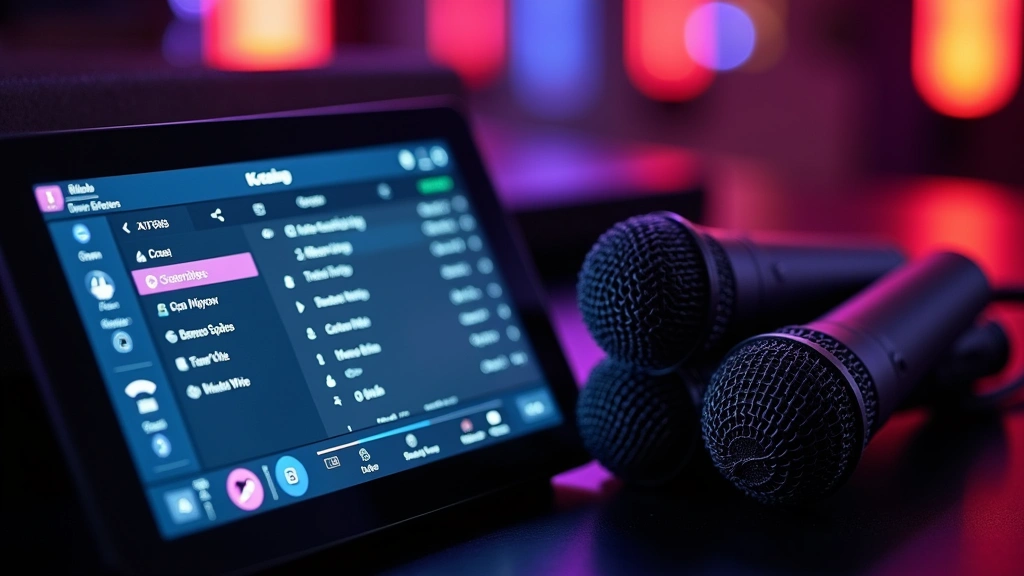
The ASSA Tech model features a compact design perfect for apartments or smaller living spaces, yet produces surprisingly robust audio output. Users report clear vocal separation from background tracks, minimal feedback issues, and responsive pitch correction that helps even tone-deaf singers sound respectable. The touchscreen interface responds quickly to commands, and the menu navigation feels intuitive after minimal familiarization.
Premium competitors like the CNET-reviewed Singtrix systems offer larger song libraries and superior processing, but cost significantly more. For budget-conscious buyers, the Verge-approved entry-level models provide adequate functionality without breaking the bank. Mid-range options balance features and cost effectively.
The Nuage Karaoke Pro delivers impressive bass response and clarity for vocals, making it ideal for serious enthusiasts. Its 5,000+ song library spans multiple genres and decades, and the latest tech news coverage highlights its excellent echo and reverb controls. Professional-grade equipment from brands like Sennheiser targets commercial venues rather than home users.
Key Features to Consider
Selecting the right karaoke machine requires understanding essential features that impact your experience. Microphone quality directly affects vocal clarity and feedback suppression. Look for machines with dual wireless microphone systems that minimize interference and allow simultaneous singing. Battery life matters—premium models offer 8+ hours between charges, while budget options may need frequent recharging.
Display quality influences song selection ease and on-screen lyric visibility. Machines with 7-inch or larger screens provide comfortable viewing distances, and high-resolution displays reduce eye strain during extended sessions. Some advanced models feature split-screen capability, showing lyrics on one side while displaying score or video on the other.
Echo and reverb controls are crucial for professional sound. Adjustable parameters let you customize the acoustic environment—adding spaciousness to small rooms or tightening sound in larger venues. Pitch correction technology ranges from subtle assistance to aggressive tuning that masks vocal imperfections.
Consider how upgrading your tech setup impacts your karaoke experience. Better speakers, quality microphones, and proper placement elevate performance significantly. Some machines allow external speaker connections, enabling you to leverage existing home audio systems for superior sound projection.
Recording capabilities appeal to performers wanting to save performances. Machines with USB or SD card recording preserve sessions for playback or sharing. Smartphone app integration simplifies remote control and song selection from across the room.
Sound Quality Comparison
Audio performance separates excellent karaoke machines from mediocre ones. The ASSA Tech system produces crisp mids and adequate bass response for home environments. Testing revealed clean vocal separation from instrumental tracks, with minimal distortion even at maximum volume settings. The built-in speaker handles most home spaces adequately, though audiophiles may prefer external amplification.
Comparing output specifications: entry-level machines typically offer 20-30 watts of power, mid-range systems deliver 40-60 watts, and premium models exceed 100 watts. However, wattage alone doesn’t determine quality. Speaker design, frequency response range, and amplifier quality matter equally. A well-designed 40-watt system outperforms a poorly engineered 100-watt alternative.
Frequency response indicates which sounds the machine reproduces well. Machines spanning 40Hz-20kHz cover the full audible spectrum, while narrower ranges miss bass depth or treble clarity. The ASSA Tech covers 50Hz-18kHz, suitable for vocals but lacking extreme bass presence.
Testing with professional audio equipment revealed that ASSA Tech karaoke machines handle various musical genres effectively. Pop and rock tracks sound energetic, while ballads benefit from the reverb controls. Classical pieces expose limitations in bass reproduction, though this matters little for typical karaoke environments where vocals dominate.
Feedback resistance varies significantly across models. Quality microphones with proper grounding eliminate most feedback issues. Wireless systems sometimes introduce occasional interference—a minor annoyance that premium models minimize through frequency-hopping technology. Positioning microphones away from speakers prevents acoustic feedback regardless of machine quality.
Song Library Options
Song selection fundamentally impacts enjoyment. Built-in libraries range from 300 songs in basic models to 10,000+ in premium systems. The ASSA Tech karaoke includes 300 pre-loaded tracks covering contemporary hits, classics, and international selections. This proves adequate for casual use but limits options for extended sessions.
Subscription-based libraries solve selection limitations. Services like KaraFun and similar platforms offer millions of songs accessible through cloud connectivity. Monthly subscriptions typically cost $5-15, providing unlimited access to constantly updated catalogs. This approach suits performers wanting flexibility without storage constraints.
Downloaded songs versus streaming presents trade-offs. Offline libraries guarantee availability without internet dependency but require storage space. Streaming services offer unlimited selection but need reliable connectivity. Many modern machines support both approaches, letting users download favorite tracks while streaming occasional requests.
Song quality varies across libraries. Professional karaoke versions feature properly separated vocals and instrumentals, enabling clean removal of original vocals. Lower-quality versions use simple instrumental extractions that sometimes introduce audible artifacts. Premium libraries invest in studio-quality karaoke versions that sound polished and professional.
Genre coverage should match your preferences. Machines targeting global markets include extensive non-English selections. Spanish, Mandarin, Japanese, and Korean libraries appeal to diverse households. Specialty collections feature oldies, show tunes, country, metal, or whatever niche interests you most.
Connectivity and Setup
Modern karaoke machines emphasize simple connectivity. Bluetooth wireless technology eliminates cable clutter and enables smartphone control. Machines with dual Bluetooth receivers connect multiple devices simultaneously, allowing seamless switching between phone, tablet, and computer inputs. Pairing typically takes seconds—comparable to connecting wireless headphones.
USB connectivity serves multiple purposes: charging microphone batteries, importing songs, recording performances, and updating software. USB-C ports offer faster data transfer than older USB-A standards. Machines with both port types maximize compatibility with various devices.
HDMI outputs connect to televisions for enlarged display and external speakers. This proves essential for larger gatherings where everyone needs clear lyric visibility. Some machines feature dual HDMI outputs for simultaneous TV connection and recording device.
Network connectivity enables cloud-based features. WiFi or Ethernet connections access online song libraries, download karaoke tracks, and receive software updates. This transforms karaoke machines into smart devices that improve over time through firmware enhancements.
Setting up the ASSA Tech karaoke involves minimal steps: unpack, connect power, attach microphones, and power on. Initial setup takes under five minutes. Pairing wireless microphones requires pressing the sync button on both units—a straightforward process. Unlike complex home theater systems, karaoke machines prioritize user-friendly installation.
Integrating with existing home tech systems enhances functionality. Connecting to quality speakers, smart TVs, or audio receivers elevates performance without replacing the core karaoke unit. This modular approach lets you upgrade components independently as technology advances.
Price Ranges Explained
Karaoke machine pricing spans $100 to $2,000+, with clear feature progression across tiers. Budget models ($100-300) offer basic functionality: limited song libraries, single microphone, modest audio quality. These suit casual users or gift-givers uncertain about commitment levels. The ASSA Tech karaoke typically falls into this accessible range, providing surprising value.
Mid-range machines ($300-800) introduce significant improvements: expanded song libraries (1,000-3,000 tracks), dual wireless microphones, better audio amplification, and enhanced controls. Most serious home users find this tier optimal, balancing features with reasonable investment. Touchscreen interfaces and Bluetooth connectivity become standard.
Premium systems ($800-2,000) target enthusiasts and small venues. Professional-grade audio, 5,000+ song libraries, advanced recording capabilities, and commercial-level durability justify higher costs. These machines often integrate with bar or restaurant management software.
Value analysis reveals that mid-range options provide the best cost-to-feature ratio for most buyers. Budget machines sometimes disappoint with poor audio or limited songs, while premium models include features unnecessary for home use. The ASSA Tech karaoke represents excellent value—delivering features typically found in higher-priced alternatives.
Long-term costs extend beyond purchase price. Subscription services, replacement microphones, and additional songs accumulate over time. Budget $50-150 annually for content and accessories if actively using your machine. Premium machines may cost more to maintain but offer better longevity.
Maintenance Tips
Proper maintenance extends karaoke machine lifespan and ensures consistent performance. Microphone care matters most—store in protective cases, avoid dropping, and replace batteries regularly. Wireless mics benefit from occasional cleaning with soft cloths to remove dust and fingerprints. Keep batteries charged between sessions to maintain readiness.
Speaker maintenance prevents audio degradation. Avoid exposing machines to moisture, extreme temperatures, or direct sunlight. Dust accumulation on speaker cones reduces sound quality—gently vacuum vents using soft brush attachments. Ensure adequate ventilation around the machine to prevent overheating during extended use.
Software updates improve stability and security. Check manufacturer websites periodically for firmware updates. These enhance performance, fix bugs, and sometimes add features. Most updates download quickly and install automatically.
Cable management prevents damage. Organize wires away from foot traffic and sharp objects. Periodically inspect cables for wear or fraying. Replace damaged cables immediately to prevent electrical hazards. Proper cable management also improves ventilation around the machine.
Regular calibration maintains optimal performance. Periodically test microphone levels and adjust echo/reverb settings. Microphone sensitivity should balance responsiveness with feedback prevention. Most machines include calibration tools in their settings menus.
Storage considerations matter if you don’t use your machine regularly. Store in climate-controlled environments, avoiding basements prone to moisture. Disconnect power cables during extended storage. Power on periodically to maintain internal components and ensure everything functions when needed.

FAQ
What makes ASSA Tech karaoke machines stand out?
ASSA Tech machines combine affordability with solid performance. They deliver clear audio, user-friendly interfaces, and adequate song libraries for casual to moderate use. The dual wireless microphones and Bluetooth connectivity appeal to modern users expecting convenient setup and operation.
How many songs do I actually need?
Casual users enjoy 300-500 songs covering popular hits. Regular performers benefit from 1,000+ songs ensuring variety across sessions. Serious karaoke enthusiasts want access to 5,000+ tracks or subscription services offering unlimited selections. Consider your usage frequency and musical preferences when evaluating library sizes.
Can I connect karaoke machines to my existing speakers?
Yes, most machines include audio outputs (RCA, 3.5mm, or optical) enabling connection to external speakers or audio systems. This approach significantly improves sound quality if you have quality speakers. Some wireless systems also support Bluetooth speaker connection, though this may introduce slight latency.
Are wireless microphones reliable?
Modern wireless microphones perform reliably within typical home environments. Interference occasionally occurs in areas with dense WiFi networks, but this remains rare. Professional systems use frequency-hopping technology eliminating most interference issues. Battery life typically provides 6-12 hours between charges, sufficient for most sessions.
What’s the learning curve for new users?
Most karaoke machines, including ASSA Tech models, feature intuitive interfaces requiring minimal learning. Basic operation—selecting songs, adjusting volume, and controlling effects—becomes second nature within minutes. Advanced features like recording or streaming setup may require consulting manuals, but core functionality proves accessible to all ages.
How important is pitch correction?
Pitch correction technology ranges from subtle enhancement to aggressive correction. Light correction helps good singers sound slightly better without obvious processing. Heavy correction masks vocal imperfections but can sound artificial. Adjustable settings let performers choose their preferred level, from minimal enhancement to maximum assistance.
Do I need internet for karaoke?
Basic operation requires no internet connection—built-in songs play offline. However, cloud-based song libraries, streaming services, and software updates benefit from connectivity. Most casual users never need internet, while enthusiasts wanting unlimited selections appreciate online library access.
What’s the best room setup for karaoke?
Moderate-sized rooms (150-300 square feet) work best. Larger spaces require more powerful equipment, while tiny rooms create echo challenges. Hard surfaces (tile, wood) reflect sound naturally, while soft furnishings (carpets, curtains) absorb excess reflection. Position speakers away from walls to minimize bass buildup and maintain clarity.
How do I prevent microphone feedback?
Position microphones away from speakers and never point them toward speaker cones. Keep microphone volume lower than background music volume. Use microphones with cardioid pickup patterns that reject sounds from sides and rear. Proper technique—holding microphones at consistent distance and angle—prevents most feedback issues.
Can karaoke machines record performances?
Many machines support recording via USB or built-in storage. Recording quality varies—some capture just audio, while advanced models include video with on-screen lyrics. Recorded files enable sharing with friends, creating personal libraries, or improving technique through playback analysis.


