Are Tech Shorts Good for Running? Expert Insight on Performance Athletic Wear
The running apparel market has undergone a dramatic transformation over the past decade, with tech-infused athletic shorts emerging as a game-changer for serious and casual runners alike. Modern tech shorts integrate advanced fabric technologies, moisture-wicking systems, and smart features that traditional running shorts simply cannot match. But are they truly worth the premium price tag, and do they actually deliver on their performance promises? This comprehensive guide examines the science behind tech shorts, their real-world performance benefits, and whether they’re the right choice for your running routine.
Whether you’re training for a marathon, logging daily miles, or enjoying weekend jogs, the right gear can make a meaningful difference in comfort, injury prevention, and overall enjoyment. Tech shorts represent a significant evolution in athletic wear engineering, combining cutting-edge materials science with biomechanical research. We’ll explore what makes these shorts different, how they compare to conventional options, and which features actually matter for your specific running needs.

What Are Tech Shorts and How Do They Work?
Tech shorts represent a category of athletic wear engineered with advanced synthetic materials, integrated smart features, and precision construction designed specifically for high-performance running. Unlike basic athletic shorts, tech shorts incorporate multiple layers of specialized fabrics that work synergistically to manage moisture, regulate temperature, reduce chafing, and provide anatomical support. These shorts often feature integrated compression panels, strategic ventilation zones, and ergonomic pocket designs that accommodate modern runner needs.
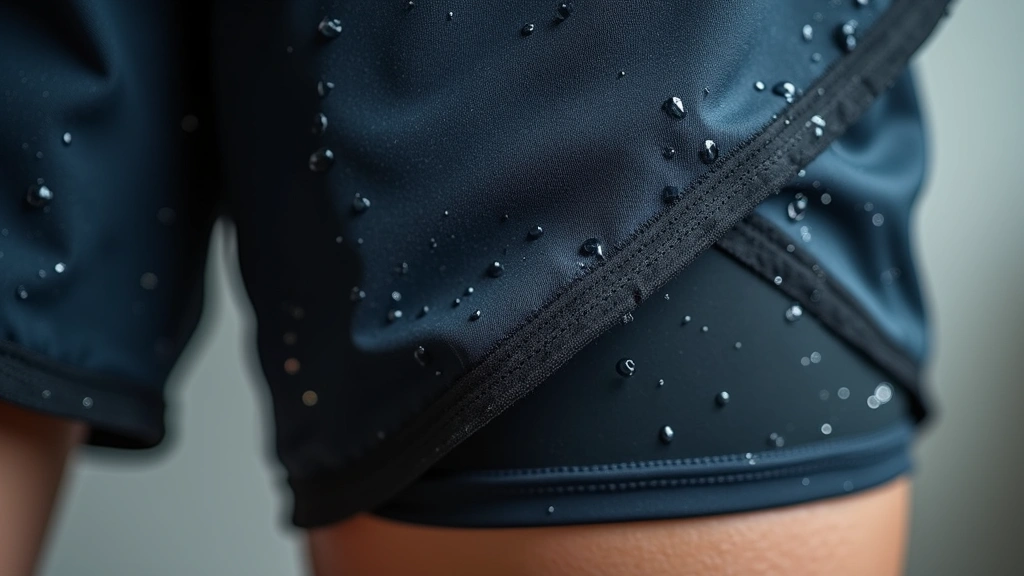
The fundamental principle behind tech shorts is the science of thermoregulation and moisture management. During intense running sessions, your body generates substantial heat and perspiration. Traditional cotton or basic polyester shorts absorb this moisture, creating a heavy, uncomfortable garment that clings to your skin. Tech shorts use hydrophobic (water-repelling) synthetic fabrics that actively push moisture away from your skin toward the outer layers, where it can evaporate more efficiently. This process, called moisture-wicking, keeps you dry, cool, and more comfortable throughout your run.
Beyond basic moisture management, many tech shorts incorporate additional technologies like antimicrobial treatments, UV protection, reflective elements for safety, and even embedded sensors that track running metrics. The construction methodology differs significantly from traditional shorts, with strategic seam placement, flatlock stitching (which prevents chafing), and ergonomic cuts that follow your body’s natural movement patterns. Understanding these design principles helps explain why tech shorts command premium pricing in the athletic apparel market.
Key Technologies in Modern Running Shorts
Contemporary tech shorts integrate multiple proprietary technologies developed through extensive research and testing. Moisture-wicking fabrics form the foundation, using hydrophobic polymer structures that repel water while allowing vapor to pass through. Leading manufacturers employ advanced weaving techniques to maximize this effect, often combining different fiber types within a single fabric layer. The result is clothing that remains remarkably dry even during intense sweat production.
Compression technology represents another critical innovation in modern athletic shorts. Strategic compression panels support major muscle groups, reduce vibration during running, and improve blood circulation. Research published by sports science institutions demonstrates that moderate compression can enhance oxygen delivery to muscles, potentially improving endurance performance and reducing post-run soreness. Compression shorts help stabilize your glutes, quadriceps, and hamstrings, reducing unnecessary muscle movement and associated fatigue.
Seamless construction eliminates traditional stitch lines that commonly cause friction and chafing during long runs. Flatlock stitching, where seams are sewn flat against the fabric rather than raised, further reduces irritation. Many premium tech shorts feature zero-seam designs in high-friction zones, using bonded fabric edges instead of traditional stitching. This innovation alone has revolutionized the comfort experience for distance runners who previously struggled with chafe marks on inner thighs and glute areas.
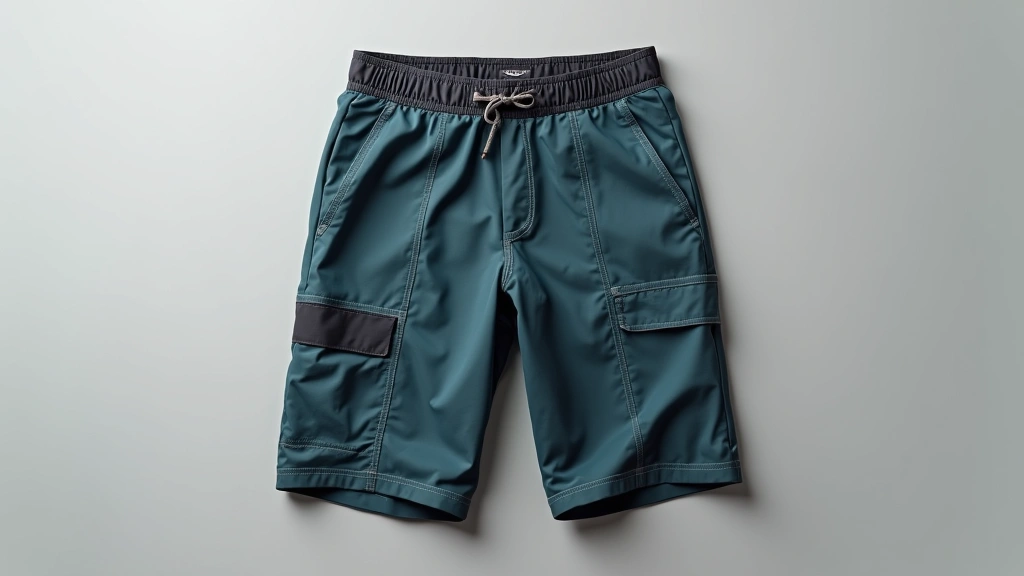
Integrated pocket technology has also evolved dramatically. Modern tech shorts feature secure pockets with zippered closures, internal phone compartments with sweat-resistant linings, and strategically positioned storage that doesn’t create bulk or movement during running. Some brands incorporate RFID-blocking technology for security, while others use reflective pocket trim for visibility during low-light running sessions.
Temperature-regulating fabrics represent the cutting edge of athletic wear innovation. Certain tech shorts use phase-change materials or specialized fibers that absorb excess heat when you’re overheating and release it when your body temperature drops. This thermoregulation technology maintains an optimal skin temperature range, improving comfort and potentially enhancing performance during temperature-variable running conditions.
Performance Benefits for Runners
The performance advantages of tech shorts extend far beyond simple comfort improvements. Technology innovation in athletic wear directly impacts running economy, injury prevention, and overall training effectiveness. When you wear properly engineered tech shorts, your body expends less energy managing discomfort, allowing you to focus mental resources on pace, breathing, and form.
Reduced chafing ranks among the most immediate and noticeable benefits. Chafing isn’t merely uncomfortable—it’s a legitimate injury that can derail training plans and cause lasting skin damage. Tech shorts’ seamless construction, moisture-wicking properties, and anti-friction fabrics virtually eliminate this problem. Runners report completing 10+ mile runs without any chafe marks, a significant achievement compared to traditional shorts that often cause visible irritation after 5-6 miles.
Enhanced moisture management keeps your core temperature lower during runs. This thermoregulatory benefit becomes increasingly important during longer distances and warmer weather conditions. By maintaining optimal body temperature, tech shorts help prevent heat exhaustion, reduce perceived exertion, and potentially improve your finishing pace. Studies indicate that runners wearing advanced moisture-wicking gear complete workouts with lower core temperatures and reduced cardiovascular strain.
Improved muscle support through compression technology reduces muscle oscillation and vibration during ground contact. This stabilization effect decreases muscle fatigue accumulation, potentially extending how long you can maintain your target pace. Many runners report improved leg responsiveness and reduced muscle soreness 24-48 hours after runs completed in compression-integrated tech shorts.
Psychological confidence shouldn’t be underestimated as a performance factor. Wearing premium tech shorts creates a mental association with serious training and commitment. This psychological edge can enhance motivation, improve focus during difficult workouts, and contribute to overall training consistency—factors that significantly impact long-term running performance and fitness development.
Material Science and Fabric Innovation
Understanding the materials used in tech shorts provides insight into why they perform so differently from traditional athletic wear. Modern running shorts typically employ synthetic fabrics like nylon, polyester, and specialized blends engineered for specific performance characteristics. Nylon fabrics offer exceptional durability, abrasion resistance, and quick-drying properties, making them ideal for high-friction areas and extending garment lifespan. Polyester provides excellent color retention, UV protection, and moisture-wicking capabilities.
Advanced manufacturers combine these base materials with proprietary treatments and weaving techniques. Elastane (spandex) integration provides stretch and recovery properties, allowing shorts to move with your body while maintaining their shape through hundreds of wash cycles. High-quality tech shorts typically contain 15-25% elastane, providing optimal stretch without excessive bagginess or loss of support.
The fabric weight significantly impacts performance characteristics. Lightweight fabrics (under 100 grams per square meter) provide minimal bulk and maximum breathability, ideal for warm-weather running. Mid-weight fabrics (100-150 GSM) offer balanced performance across temperature ranges, while heavier fabrics provide more coverage and support for cooler conditions. Understanding your primary running environment helps determine optimal fabric weight for your needs.
Antimicrobial treatments embedded in many tech shorts reduce odor-causing bacteria, extending the time between washes and maintaining freshness through multiple runs. These treatments use silver ions or similar technology to inhibit bacterial growth without requiring harsh chemicals. This innovation proves particularly valuable for runners completing multiple workouts weekly, as it reduces laundry frequency while maintaining hygiene.
UV-protective fabrics incorporate special dyes and weave structures that block harmful ultraviolet radiation. For runners training outdoors, especially in sunny climates, UV protection prevents sun damage to skin and reduces overall heat absorption. Many tech shorts achieve UPF 50+ ratings, providing maximum protection during extended outdoor running sessions.
Comparison with Traditional Athletic Shorts
The differences between tech shorts and traditional athletic wear become immediately apparent during actual running. Standard athletic shorts typically use cotton-polyester blends or basic synthetic fabrics that absorb moisture rather than repel it. This fundamental difference creates a cascade of performance disadvantages. Cotton absorbs sweat and becomes heavy, creating uncomfortable friction and increasing chafing risk. The wet fabric clings to your skin, reducing cooling efficiency and making your body work harder to maintain optimal temperature.
Traditional shorts often feature visible stitching in high-friction zones, creating potential chafe points that develop into painful irritation during longer runs. Basic construction methods prioritize cost reduction over ergonomic design, resulting in shorts that don’t conform to your body’s natural movement patterns. Many conventional shorts feature loose, baggy cuts that create excess fabric bunching, increasing drag and reducing the streamlined movement you want during running.
Pocket design exemplifies the engineering differences. Traditional athletic shorts often lack secure pockets or feature shallow designs where items bounce and shift during running. Tech shorts incorporate strategically positioned, reinforced pockets with secure closures that keep phones, keys, and gels stable and accessible without creating bulk or movement interference.
Longevity and durability strongly favor tech shorts. Premium tech shorts maintain their shape, support, and performance characteristics through 100+ wash cycles, while traditional shorts often lose elasticity and develop permanent stretching after 20-30 washes. The superior fabric quality and construction methods in tech shorts translate to longer garment lifespan and better long-term value despite higher initial costs.
For serious runners logging 20+ miles weekly, the cumulative comfort and performance benefits of tech shorts become undeniable. The reduction in chafing, improved moisture management, and enhanced support create measurably better running experiences compared to traditional options. However, for casual runners completing 5-10 miles weekly at easy paces, traditional shorts may provide adequate functionality at substantially lower cost.
Top Brands and Models to Consider
The athletic apparel market offers numerous excellent tech shorts options, each with distinct strengths and design philosophies. Leading tech reviewers consistently recognize brands that balance innovation with practical performance benefits. Nike Dri-FIT shorts represent the market standard, featuring proven moisture-wicking technology, secure pockets, and flatlock seams. Nike’s extensive research and development investment ensures reliable performance across diverse running conditions and distances.
Adidas Ultraboost shorts integrate compression technology with advanced moisture management, providing excellent support for runners seeking enhanced muscle stabilization. The brand’s proprietary fabric treatments offer superior antimicrobial properties and UV protection, making them ideal for outdoor enthusiasts training in varied conditions.
Lululemon ABC shorts represent premium positioning with exceptional build quality, innovative pocket systems, and temperature-regulating fabrics. While significantly more expensive than mainstream options, Lululemon’s commitment to fabric innovation and construction excellence delivers measurable performance advantages for serious runners.
Brooks Sherpa shorts focus specifically on runner needs, incorporating race-tested designs with minimal seams, secure storage, and reflective elements. Brooks’ deep expertise in running biomechanics translates into shorts engineered specifically for running rather than general athletic activities.
Salomon S/Lab shorts appeal to trail runners and ultramarathoners, featuring rugged construction, aggressive compression, and cargo pockets for extended adventures. Salomon’s trail-running heritage ensures these shorts perform exceptionally in technical terrain and extreme conditions.
When selecting tech shorts, consider your primary running environment, weekly mileage, body type, and specific performance priorities. Testing multiple brands through rental services or purchase trials helps identify which designs work best for your unique biomechanics and preferences.
Durability and Longevity Analysis
Investing in tech shorts requires understanding their durability characteristics and realistic lifespan expectations. Premium tech shorts typically remain fully functional for 12-24 months of regular use, representing approximately 300-500 running miles depending on care and usage patterns. This extended lifespan significantly improves cost-per-wear compared to traditional shorts requiring replacement every 6-12 months.
The durability advantage stems from superior fabric quality and construction methods. High-grade synthetic materials resist pilling, fading, and elasticity loss much better than basic alternatives. Reinforced seams and strategic stitching placement distribute stress more evenly, reducing failure points. Antimicrobial treatments and UV protection remain effective through many wash cycles, maintaining the shorts’ key performance benefits throughout their lifespan.
Proper care extends durability significantly. Washing in cold water, using gentle detergents, and air-drying rather than machine drying preserves fabric integrity and elasticity. Avoiding fabric softeners, which coat synthetic fibers and reduce moisture-wicking effectiveness, maintains performance characteristics. Many runners report their tech shorts performing optimally for 18+ months when properly maintained.
The elastic waistband and compression panels represent the most common failure points, typically degrading after 300-400 miles of use. High-quality tech shorts feature reinforced waistband construction and superior elastane integration that extends this lifespan. Some premium brands offer elastic replacement services, allowing you to extend shorts’ functionality beyond standard timelines.
Comparing durability to traditional shorts reveals significant advantages. A $30 traditional short lasting 6 months costs $60 annually, while a $100 tech short lasting 18 months costs approximately $67 annually—minimal difference in actual cost per wear, but with substantially superior performance and comfort throughout the garment’s lifespan.
Cost-Benefit Evaluation
Tech shorts represent a premium investment in athletic apparel, typically ranging from $60-150 depending on brand positioning and feature integration. Determining whether this investment makes sense requires honest assessment of your running commitment, frequency, and performance priorities. For casual runners completing 5-10 miles weekly, the performance benefits may not justify the premium cost, making traditional shorts a more economical choice.
However, runners logging 15+ miles weekly enter a different cost-benefit equation. The cumulative comfort improvements, reduced injury risk from chafing, and enhanced performance support justify premium pricing. When you complete 50-100 miles monthly, even small performance improvements translate to meaningful differences in training quality and overall running enjoyment.
Long-distance runners and marathoners receive exceptional value from tech shorts. The chafe prevention alone prevents painful injuries that could derail training plans or compromise race-day performance. The confidence and comfort benefits during 15+ mile training runs and race days directly impact your ability to execute your training plan and achieve performance goals.
Consider the broader context of your running investment. Most serious runners spend hundreds or thousands on shoes, training plans, race entries, and nutrition. Tech shorts represent a small percentage of total running expenditure while delivering outsized performance and comfort benefits. From a value perspective, premium tech shorts often represent one of the best investments in your running program.
For runners exploring the latest tech innovations and performance optimization, tech shorts align with a holistic approach to training excellence. They complement other performance-enhancing investments like quality running shoes, structured training programs, and proper nutrition planning.
Seasonal Considerations and Environmental Adaptation
Tech shorts perform differently across seasonal variations and environmental conditions, making seasonal selection an important consideration. Summer running benefits tremendously from lightweight tech shorts with maximum breathability and UV protection. Minimal fabric weight and aggressive ventilation zones keep you cool during high-temperature training, while UV protection prevents sun damage and reduces heat absorption. Many runners prefer shorter inseams (3-5 inches) during warm months for maximum ventilation.
Winter and cool-weather running calls for heavier-weight tech shorts with enhanced coverage and thermal properties. Some premium brands offer insulated tech shorts using special fabrics that trap body heat while maintaining moisture-wicking properties. Compression elements become increasingly valuable in cold conditions, as they improve circulation and help maintain muscle warmth during extended outdoor exposure.
Transitional seasons benefit from mid-weight tech shorts offering balanced performance across temperature ranges. These versatile options work effectively across 40-70 degree temperatures, providing the flexibility needed for spring and fall training when conditions fluctuate throughout the day.
Environmental factors beyond temperature influence tech short performance. High-humidity conditions require maximum moisture-wicking capability, as traditional evaporative cooling becomes less effective. Tech shorts designed for humid climates often feature larger ventilation zones and ultra-lightweight fabrics. Conversely, dry, hot environments benefit from slightly heavier fabrics with better UV protection, as the risk of sun damage outweighs minimal weight penalties.
Real-World Performance Testing and User Feedback
Examining actual runner experiences provides valuable insight into tech shorts’ real-world performance. Technology reviewers and running communities consistently report measurable improvements in comfort and performance when transitioning from traditional to tech shorts. Long-distance runners particularly praise the chafe elimination, which many describe as transformative for their training experience.
Speed and endurance runners report improved performance metrics when wearing compression-integrated tech shorts. The muscle support and stabilization appear to enhance running economy, allowing maintenance of target paces with reduced perceived exertion. Marathon runners specifically cite improved leg responsiveness in final miles, suggesting that reduced muscle fatigue accumulation provides meaningful advantages during prolonged efforts.
Casual runners express appreciation for the comfort improvements and reduced laundry frequency enabled by antimicrobial treatments. The psychological confidence boost from wearing premium athletic gear shouldn’t be dismissed—many runners report increased motivation and consistency when equipped with tech shorts they feel confident wearing.
Negative feedback typically centers on cost, fit variability across brands, and occasional durability issues with lower-tier offerings. Some runners report that specific brands’ fits don’t match their body types, emphasizing the importance of trying multiple options before committing to premium purchases. This highlights why understanding your preferences through testing proves valuable.
Making Your Decision: Are Tech Shorts Right for You?
Determining whether tech shorts represent a worthwhile investment depends on several personal factors. Weekly mileage serves as the primary consideration—runners completing 15+ miles weekly benefit substantially from tech shorts’ performance features, while casual runners may find traditional shorts adequate. Running distance matters significantly; marathon and ultra-distance runners receive exceptional value from chafe-prevention technology and muscle support.
Environmental conditions influence the decision substantially. Runners training in hot, humid climates or extreme UV exposure gain particular advantage from advanced moisture-wicking and UV-protective tech shorts. Similarly, runners training in varied weather conditions benefit from tech shorts’ superior temperature regulation and durability across diverse conditions.
Budget considerations require honest assessment. If athletic apparel costs strain your finances, traditional shorts provide adequate functionality. However, if you’re already investing substantially in running shoes and training programs, tech shorts represent a logical extension of your performance-optimization strategy.
Personal preferences matter greatly. Some runners prioritize minimalism and cost efficiency, while others value technological advancement and performance optimization. Neither approach is wrong—the key is aligning your gear choices with your actual running goals and values.
For runners exploring technology adoption trends, tech shorts represent a proven innovation with measurable real-world benefits. Unlike gadgets that promise performance improvements without delivering, tech shorts’ performance advantages are consistent, documented, and experienced by hundreds of thousands of runners worldwide.
Future Innovations in Athletic Shorts Technology
The athletic apparel industry continues advancing tech shorts capabilities through emerging innovations. Smart fabric integration incorporating embedded sensors promises to track detailed running metrics—stride length, ground contact time, impact forces—without requiring wearable devices. These intelligent shorts could provide real-time feedback to improve running form and prevent injuries.
Advanced temperature regulation using phase-change materials and thermoelectric technology may enable shorts that actively heat or cool your body as conditions change. This innovation could revolutionize running in extreme temperatures, allowing comfortable training across previously challenging conditions.
Sustainable material development focuses on creating high-performance synthetic fabrics from recycled and bio-based materials. Future tech shorts may deliver equivalent or superior performance while reducing environmental impact—a significant consideration for environmentally conscious runners.
Customization and personalization technologies could enable shorts engineered specifically for individual body geometries and running styles. Artificial intelligence and technology advancement may allow mass customization of athletic wear, ensuring perfect fit and performance optimization for every runner.
FAQ
Do tech shorts really reduce chafing better than traditional shorts?
Yes, significantly. Tech shorts’ seamless construction, moisture-wicking fabrics, and flatlock stitching virtually eliminate chafing compared to traditional shorts. The combination of these features creates a demonstrably better experience for long-distance running, with most runners reporting zero chafe marks even on 15+ mile runs.
Are tech shorts worth the premium price?
For runners completing 15+ miles weekly, yes. The extended lifespan, superior performance, and reduced injury risk justify the higher initial cost when calculated as cost-per-wear over the garment’s functional lifespan. Casual runners may find traditional shorts adequate unless chafing is a specific problem.
How long do tech shorts typically last?
Premium tech shorts remain fully functional for 12-24 months of regular use, approximately 300-500 running miles. Proper care, including cold-water washing and air-drying, extends lifespan significantly. This compares favorably to traditional shorts requiring replacement every 6-12 months.
What’s the difference between compression shorts and tech shorts?
Compression shorts focus specifically on muscle support and circulation enhancement, while tech shorts represent a broader category incorporating moisture-wicking, comfort, durability, and various performance features. Many modern tech shorts include compression elements, but not all do.
Can tech shorts improve running performance?
Yes, but improvements are moderate and indirect. By reducing discomfort, enhancing muscle support, and improving thermal regulation, tech shorts allow you to train more consistently and comfortably. This enables better training execution and potentially improved performance development over time.
Are there tech shorts specifically designed for women runners?
Absolutely. Leading brands offer women-specific tech shorts engineered for different body geometries, inseam lengths, and support requirements. Women-specific designs ensure optimal fit, comfort, and performance benefits compared to unisex options.
What should I look for when purchasing tech shorts?
Prioritize moisture-wicking capability, seamless or flatlock construction, secure pockets, appropriate compression level for your goals, and proper fit for your body type. Test multiple brands if possible, as fit varies significantly across manufacturers. Consider your primary running environment and seasonal conditions when selecting weight and coverage.


