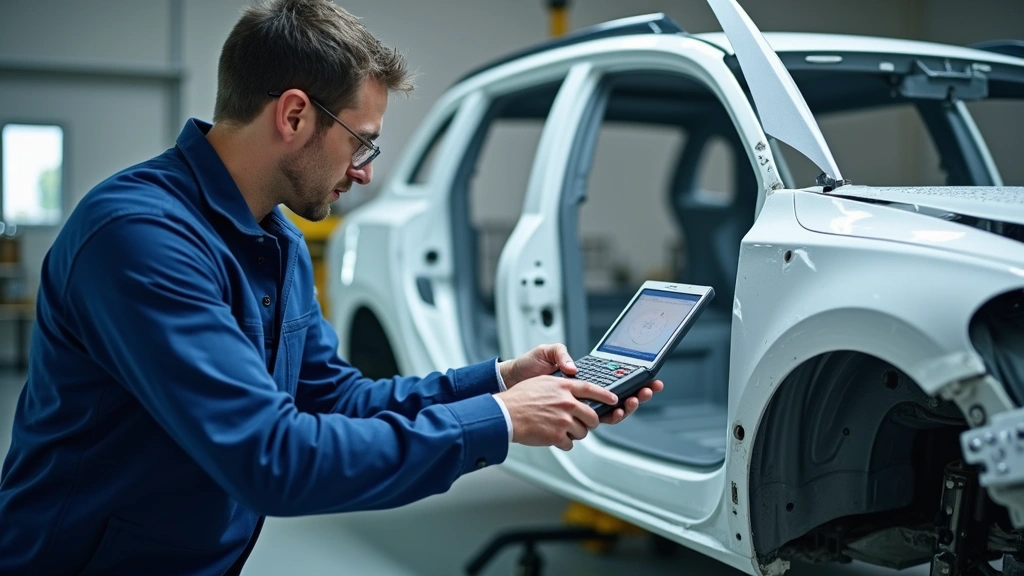
Top Auto Body Tech Schools? Expert Picks for 2025
The automotive repair industry is experiencing unprecedented growth, with skilled auto body technicians in higher demand than ever. As vehicles become increasingly complex with advanced materials, hybrid systems, and sophisticated diagnostic equipment, the need for properly trained professionals has never been more critical. Auto body tech schools have evolved dramatically over the past decade, now offering comprehensive training that goes far beyond traditional dent and paint work.
Whether you’re considering a career switch or just starting your professional journey, selecting the right auto body tech school can determine your earning potential, job security, and advancement opportunities. This guide examines the top-rated institutions across the country, breaking down what makes them exceptional and how they prepare students for real-world success in the modern automotive repair sector.
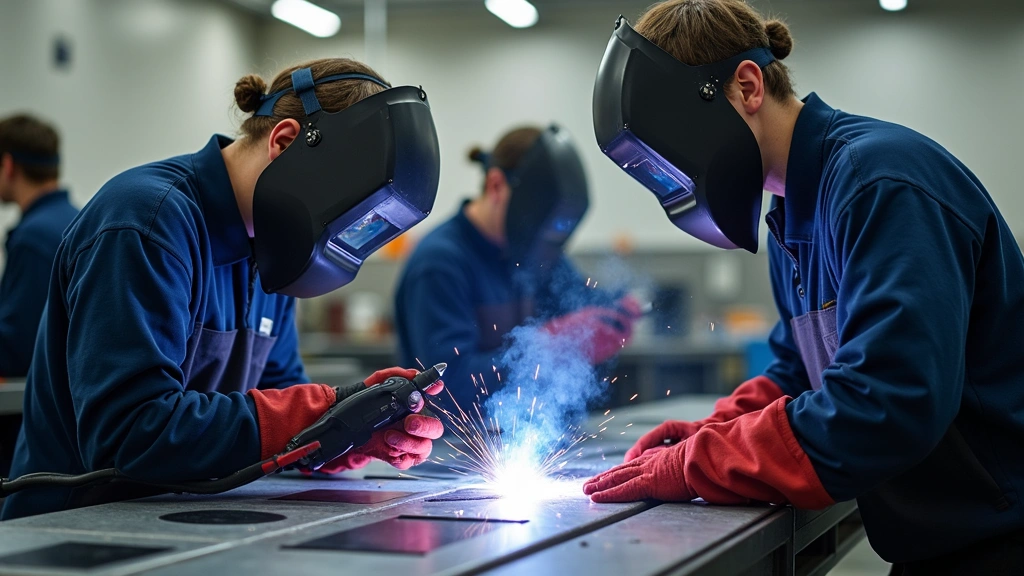
Why Auto Body Tech Skills Matter in 2025
The automotive landscape has transformed dramatically. Modern vehicles incorporate aluminum frames, carbon fiber components, and complex electronic systems that require specialized knowledge to repair properly. Traditional auto body schools that focused solely on metal working and spray painting are becoming obsolete, replaced by institutions that teach advanced diagnostic technologies and AI-assisted repair systems.
According to the Bureau of Labor Statistics, automotive body repair technicians earn a median annual wage of $48,000, with experienced professionals commanding significantly higher salaries. The field offers excellent job security, as collision repairs are always in demand and cannot be outsourced internationally.
Today’s top auto body tech schools emphasize:
- Advanced materials knowledge – Understanding composite repair, aluminum welding, and modern adhesives
- Diagnostic equipment proficiency – Operating frame measuring systems and digital alignment tools
- Paint and coating systems – Water-based paints, clear coats, and environmental compliance
- Customer service skills – Communication and business fundamentals for shop ownership
- Safety protocols – OSHA compliance and proper handling of hazardous materials
The best programs integrate these elements into comprehensive curricula that prepare students for immediate employment and long-term career growth.
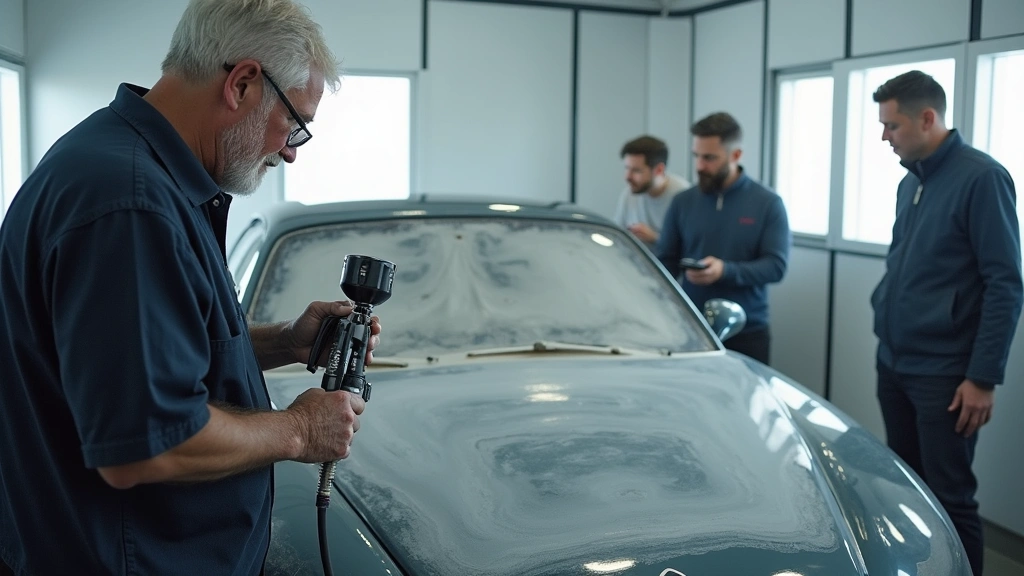
Top Auto Body Tech Schools by Region
Northeast Region
Pennsylvania College of Technology (Penn State’s technical campus) stands out as a premier institution in the Northeast. Their automotive collision repair program spans two years and covers everything from structural damage assessment to advanced refinishing techniques. The school maintains partnerships with major insurance companies and collision centers, ensuring curriculum relevance and job placement opportunities.
In Massachusetts, Lincoln Technical Institute offers comprehensive auto body programs with small class sizes and state-of-the-art facilities. Their instructors bring real-world experience from collision repair shops, providing invaluable mentorship beyond textbook learning.
Midwest Excellence
Universal Technical Institute (UTI), with multiple Midwest locations, consistently ranks among the nation’s best auto body schools. Their programs integrate the latest diagnostic equipment and emphasize both technical skill and business acumen. UTI’s collision repair and refinishing program includes manufacturer-specific training from Toyota, Ford, and BMW.
Hennepin Technical College in Minnesota provides affordable, high-quality training with strong connections to the Twin Cities automotive industry. Their program emphasizes sustainability and modern repair techniques.
Southern Region
Savannah Technical College in Georgia offers comprehensive auto body training with flexible scheduling options. Their instructors maintain active certifications and regularly update curriculum based on industry standards. The school’s location provides access to diverse repair scenarios across multiple climate zones.
Houston Community College in Texas combines affordability with quality instruction, offering both certificate and associate degree programs in automotive collision repair.
Western Excellence
WyoTech (now part of Bridgepoint Education) operates multiple Western locations with exceptional hands-on training facilities. Their programs emphasize electric vehicle repair preparation, recognizing the industry’s shift toward sustainable transportation.
San Diego Continuing Education offers specialized auto body programs with strong connections to Southern California’s thriving automotive repair market.
Curriculum and Certification Standards
The most reputable auto body tech schools align their curricula with industry certifications. The Inter-Industry Conference on Auto Collision Repair (I-CAR) Gold Certification has become the gold standard in the field. Schools offering I-CAR certification provide students with credentials recognized nationwide by insurers and employers.
A comprehensive curriculum should include:
- Safety and Shop Management – OSHA regulations, shop operations, and professional development
- Structural Repair and Welding – MIG welding, spot welding, and frame straightening techniques
- Non-Structural Repair – Fiberglass, plastic, and composite repairs for modern vehicles
- Refinishing Systems – Surface preparation, primer application, and paint mixing
- Mechanical Skills – Basic mechanical knowledge for diagnosing collision-related issues
- Customer Relations – Communication skills and business fundamentals
- Specialized Technologies – Advanced diagnostic equipment and measurement systems
Top schools also provide training on emerging technologies affecting the industry, including electric vehicle battery safety, autonomous vehicle systems, and advanced driver assistance systems (ADAS) calibration.
Equipment and Hands-On Training
The quality of a school’s equipment directly impacts graduate preparedness. Leading auto body tech schools invest heavily in current, professional-grade tools and technology:
Essential Equipment Found in Top Programs:
- 3D frame measuring systems (CELETTE, Chief, Shark, or similar)
- Professional spray booths with advanced ventilation
- Welding stations with MIG, TIG, and spot welding capabilities
- Paint mixing and application systems
- Digital diagnostic equipment and scanners
- Vehicle lifts and work stations
- Composite and plastic repair stations
- PPE and safety equipment meeting OSHA standards
Hands-on training should constitute at least 60-70% of program hours. Students learn best through practice, working on actual damaged vehicles or realistic simulation vehicles. The best schools maintain relationships with local collision centers that provide real vehicles for training purposes.
When evaluating schools, visit facilities personally. Observe whether equipment is modern and well-maintained, whether students work on actual vehicles or only simulations, and whether the facility feels professional and well-organized.
Job Placement and Career Outcomes
Reputable schools publish transparent job placement statistics. Top programs typically report placement rates exceeding 85-90% within six months of graduation. However, examine these statistics carefully – some schools count any employment, while others specifically track collision repair positions.
The most valuable schools maintain active relationships with employers. They host job fairs, invite industry professionals to speak, and help students build professional networks. Some excellent programs offer cooperative education opportunities, allowing students to work part-time at collision centers while completing their education.
Career advancement paths for auto body technicians include:
- Lead Technician – Supervising other technicians and training new hires
- Shop Estimator – Assessing damage and providing repair quotes
- Refinish Specialist – Focusing exclusively on paint and coating systems
- Structural Technician – Specializing in frame and welding work
- Shop Manager/Owner – Operating an independent collision repair business
- Insurance Adjuster – Evaluating vehicle damage for insurance purposes
Many successful technicians combine their technical training with business knowledge to launch their own shops, with some generating six-figure incomes.
Cost Comparison and Financial Aid
Auto body tech school costs vary dramatically by institution type and location. Community colleges typically charge $4,000-$8,000 for complete programs, while private institutions may cost $15,000-$30,000 or more.
Cost Breakdown:
- Community Colleges – $4,000-$8,000 for certificate programs; $8,000-$15,000 for associate degrees
- Trade Schools – $10,000-$25,000 depending on program length and location
- Private Technical Institutes – $15,000-$35,000 with potential financing options
Most programs qualify for federal financial aid, including Pell Grants and student loans. Many schools offer payment plans, employer sponsorships, and scholarships for qualified students. Veterans should inquire about GI Bill benefits, as many auto body programs qualify for educational benefits.
Calculate total cost of attendance, including tuition, books, tools, and living expenses. A $12,000 program at a community college may provide better value than a $25,000 private school program, especially if both lead to similar employment outcomes.
Online and Hybrid Learning Options
While auto body repair fundamentally requires hands-on training, some schools offer hybrid programs combining online theory with in-person shop work. These programs appeal to working adults and students with scheduling constraints.
Hybrid programs typically include:
- Online theory modules covering safety, materials science, and business fundamentals
- In-person lab sessions for welding, painting, and mechanical work
- Flexible scheduling with evening or weekend classes
- Self-paced components allowing students to progress at their own speed
However, be cautious of programs claiming to teach auto body repair primarily online. The practical skills simply cannot be adequately learned without extensive hands-on experience. Quality online components supplement rather than replace in-person training.
Before enrolling in any hybrid program, verify that the in-person components provide adequate hands-on training hours and access to professional-grade equipment.
FAQ
How long do auto body tech programs typically take?
Most certificate programs take 12-18 months to complete, while associate degree programs span 24 months. Some intensive programs can be completed in 6-9 months, though these often sacrifice depth for speed. Part-time and hybrid programs may extend to 2-3 years.
Do I need prior automotive experience for auto body school?
No, most programs accept students without prior experience. However, basic mechanical aptitude, attention to detail, and willingness to learn are important. Some schools offer prerequisite courses for students lacking foundational skills.
What certifications should I pursue after graduation?
I-CAR Gold Certification is the most valuable credential, recognized nationwide by insurers and employers. Additional certifications in specific areas like welding (AWS), refinishing, or electric vehicle repair enhance career prospects and earning potential.
What’s the job outlook for auto body technicians?
According to the Bureau of Labor Statistics, the field is expected to grow steadily, with consistent demand for skilled technicians. The increasing complexity of modern vehicles and growing electric vehicle fleet will drive continued demand.
Can I start my own collision repair shop after graduating?
Yes, many graduates eventually open their own shops. However, starting a collision repair business requires significant capital for equipment, facility, and working capital. Most successful shop owners gain 3-5 years of experience working for established shops first, building technical skills and business knowledge.
How much can I expect to earn as an auto body technician?
Entry-level technicians typically earn $28,000-$35,000 annually. Experienced technicians with specialized skills and certifications earn $45,000-$65,000+. Shop owners and highly specialized technicians can exceed six figures, especially in high-cost urban markets.
What’s the difference between attending a community college versus a private trade school?
Community colleges typically cost less and may offer more flexible scheduling, but private trade schools often provide more intensive, focused training with stronger industry partnerships. Research specific institutions rather than generalizing by type – excellent programs exist in both categories.
Are there grants or scholarships available for auto body tech students?
Yes, many schools offer institutional scholarships. Additionally, federal Pell Grants, state grants, and private scholarships support eligible students. Veterans can use GI Bill benefits. Contact schools’ financial aid offices to explore all available options.