Connected Cars: Is the Investment Worth It?
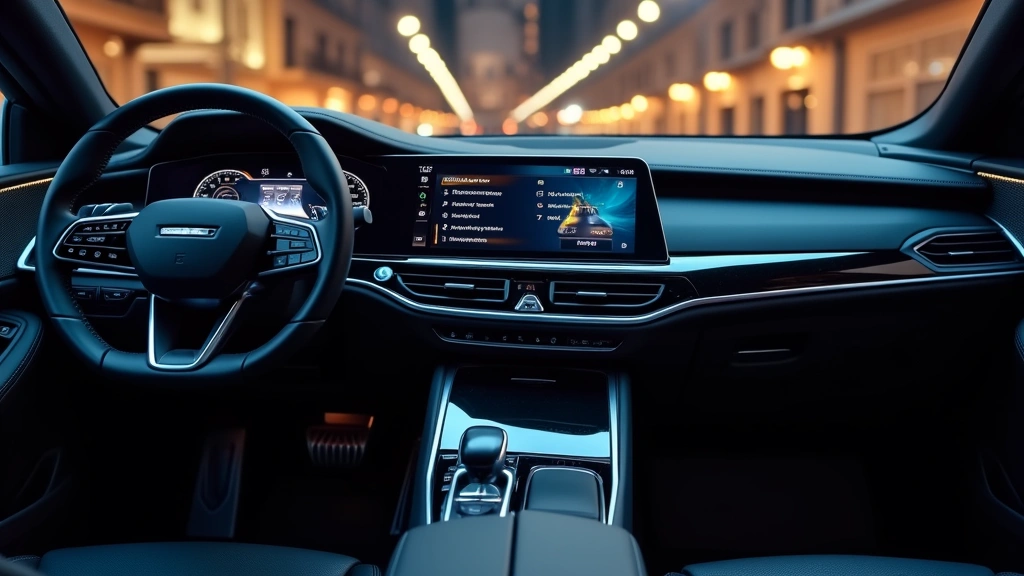
The automotive industry is undergoing a seismic shift. What was once science fiction—vehicles that communicate with infrastructure, anticipate maintenance needs, and integrate seamlessly with your digital life—is now becoming mainstream reality. Connected cars, equipped with advanced telematics, 5G connectivity, and artificial intelligence, promise to revolutionize how we drive, navigate, and interact with our vehicles. But with premium pricing for these features and ongoing subscription costs, the critical question remains: is investing in connected car technology truly worth it for the average driver?
The answer isn’t straightforward. Connected vehicles offer tangible benefits ranging from enhanced safety features to predictive maintenance alerts and improved fuel efficiency. However, these advantages come at a cost, and the value proposition depends heavily on your driving habits, budget, and how long you plan to keep your vehicle. This comprehensive guide examines the real-world benefits, hidden costs, and long-term value of connected car technology to help you make an informed decision.
Understanding Connected Car Technology
Connected cars represent a convergence of automotive engineering and digital innovation. These vehicles are equipped with onboard diagnostic systems, cellular or satellite connectivity modules, and sophisticated software platforms that enable real-time communication with external networks, cloud servers, and other vehicles. The technology stack typically includes GPS navigation, vehicle-to-infrastructure (V2I) communication, vehicle-to-vehicle (V2V) data exchange, and integration with mobile applications.
The core infrastructure relies on cloud computing services to process vast amounts of vehicle data, from engine diagnostics to driver behavior patterns. Major manufacturers like Tesla, BMW, Audi, and General Motors have invested billions in developing proprietary connected platforms. Tesla’s Supercharger network and real-time navigation updates exemplify how connectivity can enhance the driving experience, while The Verge’s automotive coverage frequently highlights innovations in this space.
These systems operate through multiple connectivity options. 4G LTE provides reliable bandwidth for most applications, while newer 5G-enabled vehicles offer faster data transmission crucial for autonomous driving features. Some premium vehicles use satellite connectivity as a backup, ensuring continuous communication even in remote areas. The intelligence layer, powered by machine learning algorithms similar to those discussed in our AI applications guide, analyzes this data to provide predictive insights and personalized recommendations.
Safety Benefits and Driver Assistance
The most compelling argument for connected car investment centers on safety enhancements. Advanced driver assistance systems (ADAS) integrated with connected technology can significantly reduce accident rates. Features like automatic emergency braking, lane-keeping assistance, blind-spot monitoring, and adaptive cruise control rely on real-time data processing and vehicle-to-infrastructure communication.
Connected vehicles receive real-time traffic updates and hazard warnings from road infrastructure and other vehicles. This enables proactive collision avoidance and helps drivers navigate dangerous conditions. According to NHTSA data, connected safety features could prevent thousands of accidents annually. Vehicles equipped with V2V communication can warn drivers about sudden braking events ahead, icy road conditions, or accidents several miles away.
Emergency response integration represents another critical safety dimension. When a connected car detects a severe collision, it can automatically contact emergency services, transmit GPS coordinates, and provide vehicle information—potentially reducing response times by minutes. This feature alone justifies the investment for many drivers, particularly those with families or long commutes.
However, the safety premium comes with caveats. Most safety-critical features are available on non-connected vehicles as well. While connectivity enhances these systems, you can achieve significant safety improvements through modern vehicle technology without paying premium connectivity fees. The marginal safety gain from connectivity specifically—versus basic ADAS—varies by manufacturer and model.
Cost Analysis: Initial Investment vs. Long-Term Savings
The financial equation for connected cars is complex. Initial premiums for connectivity packages range from $500 to $2,500 depending on the vehicle and features selected. Premium manufacturers like Mercedes-Benz, Audi, and BMW charge substantial amounts for their connected services, while value-oriented brands offer more competitive pricing.
Beyond the initial purchase premium, subscription costs represent ongoing expenses. Most manufacturers charge $10-$25 monthly for basic connectivity services, with premium packages reaching $50-$100 monthly. Over a five-year ownership period, these subscriptions accumulate to $600-$6,000 in additional costs. Some manufacturers include complimentary trial periods (typically 3-5 years), but eventually, drivers must decide whether to continue paying or lose functionality.
The potential savings come through improved fuel efficiency, reduced maintenance costs, and avoided breakdowns. Connected vehicles optimize engine performance through real-time diagnostics, potentially improving fuel economy by 3-7% according to various manufacturer claims. Over 100,000 miles, this translates to $500-$1,500 in fuel savings depending on fuel prices and driving patterns.
Predictive maintenance capabilities reduce unexpected repair costs. Connected systems monitor engine health, battery status, and component wear, alerting drivers before failures occur. This enables scheduled maintenance rather than emergency repairs, which typically cost 2-3 times more. Additionally, connected vehicles can guide drivers to certified service centers and provide pre-arrival diagnostics, streamlining the repair process.
Insurance implications also factor into the cost equation. Some insurers offer discounts of 5-10% for vehicles with active safety features and telematics monitoring. These discounts, while modest, contribute to the overall value proposition. Conversely, some insurers charge premiums for connected vehicles due to increased data collection and privacy considerations.
Maintenance and Reliability Advantages
Predictive maintenance represents one of the most tangible benefits of connected car ownership. Rather than following fixed maintenance schedules, connected vehicles monitor actual component wear and fluid conditions, notifying drivers only when service is genuinely needed. This approach reduces unnecessary maintenance while preventing catastrophic failures.
Real-time diagnostic data enables mechanics to prepare for your service appointment, ordering necessary parts in advance and reducing wait times. Some connected platforms provide detailed diagnostics directly to your smartphone, allowing you to monitor your vehicle’s health continuously. This transparency empowers owners to make informed decisions about repairs and maintenance.
Battery management in electric and hybrid vehicles particularly benefits from connectivity. Connected systems optimize charging patterns, predict battery degradation, and alert owners to potential issues before they affect performance. For electric vehicle owners, this capability extends battery lifespan and preserves resale value—a critical consideration given battery replacement costs exceeding $5,000-$15,000.
Over-the-air (OTA) software updates represent another maintenance advantage. Rather than visiting dealerships for firmware updates, connected vehicles download and install improvements automatically. These updates can enhance performance, add features, and address security vulnerabilities without dealer visits. Tesla popularized this capability, but it’s becoming standard across the industry.
However, not all reliability improvements require connectivity. Modern vehicles are engineered with superior materials and manufacturing precision, contributing to reliability gains independent of connectivity features. The marginal reliability improvement specifically attributable to connectivity varies by manufacturer and vehicle age.
Connectivity Features and Convenience
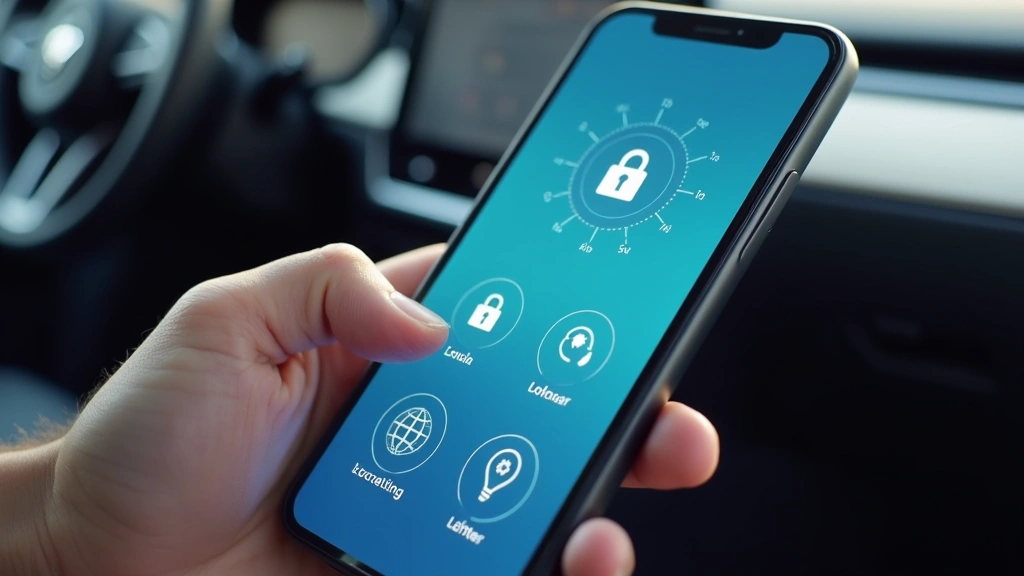
Beyond safety and maintenance, connected cars offer convenience features that enhance daily driving. Remote vehicle control through smartphone apps allows drivers to lock/unlock doors, start engines, adjust climate controls, and locate vehicles from anywhere. This proves particularly useful for valet parking, vehicle theft prevention, and warming up cars during winter.
Integrated infotainment systems provide seamless smartphone integration through Apple CarPlay and Android Auto, enabling hands-free calling, messaging, and navigation. Some connected vehicles offer native apps for navigation, music streaming, and restaurant reservations, reducing reliance on smartphone integration.
Real-time traffic information and intelligent routing optimize travel times and fuel consumption. Connected vehicles receive live traffic updates and suggest alternative routes automatically, saving time and reducing frustration during commutes. This feature becomes increasingly valuable in congested urban areas.
Family safety features allow parents to monitor teenage drivers, receiving alerts about speeding, harsh acceleration, or after-hours driving. Geofencing capabilities notify owners when vehicles enter or exit designated areas, useful for fleet management and family safety.
Integration with smart home systems enables features like opening garage doors as you approach home or receiving delivery notifications when packages arrive. While convenient, these features represent lower-priority benefits compared to safety and maintenance advantages.
Privacy and Security Concerns
Connected cars collect extensive personal data—location history, driving patterns, acceleration profiles, and even biometric information from steering wheel sensors. This data represents a privacy concern for many owners, particularly given recent breaches and data misuse incidents in the tech industry.
Manufacturers collect this data for various purposes: improving services, training AI algorithms, and selling anonymized insights to third parties. Some manufacturers have faced criticism for selling location data to data brokers without explicit owner consent. Before purchasing a connected vehicle, carefully review the manufacturer’s privacy policy and data collection practices.
Security vulnerabilities in connected vehicles pose genuine risks. Researchers have demonstrated remote hacking of vehicle systems, potentially enabling unauthorized access to critical functions. While manufacturers invest in cybersecurity, connected vehicles present a larger attack surface than traditional vehicles. The automotive industry is still developing robust security standards comparable to those in other tech sectors.
Software vulnerabilities require timely patching through OTA updates. Vehicles that don’t receive regular updates become increasingly vulnerable over time. Some manufacturers have poor update track records, leaving older vehicles exposed to known security issues. This represents a long-term consideration—vehicles purchased today may face security challenges in five to ten years if manufacturers don’t maintain update support.
Data encryption and secure authentication mechanisms vary significantly across manufacturers. Premium brands typically implement stronger security measures, while budget-oriented vehicles may have weaker protections. This security disparity creates a risk-benefit calculation where premium connected vehicles offer better protection than budget alternatives.
The Subscription Model Dilemma
The automotive subscription model mirrors the broader tech industry shift toward recurring revenue. Manufacturers increasingly charge subscriptions for features that were previously included, raising questions about long-term value and ownership costs.
Some manufacturers charge subscriptions for fundamental features like heated seats, highway driving assistance, or remote start—functionality that costs nothing to enable after purchase. This practice frustrates owners and raises ethical concerns about artificial feature limitation. BMW faced particular backlash for charging $15 monthly for heated seat subscriptions, subsequently reversing the policy after customer outcry.
Subscription requirements create a troubling scenario where vehicles lose functionality when subscriptions expire. A car with connected services becomes significantly less capable if the owner cancels subscriptions, unlike traditional vehicles where features remain functional regardless of payment status. This creates a form of planned obsolescence driven by business models rather than technical necessity.
The long-term financial burden of subscriptions deserves serious consideration. A vehicle with a $20 monthly connectivity subscription costs $2,400 over ten years—a substantial amount that compounds when combined with other subscriptions (premium navigation, premium infotainment, advanced driver assistance). For budget-conscious buyers, these recurring costs may exceed the initial purchase premium.
Conversely, some manufacturers bundle connectivity services into warranty periods or vehicle payments, spreading costs more evenly. This approach reduces the psychological impact of subscription fees but doesn’t eliminate the total cost. Carefully compare total cost of ownership across different manufacturers, factoring in all subscription requirements.
Resale Value and Future-Proofing
Connected cars should theoretically command higher resale values due to enhanced features and capabilities. However, real-world data shows mixed results. While connected features appeal to some buyers, subscription requirements deter others. A used connected vehicle with an inactive subscription becomes less attractive unless buyers can activate services independently.
Future-proofing represents another consideration. Connected vehicles purchased today may face obsolescence if manufacturers discontinue support in five to ten years. Older connected vehicles with outdated software and inactive subscriptions become less valuable than comparable non-connected vehicles, particularly if connectivity services cannot be reactivated.
The rapid evolution of connected car technology creates uncertainty about which platforms will dominate in ten years. Vehicles built on proprietary platforms may struggle for adoption and support compared to vehicles using open standards. This technological uncertainty creates risk for long-term ownership.
Battery technology in electric connected vehicles presents additional resale considerations. While connected diagnostics help preserve battery health, battery degradation remains a significant factor affecting resale value. Connected vehicles provide better transparency into battery condition, which helps buyers make informed decisions but doesn’t eliminate the underlying depreciation.
For buyers planning to keep vehicles for ten or more years, the connected car investment becomes riskier. Long-term ownership requires sustained manufacturer support, available subscriptions, and compatible infrastructure. Vehicles purchased today may face challenges maintaining connectivity and receiving updates after ten years, particularly if manufacturers shift to new platforms or discontinue older vehicle support.
Real-World Performance Metrics
Examining real-world data from connected vehicle owners provides valuable insights. CNET’s automotive reviews consistently evaluate connected car features, providing detailed assessments of real-world performance versus manufacturer claims.
Fuel efficiency improvements from connected optimization typically range from 2-5% rather than manufacturer claims of 5-10%. This reflects real-world driving variability and driver behavior factors that algorithms cannot fully optimize. Over typical vehicle lifespans, this translates to $300-$800 in fuel savings for average drivers.
Maintenance cost reductions vary significantly based on vehicle type and driving patterns. Fleet operators using connected vehicles report 10-15% maintenance cost reductions, primarily from optimized preventive maintenance. Individual consumers typically see smaller savings of 3-7%, as their maintenance costs are already relatively low compared to fleet operations.
Safety improvements from connected features are measurable but modest. Studies show that connected ADAS features reduce accident rates by 5-15% compared to vehicles without these systems. However, most of this improvement comes from ADAS itself rather than connectivity specifically. The connectivity component adds perhaps 2-3% additional accident reduction through V2V and V2I communications.
Subscription retention rates indicate consumer satisfaction with connected services. Manufacturers report that 60-75% of customers continue subscriptions after trial periods expire, suggesting that most users find value in these services. However, 25-40% discontinue subscriptions, indicating that a substantial portion of owners don’t perceive sufficient value to justify ongoing costs.
Owner satisfaction surveys show that convenience features drive the highest satisfaction, while subscription costs generate the most frustration. Owners appreciate remote vehicle access and real-time navigation but resent ongoing subscription requirements for features they consider should be included in vehicle purchase prices.
For buyers interested in how connected car technology relates to broader tech education and understanding software development principles, exploring the engineering behind these systems provides valuable insights into modern automotive technology. Understanding the programming languages and frameworks used in connected vehicles can inform purchasing decisions and help buyers evaluate platform robustness.
FAQ
Are connected cars worth the extra cost?
The answer depends on your priorities and financial situation. If safety, convenience, and predictive maintenance align with your values, and you plan to keep the vehicle for 5-7 years, connected cars offer genuine benefits. However, if you’re budget-conscious or plan to keep your vehicle for 10+ years, the ongoing subscription costs may not justify the investment. Calculate total cost of ownership including subscriptions, compare to non-connected alternatives, and assess whether features genuinely improve your driving experience.
What are the main safety benefits of connected cars?
Connected cars provide real-time hazard warnings through V2V and V2I communication, automatic emergency response integration, and enhanced navigation through live traffic data. These features work together with ADAS to reduce accident rates by 5-15% compared to non-connected vehicles. However, basic ADAS features provide most safety benefits—connectivity adds approximately 2-3% additional improvement.
How much will connected car subscriptions cost over vehicle ownership?
Basic connectivity subscriptions typically cost $10-$25 monthly ($120-$300 annually), while premium services reach $50-$100 monthly ($600-$1,200 annually). Over a five-year ownership period, expect to pay $600-$6,000 in subscription costs depending on the manufacturer and service tier selected. Some manufacturers include trial periods (typically 3-5 years), but eventually subscriptions become paid services.
Can connected car features be disabled if I don’t want to pay for subscriptions?
Yes, but with limitations. Basic connectivity features typically remain functional without subscriptions, though advanced services like real-time traffic updates and remote diagnostics become unavailable. Some manufacturers artificially limit features to encourage subscription adoption—for example, disabling heated seats or advanced navigation without active subscriptions. Review manufacturer policies before purchasing to understand which features require ongoing payments.
Is connected car data secure?
Connected cars collect extensive personal data including location history, driving patterns, and acceleration profiles. Security varies significantly by manufacturer—premium brands typically implement stronger protections than budget alternatives. Data encryption and authentication mechanisms should meet industry standards, but vulnerabilities exist. Research the manufacturer’s security track record and privacy policies before purchasing. Older vehicles may face increasing security risks as manufacturers discontinue update support.
Do connected cars hold their resale value better?
Connected features theoretically increase resale value, but real-world results are mixed. Subscription requirements deter some buyers, and older connected vehicles with discontinued support become less attractive. Connected diagnostics help preserve vehicle condition, which supports resale value, but the premium for connectivity features often diminishes over time. For vehicles older than 5-7 years, connected features may not significantly impact resale value.
What should I prioritize when evaluating connected cars?
Prioritize safety features, real-time diagnostics capabilities, and manufacturer track record for software updates. Evaluate subscription costs honestly and ensure they align with your budget. Research privacy policies and security practices. Consider how long you plan to keep the vehicle—longer ownership periods increase the importance of sustained manufacturer support. Compare total cost of ownership including subscriptions across different manufacturers rather than focusing solely on initial purchase price.
Are connected cars necessary for modern driving?
Connected cars offer genuine benefits but aren’t strictly necessary for safe, reliable driving. Modern non-connected vehicles with basic ADAS provide excellent safety and reliability. Connected features enhance convenience and enable predictive maintenance but represent optional enhancements rather than requirements. If budget is your primary concern, purchasing a non-connected vehicle from a reputable manufacturer remains a viable option.