
Top Automotive Tech Schools Near You: Our Expert Picks for 2025
The automotive industry is undergoing a technological revolution. Electric vehicles, autonomous driving systems, and advanced diagnostic software are reshaping how mechanics and technicians work. If you’re considering a career in automotive technology, choosing the right school is crucial. We’ve researched the best automotive tech schools near you to help you make an informed decision about your future.
Whether you’re interested in traditional engine repair, electric vehicle maintenance, or cutting-edge automotive software development, the schools we’ve selected offer comprehensive programs with hands-on training, industry partnerships, and job placement support. Let’s explore what makes these institutions stand out and how to find the perfect fit for your career goals.

What to Look for in Automotive Tech Schools
Finding the right automotive tech school requires evaluating several critical factors. The best automotive technology programs combine theoretical knowledge with practical experience. Look for schools that offer ASE (Automotive Service Excellence) certification preparation, as this credential is essential for professional advancement in the field.
Accreditation is paramount. Schools accredited by NATEF (National Automotive Technicians Education Foundation) meet rigorous industry standards and ensure your diploma carries weight with employers. Additionally, examine the school’s partnerships with major automotive manufacturers and repair chains. Schools with relationships to Ford, Toyota, BMW, and Tesla gain access to current technology and real-world training materials.
The quality of instructors matters significantly. Seek schools where teachers have real-world experience as certified technicians. Many top programs require instructors to maintain current ASE certifications and industry experience. This ensures you’re learning from professionals who understand modern automotive challenges.
Consider the curriculum’s scope. Does it cover hybrid and electric vehicle technology? Are there modules on diagnostic software, computer systems, and emerging technologies like autonomous driving? A forward-thinking program should address artificial intelligence applications in vehicles, including predictive maintenance and smart diagnostics.
Top-Rated Programs and Certifications
The most respected automotive tech schools offer comprehensive certification pathways. ASE certification remains the gold standard, with separate credentials for different specialties: engine repair, transmission, brakes, suspension, steering, heating/cooling, electrical systems, and engine performance. Programs preparing students for all eight ASE tests provide the broadest career opportunities.
Many leading schools now offer specialized certifications in electric vehicle technology. This is increasingly valuable as the automotive market shifts toward EVs. Look for programs certified by manufacturers like Tesla or through organizations like the EV Association. These certifications demonstrate expertise in battery systems, charging infrastructure, and electric motor diagnostics.
Hybrid certifications are equally important. Understanding both traditional combustion engines and electric systems makes technicians more versatile and employable. The best programs teach students how to work safely with high-voltage systems and understand regenerative braking, energy management, and battery maintenance.
Some schools offer specialized tracks in collision repair, performance tuning, or fleet management. These niche certifications can lead to higher-paying positions in specific automotive sectors. Research which specialization aligns with your career interests and regional job market demands.
Hands-On Training and Equipment
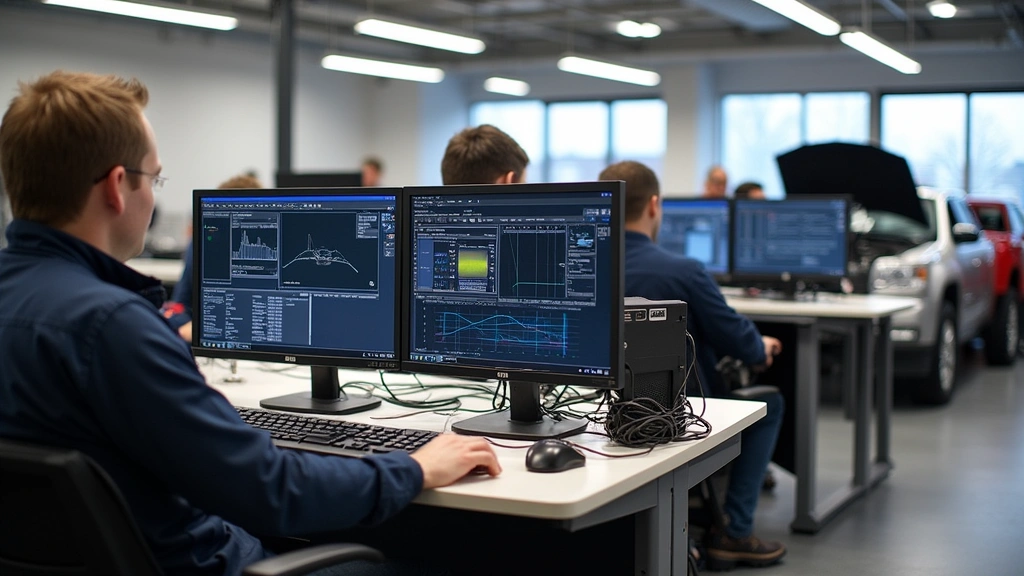
The quality of hands-on training separates exceptional automotive tech schools from mediocre ones. Visit potential schools and inspect their training facilities. Do they have modern lifts, diagnostic equipment, and computer systems? The best programs invest in equipment that mirrors what technicians encounter in professional shops.
Look for schools with multiple training vehicles representing different manufacturers, years, and technologies. Training on 2024 models with advanced computer systems is far more valuable than working exclusively on older vehicles. Some schools partner with local dealerships to access the latest models for real-world training scenarios.
Diagnostic equipment is critical. Modern automotive work relies heavily on computer diagnostics, scanning tools, and software. Schools should provide training on industry-standard diagnostic platforms used by shops like Ford’s IDS, Toyota’s TIS, and universal scanners. Familiarity with these tools before graduation gives you a significant employment advantage.
Virtual reality and simulation training is becoming increasingly common in top programs. These technologies allow students to practice complex procedures safely before working on actual vehicles. Some schools use AR (augmented reality) applications to overlay diagnostic information, preparing students for technology they’ll encounter on the job.
Evaluate whether the school allows students to work on customer vehicles under supervision. This real-world experience is invaluable and provides income opportunities while learning. Some programs operate their own service centers, creating authentic work environments where students handle actual repairs.
Career Outcomes and Job Placement
Request detailed job placement statistics from schools you’re considering. The best automotive tech schools report placement rates of 85-95%, with graduates finding employment within months of graduation. Ask specifically about starting salaries and long-term career progression for alumni.
According to the U.S. Bureau of Labor Statistics, automotive technician positions are expected to grow steadily, with experienced technicians earning $50,000-$70,000+ annually. Specialists in electric vehicles and advanced diagnostics command even higher salaries.
Investigate employer partnerships. Schools with strong relationships to major dealerships, independent repair shops, and fleet maintenance companies often place graduates directly into positions. Some employers offer tuition reimbursement or scholarships to students from their partner schools.
Alumni networks matter. Connect with program graduates to understand real-world outcomes. Did they find jobs quickly? Are they satisfied with their training? Do they feel prepared for modern automotive challenges? These testimonials provide insights that marketing materials won’t reveal.
Ask about continuing education support. The automotive field evolves constantly, and the best schools support alumni through advanced training and certification updates. This commitment to lifelong learning ensures you remain competitive throughout your career.
Regional School Recommendations
Finding automotive tech schools near me requires researching local options and understanding regional strengths. In California, schools like WyoTech and Universal Technical Institute have excellent reputations with strong manufacturer partnerships and EV specialization programs. The state’s focus on clean energy makes EV training particularly valuable.
In Texas, schools benefit from the state’s large automotive aftermarket industry. Programs emphasize diesel technology, heavy truck repair, and performance tuning alongside traditional automotive training. Regional demand for these skills supports excellent job placement.
The Midwest, home to major automotive manufacturing, offers schools with exceptional equipment and manufacturer partnerships. Programs in Michigan, Ohio, and Indiana often have direct connections to Ford, GM, and Stellantis facilities, providing cutting-edge training and employment opportunities.
Community colleges throughout the country offer affordable automotive technology programs. While shorter than private trade schools, these programs often transfer credits and provide excellent foundational training. Many offer evening and weekend classes, accommodating working students.
To find schools near you, start with the NATEF website, which lists all accredited programs by state. The Universal Technical Institute operates multiple locations nationwide, providing consistent quality across regions. Additionally, research WyoTech schools, known for comprehensive automotive programs with excellent hands-on training.
Online and Hybrid Learning Options
While hands-on training requires in-person attendance, many schools now offer hybrid models combining online theory with on-campus lab work. This flexibility appeals to students balancing work and education. Online components typically cover diagnostic software training, system theory, and certification exam preparation.
The hybrid approach works well for students pursuing software development aspects of automotive technology. Automotive software engineering, telematics development, and diagnostic tool programming can be learned online, with practical application occurring during lab sessions.
However, be cautious of programs claiming full online automotive technician training. The hands-on nature of automotive work requires significant in-person lab time. Legitimate programs require at least 50-70% of coursework in physical labs with actual vehicles and equipment.
Some schools offer accelerated hybrid programs for experienced mechanics seeking certifications in electric vehicles or advanced diagnostics. These programs leverage existing knowledge, allowing online learning of new technologies with brief intensive lab sessions.
Virtual classrooms and recorded demonstrations can supplement in-person training effectively. Look for schools using modern learning management systems with video content, interactive modules, and progress tracking. These tools enhance learning when combined with robust hands-on training.
Financial Aid and Scholarships
Automotive tech school tuition varies widely, from $15,000-$40,000+ for comprehensive programs. Federal student loans (Direct Loans and PLUS loans) are available for accredited schools. Complete the FAFSA to determine eligibility and financial aid packages.
Many schools offer scholarships specifically for automotive students. The ASE Foundation provides scholarships for ASE certification exam fees and training costs. Manufacturers including Ford, Toyota, and BMW offer educational grants through their dealer networks and foundation programs.
Military benefits may apply. Veterans can use GI Bill benefits for automotive tech training at accredited schools. Eligible service members should verify school VA approval before enrolling to ensure benefits coverage.
Employer sponsorship is often available. Major dealerships and repair chains sponsor technician training through their own or partner schools. Some offer paid apprenticeships combining work experience with structured education—you earn while learning.
Payment plans and financing options make education more accessible. Many schools offer monthly payment plans, and private student loans are available through various lenders. Compare interest rates and repayment terms carefully before committing.
Look for schools offering scholarships for underrepresented groups in automotive technology. Women and minorities pursuing automotive careers may qualify for diversity scholarships from industry organizations and educational foundations.
Technology Integration in Modern Programs
The best automotive tech schools integrate emerging technologies throughout their curriculum. Students should gain exposure to modern computing devices used in diagnostic work, including tablets and laptops running specialized software. Understanding software interfaces is as important as understanding mechanical systems.
Advanced programs teach programming languages relevant to automotive technology. Python and C++ knowledge helps technicians understand vehicle software architecture and collaborate with software engineers developing autonomous systems and vehicle-to-vehicle communication protocols.
Cybersecurity in vehicles is an emerging field requiring specialized training. As vehicles become more connected, protecting against hacking and unauthorized access becomes critical. Leading programs introduce cybersecurity concepts and the importance of secure software updates in modern vehicles.
IoT (Internet of Things) training prepares students for connected vehicle ecosystems. Understanding how vehicles communicate with infrastructure, cloud services, and mobile devices is increasingly important. Programs covering telematics, remote diagnostics, and over-the-air updates position graduates for future automotive roles.
FAQ
How long does automotive tech school take?
Most comprehensive programs take 12-24 months of full-time study. Community college programs may span 2 years part-time. ASE certification typically requires 2 years of hands-on work experience, either during school or after graduation, to achieve full certification eligibility.
What’s the difference between ASE and NATEF certification?
NATEF accredits educational programs, ensuring they meet industry standards. ASE certifies individual technicians through testing. A NATEF-accredited school prepares you for ASE exams, but you must pass ASE tests independently to earn credentials.
Are automotive tech schools worth the cost?
Yes, for most students. Average starting salaries for certified technicians exceed $40,000, with experienced specialists earning $60,000+. The investment typically returns within 2-3 years through higher earnings compared to non-certified positions.
Can I specialize in electric vehicles only?
Most schools require foundational training in traditional automotive systems before specializing in EVs. However, some advanced programs offer EV-focused tracks after prerequisite coursework. Having broader knowledge makes you more versatile and employable.
What’s the job outlook for automotive technicians?
The Bureau of Labor Statistics projects steady growth in automotive technician positions through 2033. Demand for specialized technicians in EVs and advanced diagnostics is particularly strong.
Do automotive schools help with job placement?
Top schools maintain relationships with employers and actively support job placement. Many offer career services including resume building, interview preparation, and direct employer connections. Placement rates at quality schools typically exceed 85%.
Can I work while attending automotive tech school?
Many schools offer evening, weekend, or part-time programs accommodating working students. Some programs integrate paid work-study components where students work in school service centers while learning. However, automotive training requires significant hands-on lab time, limiting work hours.


