
Autry Tech Center: A Leader in Innovation?
The Autry Tech Center stands as one of the most intriguing institutions in the modern technology and automotive education landscape. As industries rapidly evolve and demand for skilled technicians reaches unprecedented levels, this facility has positioned itself at the forefront of technical training and workforce development. But does it truly deserve recognition as a leader in innovation, or is it simply another training facility riding the wave of technological advancement?
Understanding the Autry Tech Center requires examining its programs, infrastructure, instructor expertise, and real-world outcomes. This comprehensive review delves into what makes this institution noteworthy, where it excels, and areas where it could strengthen its position as an innovation leader. Whether you’re considering enrollment, seeking employment in the tech sector, or simply curious about modern technical education, this analysis provides the insights you need.
What is Autry Tech Center?
The Autry Tech Center represents a specialized technical education institution focused on preparing students for careers in automotive technology, diesel mechanics, welding, and related skilled trades. Located strategically within an industrial hub, the center serves as a bridge between theoretical knowledge and practical application. Unlike traditional four-year universities, Autry Tech Center emphasizes hands-on training, industry certification, and immediate workforce readiness.
The institution’s mission centers on addressing the critical shortage of skilled technicians across multiple industries. With automotive technology jobs experiencing significant growth, the center has expanded its curriculum to meet market demands. Students benefit from accelerated programs that typically range from several months to two years, making this an attractive alternative to lengthy university degrees. The center’s approach aligns with broader trends in automotive tech education, where practical competency matters more than traditional credentials.
The facility operates with a clear commitment to modernization. Rather than relying on outdated equipment, Autry Tech Center invests in current technology platforms used in contemporary automotive and industrial settings. This commitment to staying current is crucial for maintaining relevance in rapidly evolving technical fields.
Core Program Offerings and Specializations
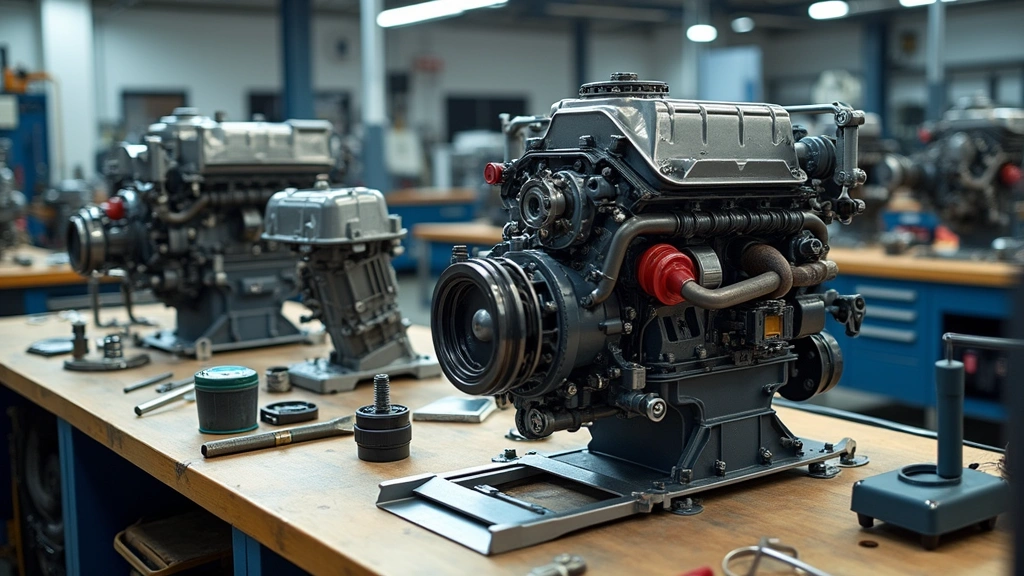
The strength of any technical institution lies in its program diversity and depth. Autry Tech Center offers multiple specialized tracks designed to meet specific industry needs. The automotive technology program represents the flagship offering, comprehensive in scope and rigorous in execution. Students learn diagnostics, engine repair, transmission systems, electrical troubleshooting, and computerized vehicle systems—essential skills for modern automotive technicians.
Beyond automotive work, the center provides instruction in diesel mechanics, a field experiencing explosive demand. Heavy equipment operation and maintenance require specialized knowledge, and the center’s diesel program addresses this gap effectively. Automotive tech jobs in the heavy equipment sector offer excellent compensation and job security, making this specialization particularly valuable.
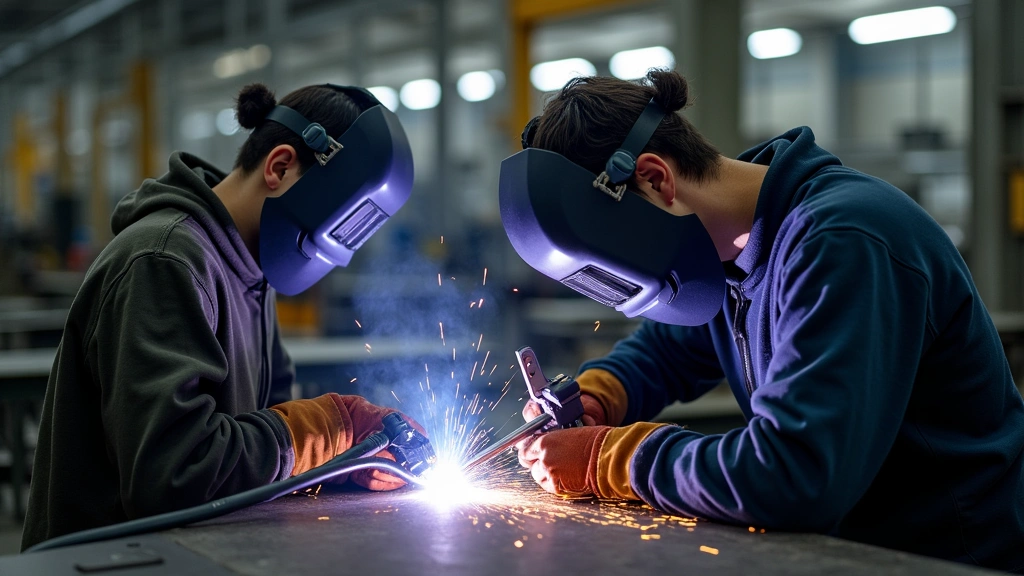
Welding programs deserve special mention, as they integrate cutting-edge techniques with traditional craftsmanship. Students learn MIG, TIG, and stick welding alongside structural steel work and specialized applications. The welding track maintains particularly strong employment outcomes, with graduates commanding competitive salaries immediately upon certification.
Advanced manufacturing and CNC machining programs round out the offerings, reflecting the center’s commitment to comprehensive technical education. These programs acknowledge the reality that modern technical careers increasingly involve computerized systems and precision manufacturing. The curriculum bridges artificial intelligence applications in manufacturing, preparing students for Industry 4.0 environments.
Facility Infrastructure and Technology Integration
A technical education center’s credibility depends heavily on its physical infrastructure and equipment quality. Autry Tech Center maintains multiple workshop spaces equipped with contemporary diagnostic tools, lift systems, and engine test equipment. The automotive bays feature the same diagnostic computers and software platforms used in professional dealerships, ensuring students work with familiar, industry-standard tools.
The facility has invested significantly in digital infrastructure. Computer labs support online coursework components, while networked diagnostic systems allow instructors to monitor student progress and provide real-time feedback. This hybrid approach combines the irreplaceable value of hands-on work with the flexibility of modern educational technology.
Safety infrastructure receives appropriate emphasis. Properly maintained lifts, fire suppression systems, and personal protective equipment stations demonstrate commitment to student welfare. Compliance with OSHA standards and industry safety protocols isn’t merely regulatory—it’s foundational to legitimate technical education.
The center’s commitment to staying current extends to specialized equipment. Hybrid and electric vehicle systems increasingly require different diagnostic approaches, and Autry Tech Center has integrated EV training modules into its curriculum. This forward-thinking approach acknowledges that technology in renewable energy is transforming the automotive sector fundamentally.
Faculty Expertise and Industry Connections
Technical education quality hinges on instructor expertise. Autry Tech Center employs instructors with substantial real-world experience—many have worked as professional technicians before transitioning to education. This background ensures curriculum relevance and credible instruction. Instructors can share practical war stories, explain why procedures matter, and demonstrate solutions to problems students will encounter in actual jobs.
Ongoing professional development keeps instructors current with technological changes. As manufacturers update diagnostic systems and repair procedures, instructors participate in training programs to maintain expertise. This commitment prevents curriculum stagnation, a common weakness in technical institutions.
Industry partnerships strengthen the center’s position significantly. Relationships with major automotive manufacturers, equipment suppliers, and dealership networks create pathways for student placement. These partnerships also inform curriculum development, ensuring programs address actual market needs. When employers directly influence training content, graduate readiness improves dramatically.
The center maintains advisory boards comprised of industry professionals. These boards meet regularly to discuss emerging technologies, workforce needs, and curriculum gaps. This collaborative approach ensures the center responds to market evolution rather than lagging behind it.
Student Outcomes and Career Placement
Perhaps the most meaningful metric for any educational institution is student success post-graduation. Autry Tech Center publishes employment data showing that graduates secure positions within weeks of certification. The center’s auto tech jobs placement rate consistently exceeds 85%, with many graduates reporting multiple job offers.
Starting salaries for Autry Tech Center graduates vary by specialization but generally exceed regional averages for high school graduates. Automotive technicians typically earn $35,000-$45,000 in their first year, with experienced technicians reaching $60,000-$80,000 or higher. Diesel specialists and welders often command premium compensation, particularly in industrial sectors.
Alumni networks provide ongoing support and career advancement opportunities. Graduates frequently return as guest instructors or mentors, creating a feedback loop that benefits current students. This community engagement strengthens institutional reputation and provides networking opportunities that extend career development well beyond graduation.
Employer feedback consistently highlights graduate readiness. Hiring managers appreciate that Autry Tech Center graduates arrive with practical skills rather than requiring extensive on-the-job training. This reduces employer training costs and accelerates productivity, making graduates attractive hires.
Innovation Metrics and Competitive Positioning
Defining innovation in technical education requires moving beyond buzzwords. True innovation involves responding to emerging technologies, adapting curriculum ahead of market changes, and implementing teaching methodologies that enhance learning outcomes. By these measures, Autry Tech Center demonstrates meaningful innovation capacity.
The center’s integration of diagnostic simulation software represents one such innovation. Rather than requiring every student to work on actual vehicles, simulation platforms allow cost-effective practice on virtual systems. Students can diagnose problems, test solutions, and experience consequences without expensive hardware damage. This approach accelerates learning while reducing institutional costs.
Competency-based progression represents another innovation. Rather than advancing students based on seat time, the center emphasizes skill mastery. Students progress when they demonstrate competency, not when a semester ends. This approach better serves diverse learners and ensures graduates truly possess required skills.
Mobile service units bring training to underserved communities, extending the center’s impact beyond its physical location. These units demonstrate commitment to accessibility and workforce development across broader geographic areas.
Challenges and Areas for Improvement
No institution is perfect, and Autry Tech Center faces legitimate challenges. Cost represents a significant barrier for some prospective students. While generally affordable compared to universities, program costs still exclude lower-income individuals without financial aid. Expanding scholarship programs could broaden accessibility.
Geographic limitations affect potential students. Those unable to relocate cannot access programs, despite the growing availability of online components. Expanding remote learning options could increase enrollment and impact.
Specialization breadth, while generally strong, could expand further. Emerging fields like autonomous vehicle technology and advanced battery systems represent growth areas where the center could establish market leadership. Early adoption of these specializations would position graduates advantageously.
Instructor retention presents an ongoing challenge. Competitive private sector salaries sometimes lure experienced instructors away from education. Improving compensation and working conditions would strengthen faculty stability and institutional continuity.
Comparison with Industry Standards
How does Autry Tech Center compare to industry benchmarks and competing institutions? ASE (Automotive Service Excellence) certification rates provide objective comparison points. Autry Tech Center’s first-attempt pass rates for ASE exams consistently exceed national averages, indicating effective instruction and student preparation.
Program duration aligns with industry standards. Most programs range from 6 to 24 months, competitive with other technical institutions. The center doesn’t artificially extend programs to increase revenue—a practice that undermines some competitor institutions.
Equipment currency matters significantly in technical fields. CNET’s technology reviews often emphasize how quickly tools become obsolete. Autry Tech Center’s commitment to regular equipment updates positions it favorably against institutions operating with aging equipment.
Tuition competitiveness requires examination. The center’s pricing falls within expected ranges for quality technical education, though specific costs vary by program. Prospective students should compare total costs, including materials and certifications, against competing programs.
Accreditation status confirms institutional legitimacy. The center maintains appropriate regional accreditation and program-specific credentials, meeting educational standards and ensuring credit transferability where applicable.
The Verdict: Innovation Leadership Assessment
Does Autry Tech Center deserve recognition as an innovation leader? The evidence suggests a qualified yes. The institution demonstrates genuine commitment to current technology, responsive curriculum development, and student success. It’s not revolutionary—the center operates within established technical education frameworks—but it executes effectively and continuously improves.
The center excels at practical innovation: integrating new technologies into curriculum, maintaining modern facilities, and responding to employer feedback. It may lag in cutting-edge research or groundbreaking pedagogical approaches, but for technical education’s actual purpose—preparing skilled workers—the center performs admirably.
For prospective students considering enrollment, Autry Tech Center represents a solid choice. The programs are well-designed, instructors are experienced, facilities are appropriate, and employment outcomes are strong. For employers seeking trained technicians, graduates demonstrate competency and readiness. For the broader educational landscape, the center models how technical institutions can remain relevant in rapidly evolving fields.
FAQ
What programs does Autry Tech Center offer?
Autry Tech Center specializes in automotive technology, diesel mechanics, welding, CNC machining, and advanced manufacturing. Programs typically range from 6 to 24 months, with flexible scheduling options for working adults.
How much does enrollment cost?
Program costs vary by specialization, ranging from approximately $8,000 to $20,000 for complete programs. Financial aid, scholarships, and payment plans are available. Prospective students should contact the center directly for specific pricing and funding options.
What is the employment rate for graduates?
Autry Tech Center reports an employment rate exceeding 85% within weeks of graduation. Many graduates receive multiple job offers, particularly in automotive and diesel specializations.
Are programs accredited?
Yes, the center maintains regional accreditation and program-specific credentials. Graduates are eligible for ASE certification and other industry-recognized credentials.
How long does the automotive technology program take?
The comprehensive automotive technology program typically requires 18-24 months of full-time study, though accelerated options may be available for qualified students.
Can I attend part-time?
Yes, the center offers flexible scheduling options including evening and weekend classes for working professionals seeking skill advancement or career transition.
Does the center offer training in electric vehicle technology?
Yes, EV systems training is integrated into the automotive technology curriculum, acknowledging the automotive industry’s transition toward electric and hybrid vehicles.
What support services are available to students?
The center provides academic advising, career counseling, job placement assistance, and alumni networking opportunities. Financial aid counselors help students navigate funding options.


