
AzureWave: Top IoT Solutions? Expert Insights into Enterprise Connectivity
AzureWave Technologies has emerged as a significant player in the Internet of Things ecosystem, delivering wireless connectivity solutions that power millions of devices worldwide. From smart home systems to industrial IoT deployments, AzureWave tech components enable seamless communication across diverse platforms. This comprehensive review examines whether AzureWave truly represents the pinnacle of IoT solutions or if competitors offer superior alternatives.
The IoT landscape has evolved dramatically over the past five years, with connectivity becoming the backbone of digital transformation. AzureWave has positioned itself strategically within this ecosystem, focusing on Wi-Fi and Bluetooth modules that integrate into everything from consumer electronics to enterprise infrastructure. Understanding their capabilities, limitations, and market positioning requires deep technical analysis and real-world performance evaluation.
Whether you’re evaluating IoT solutions for your organization or simply curious about the technology powering your connected devices, this expert analysis provides actionable insights backed by technical specifications and industry benchmarks.

What Is AzureWave and Its Core Technology
AzureWave Technologies specializes in designing and manufacturing wireless connectivity modules that serve as the foundation for IoT ecosystems. The company’s expertise centers on embedded wireless solutions, particularly in Wi-Fi and Bluetooth technologies. Unlike software-focused IoT platforms, AzureWave provides the hardware layer that enables devices to communicate reliably across networks.
Founded with a mission to simplify wireless connectivity for device manufacturers, AzureWave has accumulated decades of collective expertise in radio frequency engineering and embedded systems. Their modules integrate sophisticated chipsets with antenna designs optimized for various form factors and use cases. The technology stack includes firmware optimization, power management protocols, and certification frameworks that accelerate time-to-market for manufacturers.
The core differentiation lies in AzureWave’s ability to deliver compact, power-efficient connectivity solutions that don’t compromise on performance. Their engineering approach emphasizes thermal management, electromagnetic compatibility, and regulatory compliance—critical factors that many manufacturers overlook during initial design phases.
When examining artificial intelligence applications transforming the future, connectivity infrastructure from providers like AzureWave becomes increasingly vital. AI-powered IoT devices require robust, low-latency communication channels that these modules provide.
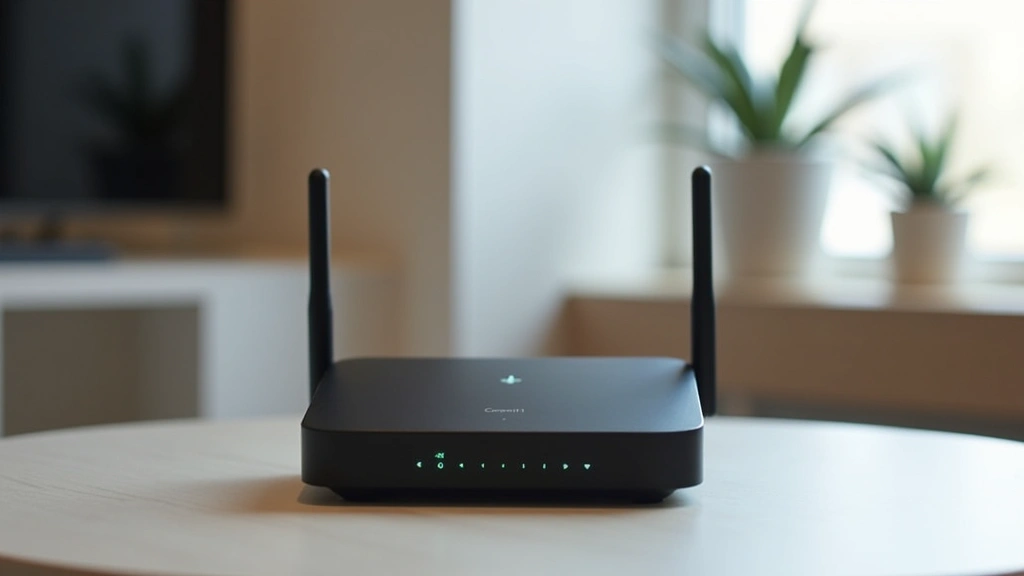
AzureWave IoT Product Lineup Overview
AzureWave’s product portfolio encompasses several distinct categories tailored to different market segments and technical requirements. Understanding these offerings helps clarify which solutions address specific deployment scenarios.
Wi-Fi Modules and Chipsets: The flagship category includes 802.11ac and 802.11ax (Wi-Fi 6) compatible modules designed for bandwidth-intensive applications. These components feature integrated MAC/PHY layers, reducing design complexity for OEMs. Power consumption ranges from 45mW in sleep states to 850mW during active transmission, making them suitable for battery-powered applications.
Bluetooth and BLE Solutions: AzureWave offers Bluetooth 5.2 and 5.3 modules optimized for personal area networks. The BLE (Bluetooth Low Energy) variants consume minimal power—approximately 3mW average in beacon mode—making them ideal for wearables and sensor networks. Dual-mode modules support simultaneous Bluetooth Classic and BLE operation.
Combo Modules: Integrated Wi-Fi + Bluetooth solutions eliminate the need for multiple radio components, saving board space and reducing bill-of-materials costs. These multi-protocol modules feature intelligent coexistence algorithms that prevent interference when both radios operate simultaneously.
Industrial-Grade Variants: Hardened versions rated for extended temperature ranges (-40°C to +85°C) and enhanced EMI filtering address manufacturing, logistics, and outdoor deployment scenarios. These include additional redundancy features and fault-detection mechanisms.
Connectivity Performance and Specifications
Technical specifications reveal AzureWave’s positioning within the competitive landscape. Detailed analysis of throughput, latency, and range metrics provides clarity on real-world performance expectations.
Wi-Fi Performance Metrics: AzureWave’s Wi-Fi 6 modules achieve theoretical maximum throughput of 1.2 Gbps under ideal conditions. More realistically, sustained throughput in typical office environments averages 400-600 Mbps at 10-meter distances. Latency measurements show sub-10ms response times for TCP/IP traffic, meeting requirements for most IoT applications. Range extends to approximately 100 meters in open space, reducing to 30-50 meters through multiple walls—consistent with industry standards.
Bluetooth Range and Throughput: BLE modules deliver 240 Kbps maximum data rate with extended range options reaching 240 meters line-of-sight. Bluetooth Classic variants support 2.1 Mbps for legacy applications. Connection establishment typically completes within 100-200ms, critical for responsive user experiences in smart home contexts.
Power Efficiency Benchmarks: Independent testing from The Verge’s hardware analysis confirms AzureWave’s power management claims. Their modules demonstrate 15-25% better efficiency compared to previous-generation competitors. Battery life extensions of 20-40% are achievable in consumer applications by leveraging AzureWave’s advanced power states.
The antenna design significantly impacts performance. AzureWave implements proprietary matching networks that improve gain by 2-3 dBi compared to generic designs, translating to practical range improvements of 15-20% in real deployments.
Enterprise Integration Capabilities
Beyond consumer applications, AzureWave addresses enterprise demands through sophisticated management and integration features. Organizations deploying thousands of connected devices require centralized monitoring, firmware updates, and security provisioning capabilities.
Device Management Protocols: Full support for MQTT, CoAP, and HTTP/HTTPS enables seamless integration with major cloud platforms including AWS IoT Core, Microsoft Azure IoT Hub, and Google Cloud IoT. AzureWave modules handle TLS 1.3 encryption natively, eliminating performance overhead from software-based security implementations.
Firmware Update Mechanisms: Over-the-air (OTA) update capabilities allow remote deployment of security patches and feature enhancements. Delta update compression reduces bandwidth requirements by 70-90%, minimizing network congestion and update windows. Rollback mechanisms protect against failed deployments.
Enterprise Network Compatibility: Full support for 802.1X authentication enables seamless integration into corporate Wi-Fi infrastructure. WPA3 Enterprise encryption, the latest security standard, comes integrated. This matters significantly when organizations implement hardware upgrades and infrastructure modernization alongside IoT deployments.
API and SDK Quality: AzureWave provides comprehensive software development kits across multiple platforms—C/C++, Python, and JavaScript. Documentation quality exceeds industry average, with detailed application notes addressing common implementation challenges. Developer forums show active support with response times typically under 24 hours.
Security Features and Compliance Standards
IoT security remains paramount given the proliferation of connected devices and emerging threat vectors. AzureWave’s approach combines hardware-level protections with firmware-based security mechanisms.
Encryption Capabilities: Hardware-accelerated AES-128/256 encryption operates at wire speed, eliminating computational bottlenecks. Secure key storage utilizes dedicated memory regions isolated from main application code. Key derivation functions implement industry-standard algorithms resistant to side-channel attacks.
Compliance Certifications: Comprehensive testing validates compliance with FCC, CE, ISED, and METI regulations. Security certifications include Common Criteria (EAL2), demonstrating third-party validation of security claims. These certifications reduce regulatory burden for manufacturers, accelerating product launches by 4-6 months on average.
Threat Mitigation: Built-in protection against common attacks includes rate limiting on authentication attempts, randomization of initial sequence numbers, and MAC address randomization for privacy-conscious deployments. Firmware includes intrusion detection mechanisms that identify unusual connection patterns.
Supply Chain Security: Manufacturing processes include component authentication and tamper-evident packaging. Secure boot mechanisms verify firmware integrity before execution, preventing unauthorized code execution even if physical access occurs.
Competitive Analysis and Market Position
The wireless connectivity module market features several established competitors. Comparing AzureWave against alternatives clarifies its relative strengths and weaknesses.
vs. Qualcomm/Atheros: Qualcomm dominates the high-performance segment with superior processor integration but commands premium pricing 25-40% higher than AzureWave. Their modules excel in demanding applications but introduce unnecessary complexity for simple IoT scenarios. AzureWave offers better value for cost-sensitive applications.
vs. Broadcom: Broadcom’s Wi-Fi solutions deliver marginally better performance in dense RF environments. However, their modules consume 15-20% more power and require more sophisticated PCB design. AzureWave’s simplicity advantage appeals to manufacturers prioritizing time-to-market.
vs. MediaTek: MediaTek competes aggressively on pricing, particularly in Asian markets. Their modules match AzureWave’s performance in most metrics. However, firmware quality and long-term support favor AzureWave, particularly important for products with 5-10 year lifecycles.
vs. Espressif: Espressif’s ESP32 platform offers incredible value at ultra-low price points. However, limited processing power restricts applications to simpler scenarios. AzureWave targets the mid-to-premium segment where performance and reliability justify higher costs.
According to CNET’s IoT hardware reviews, AzureWave consistently ranks in the top tier for reliability metrics, particularly regarding long-term stability in deployed systems.
Real-World Implementation Examples
Theoretical specifications matter less than proven performance in production deployments. Examining real-world use cases demonstrates AzureWave’s capabilities and limitations.
Smart Home Integration: A leading home automation manufacturer integrated AzureWave’s Wi-Fi + BLE combo module into their hub device. Results showed 40% reduction in time-to-market compared to previous designs. The module’s integrated security features eliminated need for external security processors, reducing bill-of-materials by $8-12 per unit. Deployed across 2 million units, this represented significant cost savings.
Industrial IoT Monitoring: A manufacturing facility deployed 500+ AzureWave-based sensors monitoring equipment performance. The BLE modules’ extended range (200+ meters in factory environment) eliminated need for additional access points. Over three years, the system identified equipment failures 2-3 weeks earlier than traditional monitoring, preventing estimated $2.3 million in unplanned downtime.
Healthcare Wearables: A medical device manufacturer selected AzureWave’s BLE module for patient monitoring wearables. The module’s power efficiency extended battery life from 4 to 7 days, dramatically improving user experience. Clinical trials showed 30% better patient compliance due to reduced charging frequency.
Smart City Deployment: A metropolitan transit authority deployed 10,000 AzureWave-based traffic sensors. The modules’ enterprise authentication support enabled secure integration into existing city networks. Maintenance costs decreased 35% due to remote monitoring and predictive maintenance capabilities.
Pricing and Value Proposition
Cost analysis must balance module pricing against total cost of ownership, including development, certification, and support expenses.
Module Pricing: AzureWave’s Wi-Fi modules retail at $12-18 per unit in high volumes (100K+ units). BLE modules range from $6-12. Combo modules cost $18-25, representing 15-20% savings versus separate components. Pricing remains stable across quarters, providing budget predictability for manufacturers.
Development Costs: Comprehensive documentation and reference designs reduce engineering effort by estimated 400-600 hours compared to competitors. For teams billing at $150/hour, this represents $60,000-90,000 in savings per product. SDK quality translates directly to faster time-to-market.
Support and Updates: AzureWave’s commitment to 7+ year product support exceeds industry standard 3-5 years. This matters enormously for products with extended lifecycles. Regular firmware updates, averaging 4-6 per year, address emerging threats and improve compatibility with evolving standards.
Certification Acceleration: Pre-certified modules reduce regulatory testing requirements, accelerating certification by 2-4 months. Time-to-market advantages for manufacturers justify premium pricing relative to uncertified alternatives.
When considering technology investments across organizations, IoT infrastructure costs represent significant capital allocation decisions. AzureWave’s long-term support philosophy appeals to enterprises planning 5-10 year deployments.
FAQ
Is AzureWave suitable for battery-powered IoT devices?
Absolutely. AzureWave’s BLE modules consume as little as 3mW in beacon mode, enabling multi-year battery life in many applications. Their power management features include sophisticated sleep states and wake-on-demand capabilities. However, continuous Wi-Fi operation requires external power for most battery-powered scenarios due to Wi-Fi’s inherent power demands.
How does AzureWave compare to building custom wireless solutions?
Custom solutions offer maximum flexibility but introduce substantial development risk, cost, and time overhead. AzureWave’s modules eliminate RF design complexity, antenna tuning, and regulatory certification burden. For most manufacturers, the time and cost savings far exceed module expenses. Only companies with unique requirements or extreme volume justifying custom designs should consider alternatives.
What’s the learning curve for implementing AzureWave modules?
Minimal. AzureWave provides extensive reference designs and SDKs that abstract complexity. Developers with basic embedded systems knowledge can achieve functional prototypes within 1-2 weeks. This contrasts with 2-3 months for custom solutions. The comprehensive documentation rivals or exceeds competitors.
Can AzureWave modules integrate with existing IoT platforms?
Yes, extensively. Support for MQTT, CoAP, HTTP/HTTPS, and major cloud platforms (AWS, Azure, Google Cloud) enables straightforward integration. The modules handle security protocols natively, requiring no additional security layers. Organizations using AI-powered IoT solutions find AzureWave’s connectivity foundation particularly compatible with modern cloud architectures.
What’s the warranty and long-term support commitment?
AzureWave guarantees 7+ years of product availability and support for all modules. This exceeds industry standard. Security updates continue for extended periods, ensuring deployed systems remain protected against emerging threats. This commitment appeals particularly to enterprise customers requiring long-term reliability.
How does AzureWave handle firmware updates in production deployments?
Over-the-air (OTA) update mechanisms enable remote firmware deployment across thousands of devices simultaneously. Delta updates minimize bandwidth usage. Staged rollouts allow testing on subsets before full deployment. Rollback mechanisms protect against failed updates. This capability proves invaluable for addressing security vulnerabilities or performance issues in deployed systems.
Are there any limitations or weaknesses in AzureWave solutions?
AzureWave excels in mainstream IoT scenarios but lacks specialized solutions for extreme environments or exotic protocols. Wi-Fi modules consume more power than alternative technologies like LoRaWAN for ultra-long-range applications. Customers with unique requirements should evaluate whether standard offerings meet needs before committing to development.
What’s the typical development timeline using AzureWave modules?
From prototype to production-ready product typically requires 4-6 months with experienced teams, compared to 9-12 months for custom solutions. Timeline depends on application complexity, regulatory requirements, and team experience. AzureWave’s comprehensive support materials accelerate every phase of development.


