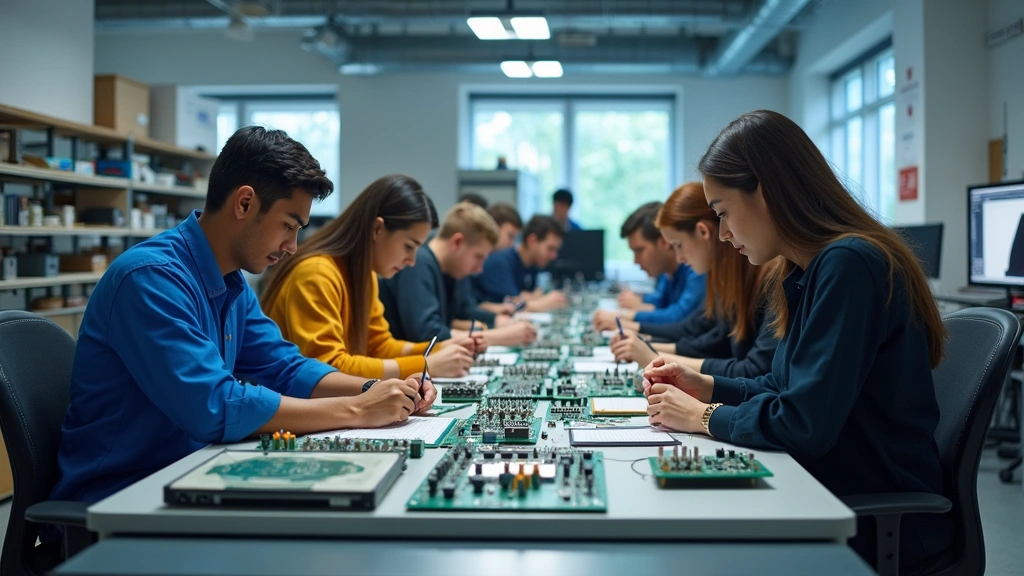
Is a B Tech Degree Right for You? Expert Insights on Engineering Education
Deciding whether to pursue a Bachelor of Technology (B Tech) degree is one of the most significant educational choices you’ll make. With the rapid evolution of the technology industry and shifting career landscapes, prospective students need comprehensive guidance to evaluate if this four-year engineering program aligns with their goals, aptitudes, and aspirations. This expert analysis explores the multifaceted aspects of B Tech education, from curriculum structure and specialization options to career prospects and real-world applications in emerging fields.
The B Tech degree has become increasingly relevant as industries worldwide demand skilled engineers capable of developing innovative solutions. Whether you’re passionate about coding, hardware design, renewable energy systems, or artificial intelligence, understanding the fundamentals of engineering education will help you make an informed decision about your future. Let’s examine what a B Tech degree entails and whether it’s the right path for your career journey.

What Is a B Tech Degree?
A Bachelor of Technology (B Tech) degree is a four-year undergraduate engineering program designed to provide comprehensive technical education combined with theoretical knowledge. Unlike pure science degrees, B Tech programs emphasize practical applications and hands-on experience, preparing graduates to solve real-world engineering problems. The curriculum typically balances theoretical foundations with laboratory work, internships, and industry-based projects.
B Tech degrees are recognized globally and awarded by accredited institutions across India, Europe, Asia-Pacific regions, and beyond. The program structure generally includes foundational courses in mathematics, physics, and chemistry during the first year, followed by specialized engineering coursework in subsequent years. Students can explore various engineering disciplines including artificial intelligence applications, software development, civil engineering, mechanical engineering, electrical engineering, and more.
The degree emphasizes developing competencies in problem-solving, technical analysis, project management, and communication skills. Many institutions now incorporate emerging technologies like machine learning, IoT, blockchain, and cloud computing into their B Tech curricula to ensure graduates remain competitive in the job market. The Tech Pulse Hunter Blog regularly features insights on how engineering education is evolving to meet industry demands.

Core Curriculum and Specializations
The B Tech curriculum is structured to provide a strong foundation in engineering principles before allowing students to specialize in their chosen field. First-year courses typically include:
- Mathematics: Calculus, linear algebra, differential equations, and discrete mathematics
- Physics: Mechanics, thermodynamics, optics, and modern physics
- Chemistry: Organic and inorganic chemistry, and materials science fundamentals
- Engineering Basics: Introduction to engineering design, technical drawing, and programming fundamentals
As you progress through the program, specialization options become more prominent. Popular B Tech specializations include:
- Computer Science and Engineering: Focuses on software development, data structures, algorithms, databases, and cybersecurity. Graduates often pursue careers in artificial intelligence applications and machine learning development.
- Electrical Engineering: Covers power systems, electronics, electromagnetics, and control systems. Increasingly includes renewable energy technologies as discussed in our technology in renewable energy innovations guide.
- Mechanical Engineering: Emphasizes thermodynamics, fluid mechanics, materials science, and mechanical design principles.
- Civil Engineering: Focuses on infrastructure design, structural analysis, construction management, and environmental engineering.
- Electronics and Communication: Covers signal processing, telecommunications, embedded systems, and microelectronics.
- Information Technology: Emphasizes software engineering, database management, networking, and cloud computing benefits for businesses.
Many institutions now offer emerging specializations in Data Science, IoT Engineering, Renewable Energy Systems, and Artificial Intelligence, reflecting industry demands for specialized technical expertise.
Career Opportunities and Salary Prospects
One of the most compelling reasons to pursue a B Tech degree is the extensive career opportunities available to graduates. Engineers are in high demand across numerous sectors, and the global talent shortage in technical roles continues to drive competitive compensation packages.
Entry-Level Career Paths: Fresh B Tech graduates typically start as junior engineers, software developers, or graduate trainees in organizations ranging from startups to Fortune 500 companies. Entry-level salaries vary significantly based on specialization, location, and company size, but generally range from $45,000 to $70,000 annually in developed nations, with higher figures in technology hubs.
Mid-Career Growth: With 5-10 years of experience, B Tech graduates often advance to senior engineer, technical lead, or project manager positions. Mid-career salaries typically range from $80,000 to $150,000+, depending on specialization and industry sector. Those pursuing artificial intelligence applications development often command premium salaries due to high demand.
Industry-Specific Opportunities:
- Technology Sector: Software companies, tech startups, and IT consulting firms offer lucrative roles in development, infrastructure, and product engineering.
- Automotive Industry: Electric vehicle development and autonomous systems are creating exciting opportunities for mechanical and electrical engineers.
- Renewable Energy: The technology in renewable energy innovations sector is expanding rapidly, offering roles in solar, wind, and battery technologies.
- Telecommunications: 5G deployment and network infrastructure development continue to create demand for electronics and communication engineers.
- Financial Services: FinTech companies actively recruit engineers for blockchain development, payment systems, and algorithmic trading platforms.
According to U.S. Bureau of Labor Statistics, engineering occupations are projected to grow steadily, with software developers experiencing particularly strong growth through the next decade.
Skills You’ll Develop
Beyond technical knowledge, a B Tech degree cultivates a comprehensive skill set highly valued by employers. The program structure ensures balanced development of hard and soft skills essential for professional success.
Technical Skills: You’ll develop proficiency in programming languages, CAD software, simulation tools, and industry-standard platforms. Computer science graduates often gain expertise in multiple programming languages, databases, and development frameworks. Students pursuing electrical engineering specializations develop skills in circuit design, power analysis, and control systems. The practical orientation ensures hands-on experience with real equipment and tools rather than purely theoretical knowledge.
Analytical and Problem-Solving Abilities: Engineering education emphasizes systematic problem-solving approaches. You’ll learn to break down complex problems, analyze multiple solutions, and implement optimal designs. These analytical skills transfer across all industries and are particularly valuable in consulting, research, and product development roles.
Project Management and Leadership: Most B Tech programs include capstone projects requiring teams to conceptualize, design, and implement solutions from conception to completion. These experiences develop project management capabilities, team coordination skills, and leadership qualities essential for career advancement.
Communication and Collaboration: Modern engineering education emphasizes clear communication of technical concepts to diverse audiences. You’ll develop written and verbal communication skills through presentations, technical reports, and collaborative projects. These competencies are crucial when working with cross-functional teams in professional settings.
Continuous Learning Mindset: The rapidly evolving technology landscape means successful engineers embrace lifelong learning. B Tech programs instill this mindset by exposing students to emerging technologies and encouraging independent research and exploration beyond the core curriculum.
Admission Requirements and Prerequisites
Admission criteria for B Tech programs vary by institution and geographic location, but common requirements include:
Academic Prerequisites: Strong performance in high school mathematics and science subjects is typically required. Most programs expect completion of algebra, geometry, trigonometry, physics, and chemistry with satisfactory grades. Some institutions set minimum GPA requirements, often around 3.0 or equivalent on a 4.0 scale.
Entrance Examinations: Many countries require standardized entrance examinations. In India, the JEE (Joint Entrance Examination) is the primary gateway to top engineering colleges. In the United States, universities typically require SAT or ACT scores. Specific score requirements vary by institution and program competitiveness.
Language Proficiency: International applicants may need to demonstrate English proficiency through TOEFL or IELTS examinations, depending on the institution’s location and medium of instruction.
Application Materials: Most institutions require application forms, transcripts, letters of recommendation, and personal statements. Some selective programs may conduct interviews to assess motivation, analytical thinking, and communication abilities.
Prerequisite Knowledge: Familiarity with basic computer usage is increasingly expected. Some programs recommend or require prior programming experience, though many B Tech programs teach programming fundamentals to students without prior coding knowledge.
Challenges and Considerations
While a B Tech degree offers significant advantages, prospective students should understand the challenges and demands of engineering education.
Academic Rigor: B Tech programs are intellectually demanding, requiring strong mathematical abilities and sustained effort throughout the four-year duration. Students must be prepared for challenging coursework, particularly in the first two years covering foundational mathematics and physics. Course failure rates in foundational subjects can be significant, and many students struggle with the transition from high school to university-level engineering education.
Time Commitment: Engineering education requires substantial time investment beyond classroom hours. Lab work, projects, assignments, and exam preparation typically demand 50-60 hours weekly during intense semesters. Balancing coursework with internships, extracurricular activities, and personal life requires excellent time management.
Financial Considerations: Tuition costs for B Tech programs vary significantly. Public institutions in India and some countries offer affordable education, while private universities and international programs can be expensive. However, strong career prospects and earning potential often justify the investment, particularly when considering best laptops for students 2025 and other necessary equipment investments.
Specialization Pressure: Choosing a specialization early in your academic journey can feel overwhelming. While most programs allow some flexibility, committing to a specific engineering discipline requires careful consideration of your interests and market demands.
Rapid Technology Evolution: The technology landscape changes rapidly, and curriculum updates sometimes lag industry developments. Successful B Tech graduates supplement formal education with continuous self-learning and professional certifications to stay current with emerging technologies.
Alternatives to Traditional B Tech
If a traditional four-year B Tech degree doesn’t align with your circumstances, several alternative pathways exist:
Diploma in Engineering: Two or three-year engineering diplomas provide practical technical training with less theoretical depth than B Tech programs. These programs prepare graduates for immediate employment in technical roles, though advancement opportunities may be limited without a bachelor’s degree.
Online and Distance B Tech Programs: Many universities now offer B Tech degrees through distance learning, enabling working professionals and geographically constrained students to pursue engineering education. These programs maintain academic rigor while offering flexibility, though hands-on laboratory work may be limited.
Bootcamps and Intensive Courses: For those interested in specific technical skills like software development or data science, intensive bootcamps offer concentrated training in 3-6 months. While not equivalent to a full B Tech degree, these programs can launch careers in specific tech sectors. Resources like edX offer micro-credentials and specializations in engineering topics.
Integrated Five-Year Programs: Some institutions offer integrated programs combining B Tech and M Tech (Master of Technology) degrees, allowing completion of both degrees in five years rather than six. These accelerated pathways suit highly motivated students seeking advanced technical expertise.
Apprenticeship Models: In some countries, apprenticeship-based engineering education combines classroom learning with paid work experience, allowing students to earn while studying. These models are particularly popular in Germany and Switzerland.
Professional Certifications: For those with bachelor’s degrees in other fields, professional engineering certifications and credentials can provide specialized technical knowledge without pursuing full engineering degrees. The IEEE and other professional organizations offer certification programs recognized globally.
FAQ
What’s the difference between B Tech and BSc in Physics or Mathematics?
A B Tech degree emphasizes practical applications and engineering problem-solving, with significant laboratory and project-based components. BSc programs in physics or mathematics focus more on theoretical knowledge and scientific research. B Tech graduates are typically prepared for immediate industry employment, while BSc graduates often pursue further research or specialized postgraduate studies. However, both degrees provide strong foundations for further study.
Can I switch engineering specializations during my B Tech?
Most institutions allow specialization changes during the first year or between first and second year. However, switching after the second year becomes increasingly difficult due to prerequisite course requirements. It’s crucial to explore your interests thoroughly before committing to a specialization, as changes later in the program may extend your graduation timeline.
Is a B Tech degree sufficient for career advancement, or should I pursue M Tech?
A B Tech degree is sufficient for most engineering careers and provides immediate employment opportunities. Pursuing an M Tech (Master’s degree) depends on your career goals. Research-focused roles, academic positions, or highly specialized technical positions may require advanced degrees. However, many professionals gain M Tech qualifications through part-time or online programs while working, allowing them to advance without immediate postgraduate study.
How important are internships during B Tech studies?
Internships are extremely valuable and highly recommended. Most B Tech programs include mandatory internship requirements, typically during summer breaks. Internships provide practical experience, industry exposure, networking opportunities, and often lead to job offers upon graduation. Students with strong internship experiences significantly improve their employment prospects and starting salaries.
What if I’m not strong in mathematics initially?
While strong mathematical abilities are beneficial, many students without exceptional math skills successfully complete B Tech programs through dedicated effort and supplementary support. Most institutions offer mathematics support programs, tutoring services, and foundational courses for students needing additional help. Success depends more on commitment and consistent effort than initial ability.
Are B Tech degrees recognized internationally?
Yes, B Tech degrees from accredited institutions are recognized internationally, particularly from well-regarded universities. However, recognition varies by country and institution reputation. Graduates may need to complete additional examinations or certifications to practice engineering in certain jurisdictions. Professional engineering licenses often require passing standardized exams regardless of educational background.


