
Is Beauty Tech Revolutionizing Skincare? Expert Insight
The skincare industry is undergoing a dramatic transformation. What was once dominated by creams, serums, and topical treatments is now being enhanced—and in some cases, fundamentally reimagined—by sophisticated technology. Beauty tech represents one of the fastest-growing segments in the consumer electronics market, blending dermatological science with cutting-edge gadgetry to deliver measurable results. From AI-powered skin analysis devices to LED light therapy masks and ultrasonic cleansing systems, these innovations promise to take personalized skincare to unprecedented levels.
But does the hype match the reality? Are these devices genuinely revolutionizing how we care for our skin, or are they merely expensive novelties? This comprehensive guide examines the current landscape of beauty technology, explores the science behind popular devices, and provides expert insights into whether these tools deserve a place in your skincare routine. Whether you’re a skincare enthusiast or someone exploring technology-driven wellness solutions, understanding beauty tech is essential in today’s gadget-driven world.

What Is Beauty Tech and How Does It Work?
Beauty technology encompasses a broad category of electronic devices designed to improve skin health, appearance, and overall complexion. Unlike traditional skincare products that work through chemical composition alone, these devices leverage physics, light science, electrical currents, and data analytics to target specific skin concerns with precision. The category includes everything from handheld devices you can use at home to professional-grade equipment found in dermatology clinics and aesthetic centers.
The fundamental principle behind most beauty tech devices involves stimulating the skin at a cellular level. Whether through light wavelengths, electrical impulses, ultrasonic vibrations, or thermal energy, these technologies aim to trigger biological responses that improve collagen production, reduce inflammation, accelerate cell turnover, and enhance product absorption. This represents a significant departure from passive skincare, where you simply apply a product and hope it works. With beauty tech, you’re actively engaging your skin’s physiology to generate measurable improvements.
The integration of smart technology has elevated beauty devices beyond simple tools. Many modern beauty tech products connect to mobile applications, use artificial intelligence to provide personalized recommendations, track progress through before-and-after imagery, and adjust treatment parameters based on real-time skin feedback. This convergence of cosmetics and consumer electronics has created an entirely new product category that appeals to tech-savvy consumers seeking data-driven solutions to skincare challenges.
Top Beauty Tech Devices Transforming Skincare
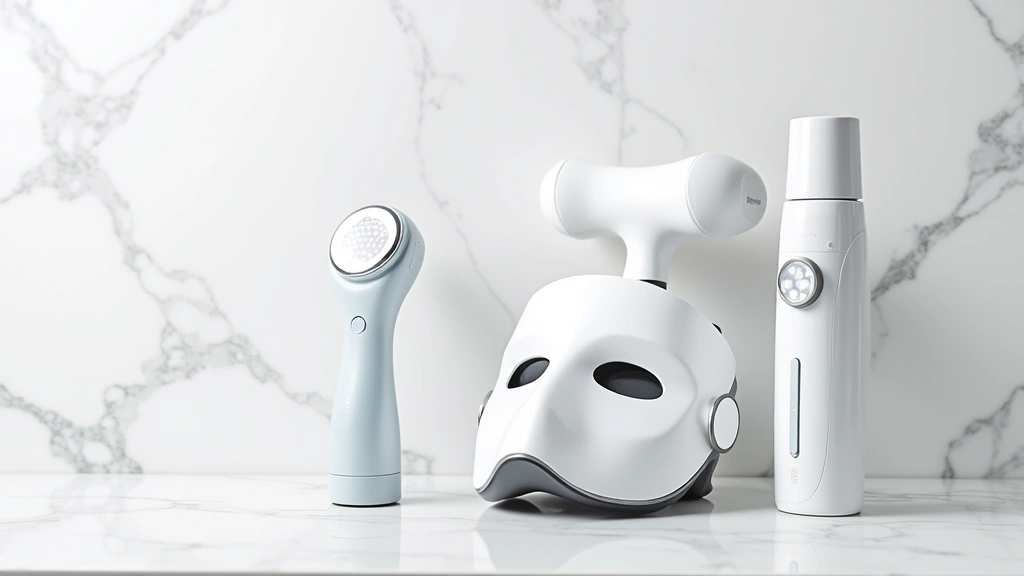
Several categories of beauty tech devices have gained prominence in recent years, each addressing different skin concerns with varying levels of clinical validation. Understanding the distinctions between these device types helps consumers make informed purchasing decisions aligned with their specific skincare goals.
Facial Cleansing Devices: Ultrasonic facial cleansers represent one of the most accessible entry points into beauty tech. Devices like Foreo Luna and Clarisonic use oscillating vibrations (typically 300-400 times per second) to physically remove dirt, oil, and dead skin cells more effectively than manual cleansing. The ultrasonic technology creates micro-bubbles that penetrate pores without the harsh abrasiveness of traditional scrubs. These devices are particularly beneficial for sensitive skin types and have become staples in many skincare routines.
LED Light Therapy Masks: Perhaps the most visually striking category, LED light therapy masks use specific wavelengths of light to target different skin concerns. Red light (typically 600-700 nanometers) stimulates collagen production and reduces inflammation, making it ideal for anti-aging and acne-prone skin. Blue light (400-500 nanometers) targets acne-causing bacteria. Near-infrared light penetrates deeper to address wrinkles and skin elasticity. Brands like Theraface and Neutrogena Light Therapy have popularized this technology in the consumer market.
Microcurrent Devices: These handheld gadgets deliver low-level electrical currents that mimic the body’s natural bioelectric signals. The theory is that these currents stimulate facial muscles, improve circulation, and enhance lymphatic drainage, resulting in a lifted, more contoured appearance. Devices like NuFace have built a substantial following among consumers seeking non-invasive facial toning solutions.
Radiofrequency and Microneedling Systems: More advanced beauty tech incorporates radiofrequency energy or micro-needling technology to stimulate deeper layers of skin. Radiofrequency devices heat the dermis to trigger collagen remodeling, while microneedling creates controlled micro-injuries that prompt the skin’s natural healing response, boosting collagen and elastin production. These technologies, once exclusive to professional settings, are increasingly available as at-home devices, though professional versions deliver more dramatic results.
AI and Machine Learning in Skin Analysis
The integration of artificial intelligence into beauty tech represents perhaps the most significant recent innovation. AI-powered skin analysis devices use sophisticated algorithms and machine learning to assess your skin’s condition with remarkable accuracy, then recommend personalized treatment protocols and product selections. This technological advancement parallels broader artificial intelligence applications transforming industries, extending AI’s reach into personal wellness.
Devices equipped with AI typically use high-resolution cameras and advanced image processing to analyze multiple skin parameters simultaneously: pore size, wrinkle depth, skin texture, moisture levels, oiliness, sensitivity, and pigmentation irregularities. The device’s algorithm then compares your skin against millions of data points to generate a detailed skin profile. Based on this analysis, the device recommends specific treatments, product ingredients, and even lifestyle modifications.
Companies like Olay have integrated AI into their beauty tech offerings through devices that connect to mobile apps providing daily skincare guidance. Similarly, L’Oréal’s ModiFace technology uses augmented reality and AI to help consumers visualize product results before purchase and receive personalized recommendations. This data-driven approach transforms skincare from a guessing game into a scientifically informed regimen tailored to individual needs.
The machine learning aspect is particularly powerful because these systems continuously improve. The more users engage with the device and provide feedback about results, the more sophisticated the AI recommendations become. This creates a feedback loop where the technology becomes increasingly personalized and accurate over time.
LED Light Therapy and Phototherapy Devices
LED light therapy has emerged as one of the most clinically validated categories within beauty tech. The science behind this technology is rooted in photobiology—the study of how light interacts with living tissue. Different wavelengths of light penetrate skin to varying depths and trigger distinct biological responses.
Red Light Therapy (600-700 nm): Red light wavelengths penetrate the dermis and stimulate mitochondrial function in fibroblasts—the cells responsible for collagen production. Clinical studies have demonstrated that consistent red light exposure increases collagen synthesis, reduces fine lines, improves skin texture, and decreases inflammation associated with acne and rosacea. A comprehensive review published in Seminars in Cutaneous Medicine and Surgery found strong evidence supporting red light’s anti-aging benefits.
Blue Light Therapy (400-500 nm): Blue light is particularly effective against acne-causing bacteria (Propionibacterium acnes). The light is absorbed by porphyrins within bacterial cells, creating reactive oxygen species that destroy the bacteria. This makes blue light therapy an excellent option for inflammatory acne without the side effects associated with oral antibiotics or harsh topical treatments.
Yellow and Amber Light (570-590 nm): Less commonly discussed but increasingly incorporated into advanced devices, yellow light reduces redness, decreases inflammation, and improves skin tone consistency. It’s particularly beneficial for rosacea and sensitive skin conditions.
Near-Infrared Light (700-1100 nm): Penetrating deepest into the skin, near-infrared light stimulates collagen remodeling and improves skin elasticity. Many professional-grade devices combine multiple wavelengths to address multiple concerns simultaneously. Treatment protocols typically require 15-20 minute sessions, 3-5 times weekly, with visible results typically appearing after 4-8 weeks of consistent use.
Ultrasonic and Microcurrent Technology
Beyond light-based therapies, beauty tech employs mechanical and electrical mechanisms to enhance skin health. Ultrasonic technology uses high-frequency sound waves—typically 1-3 million vibrations per second—to create multiple effects on skin tissue.
Ultrasonic Cleansing: The primary benefit of ultrasonic devices is enhanced cleansing. The vibrations dislodge debris, bacteria, and dead skin cells from pores more effectively than manual cleansing, without the irritation associated with physical scrubs. This makes ultrasonic cleansers particularly valuable for sensitive skin types and those prone to irritation.
Ultrasonic Delivery: Some advanced devices use ultrasonic technology to enhance product penetration. The vibrations temporarily increase skin permeability, allowing serums and treatments to penetrate more deeply. This is known as sonophoresis or phonophoresis.
Microcurrent Technology: Microcurrent devices deliver barely perceptible electrical currents—typically measured in microamps—that theoretically mimic the body’s natural bioelectric signals. Proponents argue these currents stimulate facial muscles, improve circulation, enhance ATP (cellular energy) production, and promote lymphatic drainage. The result is claimed to be a lifted, more sculpted appearance with improved skin tone and reduced puffiness.
However, the evidence for microcurrent’s muscle-toning effects remains mixed. While some studies show modest improvements in facial contour and skin firmness, the effects are typically subtle and require consistent use. CNET’s review of beauty gadgets notes that microcurrent devices work best when combined with other skincare practices rather than as standalone solutions.
Clinical Evidence and Dermatologist Perspectives
While beauty tech has captured consumer enthusiasm, dermatologists maintain varied perspectives on these devices. The critical distinction lies between devices with robust clinical evidence and those relying primarily on marketing claims. Professional dermatologists emphasize that not all beauty tech is equally validated or effective.
Strong Evidence: LED light therapy boasts the most substantial clinical backing. Numerous peer-reviewed studies demonstrate efficacy for acne treatment, anti-aging benefits, and inflammation reduction. The FDA has cleared several LED light therapy devices for specific indications, lending regulatory credibility.
Moderate Evidence: Microneedling devices show promising results in clinical settings, particularly for scar reduction and skin texture improvement. However, at-home versions typically use shorter needles (0.5-1.5mm) compared to professional treatments (1.5-2.5mm), limiting their efficacy. Radiofrequency devices similarly show better results in professional settings with higher energy levels.
Limited Evidence: Microcurrent devices lack consistent clinical validation. While manufacturers cite studies showing benefits, independent dermatological assessments suggest results are modest at best and primarily subjective rather than objectively measurable through biometric analysis.
Dr. Joshua Zeichner, director of cosmetic and clinical research at Mount Sinai Hospital, notes that the best beauty tech devices complement—rather than replace—evidence-based skincare fundamentals: sunscreen, retinoids, and hydration. He emphasizes that consumers should seek devices with clinical studies from reputable institutions, not merely testimonials or manufacturer-sponsored research.
The American Academy of Dermatology recommends consulting dermatologists before investing in expensive beauty tech, particularly for those with sensitive skin conditions, active acne, or compromised skin barriers. Professional guidance ensures device selection aligns with individual skin physiology and existing treatment protocols.
Cost-Benefit Analysis of Beauty Tech
Beauty tech devices range from affordable ($50-$100) to luxury investments ($500-$3,000+). Evaluating whether these devices represent genuine value requires honest cost-benefit analysis beyond marketing appeal.
Entry-Level Devices ($50-$200): Ultrasonic cleansers and basic LED masks fall into this category. These devices typically deliver meaningful benefits for their cost, particularly for cleansing efficiency and basic light therapy. The payback period is relatively short—even modest improvements in skin quality can justify the investment within months of regular use.
Mid-Range Devices ($200-$500): Advanced LED masks with multiple wavelengths, higher-quality microcurrent devices, and combination systems occupy this tier. These devices often include smart features, app connectivity, and more robust construction. Cost-benefit analysis becomes more nuanced here; benefits must be substantial enough to justify significantly higher investment.
Luxury Devices ($500+): Professional-grade systems, radiofrequency devices, and premium combination systems command luxury prices. These are best viewed as long-term skincare investments or alternatives to professional treatments. A single professional LED light therapy session costs $75-$150, so a $1,500 device pays for itself after 10-20 sessions. However, results must genuinely match or exceed professional treatments to justify the premium.
A practical approach involves starting with entry-level devices in categories most relevant to your specific skin concerns, assessing results over 8-12 weeks, then potentially graduating to higher-tier devices if initial results prove promising. This methodology minimizes wasted investment while allowing gradual exploration of beauty tech effectiveness.
Future Innovations in Skincare Technology
The beauty tech landscape continues evolving rapidly. Emerging innovations promise even more sophisticated and personalized skincare solutions. Understanding these trends helps consumers anticipate future developments and assess which current devices might have lasting relevance.
Wearable Beauty Tech: Researchers are developing wearable patches and sensors that continuously monitor skin hydration, pH levels, temperature, and other parameters. These devices could provide real-time feedback and trigger automated treatments or notifications when intervention is needed. Imagine a patch that detects early signs of acne formation and activates blue light therapy preemptively.
Advanced AI Integration: Future beauty tech will feature increasingly sophisticated AI capable of predicting skin changes before they’re visible to the human eye. Machine learning algorithms will analyze millions of variables to recommend treatments with unprecedented precision. This parallels broader artificial intelligence applications transforming industries across sectors.
Bioelectronic Skin Interfaces: Emerging research explores sophisticated bioelectronic devices that communicate directly with skin cells, potentially triggering targeted healing responses. This represents the frontier of beauty tech, blending biotechnology with consumer electronics.
Personalized Formulation Devices: Future devices may combine beauty tech with micro-formulation capabilities, allowing devices to create custom skincare products tailored to real-time skin analysis. You’d receive treatment recommendations alongside custom serums or masks created specifically for your skin’s current state.
Holistic Wellness Integration: Beauty tech increasingly integrates with broader wellness ecosystems. Devices will connect with fitness trackers, sleep monitors, and nutrition apps to provide skincare recommendations based on comprehensive health data. This reflects the growing recognition that skin health is inseparable from overall wellness.
The trajectory suggests beauty tech will become increasingly personalized, predictive, and integrated into daily wellness routines rather than viewed as specialized skincare devices. As technology becomes more sophisticated and accessible, beauty tech adoption will likely expand beyond enthusiasts to mainstream consumers seeking efficient, data-driven skincare solutions.
FAQ
Are beauty tech devices safe for all skin types?
Most beauty tech devices are safe for all skin types when used according to manufacturer instructions. However, individuals with sensitive skin, active inflammation, or compromised skin barriers should consult dermatologists before use. Certain devices—particularly those using higher energies like radiofrequency or intensive microneedling—may not be appropriate for darker skin tones due to increased risk of post-inflammatory hyperpigmentation. Always perform patch tests and start with lower intensity settings.
How long before seeing results from beauty tech?
Results timelines vary significantly depending on device type and individual factors. LED light therapy typically shows noticeable improvements after 4-8 weeks of consistent use. Microcurrent devices may show subtle tightening within days but more significant results after 4-6 weeks. Cleansing devices show immediate improvements in skin texture and clarity. Consistency matters tremendously—sporadic use delivers minimal results. Plan on 8-12 weeks of regular use before making final assessments about device effectiveness.
Can beauty tech replace professional dermatology treatments?
Some at-home devices deliver results comparable to professional treatments, particularly LED light therapy. However, professional treatments typically use higher energy levels, more sophisticated devices, and expert application, generally producing more dramatic results. Beauty tech is best viewed as a maintenance tool between professional treatments or as an alternative for those unable to access professional care. Serious skin conditions like severe acne, significant scarring, or advanced aging require professional evaluation and treatment.
What’s the difference between beauty tech and skincare products?
Skincare products work through chemical composition—ingredients penetrate skin and trigger biological responses. Beauty tech works through physical mechanisms: light energy, electrical currents, sound waves, or thermal energy. The most effective skincare regimens combine both approaches. Beauty tech enhances product penetration and efficacy, while products provide essential hydration, protection, and active ingredients. Neither category alone delivers optimal results; synergy between them maximizes skincare outcomes.
Is expensive beauty tech always better than affordable options?
Price doesn’t always correlate with effectiveness. Some affordable devices deliver excellent results, while certain expensive devices offer marginal benefits beyond lower-priced alternatives. What matters is clinical validation, device build quality, and alignment with your specific skin concerns. Research devices thoroughly, prioritize those with published clinical studies, read verified user reviews, and consider starting with affordable options before investing in premium devices.
How often should I use beauty tech devices?
Usage frequency depends on device type and manufacturer recommendations. LED light therapy devices typically require 15-20 minute sessions 3-5 times weekly. Cleansing devices should be used twice daily, similar to manual cleansing. Microcurrent devices work best with daily or near-daily use. Radiofrequency and microneedling devices require longer recovery periods between sessions, typically weekly or bi-weekly. Overuse can irritate skin, so follow manufacturer guidelines precisely and adjust based on your skin’s response.


