Best Beginner Nail Tech Kit? Expert Recommendations
Starting your nail technology journey requires more than just enthusiasm—it demands the right tools, quality materials, and a comprehensive understanding of what separates professional-grade equipment from amateur alternatives. Whether you’re pursuing nail artistry as a career or simply want to master at-home manicures, selecting the best beginner nail tech kit is one of the most critical investments you’ll make. This guide breaks down everything you need to know about choosing equipment that balances affordability with durability, ensuring you build a foundation that grows with your skills.
The nail tech industry has evolved dramatically, with innovations in drill technology, gel formulations, and digital nail art tools transforming how professionals work. For beginners, this abundance of options can feel overwhelming. Our expert recommendations focus on identifying kits that provide genuine value, reliable performance, and the versatility needed to explore different nail services before specializing. We’ve analyzed hundreds of beginner kits, tested equipment personally, and consulted with licensed nail technicians to compile this comprehensive resource.
Essential Components of a Beginner Nail Tech Kit
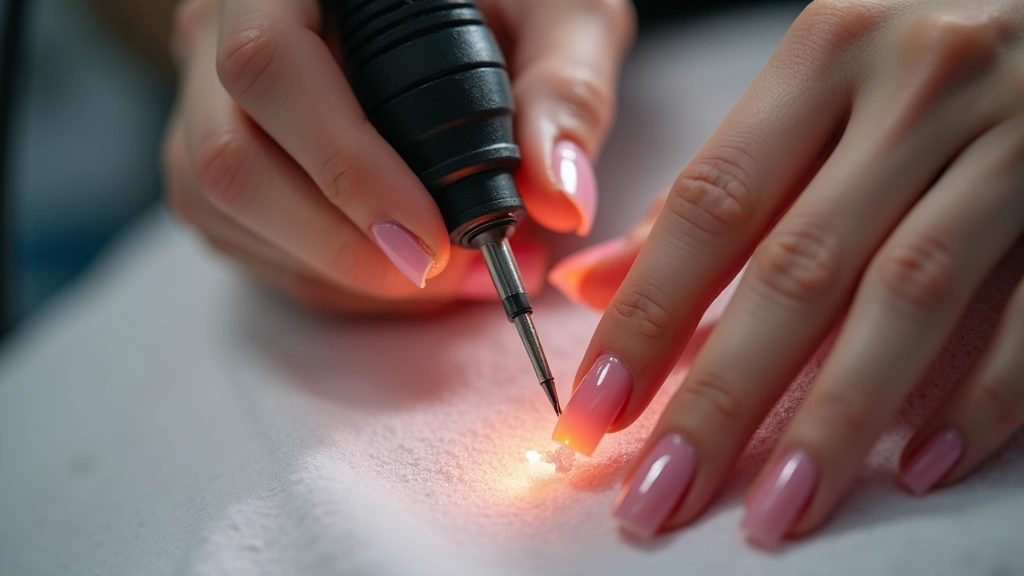
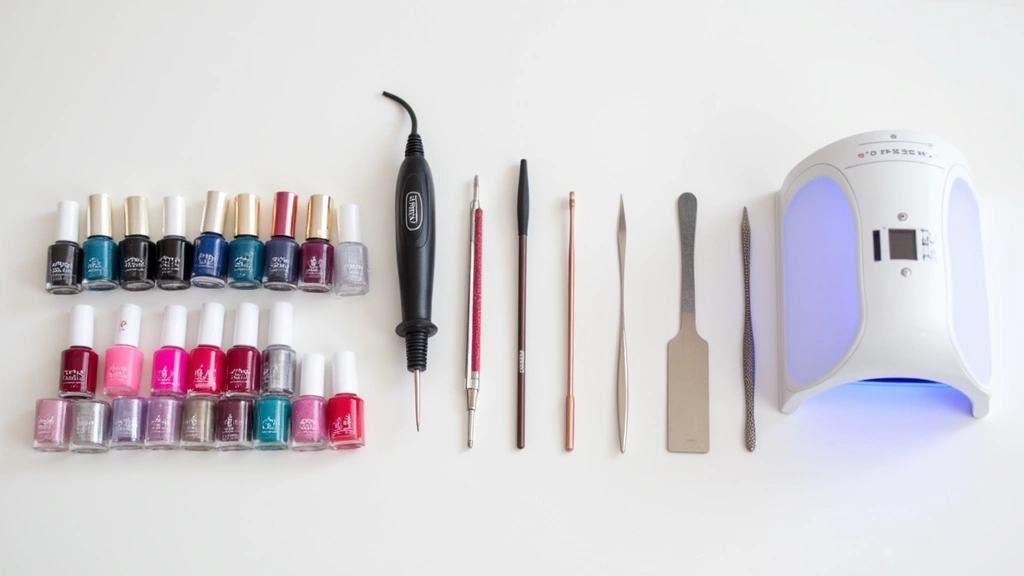
A comprehensive beginner nail tech kit should include several foundational elements that enable you to perform basic nail services with professional results. The core components include nail files, buffers, cuticle tools, nail clippers, and a reliable electric nail drill—often called a rotary tool or dental drill in the industry. Quality nail files are non-negotiable; professional-grade files have higher grit ratings and prevent peeling and splitting that amateur files cause.
Electric nail drills are perhaps the most expensive component but deliver exponential improvements over manual filing. These devices range from 20,000 to 35,000 RPM (rotations per minute), with higher speeds providing faster material removal and more precise control. Look for drills with variable speed settings, allowing you to adjust power based on whether you’re working with natural nails, acrylics, or gels. The CNET technology reviews often highlight professional-grade nail drills that maintain consistent performance over extended use.
Your kit should also include multiple drill bit types: carbide bits for removing acrylics and gels, diamond bits for shaping and smoothing, and ceramic bits for gentle work on natural nails. Beginners often underestimate the importance of having the right bit for each task—using the wrong bit wastes time and risks damaging client nails. Quality gel polishes, base coats, top coats, and a reliable UV or LED lamp are essential if you’re pursuing gel nail services. Our technology blog covers innovation in lighting technology that’s improving curing times and results.
Top-Rated Beginner Kits for 2025
The market offers several standout beginner nail tech kits that balance comprehensive tools with reasonable pricing. The Morovan Complete Nail Drill Kit consistently ranks as the best value option, featuring a 35,000 RPM drill with variable speed control, six interchangeable bits, a foot pedal, and a comprehensive tool set. Priced around $80-120, this kit provides professional-grade performance without breaking the bank. Users praise its reliability and quiet operation compared to cheaper alternatives that produce excessive vibration.
For those focusing exclusively on gel nails, the Modelones Gel Nail Kit with LED Lamp offers an integrated solution including a 48W LED lamp, six gel polish colors, top coat, base coat, and essential tools. The LED lamp cures polish in 30-60 seconds, dramatically faster than UV alternatives. At approximately $150-200, this kit appeals to beginners wanting immediate gratification and quick service times. The Verge’s technology analysis notes how LED technology has revolutionized the beauty tech space with faster, safer curing.
The Aochrie Professional Nail Kit represents the premium beginner option, featuring a 30,000 RPM drill with ceramic and diamond bits, an extensive color collection, and professional-grade gels. While priced higher at $200-300, this kit includes everything needed to start offering services immediately without additional purchases. The drill’s ergonomic design reduces hand fatigue during extended use—crucial for professionals working 6-8 hour days.
Choosing Between Electric and Manual Tools
While manual nail files and tools have their place, electric drills represent a quantum leap in efficiency and results quality. Manual filing takes 15-20 minutes per nail, while electric drills accomplish the same work in 3-5 minutes. This efficiency directly impacts your earning potential; professionals completing more services per day generate higher revenue. Electric drills also provide superior precision, essential when working with delicate natural nails or intricate designs.
However, electric drills require proper technique and practice to avoid over-filing and damaging nails. Beginners should start with lower speeds and gradually increase RPM as they develop muscle memory and control. The learning curve is real but manageable with dedicated practice. Similar to learning development skills, mastering electric tools requires consistent practice and proper instruction.
Manual tools remain valuable for specific tasks: cuticle pushers, nail clippers, and buffer blocks serve functions that electric tools can’t replicate. A complete beginner kit includes both electric and manual implements. The investment in quality manual tools—typically $30-50—prevents frustration when electric drills prove unnecessary for certain tasks.
Gel vs Acrylic Starter Kits
Beginners face a crucial decision: should they specialize in gel nails, acrylic nails, or both? Gel nails have dominated the market in recent years due to superior aesthetics, faster application, and easier removal. Gel starter kits include gel polishes, base coats, top coats, and UV/LED lamps—typically $150-300 for quality options. The learning curve is moderate; most technicians master basic gel application within 2-3 weeks of practice.
Acrylic nails remain lucrative despite gel’s popularity, offering faster application once you master the technique and lower material costs. Acrylic kits require acrylic powder, liquid monomer, dappen dishes, and brushes—costing $100-200 for quality supplies. The acrylic smell is stronger and requires excellent ventilation; many beginners struggle with this aspect. Acrylic also demands higher precision; mistakes are harder to correct than with gels.
Hybrid kits combining gel and acrylic capabilities offer maximum versatility, though they require larger initial investments ($300-500). These kits allow you to offer clients options and develop expertise in both services. As technology advances in the beauty industry, hybrid approaches provide flexibility similar to technology stacks in software development.
Most experts recommend starting with gel for beginners because the learning curve is gentler and the aesthetic results are immediately impressive. Success breeds confidence and motivation to continue developing skills. You can always add acrylic capabilities later as your expertise grows.
Budget Considerations and Value Comparison
Budget-conscious beginners should expect to invest $100-150 for a basic but functional kit that includes a drill, essential files and buffers, and basic tools. This entry-level investment provides everything needed to practice and determine if nail technology is genuinely interesting long-term. Many beginners waste money on expensive kits they abandon after discovering the work isn’t fulfilling.
Mid-range kits ($200-400) offer significantly better components, more complete supplies, and tools that grow with your skills. These kits typically include quality drills with variable speeds, professional-grade gels or acrylics, and comprehensive bit selections. Most professionals recommend this tier for serious beginners planning to offer services within 3-6 months.
Premium kits ($400+) include everything needed to operate a professional salon immediately, with high-end drills, extensive color collections, professional lamps, and backup supplies. These investments suit career-focused individuals or those already operating salons. Similar to how professional-grade technology tools cost more but deliver better long-term value, premium nail kits justify their cost through durability and performance.
Calculate the value equation: a $150 kit used to perform 30 gel manicures at $40 profit per service generates $1,200 in revenue within 2-3 months. Even accounting for supplies and time investment, the ROI is substantial. Don’t let budget constraints prevent you from purchasing quality tools—the difference between a $80 drill and a $200 drill directly impacts your earning potential.
Safety Equipment and Sanitation Supplies
Professional nail tech kits must include proper safety and sanitation equipment, often overlooked by beginners focused on visible tools. UV/LED lamps require protective glasses to prevent skin damage from repeated light exposure; quality protective eyewear costs $15-30. Dust masks with N95 ratings protect your respiratory system from acrylic particles and gel dust—essential for professionals working 40+ hours weekly in enclosed spaces.
Sanitation supplies separate professionals from amateurs. Proper sterilization requires autoclaves (pressure cookers that sterilize metal tools) or hospital-grade disinfectant solutions. Disposable files, buffers, and nail tips prevent cross-contamination between clients. Your kit should include at least 100 disposable files, multiple sets of sterilizable tools, and high-quality disinfectants. This sanitation infrastructure costs $100-200 but is non-negotiable for client health and legal compliance.
Hand hygiene products are equally important: quality hand sanitizers, nail brushes for scrubbing between clients, and moisturizing creams prevent dermatitis from constant water exposure. Professional nail techs spend significant time with their hands submerged in water and exposed to chemicals; proper care prevents painful skin conditions that could force you to stop working.
Building Your First Client Book
A complete beginner nail tech kit is useless without clients. Start by offering discounted services to friends, family, and community members to build experience and testimonials. Create a professional portfolio documenting your work with high-quality photos showing before-and-after results. Social media platforms like Instagram are essential for nail techs; showcase your designs and build a following that translates to client inquiries.
Consider offering introductory rates—perhaps 20-30% discounts for your first 50 clients—to accelerate the booking learning curve and gather reviews. Many successful nail techs offer these discounts strategically during slow business periods, ensuring consistent practice while building reputation. As your skills improve, gradually increase pricing to market rates.
Invest in a professional scheduling system (apps like Vagaro or Acuity Scheduling cost $20-50 monthly) to manage appointments, payments, and client information. These systems reduce no-shows, improve client communication, and provide data tracking your business growth. Professional infrastructure separates hobbyists from serious entrepreneurs.
Location matters significantly for building clientele. Working from home is affordable but limits marketing reach; salon chair rental ($200-400 monthly) provides credibility and foot traffic. Some successful nail techs start mobile, traveling to clients’ homes with portable kits. This approach requires excellent transportation, liability insurance, and premium equipment that travels well.
FAQ
What’s the minimum investment needed for a beginner nail tech kit?
A functional beginner kit requires approximately $100-150, including a basic electric drill, essential files and buffers, and fundamental tools. However, quality components justifying higher investment deliver significantly better results and longevity. Most professionals recommend $200-300 for a kit providing professional-grade performance without excessive expense.
How long does it take to master nail technology basics?
Basic gel nail application typically requires 2-4 weeks of dedicated daily practice (20-30 hours total). Acrylic nails have a steeper learning curve, often requiring 4-8 weeks. Advanced techniques like 3D nail art and intricate designs require months of continued practice. Like cloud technology implementation, mastery depends on consistent practice and continuous learning.
Is a nail tech license required to work professionally?
Licensing requirements vary by location. Most U.S. states require 200-400 hours of professional training and passage of a state exam. Some states recognize apprenticeships as alternatives to formal cosmetology school. Check your local regulations before investing in equipment; licensing costs typically range $500-2,000 including training and exam fees.
What’s the difference between UV and LED lamps?
LED lamps cure gel polish in 30-60 seconds, while UV lamps require 2-3 minutes. LED technology is more expensive ($100-200 vs $50-100 for UV) but uses less energy and poses fewer skin damage risks. LED has become the industry standard, with most professionals preferring faster curing times and better safety profiles.
Can I start a nail tech business from home?
Yes, home-based nail salons are legal in most locations, though regulations vary. You’ll need proper ventilation (exhaust fans venting outside), liability insurance, and compliance with local health codes. Starting from home reduces overhead significantly but may limit clientele compared to salon locations. Many successful techs begin home-based and relocate to salons as their client base grows.
What supplies need regular replacement?
Consumable supplies requiring regular replacement include gel polishes (every 6-12 months depending on usage), disposable files and buffers (continuously), base and top coats (every 3-6 months), and nail tips (ongoing). Budget 15-20% of your service revenue for supplies. Durable equipment like drills and lamps last 3-5 years with proper maintenance.
Should beginners purchase complete kits or assemble custom setups?
Complete beginner kits offer convenience and value, ensuring all components work together harmoniously. However, experienced beginners often assemble custom setups purchasing individual tools matching their specific preferences. Most professionals recommend starting with complete kits, then customizing as you develop preferences and identify weaknesses in your original setup.


