Tech Center Bell: Revolutionizing Office Spaces in Denver’s Tech Hub
The Bell Denver Tech Center has emerged as a transformative force in reimagining how modern workplaces function and evolve. Located in the heart of Denver’s bustling tech corridor, this innovative facility represents the convergence of cutting-edge technology, ergonomic design, and collaborative workspace solutions. As organizations increasingly recognize the importance of technological integration in office environments, the Tech Center Bell stands as a beacon of what’s possible when smart infrastructure meets thoughtful workplace design.
Denver’s tech ecosystem has experienced explosive growth over the past decade, attracting thousands of tech professionals and companies seeking to establish their headquarters in this vibrant mountain community. The Tech Center Bell initiative directly addresses the evolving needs of this expanding workforce, offering comprehensive solutions that enhance productivity, employee wellbeing, and operational efficiency. Whether you’re exploring behavioral tech jobs in Denver or considering a relocation to the area, understanding the infrastructure and workplace innovations available is essential for making informed career decisions.
What is Tech Center Bell?
Tech Center Bell represents a comprehensive ecosystem designed to support the operational and collaborative needs of modern technology companies. Unlike traditional office buildings, this facility integrates advanced automation systems, high-speed connectivity infrastructure, and intelligent building management technologies throughout its structure. The facility serves as both a physical workspace and a technological platform, enabling organizations to leverage sophisticated tools for communication, project management, and resource optimization.
The development of Tech Center Bell reflects broader trends in workplace evolution. Companies are no longer satisfied with basic office space; they demand environments equipped with the latest technology infrastructure to support remote collaboration, rapid scaling, and data-driven decision-making. This facility addresses these requirements comprehensively, providing a turnkey solution for organizations of all sizes, from ambitious startups to established enterprises seeking to expand their Denver presence.
Key Features and Technology Integration
The technological sophistication embedded within Tech Center Bell extends far beyond basic Wi-Fi and conference room AV systems. The facility features integrated IoT (Internet of Things) networks that monitor and optimize environmental conditions in real-time. Temperature control systems adjust automatically based on occupancy patterns and external weather conditions, reducing energy consumption while maintaining optimal comfort levels. Lighting systems utilize circadian rhythm technology, automatically adjusting color temperature and intensity throughout the day to support employee alertness and wellbeing.
Meeting rooms are equipped with state-of-the-art video conferencing technology that rivals professional broadcast studio capabilities. High-definition cameras, directional microphones, and AI-powered noise cancellation ensure that remote participants feel fully integrated into conversations. These systems support seamless hybrid work arrangements, allowing distributed teams to collaborate as effectively as if they were occupying the same physical space.
Building automation systems provide unprecedented control over facility operations. Security access is managed through biometric systems and mobile credentials, eliminating the need for physical key cards. Parking facilities feature automated guidance systems that direct drivers to available spaces, reducing time spent searching and associated emissions. Elevator systems utilize predictive algorithms to optimize routing and wait times based on real-time demand patterns.
Smart Office Infrastructure
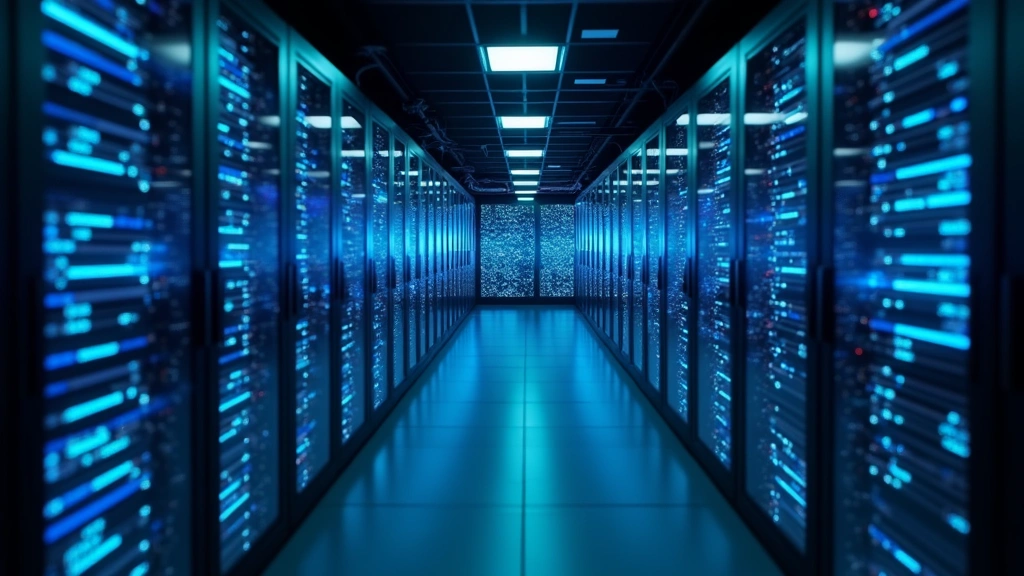
The backbone of Tech Center Bell’s functionality lies in its sophisticated network infrastructure. The facility features redundant fiber optic connections with gigabit-per-second throughput capabilities, ensuring that bandwidth limitations never constrain organizational operations. This is particularly critical for companies involved in data-intensive work such as machine learning, video production, or financial modeling, where large file transfers and real-time data processing are routine operational requirements.
Network segmentation and security protocols exceed standard enterprise requirements. The facility provides isolated network segments for different tenant organizations, preventing cross-contamination of data and ensuring compliance with industry-specific regulatory requirements. For organizations in sensitive sectors, this architectural approach simplifies HIPAA, PCI-DSS, and SOC 2 compliance efforts.
Cloud integration is seamlessly facilitated through partnerships with major cloud providers. Organizations can establish hybrid cloud architectures that leverage both on-premise infrastructure and cloud services, optimizing cost and performance. This flexibility is particularly valuable for companies exploring how to become a software developer or expanding their engineering teams, as robust infrastructure directly impacts developer productivity and retention.
The facility includes dedicated server rooms with environmental controls, power redundancy, and physical security measures that exceed standard commercial data center specifications. Organizations can host critical infrastructure on-premise while maintaining the flexibility to scale cloud resources as needed.
Workspace Design and Ergonomics
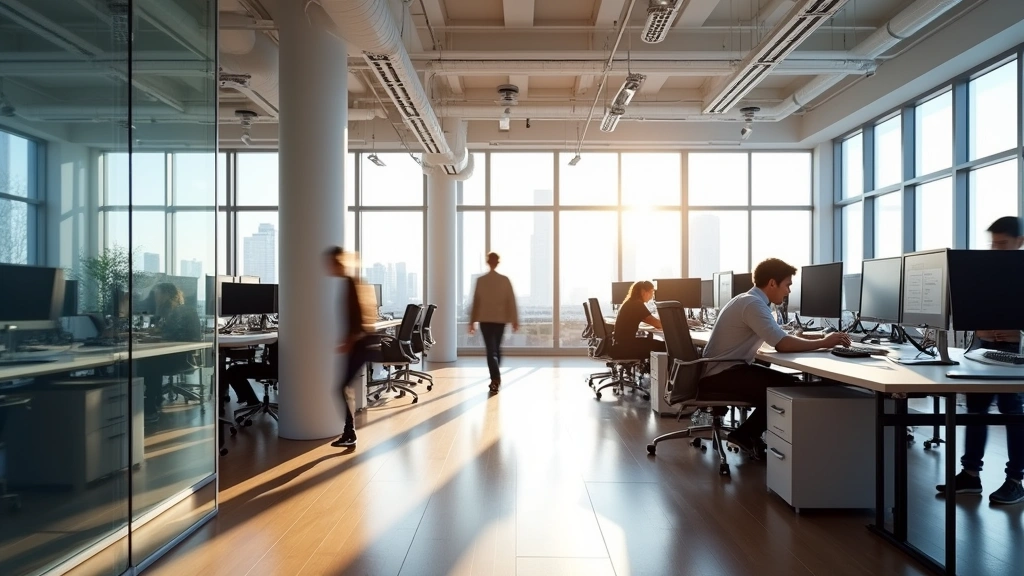
Beyond technology, Tech Center Bell excels in ergonomic workspace design. Studies consistently demonstrate that physical environment quality directly impacts employee productivity, health outcomes, and retention rates. The facility incorporates evidence-based design principles developed through extensive research into optimal working conditions.
Individual workstations feature adjustable-height desks that support both sitting and standing work, reducing musculoskeletal strain associated with prolonged sedentary positions. Monitors are positioned at optimal viewing angles, and ergonomic chairs provide lumbar support and encourage proper posture. The facility provides ergonomic assessments to ensure each employee’s workspace is configured correctly for their specific anthropometric characteristics.
Collaborative spaces are distributed throughout the facility, supporting spontaneous interactions and structured team meetings. Quiet focus areas accommodate deep work requiring concentration, while open collaboration zones facilitate brainstorming and informal knowledge sharing. The spatial arrangement encourages movement throughout the day, promoting physical activity and reducing the health risks associated with sedentary work.
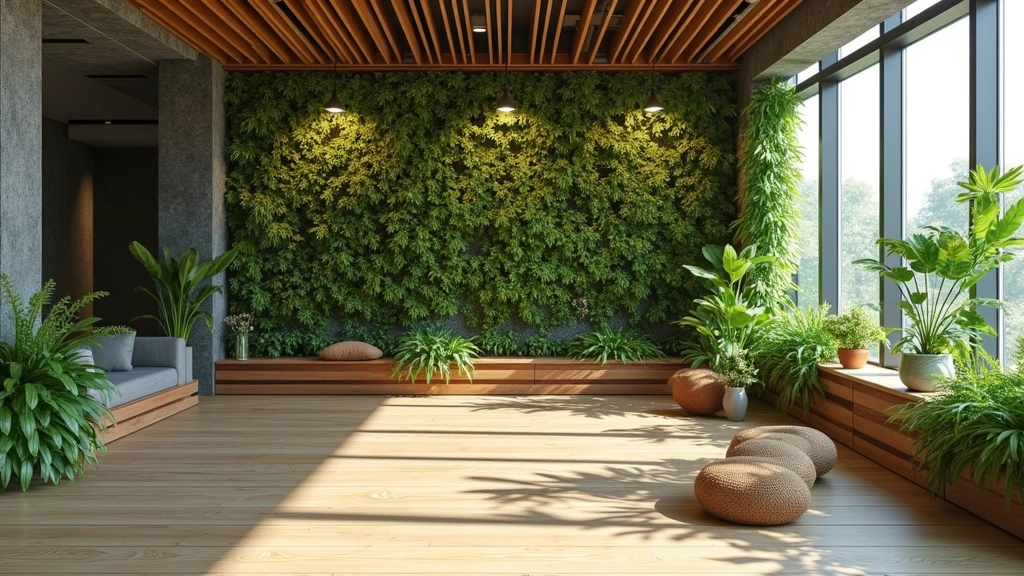
Biophilic design elements are integrated throughout the facility, incorporating natural materials, living plant systems, and views of natural landscapes. Research indicates that exposure to natural elements reduces stress, improves cognitive function, and enhances creative problem-solving—all critical capabilities for technology professionals.
Connectivity and Network Solutions
Connectivity extends beyond traditional network infrastructure to encompass comprehensive communication platforms. The facility provides integrated voice, video, and messaging systems that support both internal communication and external client interactions. These unified communication platforms eliminate the need for multiple disparate tools, reducing complexity and improving user adoption.
Mobile device management systems ensure that employees can securely access organizational resources from personal devices while maintaining data security and regulatory compliance. This flexibility is essential for modern knowledge workers who expect seamless access to information and collaboration tools regardless of physical location.
For organizations focused on cybersecurity and network security, the facility’s infrastructure provides a secure foundation for protecting sensitive data and maintaining organizational resilience against evolving threats.
API-based integrations allow organizations to connect Tech Center Bell’s infrastructure systems with their own business applications, enabling data-driven optimization of facility operations. Real-time visibility into space utilization, occupancy patterns, and resource consumption enables continuous improvement and cost optimization.
Employee Experience and Wellbeing
The facility recognizes that employee experience extends beyond work tasks to encompass overall wellbeing and job satisfaction. Wellness amenities include a full-service fitness center with cardio equipment, strength training capabilities, and dedicated spaces for yoga and stretching. On-site nutrition services provide healthy meal options, reducing time spent on food preparation and supporting optimal dietary choices.
Mental health support is prioritized through dedicated quiet meditation spaces, counseling services, and stress-reduction programs. The facility recognizes that technology work can be demanding and cognitively intensive, requiring intentional support for psychological wellbeing alongside physical health initiatives.
Childcare services and family-friendly amenities support work-life integration for employees with caregiving responsibilities. This comprehensive approach to employee wellbeing directly contributes to retention, particularly in competitive markets where technology talent commands premium compensation and has multiple employment opportunities.
Social spaces encourage community building and informal knowledge sharing. Cafeteria areas, rooftop lounges, and recreational facilities provide opportunities for employees to connect across organizational boundaries, fostering a sense of community within the larger facility ecosystem.
Sustainability and Green Technology
Tech Center Bell demonstrates commitment to environmental sustainability through comprehensive green building practices. The facility achieved LEED Platinum certification, recognizing excellence across energy efficiency, water conservation, indoor air quality, and sustainable material sourcing. Solar panels on the roof generate renewable energy, reducing grid dependence and supporting organizational sustainability goals.
Water conservation systems include low-flow fixtures, rainwater harvesting for landscape irrigation, and wastewater recycling. These systems reduce environmental impact while lowering operational costs. For organizations committed to sustainability, occupying a green-certified facility aligns operations with environmental values and supports corporate social responsibility objectives.
Building materials were selected to minimize environmental impact throughout their lifecycle. Recycled content, locally sourced materials, and sustainably harvested wood reduce embodied carbon and support responsible supply chains. Indoor air quality is maintained through advanced filtration systems and the elimination of volatile organic compounds, creating a healthy environment for occupants.
Waste management systems emphasize reduction, reuse, and recycling. Composting programs divert organic waste from landfills, while comprehensive recycling infrastructure supports material recovery. Organizations occupying the facility can achieve ambitious sustainability targets through operational practices aligned with facility capabilities.
Impact on Tech Industry Growth
Tech Center Bell has catalyzed accelerated growth within Denver’s technology sector. The facility attracts companies that might otherwise locate in more established tech hubs like Silicon Valley or Austin. By providing world-class infrastructure and amenities comparable to premier facilities anywhere in the nation, Denver becomes a viable option for ambitious technology companies and talented professionals.
The facility supports ecosystem development through collaborative spaces that facilitate networking and partnership formation. Companies housed within Tech Center Bell interact with peer organizations, creating opportunities for talent mobility, strategic partnerships, and knowledge sharing. This ecosystem approach accelerates innovation and business growth beyond what isolated companies could achieve independently.
The facility’s success has influenced broader development patterns throughout Denver, inspiring additional investments in technology-focused workspace and supporting infrastructure. This virtuous cycle of investment attracts additional companies, talent, and supporting services, strengthening Denver’s position as a competitive technology hub.
Frequently Asked Questions
What companies currently operate from Tech Center Bell?
Tech Center Bell hosts a diverse portfolio of technology companies ranging from early-stage startups to established enterprises. Tenants include software development firms, data analytics companies, financial technology organizations, and professional services firms. The facility’s flexible lease terms and scalable infrastructure accommodate companies at various stages of growth.
What is the cost of occupying space at Tech Center Bell?
Lease pricing reflects premium facility amenities and infrastructure capabilities. Costs vary based on space size, lease duration, and specific service requirements. Organizations should contact facility management for current pricing and available lease terms, as rates fluctuate based on market conditions and occupancy levels.
Can organizations customize their workspace configuration?
Yes, Tech Center Bell offers significant customization options. Organizations can configure workspaces to reflect their specific operational requirements, brand identity, and cultural preferences. Facility management works collaboratively with tenants to design spaces that optimize productivity and employee experience.
What security measures protect tenant data and physical assets?
The facility implements multi-layered security including biometric access controls, 24/7 security personnel, video surveillance, and advanced cybersecurity infrastructure. Network segmentation ensures data isolation between organizations, and compliance frameworks address industry-specific regulatory requirements.
How does Tech Center Bell support remote and hybrid work arrangements?
Advanced video conferencing technology, unified communication platforms, and flexible workspace configurations enable seamless hybrid work. Organizations can maintain productivity whether employees work on-site, remotely, or in hybrid arrangements combining both modalities.
What professional development resources are available to employees?
The facility provides access to training programs, professional development courses, and networking opportunities. Organizations can leverage ecosystem partnerships to offer employees expanded learning and career development resources.
How environmentally sustainable is Tech Center Bell’s operation?
The facility achieved LEED Platinum certification and maintains rigorous sustainability standards. Renewable energy generation, water conservation systems, waste reduction programs, and sustainable materials sourcing minimize environmental impact while supporting organizational sustainability objectives.
Tech Center Bell represents the future of workplace design and infrastructure. By integrating advanced technology, thoughtful ergonomic design, and comprehensive employee support, the facility enables organizations to attract talent, enhance productivity, and achieve ambitious business objectives. As Denver’s technology sector continues to flourish, Tech Center Bell will remain a cornerstone of the region’s competitive advantage and a model for workplace innovation.