Best Buy Tech Recycling: Worth It? Expert Insights on E-Waste Solutions
Best Buy’s tech recycling program has become one of America’s most accessible e-waste disposal options, but is it actually worth your time? With millions of gadgets reaching end-of-life annually, understanding where your old electronics go matters more than ever. This comprehensive review examines Best Buy’s recycling initiative, comparing costs, environmental impact, and practical alternatives to help you make an informed decision about responsibly disposing of your tech.
The electronics recycling landscape has shifted dramatically over the past five years. Best Buy now accepts everything from smartphones to servers, positioning itself as a convenient hub for tech disposal. However, convenience doesn’t always mean value. We’ve analyzed their program against competing services, environmental certifications, and actual recycling outcomes to determine whether Best Buy deserves your business.
How Best Buy’s Tech Recycling Works
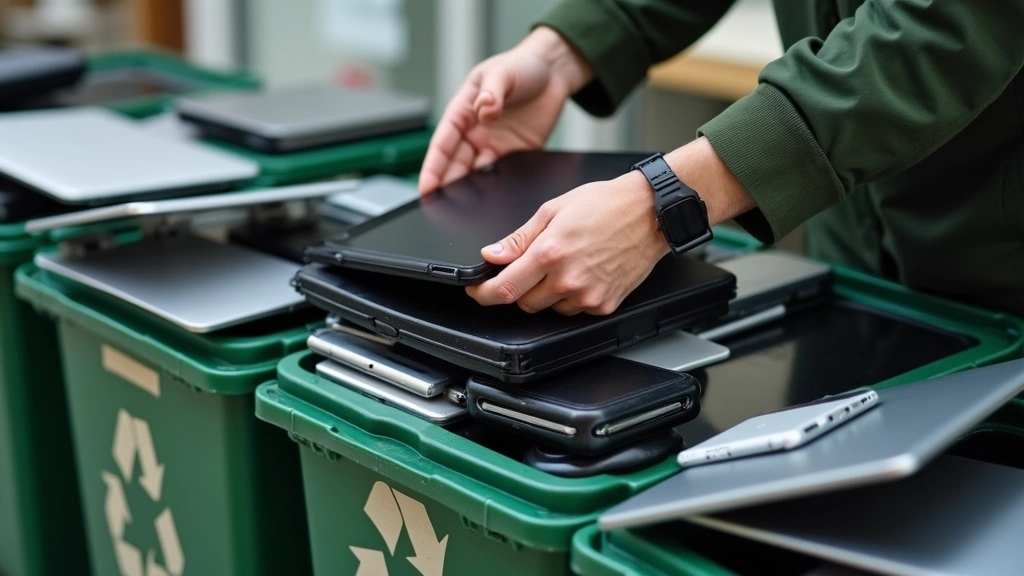
Best Buy’s Recycling Program accepts over 600 types of electronics, from ancient CRT monitors to the latest laptops and mobile devices. The process is straightforward: bring your items to any Best Buy location, drop them at the customer service desk, and they handle the rest. No appointments necessary, no shipping fees for most items.
The program covers computers, tablets, smartphones, gaming consoles, printers, televisions, audio equipment, and networking devices. Best Buy claims to refurbish or responsibly recycle these items, though their transparency regarding actual recycling destinations varies. For items with resale value, Best Buy may refurbish and sell them through their Used & Refurbished section, extending product lifecycles and reducing raw material extraction demands.
What makes Best Buy’s approach appealing is the omnichannel convenience. You can drop off items during regular shopping trips, and they accept both small accessories and large appliances. Some locations even offer mail-in options for smaller electronics, though this service has specific limitations and may involve fees.
Cost Breakdown and Fees
Here’s where Best Buy’s program gets complicated. While dropping off most electronics is completely free, they charge $25-$45 for large appliances like televisions, refrigerators, and air conditioning units. These fees ostensibly cover proper handling of hazardous materials like mercury and refrigerants.
Free Recycling Items:
- Computers and laptops
- Tablets and e-readers
- Smartphones
- Gaming consoles
- Printers and scanners
- Keyboards and mice
- Headphones and speakers
- Digital cameras
- Small networking equipment
Paid Recycling Items:
- Televisions ($25-$45)
- Monitors larger than 20 inches ($25)
- Large appliances ($45)
- Furniture containing electronics
The fee structure is transparent, posted online and in-store. Compared to dedicated e-waste recyclers charging $50-$100+ for TV recycling, Best Buy’s fees are competitive. However, you should weigh these costs against free alternatives like manufacturer take-back programs, which we’ll explore later.
Best Buy also accepts items purchased elsewhere, though they reserve the right to refuse severely damaged equipment. There’s no requirement to buy anything in-store, making it accessible even for non-customers.
Environmental Impact Assessment
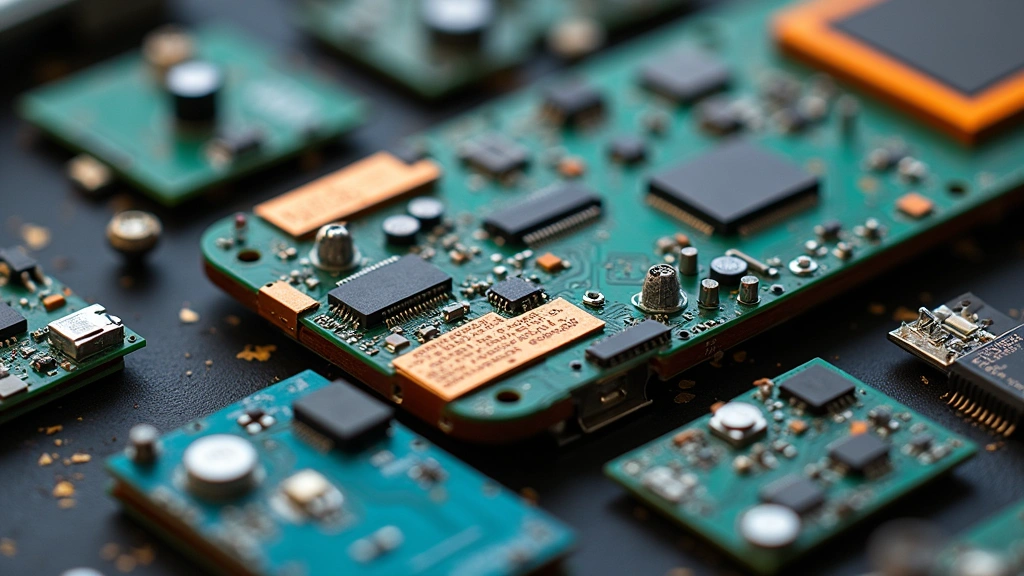
The environmental argument for recycling electronics is compelling. A single smartphone contains approximately 62 different elements, including rare earth minerals, gold, and copper. Mining these materials damages ecosystems and requires enormous water and energy inputs. Recycling one million laptops conserves energy equivalent to powering 3,500 American homes annually.
However, Best Buy’s actual environmental impact depends on where items ultimately go. The company partners with third-party recyclers but doesn’t publicly disclose specific partners or recycling rates by material type. This opacity is problematic for environmentally conscious consumers.
What We Know:
Best Buy claims to follow R2 (Responsible Recycling) and e-Stewards certification standards, which require responsible handling of hazardous materials and prohibition of exporting e-waste to developing nations. These certifications matter significantly—unethical recyclers often ship broken electronics to countries with lax environmental regulations, creating toxic conditions for workers and communities.
Third-party audits suggest Best Buy meets these standards, but independent verification is limited. The company recovered approximately 2 billion pounds of electronics and appliances since 2006, though this doesn’t indicate what percentage was actually recycled versus refurbished or landfilled.
For comparison, EPA-certified programs demonstrate significantly higher recycling rates and material recovery transparency. Some manufacturers achieve 90%+ material recovery, while Best Buy’s public reporting suggests lower rates.
Comparing Alternatives
Best Buy isn’t your only option, and understanding alternatives helps determine true value. Several competitors and specialized services offer different advantages:
Manufacturer Take-Back Programs
Apple, Dell, HP, and Lenovo offer free mail-in recycling for their products. Apple’s program is particularly robust—they’ll even credit your account for trade-in value if devices are functional. These programs guarantee certified recycling and often achieve higher material recovery rates than third-party services. If your old device is from a major manufacturer, this route typically beats Best Buy.
Specialized E-Waste Recyclers
Companies like GreenCitizen and ERI offer certified e-waste recycling with detailed reporting. They often provide higher material recovery rates and transparency regarding recycling processes. Costs typically range from $0-$50 depending on item type and your location.
Donation Options
If devices still function, organizations like Goodwill, Salvation Army, and nonprofit tech charities accept electronics donations. This extends product lifecycles, provides affordable tech access to underserved communities, and offers tax deductions. From an environmental standpoint, donation is superior to recycling since it avoids the energy required for material recovery.
Local E-Waste Events
Many municipalities host free e-waste collection days. These programs often provide better environmental outcomes than retail recyclers because they’re specifically designed for maximum material recovery. Check your local government website for upcoming events.
Data Security Considerations
Before recycling any device, data security is paramount. Best Buy acknowledges this but doesn’t guarantee data destruction on your device—they rely on you to handle it beforehand.
Best Practices:
- Factory Reset: Use your device’s built-in reset function. For smartphones, this is Settings > General > Reset. For computers, use Settings > System > Recovery on Windows or Erase All Content and Settings on Mac.
- Physical Destruction: For maximum security, physically destroy hard drives before recycling. Remove the drive from your laptop and destroy it with a drill or hammer.
- Professional Wiping: Services like manufacturer disk wiping tools securely erase drives while preserving hardware for recycling.
- Documentation: Request a receipt showing device serial numbers and recycling confirmation.
Best Buy doesn’t provide detailed data destruction certificates, which is a weakness compared to enterprise-focused recyclers. If you’re recycling multiple devices or business equipment, specialized recyclers offering certified data destruction may be worth the extra cost.
This is particularly important if you’re disposing of devices containing sensitive information. Even factory resets can sometimes be recovered with forensic tools, so physical destruction or professional wiping is recommended for truly sensitive data.

Expert Verdict and Recommendations
After analyzing Best Buy’s recycling program against alternatives, here’s our expert assessment:
Best Buy is Worth It If:
- You have multiple items to recycle and want one-stop convenience
- You prefer avoiding mail-in shipping for environmental reasons
- You need to recycle items immediately without waiting for manufacturer programs
- You want transparent, upfront pricing on large appliances
- You value the ability to recycle non-brand-specific electronics
- You’re interested in refurbished products and want to support that ecosystem
Better Alternatives If:
- You’re recycling brand-name devices—use manufacturer programs for higher material recovery
- You want maximum environmental impact—donate functional devices to nonprofits
- You need certified data destruction—use specialized e-waste recyclers
- You want detailed recycling transparency—check CNET’s detailed recycling guide for certified options
- You’re on a budget—attend municipal e-waste collection events
The reality is that Best Buy excels at convenience but falls short on transparency and environmental optimization. For casual consumers with mixed electronics, Best Buy is a solid choice. For environmentally serious recyclers or those with valuable devices, specialized alternatives typically deliver better outcomes.
Consider Best Buy your baseline option. If you’re willing to invest slightly more time, manufacturer programs and certified e-waste recyclers consistently outperform on environmental metrics. The difference might seem minor per device, but aggregated across millions of annual recycling events, it’s substantial.
Learn more about extending device lifecycles through upgrades before recycling, which is ultimately the most environmentally responsible approach.
FAQ
Does Best Buy pay for recycling electronics?
Best Buy doesn’t pay for most recycled electronics, but they do offer trade-in credit for devices in good working condition. If your device has resale value, you might receive store credit instead of just disposal. Check their online trade-in tool for specific valuations.
What happens to electronics recycled at Best Buy?
Best Buy partners with certified recyclers to process electronics. Functional items are refurbished and resold. Other items are dismantled for material recovery or disposed of responsibly. However, Best Buy doesn’t provide detailed public reporting on specific destinations or recovery rates.
Is Best Buy e-waste recycling free?
Most electronics recycling at Best Buy is free, including computers, smartphones, and tablets. Large appliances like televisions and refrigerators incur $25-$45 fees. These fees cover proper handling of hazardous materials.
Can I recycle items I didn’t buy at Best Buy?
Yes, Best Buy accepts electronics from any manufacturer or retailer. You don’t need to be a customer or provide proof of purchase. This makes it accessible for disposing of older devices from various sources.
How do I ensure my data is deleted before recycling?
Factory reset your device using built-in system tools before dropping it off. For maximum security, physically remove and destroy hard drives or use professional disk wiping services. Best Buy doesn’t guarantee data destruction, so this responsibility falls on you.
Are there better alternatives to Best Buy recycling?
For brand-name devices, manufacturer take-back programs often provide better environmental outcomes. For functional devices, donation to nonprofits extends lifecycles. For maximum transparency, certified e-waste recyclers like ERI provide detailed reporting. The best choice depends on your priorities regarding convenience, environmental impact, and data security.
Does Best Buy’s recycling program support sustainable technology practices?
Best Buy’s program contributes to circular economy principles by refurbishing devices and recovering materials. However, it’s one part of broader sustainable technology initiatives. Extending device lifecycles through repair and upgrades remains more environmentally impactful than recycling.
What certifications does Best Buy’s recycling meet?
Best Buy claims compliance with R2 (Responsible Recycling) and e-Stewards standards, which ensure responsible material handling and prohibition of exporting hazardous e-waste. These certifications provide reasonable assurance of ethical practices, though independent verification is limited.
Can I recycle batteries at Best Buy?
Best Buy accepts rechargeable batteries for recycling, but policies vary by location for single-use batteries. Call your local store to confirm battery recycling availability. Never throw batteries in regular trash—they pose fire and environmental hazards in landfills.


