
Teen Tech Centers: A Game Changer? Expert Insights on Best Buy’s Youth Innovation Hub
Best Buy’s Teen Tech Centers have emerged as a transformative initiative, bridging the gap between adolescent curiosity and hands-on technological expertise. These dedicated spaces represent a significant shift in how major retailers approach youth engagement, offering structured learning environments where teenagers can explore coding, robotics, artificial intelligence, and digital creativity. As the tech industry increasingly demands skilled professionals, these centers position themselves as incubators for future innovators and problem-solvers.
The initiative addresses a critical need in tech education accessibility. While many schools struggle with outdated curricula and limited resources, Best Buy’s Teen Tech Centers provide cutting-edge equipment, expert mentorship, and real-world project opportunities. Industry experts and educators have begun scrutinizing these centers to understand their true impact on student outcomes, career readiness, and the broader tech talent pipeline. This comprehensive review examines whether these centers truly represent a game-changing opportunity or simply another marketing initiative.
What Are Best Buy Teen Tech Centers?
Best Buy Teen Tech Centers represent a strategic initiative by the electronics retailer to cultivate the next generation of technology enthusiasts and professionals. These dedicated spaces, located within select Best Buy stores across North America, function as innovation hubs where teenagers aged 13-18 can engage with emerging technologies in supervised, educational settings. The program emerged from Best Buy’s recognition that traditional retail environments could serve dual purposes: selling technology while simultaneously educating young consumers about its capabilities and applications.
The centers operate under a structured framework combining free access to equipment, mentorship from trained facilitators, and curated project-based learning. Unlike typical retail spaces, Teen Tech Centers maintain separate areas with specialized workstations, collaborative zones, and demonstration areas. This physical separation creates an educational atmosphere distinct from the commercial retail floor, signaling to participants that they’re entering a learning environment rather than a shopping destination.
Best Buy positions these centers as responses to the growing STEM education gap in American schools. With many school districts facing budget constraints and teacher shortages in technical subjects, the company provides complementary resources. The initiative aligns with broader corporate social responsibility trends, where major technology retailers invest in community education as part of their brand identity and long-term talent development strategies.
Core Features and Learning Programs
The Teen Tech Centers offer a diverse curriculum spanning multiple technological domains. Programs typically include coding bootcamps covering Python, JavaScript, and web development; robotics clubs utilizing platforms like LEGO Mindstorms and VEX Robotics; digital media production focusing on video editing, animation, and graphic design; and artificial intelligence applications introducing machine learning concepts to younger audiences.
Coding and Software Development: The programming curriculum emphasizes practical application over theoretical memorization. Participants work on real projects—creating mobile apps, building websites, or developing games—rather than completing disconnected exercises. This project-based approach has been validated by educational research as significantly more effective for retention and motivation among teenage learners. Facilitators guide students through the entire development lifecycle, from ideation and design through testing and deployment.
Robotics and Hardware Integration: Robotics programs teach mechanical engineering, electrical systems, and programming through competition-oriented projects. Teams participate in challenges requiring them to design, build, and program robots to accomplish specific tasks. This hands-on approach develops spatial reasoning, systems thinking, and collaborative problem-solving skills essential for engineering careers.
Digital Creativity Workshops: Media production programs address the creative side of technology, attracting participants who might not identify as “STEM kids.” Students learn video production, audio engineering, graphic design, and animation—skills with direct career applications in entertainment, marketing, and technology industries.
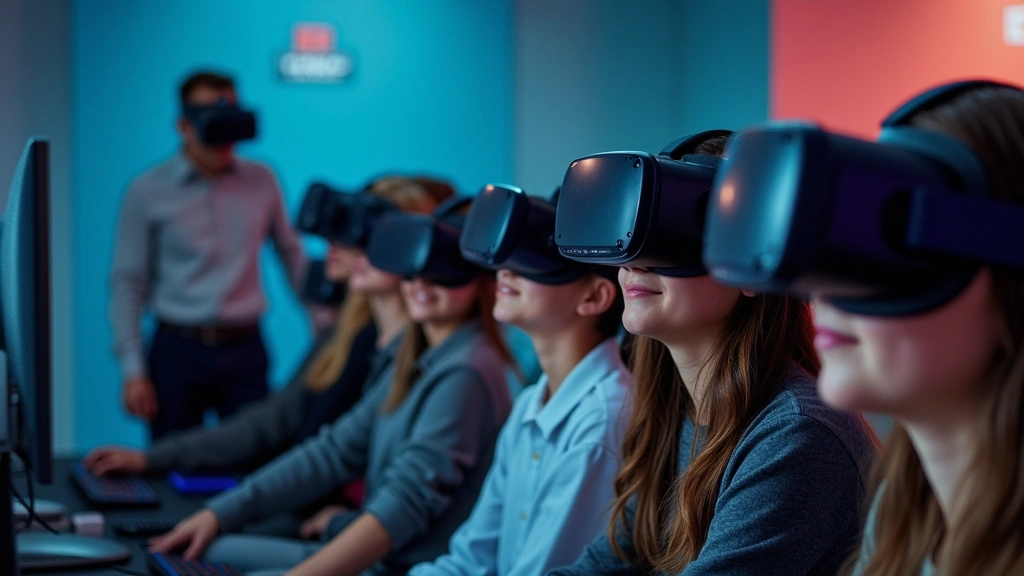
Emerging Technology Exploration: Centers expose participants to cutting-edge technologies including virtual reality, augmented reality, 3D printing, and cloud computing solutions. This exposure provides context for understanding technological trajectories and career opportunities in innovation sectors.
Mentorship represents a cornerstone feature. Trained facilitators—often young tech professionals, engineering students, or career-changers—provide one-on-one guidance, group instruction, and project oversight. This human element distinguishes Teen Tech Centers from online learning platforms, offering accountability, personalized feedback, and relationship-building that significantly impacts engagement and outcomes.
Expert Assessment of Educational Value
Educational technology researchers have examined Teen Tech Centers through rigorous frameworks. CNET’s technology education coverage highlights that these centers effectively address several critical gaps in traditional education. The centers provide equitable access to expensive equipment—3D printers, robotics kits, professional software—that individual schools cannot afford. A single VEX Robotics competition kit costs $3,000-5,000; Teen Tech Centers amortize these costs across hundreds of participants.
The pedagogical approach emphasizes active learning and immediate feedback loops. Rather than passively absorbing information, participants engage in “learning by doing,” which neuroscience research confirms produces stronger neural pathways and longer-term retention. Expert instructors can immediately identify misconceptions and adjust instruction, whereas traditional classroom teachers managing 30+ students often cannot provide comparable individualized feedback.
Dr. Linda Darling-Hammond, education policy researcher, emphasizes that high-quality mentorship relationships—characteristic of Teen Tech Centers—correlate strongly with academic achievement and career persistence in STEM fields. The one-on-one and small-group instruction models employed by these centers align with evidence-based best practices often unattainable in standard school settings.
However, experts also identify limitations. Teen Tech Centers require geographic proximity—they only benefit teenagers living near participating Best Buy locations. Rural students, whose families may travel 50+ miles to the nearest Best Buy, face practical barriers to consistent participation. Additionally, the voluntary nature of participation creates self-selection bias; students already interested in technology participate, potentially limiting impact on students who need exposure most.
The Verge’s reporting on tech education initiatives suggests that sustainability questions remain unanswered. Corporate education programs can face funding volatility; if Best Buy experiences financial pressure, program quality or availability might suffer. Schools, despite budget constraints, represent more stable institutional commitments to student education.
Technology Infrastructure and Equipment
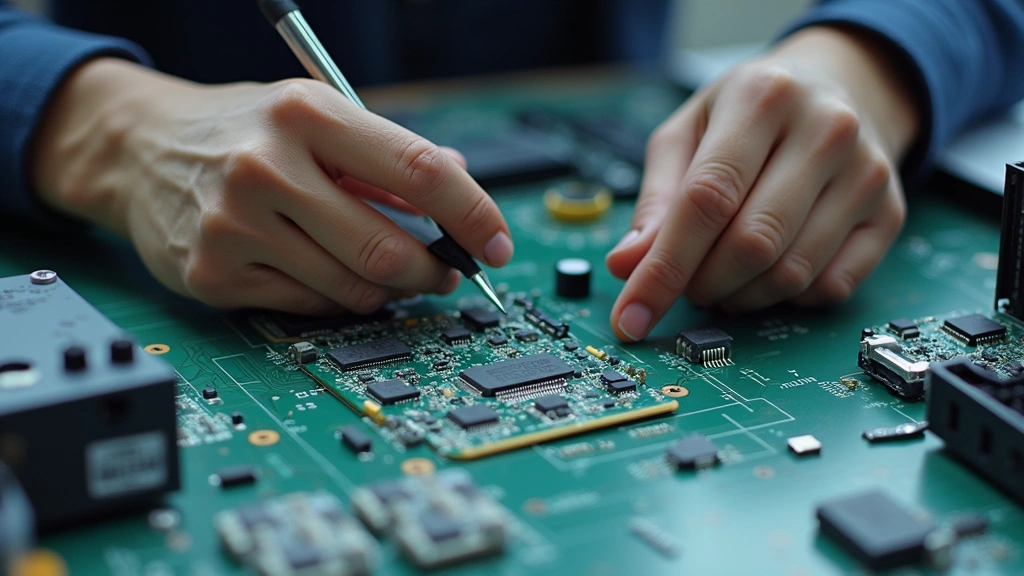
The physical infrastructure distinguishes Teen Tech Centers from typical retail environments. Centers typically feature dedicated workstations equipped with high-performance computers running professional-grade software. Rather than consumer-level laptops, centers provide machines capable of running demanding applications: 3D modeling software like Autodesk Fusion 360, video editing suites such as Adobe Creative Cloud, integrated development environments for coding, and simulation platforms for robotics.
Equipment specifications matter significantly for educational outcomes. A computer with insufficient RAM or processor power creates frustrating delays that disrupt learning flow and discourage continued engagement. Best Buy’s commitment to professional-grade specifications ensures that technical limitations don’t impede student progress or create negative associations with technology fields.
Specialized Hardware: Beyond computers, centers house expensive specialized equipment: 3D printers enabling design-to-physical-object workflows; robotics platforms including VEX Robotics, LEGO Mindstorms, and Arduino-based systems; virtual reality headsets providing immersive learning experiences; and professional audio/video equipment for media production. This equipment diversity exposes participants to the full spectrum of modern technical careers.
According to manufacturer specifications from Autodesk and other major software providers, the typical Teen Tech Center setup includes workstations exceeding $2,000 per unit in hardware and software licensing costs. Best Buy’s investment in these resources demonstrates serious commitment beyond superficial corporate responsibility gestures.
Connectivity and Infrastructure: Centers maintain robust networking infrastructure with high-speed internet connectivity essential for cloud-based collaboration, software downloads, and real-time coding environments. This connectivity infrastructure alone represents significant ongoing investment in maintenance and upgrades.
Accessibility and Inclusivity Factors
True game-changing educational initiatives must address equity concerns. Teen Tech Centers employ several strategies to promote inclusivity, though challenges remain. Programs are offered free or at minimal cost, eliminating financial barriers that exclude low-income teenagers from technology education. This stands in stark contrast to many private coding bootcamps or tech camps charging $500-2,000 for similar instruction.
Centers actively recruit participants from underrepresented groups in technology through school partnerships, community outreach, and targeted marketing. Programs specifically designed for girls in technology, minority students, and students from disadvantaged backgrounds acknowledge documented disparities in tech field representation. Research consistently shows that exposure to role models and mentors from similar backgrounds significantly increases persistence in STEM fields among underrepresented students.
However, accessibility limitations persist. Geographic constraints limit participation for students without reliable transportation. Scheduling—most programs operate after school or weekends—may conflict with work obligations for students supporting families or needing part-time employment. The voluntary nature of participation means students must possess initiative to seek out opportunities, potentially excluding students struggling with motivation or awareness.
Language accessibility represents another consideration. Centers in diverse communities must provide instruction and materials in multiple languages, a requirement not universally met. Additionally, students with disabilities require accommodations ranging from physical accessibility modifications to specialized instruction approaches—accommodations that require ongoing investment and expertise.
Best Buy’s commitment to tech accessibility through recycling programs suggests broader organizational commitment to equitable technology access, though Teen Tech Centers could benefit from similarly robust accessibility guarantees.
Real-World Impact and Success Stories
Measuring impact requires examining concrete outcomes: student achievement, college enrollment, career placement, and skill development. Best Buy publishes aggregate statistics claiming thousands of teen participants annually, with reported high satisfaction ratings and skill certifications. However, independent longitudinal studies tracking participants over years remain limited.
Documented success stories demonstrate meaningful impact for individual participants. Students have launched successful app development projects, won robotics competitions, secured tech internships, and pursued computer science degrees—outcomes directly attributable to Teen Tech Center exposure and mentorship. These narratives carry weight, though they represent self-selected success cases rather than representative samples.
The most compelling evidence emerges from participant testimonials describing transformative experiences. Teenagers who entered centers uncertain about technology careers discovered passion and capability through hands-on projects. Participants report increased confidence in technical abilities, broader awareness of career possibilities, and valuable professional relationships with mentors. These psychological and social outcomes—increased self-efficacy, expanded aspirations, professional networks—represent substantial benefits even absent immediate career placement.
School partnerships provide indirect impact measurement. Teachers report that students participating in Teen Tech Centers demonstrate increased engagement in school-based computer science courses, improved grades in STEM subjects, and greater willingness to pursue advanced technical coursework. This academic spillover effect suggests that Teen Tech Centers’ influence extends beyond their physical spaces into formal education.
Comparison with Alternative Programs
Understanding Teen Tech Centers’ relative value requires comparing them with alternative youth technology education pathways. Online coding platforms like Codecademy and freeCodeCamp offer flexible, self-paced learning at minimal cost, accessible globally. However, these platforms lack mentorship, community, and accountability structures that Teen Tech Centers provide. Many students struggle with self-directed online learning, particularly younger teenagers requiring structure and external motivation.
Traditional school computer science courses provide institutional credibility and transcript value, but often suffer from outdated curricula, under-resourced facilities, and teachers without current industry expertise. Teen Tech Centers complement school programs by providing contemporary equipment, industry-current instruction, and mentors with recent professional experience.
Private coding bootcamps and tech camps offer intensive, high-quality instruction but at costs ($500-5,000+) excluding many families. Teen Tech Centers democratize access to comparable quality instruction at zero cost, representing a significant equity advantage.
University outreach programs through computer science departments provide credibility and advanced opportunities but typically target high-achieving students already pursuing STEM. Teen Tech Centers cast wider nets, attracting diverse participants including those without prior tech interest.
Community colleges offer affordable education with institutional credentials but typically serve older students (18+) and may lack cutting-edge equipment. Teen Tech Centers specifically target younger teenagers, addressing a critical gap where most other programs provide minimal options.
The comparison reveals Teen Tech Centers’ distinctive value proposition: free access, professional-grade equipment, industry-experienced mentorship, project-based learning, and community integration. No single alternative program combines these elements as comprehensively.
Future Potential and Expansion Plans
Best Buy has publicly committed to expanding Teen Tech Centers, with goals to increase location count and program depth. Future potential depends on several factors: sustained corporate commitment despite market fluctuations, scalability of quality mentorship as programs expand, and strategic partnerships addressing geographic limitations.
Emerging opportunities include deeper integration with sustainable technology and renewable energy innovations, addressing career pathways in rapidly growing sectors. Partnerships with universities could create pathways from Teen Tech Centers to higher education, providing credentials and recognition. Integration with industry partners (tech companies, manufacturing firms, engineering consulting) could offer internships and mentorship from working professionals.
Virtual program expansion could address geographic limitations, offering online instruction complementing in-person centers. Hybrid models combining online flexibility with periodic in-person hands-on sessions might serve rural and underserved communities effectively.
The most ambitious future scenario involves Teen Tech Centers catalyzing systemic change in youth technology education. If successful models can be documented and replicated, other retailers might establish similar programs, creating widespread equitable access to quality tech education. This ecosystem transformation would represent genuine game-changing impact beyond Best Buy’s immediate reach.
Challenges to expansion include financial sustainability, quality consistency across growing numbers of locations, and talent acquisition for facilitator positions. Scaling mentorship quality proves particularly difficult; exceptional facilitators cannot be mass-produced, and recruiting sufficient numbers of skilled instructors as programs expand poses ongoing challenges.
FAQ
Are Best Buy Teen Tech Centers truly free to attend?
Yes, core programs are free. Some specialized workshops or competitions may involve nominal fees ($10-50) for materials or certification, but access to facilities and most instruction requires no payment. This free access represents a significant advantage compared to private programs.
What age range participates in Teen Tech Centers?
Programs typically serve teenagers aged 13-18, though some centers offer programs for younger pre-teens (10-12). Age-appropriate curriculum modifications ensure content matches cognitive development levels.
Do participants receive certificates or credentials?
Many programs offer completion certificates or industry-recognized certifications (coding bootcamp certificates, robotics competition participation records). While not equivalent to college degrees, these credentials demonstrate competency to employers and universities.
How many Teen Tech Centers currently exist?
Best Buy operates Teen Tech Centers in select locations, with expansion ongoing. Check Best Buy’s official website or contact local stores for current locations, as availability varies by region.
Can students participate in multiple programs simultaneously?
Most centers allow flexible participation across different programs, enabling students to explore multiple technology domains. Scheduling coordination ensures students can manage multiple interests without conflicts.
What happens after students complete Teen Tech Center programs?
Participants often continue independently, apply skills to personal projects, pursue advanced online courses, or seek internships. Some centers maintain alumni networks and advanced programs for experienced participants.
How do Teen Tech Centers compare to school computer science classes?
Teen Tech Centers provide more contemporary equipment, smaller student-to-instructor ratios, and industry-experienced mentors. School courses offer institutional credentials and integration with academic transcripts. Both provide complementary value.
Are there programs specifically for girls or underrepresented minorities?
Yes, many centers operate targeted programs addressing gender and racial disparities in technology fields. These affinity-based programs provide community, mentorship from similar-background role models, and targeted recruitment.


