Top Radiology Tech Programs: Expert Picks for 2025
Radiology technology has undergone a revolutionary transformation in recent years, with cutting-edge imaging systems and AI-powered diagnostic tools reshaping how medical professionals detect and treat diseases. For aspiring radiologic technologists, choosing the right educational program is crucial to launching a successful career in this high-demand field. The best radiology tech programs combine hands-on clinical experience, state-of-the-art equipment training, and comprehensive theoretical knowledge that prepares graduates for real-world challenges in modern healthcare settings.
This guide explores the top-rated radiology technology programs across the United States, examining accreditation standards, curriculum quality, clinical partnerships, and graduate outcomes. Whether you’re interested in general radiography, specialized imaging modalities, or advancing into management roles, understanding what distinguishes elite programs will help you make an informed decision about your educational future in this rapidly evolving medical technology field.
Accreditation Standards and Certification
The foundation of any quality radiology technology program rests on proper accreditation and alignment with industry standards. The Joint Review Committee on Education in Radiologic Technology (JRCERT) serves as the primary accrediting body for radiologic science programs in the United States. Programs accredited by JRCERT meet rigorous standards for faculty qualifications, curriculum content, clinical facilities, and student outcomes.
Graduates from JRCERT-accredited programs are eligible to sit for the American Registry of Radiologic Technologists (ARRT) certification exam, which is the gold standard credential in the field. This certification demonstrates that you’ve met comprehensive knowledge requirements in radiographic positioning, physics, radiation protection, and patient care. When evaluating best in tech educational resources, prioritize programs with active JRCERT accreditation status.
Beyond basic radiography certification, many advanced programs offer pathways to specialized credentials in computed tomography (CT), magnetic resonance imaging (MRI), nuclear medicine, and ultrasound. The artificial intelligence applications transforming healthcare have created new certification opportunities in AI-assisted diagnostics and image analysis, making it essential to choose programs that stay current with emerging technologies.
Top-Ranked Radiology Tech Programs
Mayo Clinic School of Health Sciences consistently ranks among the nation’s premier radiology technology programs, leveraging Mayo’s world-renowned medical reputation and access to cutting-edge imaging equipment. The program emphasizes evidence-based practice and clinical excellence, with students rotating through multiple specialized imaging departments including interventional radiology and advanced cardiovascular imaging.
University of California San Diego (UCSD) Radiology Program offers an exceptional two-year radiologic science degree with strong emphasis on both traditional and digital imaging technologies. The program benefits from UCSD’s research-intensive environment and partnerships with leading medical institutions throughout Southern California. Graduates report high ARRT exam pass rates and strong employment prospects in competitive healthcare markets.
Beaumont Hospital School of Radiologic Technology in Michigan operates one of the oldest and most respected radiologic technology programs in the country. With decades of experience training radiologic technologists, Beaumont combines comprehensive classroom instruction with extensive clinical practice across multiple hospital departments and imaging modalities.
Northwestern University Feinberg School of Medicine offers a rigorous bachelor’s degree program in radiologic sciences, attracting students seeking advanced education and research opportunities. The program integrates medical physics, radiation protection, and clinical practice with opportunities for undergraduate research projects that enhance critical thinking skills.
University of Vermont College of Medicine provides a smaller, more personalized learning environment while maintaining exceptional educational standards. The program’s location provides access to diverse patient populations and clinical scenarios, preparing graduates for varied career paths in urban, suburban, and rural healthcare settings.
For those interested in broader technology education contexts, exploring how to become a software developer can provide insights into structured technical education models that influence modern radiology tech curriculum design.
Curriculum and Specialization Options
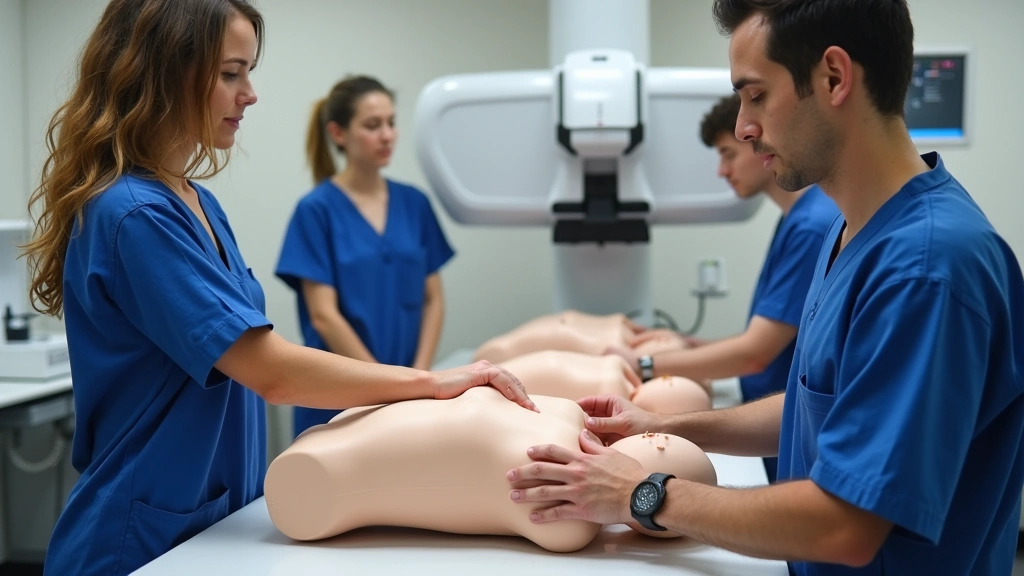
The curriculum structure varies significantly between associate degree, bachelor’s degree, and certificate programs in radiologic technology. Associate degree programs typically require two years of full-time study and provide comprehensive training in radiography fundamentals, positioning techniques, radiation physics, and patient care protocols. These programs balance classroom learning with 1,000+ hours of supervised clinical practice.
Bachelor’s degree programs extend over four years and incorporate advanced coursework in medical physics, research methodology, quality assurance, and management principles. These programs prepare graduates for leadership roles, specialized imaging roles, or advanced clinical positions. Many bachelor’s programs include electives in emerging technologies like cone-beam CT, advanced ultrasound applications, and digital image analysis.
Specialization pathways have become increasingly important as imaging technology diversifies. Top programs offer dedicated tracks or certificates in:
- Computed Tomography (CT): Advanced cross-sectional imaging with specialized protocols for trauma, cardiac, and oncology applications
- Magnetic Resonance Imaging (MRI): Non-radiation imaging requiring distinct technical knowledge and safety protocols
- Interventional Radiology: Real-time imaging guidance for minimally invasive procedures
- Mammography: Specialized breast imaging with emphasis on cancer detection
- Nuclear Medicine: Functional imaging using radiopharmaceuticals
- Ultrasound: Sonography applications across multiple organ systems
Progressive programs increasingly incorporate training in best new tech products and innovations like AI-powered image analysis, voice-activated systems, and advanced digital workflow integration that characterize modern radiology departments.
The curriculum should also emphasize soft skills including patient communication, infection control, emergency response, and professional ethics. Quality programs integrate these competencies throughout coursework rather than treating them as supplementary topics.
Clinical Partnerships and Equipment Access
One of the most significant differentiators between radiology tech programs is access to diverse clinical settings and state-of-the-art imaging equipment. The best programs maintain partnerships with major medical centers, specialty hospitals, and imaging clinics that provide students exposure to the full spectrum of radiologic technologies.
Equipment diversity matters tremendously. Programs with access to multiple manufacturer systems—GE, Siemens, Philips, and Canon—prepare students for the reality that they’ll encounter varied equipment throughout their careers. Training on legacy equipment alongside cutting-edge systems develops adaptability and troubleshooting skills essential in clinical practice.
Look for programs that offer clinical rotations across specialized departments:
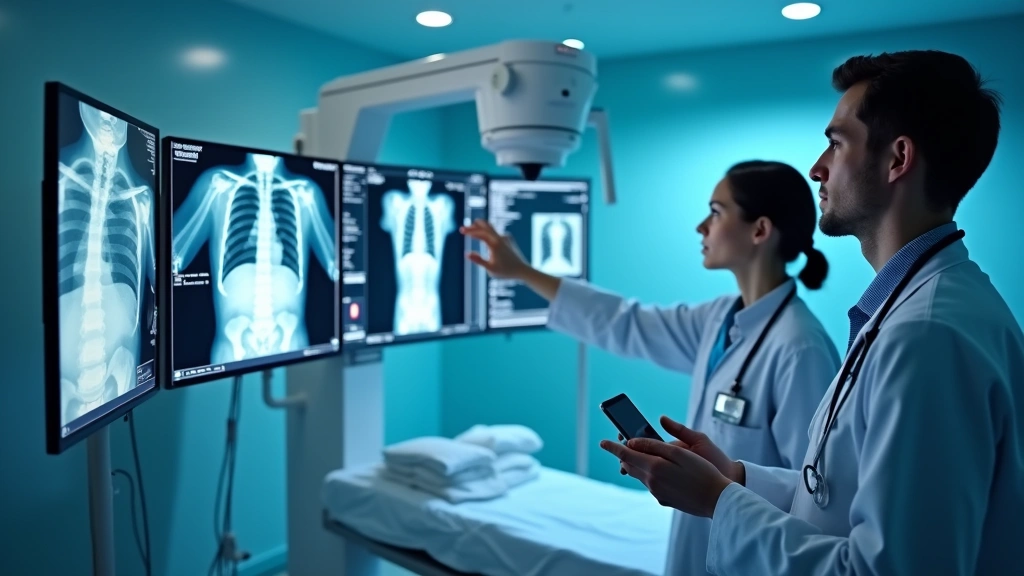
- General Radiography: Chest, abdomen, extremity, and spine imaging
- Fluoroscopy: Real-time dynamic imaging for GI studies and orthopedic procedures
- Emergency Imaging: Fast-paced trauma and acute care environments
- Surgical Imaging: Mobile C-arm systems and OR integration
- Specialized Imaging: CT, MRI, nuclear medicine, ultrasound departments
Programs affiliated with teaching hospitals typically provide superior clinical experiences because they manage higher patient volumes and more complex cases. This exposure builds confidence and clinical judgment that distinguishes well-trained technologists from minimally-qualified practitioners.
The integration of modern technology news and insights from TechPulse Hunter into radiology curriculum ensures students understand how emerging digital health solutions, PACS systems, and electronic health records integrate with imaging workflows.
Career Outcomes and Job Placement
Evaluating program success requires examining concrete graduate outcomes data. Top-tier programs publish impressive statistics on ARRT certification exam pass rates, employment outcomes, and graduate satisfaction. Excellent programs typically report first-attempt ARRT pass rates exceeding 90%, compared to the national average of approximately 85%.
Employment outcomes reveal program quality and reputation. Programs with strong relationships to major healthcare systems often report 95%+ job placement rates within six months of graduation. Graduates from well-regarded programs frequently command higher starting salaries—often $5,000-$15,000 above the national median—reflecting employer recognition of program prestige.
Consider these outcome metrics when evaluating programs:
- ARRT certification exam pass rates (first attempt and cumulative)
- Employment placement rates and average time to employment
- Starting salary ranges for graduates
- Advancement opportunities and career progression data
- Employer feedback on graduate competency and readiness
- Alumni satisfaction and program recommendation rates
Leading programs maintain active alumni networks that facilitate career development, continuing education opportunities, and professional advancement. These networks often provide mentorship, job leads, and access to specialized training that extends benefits far beyond graduation.
The Bureau of Labor Statistics projects strong job growth for radiologic technologists through 2032, with demand driven by aging populations, increased imaging utilization, and technological advancement. Programs in growing metropolitan areas and regions with robust healthcare infrastructure typically offer graduates more employment flexibility and career trajectory options.
How to Select Your Ideal Program
Selecting the right radiology technology program requires systematic evaluation across multiple dimensions. Start by verifying JRCERT accreditation status—this is non-negotiable for career readiness and certification eligibility.
Assess program structure and format based on your circumstances:
- Full-time traditional programs: Ideal for those able to commit exclusively to studies
- Part-time options: Available at some institutions for working adults
- Online hybrid models: Combine distance learning with in-person clinical rotations
- Evening/weekend tracks: Accommodate students with daytime employment
Visit program websites and request detailed information about:
- Faculty credentials and clinical experience backgrounds
- Clinical affiliate sites and equipment specifications
- Curriculum content and specialization pathways
- Admission requirements and prerequisite coursework
- Tuition costs and financial aid availability
- Student support services and academic advising
- Career services and job placement assistance
Schedule campus visits whenever possible. Observing classroom environments, clinical facilities, and student interactions provides invaluable insights that websites cannot convey. Speak with current students and recent graduates about their experiences, challenges, and career outcomes.
Compare program costs holistically—don’t choose based solely on tuition. Consider total cost of attendance including fees, books, clinical uniform requirements, and living expenses. Calculate return-on-investment by comparing program costs against graduate starting salaries and long-term earning potential. Some programs offer scholarships, grants, or tuition assistance programs that significantly reduce net costs.
Review emerging technology trends in 2025 to understand how programs are adapting curriculum to incorporate digital health innovation, artificial intelligence, and advanced imaging technologies that will define your career.
Check program rankings from authoritative sources like Best Colleges and College Choice, which evaluate programs based on accreditation, outcome data, and educational quality metrics.
FAQ
How long does it take to become a certified radiologic technologist?
Most radiologic technologists complete a 2-year associate degree program from an accredited institution. Bachelor’s degree programs require 4 years. After completing your program, you’ll be eligible to sit for the ARRT certification exam. The entire path from high school to certification typically takes 2-4 years depending on program type and prerequisite requirements.
What prerequisites are required for radiology tech programs?
Most programs require high school graduation or GED, with prerequisite coursework in biology, chemistry, physics, and mathematics. Some programs require anatomy and physiology. Specific requirements vary by institution—check individual program websites for exact prerequisites. Strong science backgrounds improve academic success and ARRT exam performance.
What is the ARRT certification exam like?
The ARRT Radiography exam consists of 200 multiple-choice questions covering radiographic positioning (40%), image analysis and pathology (30%), radiation protection and physics (20%), and patient care and safety (10%). The exam is computer-based and takes approximately 3 hours. Most test-takers from accredited programs pass on their first attempt, though dedicated study and review are essential.
Can radiologic technologists specialize in specific imaging modalities?
Yes, absolutely. After gaining radiography experience, technologists pursue credentials in CT, MRI, nuclear medicine, mammography, ultrasound, and other specialties. Some programs offer integrated pathways where you begin specialty training during your initial program. Specialization increases earning potential and career options significantly.
What is the job outlook for radiologic technologists?
The U.S. Bureau of Labor Statistics projects 7% job growth for radiologic technologists through 2032, faster than average occupational growth. Demand is driven by aging populations requiring increased imaging, technological advancement creating new modalities, and healthcare expansion. Employment prospects remain strong across most geographic regions, with particularly strong opportunities in metropolitan areas and specialized healthcare facilities.
How much do radiologic technologists earn?
According to the Bureau of Labor Statistics, the median annual wage for radiologic technologists was approximately $66,000 in 2023, with experienced technologists and specialists earning significantly more. Geographic location, employer type, specialization, and experience level all influence earning potential. Hospital-based positions typically offer higher compensation than outpatient imaging centers.
Are there online radiology tech programs?
Some institutions offer hybrid programs combining online coursework with in-person clinical rotations. However, the majority of radiologic technology education requires hands-on clinical practice that cannot be delivered online. Be cautious of programs claiming to be entirely online—accredited programs require substantial supervised clinical experience with actual patients and equipment. Verify JRCERT accreditation for any program format.
What soft skills are important for radiologic technologists?
Beyond technical imaging knowledge, successful radiologic technologists need strong communication skills to interact with patients and healthcare teams, attention to detail for accurate positioning and image quality, physical stamina for standing and moving during procedures, compassion for patients experiencing anxiety or pain, and adaptability to work in fast-paced healthcare environments. Top programs emphasize these competencies throughout their curriculum.
Can I work as a radiologic technologist while attending school?
Some programs allow part-time work in healthcare settings, though intensive clinical schedules make full-time employment difficult. Working as a radiologic technologist requires certification and licensure, which you won’t have until completing your program and passing the ARRT exam. Some programs employ students as radiography aides or patient care assistants during their studies, providing relevant experience and modest income.
What continuing education requirements exist for radiologic technologists?
ARRT-certified radiologic technologists must complete continuing education credits to maintain certification. Requirements typically involve 36 continuing education credits every three years, with specific requirements in radiation protection. Many employers support technologist education through tuition assistance programs. Continuing education keeps technologists current with evolving imaging technologies and clinical practices throughout their careers.