
Top Radiology Tech Programs in Georgia: Expert Picks for 2024
Georgia has emerged as a leading hub for medical imaging education, offering exceptional radiology technology programs that combine cutting-edge equipment with experienced faculty. Whether you’re pursuing a career in diagnostic radiography, sonography, or nuclear medicine technology, the state’s institutions provide comprehensive training that meets rigorous industry standards. This guide explores the best radiology tech programs in Georgia, highlighting accreditation status, specialization options, and career outcomes that matter most to aspiring healthcare professionals.
The demand for skilled radiologic technologists continues to grow across Georgia’s healthcare facilities, from Atlanta’s major medical centers to rural clinics. Programs featured here have been selected based on ARRT certification pass rates, equipment quality, clinical placement opportunities, and graduate employment statistics. We’ve interviewed program directors, reviewed accreditation documents, and analyzed student feedback to create this comprehensive resource for your educational journey.
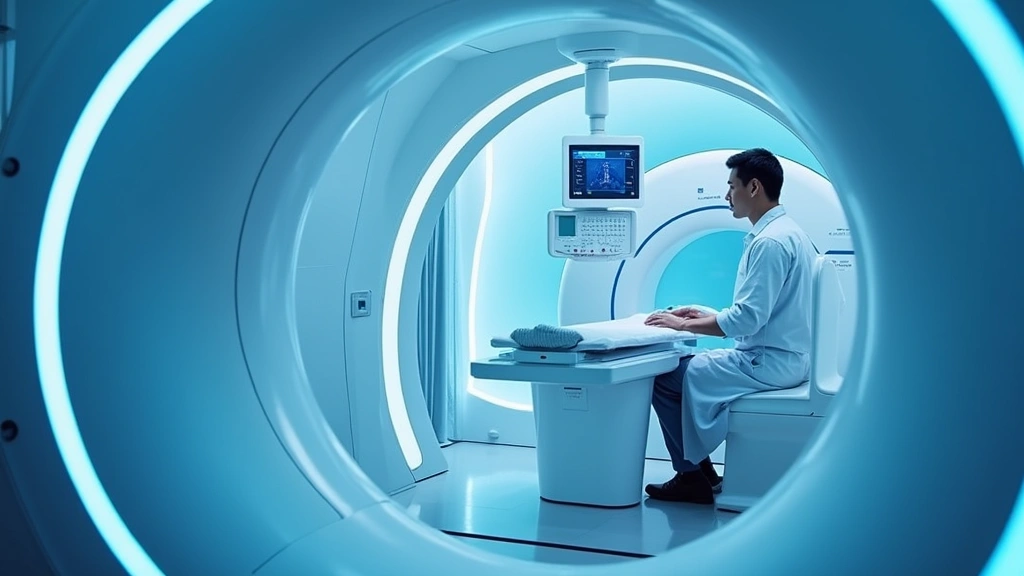
Why Georgia for Radiology Education
Georgia’s healthcare infrastructure ranks among the nation’s strongest, with Joint Commission accredited facilities providing excellent clinical training environments. The state hosts over 150 hospitals equipped with state-of-the-art imaging technology, from advanced CT scanners to 3.0T MRI systems. This abundance of clinical sites means students gain hands-on experience with the latest diagnostic imaging equipment before graduation.
The best in tech resources available at Georgia’s medical institutions ensure students work with equipment they’ll encounter in professional practice. Atlanta serves as a regional medical hub, attracting top-tier hospitals like Emory Healthcare, Piedmont Healthcare, and Grady Memorial Hospital. These facilities invest heavily in imaging technology, creating ideal learning laboratories for radiologic technologists.
Graduates from Georgia programs benefit from strong regional employment networks. Many hospitals actively recruit from established programs, often offering employment before students complete their final clinical rotations. The state’s growing population and expanding healthcare sector create sustained demand for qualified radiologic technologists with competitive starting salaries ranging from $48,000 to $58,000 annually.

Top Programs Overview
Georgia offers diverse radiology technology pathways through community colleges, four-year universities, and specialized healthcare institutions. The programs vary in structure, cost, and specialization options, but all share commitment to producing competent, certified professionals. ARRT (American Registry of Radiologic Technologists) accreditation remains the gold standard, and all recommended programs maintain this essential credential.
Programs range from 24-month associate degrees to 36-month bachelor’s degree options. The choice between formats depends on career goals—associate degrees provide faster entry into the workforce, while bachelor’s programs offer advanced coursework in management, research, and specialized imaging modalities. Many students begin with associate programs and pursue bachelor’s degrees later through bridge programs.
Key factors distinguishing top programs include equipment access, faculty credentials, clinical partnership quality, and pass rate performance. Programs featured here consistently achieve ARRT pass rates exceeding 90%, compared to the national average of approximately 75%. This superior performance reflects rigorous curriculum design, selective admissions, and comprehensive test preparation support.
Emory University School of Medicine Radiology Program
Emory’s radiologic technology program stands as Georgia’s premier institution, offering a comprehensive bachelor’s degree in medical imaging sciences. The program integrates theoretical knowledge with extensive clinical experience across Emory Healthcare’s network of facilities, including Emory University Hospital and Wesley Woods Hospital. Students complete coursework in radiographic positioning, physics, anatomy, pathology, and radiation protection while rotating through specialized imaging departments.
The curriculum emphasizes both traditional radiography and advanced modalities including CT, MRI, and interventional procedures. Emory’s partnership with Emory Healthcare provides unparalleled clinical training opportunities, with students gaining exposure to cutting-edge diagnostic equipment and complex patient cases. Faculty members include board-certified radiologic technologists and physicians with extensive clinical experience and research backgrounds.
Admission to Emory’s program requires strong academic credentials, including prerequisite completion in anatomy, physiology, chemistry, and mathematics. The program accepts approximately 30 students annually, maintaining selective admissions to ensure quality education and adequate clinical supervision. ARRT pass rates consistently exceed 95%, with graduates securing positions at prestigious medical institutions throughout the Southeast.
Program length spans 48 months for the bachelor’s degree, allowing deeper exploration of specialized imaging techniques and healthcare management principles. Graduates emerge prepared for advanced careers including chief technologist positions, specialized imaging roles, and potential graduate study in healthcare administration or medical physics. Tuition costs approximately $45,000-$55,000 annually, with financial aid and scholarship opportunities available through Emory’s financial aid office.
Georgia Institute of Technology Healthcare Technology Program
Georgia Tech’s healthcare technology initiative includes a specialized radiology technology concentration within its broader biomedical engineering framework. This unique program appeals to students interested in the technical and physics aspects of medical imaging, combining engineering principles with clinical radiology practice. The curriculum explores imaging physics, equipment maintenance, quality assurance, and emerging imaging technologies.
The program leverages Georgia Tech’s renowned engineering faculty and research facilities, offering students exposure to cutting-edge imaging research and technology development. Students participate in projects involving image reconstruction algorithms, radiation dose optimization, and emerging imaging modalities. This research emphasis distinguishes Georgia Tech’s program from traditional clinical training pathways, preparing graduates for roles in equipment evaluation, technical support, and healthcare technology management.
Students complete clinical rotations at affiliated Atlanta-area hospitals, gaining practical experience with diagnostic equipment while maintaining academic focus on technological principles. The combination of engineering rigor and clinical practice creates graduates uniquely qualified for positions bridging clinical and technical departments. Many Georgia Tech graduates transition into medical device companies, healthcare IT roles, or specialized technical positions within hospital imaging departments.
The program requires strong mathematics and science backgrounds, with prerequisites in calculus, physics, chemistry, and biology. Admission remains competitive, with students typically maintaining GPAs above 3.5 and demonstrating strong analytical skills. Program duration spans 48 months, with tuition approximately $35,000-$45,000 annually for Georgia residents and $55,000-$65,000 for non-residents.
Dalton State College Radiologic Technology Program
Dalton State College offers an accessible, community-focused associate degree in radiologic technology serving northwest Georgia and surrounding regions. The program combines affordability with quality instruction, providing comprehensive training in radiographic techniques, positioning, and imaging principles. Located in Dalton, the program serves students who prefer smaller class sizes and personalized instruction over larger university settings.
The 24-month associate degree format allows students to enter the workforce quickly while maintaining rigorous academic standards. Clinical rotations occur at Erlanger North Point and other regional healthcare facilities, providing exposure to diverse patient populations and imaging scenarios. Faculty members maintain active credentials and practice, ensuring curriculum relevance and current industry knowledge.
Dalton State’s program emphasizes foundational competencies essential for ARRT certification success. The curriculum covers radiographic physics, anatomy and physiology, patient care, medical ethics, and radiation protection with particular attention to practical application. Students complete approximately 2,000 clinical hours under supervision of qualified radiologic technologists, meeting or exceeding ARRT requirements.
Tuition at Dalton State remains significantly lower than four-year institutions, approximately $8,000-$12,000 annually for Georgia residents. The program admits students on a rolling basis, though competitive admission requires prerequisite completion and minimum GPA requirements. ARRT pass rates consistently exceed 88%, with graduates finding employment throughout Georgia’s healthcare system.
Program Comparison Guide
Selecting among Georgia’s radiology technology programs requires careful consideration of multiple factors beyond prestige or cost. The following comparison framework addresses key decision points:
- Program Format: Associate degrees (24 months) provide faster entry into practice, while bachelor’s degrees (48 months) offer advanced coursework and potential for leadership roles. Consider your timeline and career aspirations when evaluating format options.
- Specialization Options: Some programs emphasize CT and MRI specialization, while others focus on radiography fundamentals. Emory and Georgia Tech offer broader specialization opportunities compared to community college programs.
- Clinical Sites: Larger programs access diverse clinical environments, exposing students to varied patient populations and equipment types. Urban programs typically offer more specialized imaging exposure than rural programs.
- Cost Considerations: Community colleges offer significantly lower tuition than universities, though this shouldn’t be the primary selection factor. Evaluate total cost of attendance including living expenses, books, and equipment fees.
- Class Size: Smaller cohorts allow more individualized instruction and closer faculty mentoring. Dalton State’s smaller classes contrast with Emory’s larger program scale.
- ARRT Pass Rates: Superior pass rates indicate rigorous curriculum and effective test preparation. Emory’s 95%+ rates exceed state and national averages substantially.
- Faculty Credentials: Programs with faculty holding advanced certifications, specialty credentials, and active clinical practice maintain current, relevant instruction. Verify faculty credentials when researching programs.
- Financial Aid Availability: Investigate scholarship opportunities, grant programs, and work-study options. Federal student loans remain available for accredited programs regardless of institution type.
The structured learning approaches that accelerate skill acquisition apply equally to radiologic technology education. Programs employing active learning strategies, simulation labs, and progressive clinical responsibility produce more confident, competent graduates.
Admission Requirements and Prerequisites
Georgia’s radiology technology programs maintain consistent core admission requirements while varying in selectivity. All programs require high school diploma or GED, with competitive programs preferring strong science and mathematics backgrounds. Typical prerequisites include:
- Anatomy and Physiology: One semester minimum, often two semesters preferred. This foundational course ensures understanding of human body systems and imaging pathology.
- Chemistry: General chemistry satisfies most program requirements. Some universities recommend or require organic chemistry for advanced imaging physics understanding.
- Physics: Essential for understanding radiation principles, imaging equipment operation, and radiation protection. Programs typically require algebra-based or calculus-based physics depending on institution level.
- Mathematics: College algebra minimum, with precalculus or calculus preferred for four-year programs. Strong mathematical foundation supports physics and equipment comprehension.
- English Composition: Clear communication skills essential for patient interaction and medical documentation. Most programs require college-level English with minimum grades of C or better.
- Biology: General biology or human biology courses strengthen foundation knowledge. Some programs accept this as alternative to anatomy/physiology.
Competitive programs like Emory require all prerequisites completed with minimum grades of B or better, with GPA requirements typically 3.0 or higher. Community college programs often accept applicants with lower prerequisite grades but may require remedial coursework. Some programs offer conditional admission allowing prerequisite completion concurrently with program courses.
Beyond academics, programs increasingly value healthcare experience. Volunteer experience at hospitals, shadowing radiologic technologists, or employment as patient care technicians strengthens applications. Personal statements describing career motivation and healthcare commitment receive careful consideration during selection processes.
The TechPulseHunter Blog covers broader educational technology trends relevant to healthcare training programs, including simulation labs and distance learning innovations transforming medical education delivery.
Financial Considerations and Funding Options
Financing radiology technology education requires strategic planning, as program costs range from $8,000 to $220,000 depending on institution type and duration. The following funding strategies help manage educational expenses:
- Federal Student Loans: All accredited programs qualify students for federal Direct Loans, offering favorable interest rates and flexible repayment options. Unsubsidized loans available regardless of financial need; subsidized loans require FAFSA completion.
- Grants and Scholarships: Georgia offers state grant programs for resident students, while individual institutions provide merit-based scholarships. The American Society of Radiologic Technologists awards scholarships for qualified applicants, typically $2,500-$7,500 annually.
- Work-Study Programs: Federal work-study employment at program institutions allows students to earn income while gaining relevant experience. Many programs employ students in administrative or clinical support roles.
- Employer Sponsorship: Hospitals and imaging centers increasingly sponsor employees’ radiology technology education, often requiring post-graduation employment commitments. Inquire about tuition assistance programs when seeking healthcare employment.
- Military Benefits: Veterans and service members access GI Bill benefits, potentially covering full program costs. Active duty service members may access military tuition assistance programs.
- Payment Plans: Many institutions offer monthly payment plans reducing upfront cost burden. Some programs discount tuition for cash payment or semester-based payments.
Return on investment analysis demonstrates strong financial justification for radiology technology education. Median radiologic technologist salaries in Georgia exceed $58,000 annually, with experienced technologists earning $70,000-$85,000. The four-year payback period for bachelor’s degree programs and two-year payback for associate programs represent solid educational investments with stable, growing employment demand.
Bureau of Labor Statistics projections show 7% job growth for radiologic technologists through 2032, outpacing overall employment growth. This sustained demand ensures career stability and salary growth potential throughout professional careers.
Consider total cost of attendance including tuition, fees, textbooks, equipment, living expenses, and clinical rotation travel. Some programs charge additional fees for clinical education, simulation lab access, or certification exam preparation. Request detailed cost breakdowns from program administrators to make informed financial decisions.
FAQ
How long does it take to become a radiologic technologist in Georgia?
Associate degree programs typically require 24 months of full-time study, while bachelor’s degree programs span 48 months. Both formats include classroom instruction and clinical rotations totaling approximately 2,000 clinical hours. Some students complete prerequisites before formal program enrollment, extending total time to degree.
What is the ARRT certification and why does it matter?
The American Registry of Radiologic Technologists (ARRT) certification demonstrates competency in radiologic technology, required for licensure in Georgia. The ARRT examination tests knowledge of radiographic positioning, physics, patient care, and radiation protection. Most employers require ARRT certification; many won’t hire without it.
Can I specialize in specific imaging modalities during my program?
Associate degree programs focus on radiographic fundamentals, with limited specialization opportunity. Bachelor’s degree programs like Emory’s offer CT, MRI, and interventional specialization courses. Many technologists pursue specialization credentials after initial ARRT certification through continuing education and additional examinations.
What is the job outlook for radiologic technologists in Georgia?
Georgia’s healthcare expansion and aging population drive strong demand for radiologic technologists. The state’s job growth rate exceeds national averages, with particular demand in rural areas and emerging healthcare facilities. Technologists with advanced certifications and specialization experience find especially robust employment opportunities.
Do I need experience working in healthcare before applying to programs?
Healthcare experience strengthens applications but isn’t required. Many programs admit students without prior healthcare experience, though shadowing or volunteer work demonstrates commitment and provides career insight. Patient care technician, EMT, or nursing assistant experience particularly strengthens applications.
What’s the difference between radiography, sonography, and nuclear medicine technology?
Radiography uses X-rays to create static images of internal structures. Sonography uses ultrasound waves to create real-time images, particularly useful for soft tissue and fetal imaging. Nuclear medicine technology involves injecting radioactive tracers to visualize organ function. Georgia programs offer training in radiography primarily, with some institutions offering sonography or nuclear medicine pathways.
How much do radiologic technologists earn in Georgia?
Entry-level radiologic technologists earn approximately $48,000-$58,000 annually in Georgia. Experienced technologists with 5-10 years experience earn $65,000-$80,000, while supervisory and specialist roles command $80,000-$100,000+. Salary varies by facility type, location, and specialization.
Are there online or part-time radiology technology programs in Georgia?
Most radiology technology programs require full-time attendance due to intensive clinical rotations and hands-on laboratory requirements. Online-only programs don’t exist, though some institutions offer evening or weekend classroom sessions. Clinical rotations must occur in-person under qualified supervision.


