
Top Tech Gifts for 12-Year-Olds: Expert Picks
Finding the perfect tech gift for a 12-year-old can feel overwhelming with endless options flooding the market. At this pivotal age, kids are developing their own interests, gaining independence, and becoming more tech-savvy than ever. Whether you’re shopping for a birthday, holiday, or special occasion, the right gadget can inspire creativity, encourage learning, and provide hours of entertainment. We’ve curated a comprehensive guide to help you navigate the best tech gifts that balance fun, educational value, and age-appropriate features.
The sweet spot for tech gifts at this age includes devices that promote hands-on learning, creative expression, and social connection—without overwhelming screen time. From gaming peripherals to coding kits and portable audio devices, today’s market offers exceptional options that parents and gift-givers can feel confident about. Let’s explore the top choices that tech experts and parents consistently recommend.
Gaming Headsets & Audio: Immersive Sound Quality
A quality gaming headset ranks among the most practical tech gifts for 12-year-olds, especially for those invested in online gaming. Modern gaming headsets deliver crystal-clear communication with teammates, immersive surround sound, and comfortable designs built for extended wear sessions. The best models feature noise-cancelling microphones, wireless connectivity, and durable construction that withstands the rigors of daily use.
Top-tier options like the Corsair HS50 Pro and SteelSeries Arctis Nova offer exceptional value, featuring 7.1 surround sound, lightweight frames, and compatibility across multiple platforms including PC, PlayStation, and Xbox. For budget-conscious shoppers, the HyperX Cloud Stinger 2 delivers impressive audio performance at an accessible price point, making it ideal for younger gamers just developing their preferences.
When selecting a gaming headset, consider the listening environment—noise isolation matters for shared spaces. Look for headsets with adjustable headbands, breathable ear cushions, and detachable microphones for versatility. Battery life for wireless models should exceed 20 hours, ensuring uninterrupted gaming marathons without constant charging interruptions.
Gaming Peripherals & Accessories: Competitive Edge
Gaming mice and mechanical keyboards represent excellent investments for 12-year-olds developing serious gaming interests. These peripherals directly impact gameplay performance while teaching kids about hardware specifications and ergonomic design. A precision gaming mouse with adjustable DPI settings allows players to fine-tune sensitivity for different games, from fast-paced shooters to strategy titles.
The Logitech G Pro X Superlight has become the industry standard for competitive gaming, offering ultra-light construction and exceptional tracking accuracy. For younger players, the Razer DeathAdder V3 provides slightly larger dimensions, better ergonomics for growing hands, and customizable lighting that appeals to this age group’s aesthetic preferences.
Mechanical keyboards designed for gaming combine tactile feedback with durability, helping kids develop proper typing habits while enhancing gaming performance. Models like the SteelSeries Apex Pro offer customizable switches and compact designs suitable for bedroom setups. When evaluating gaming peripherals, check The Verge’s comprehensive reviews for detailed performance comparisons and real-world testing data.
Coding Kits & Robotics: STEM Education Through Play
Coding and robotics kits transform learning into engaging hands-on experiences, making them exceptional educational tech gifts. These products teach fundamental programming concepts, problem-solving, and critical thinking—skills increasingly vital in our digital world. The best kits combine intuitive interfaces with genuine challenge progression, maintaining interest as kids develop expertise.
LEGO Mindstorms EV3 remains the gold standard for robotics education, offering modular construction, block-based programming, and competitive robotics community support. Kids can build multiple robot configurations and program complex behaviors, scaling difficulty as they advance. For younger learners or budget-conscious families, LEGO Education sets provide excellent value with age-appropriate complexity.
Alternatively, Sphero’s coding robots introduce programming through app-based interfaces and physical play. The BOLT model features programmable LED displays, encouraging creative expression alongside coding fundamentals. Scratch, the free MIT-developed programming language, pairs perfectly with these kits, providing professional-grade tools without cost barriers. Explore our guide on becoming a software developer to understand how early coding exposure benefits future tech careers.
Portable Speakers & Audio Tech: Music on the Go
Portable Bluetooth speakers have become essential for 12-year-olds managing their own entertainment. Quality speakers deliver impressive sound in compact packages, perfect for bedrooms, outdoor activities, and social gatherings. The best models combine robust construction with extended battery life and water resistance—practical features for this age group’s active lifestyle.
The JBL Flip 6 represents the sweet spot for portable audio, offering 12-hour battery life, IP67 waterproofing, and surprisingly powerful sound for its size. Kids appreciate the vibrant color options and durable rubber casing that survives accidental drops. For those interested in premium sound, the Ultimate Ears Boom 3 provides 360-degree sound and impressive bass response, though at a higher price point.
Consider battery life as a critical specification—look for minimum 10-12 hour ratings for devices used away from charging outlets. Waterproofing matters significantly for this age group; IP67 ratings ensure survival of beach trips, pool parties, and unexpected rain. Connectivity options should include both Bluetooth and auxiliary inputs for versatility across different devices and situations.
Drones & FPV Technology: Aerial Photography & Racing
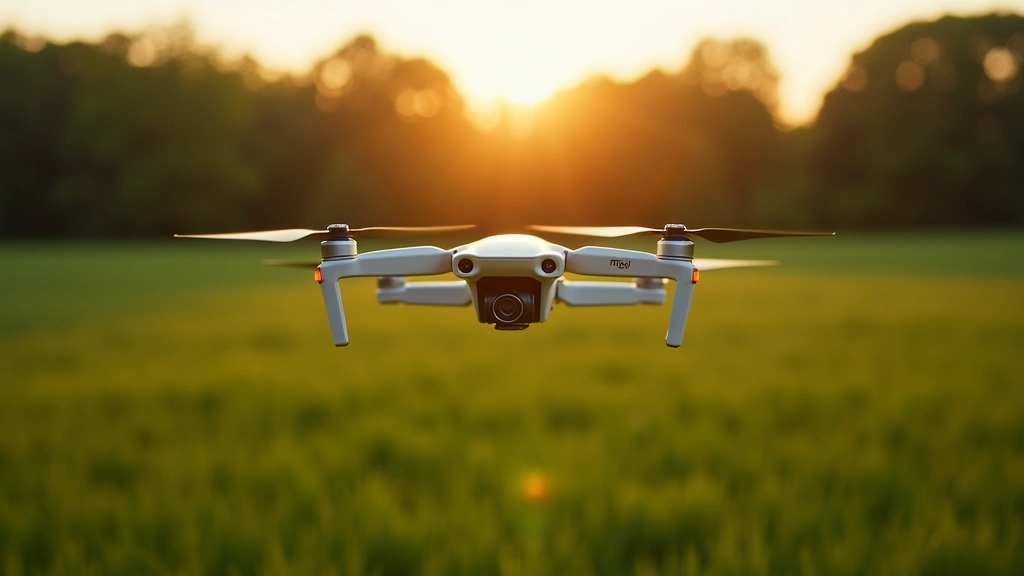
Drones introduce kids to flight physics, aerial photography, and increasingly, first-person view (FPV) racing. Modern drones designed for this age group balance ease of use with genuine capability, allowing beginners to achieve impressive results while providing growth potential. The DJI Mini 3 Pro stands out as the ideal entry-level drone, offering 4K video capability, 38-minute flight time, and intelligent flight modes that simplify operation for novices.
FPV drones represent the next level, providing immersive racing experiences through first-person video feeds. The DJI Avata introduces FPV technology accessibly, combining intuitive controls with safety features appropriate for younger pilots. These devices teach spatial reasoning, hand-eye coordination, and equipment maintenance—valuable skills developed through practical application.
Before purchasing drones, verify local regulations regarding recreational drone operation. The FAA’s Part 107 rules apply to all drone operators, with specific guidelines for ages and supervision requirements. Invest in quality propeller guards and extra batteries to extend flight sessions and reduce downtime between charging cycles. Check CNET’s drone reviews for comprehensive testing and performance benchmarks across different models.
Smartwatches for Kids: Connectivity & Independence
Smartwatches designed for kids balance parental oversight with age-appropriate independence, making them practical gifts for 12-year-olds gaining mobility. These devices provide location tracking, emergency communication, and fitness monitoring—features that parents appreciate while kids enjoy the autonomous technology experience.
The Gizmo Watch 3 from Google offers reliable location tracking, voice calling with approved contacts, and fitness tracking without overwhelming features. For those already invested in Apple ecosystems, the Apple Watch SE provides comprehensive functionality at mid-range pricing, including fall detection and emergency SOS capabilities that parents find reassuring.
When evaluating kids’ smartwatches, prioritize battery life—daily charging becomes tedious and discourages use. Look for devices with customizable notification settings, allowing parents to control information flow while respecting kids’ growing need for privacy. Fitness tracking features appeal to this age group, encouraging active lifestyles and healthy competition among peers.
VR & AR Experiences: Immersive Technology
Virtual reality and augmented reality technologies open entirely new dimensions of entertainment and learning for tech-savvy 12-year-olds. VR headsets designed for this age group provide immersive gaming, educational experiences, and creative tools without the expense of high-end PC systems. The Meta Quest 3 represents the current value leader, offering standalone VR capability, extensive game libraries, and mixed reality features blending digital content with physical surroundings.
AR experiences through smartphone apps provide accessible entry points to augmented reality without dedicated hardware investments. Apps leveraging smartphone cameras demonstrate AR concepts through interactive games, educational overlays, and creative tools. This technology particularly appeals to kids interested in design, gaming, and digital creativity.
Safety considerations become paramount with immersive technology—ensure adequate play space free from obstacles, establish time limits to prevent eye strain, and monitor content appropriateness. VR’s psychological impact on developing minds remains an active research area; responsible use guidelines recommend age-appropriate content and supervised experiences, particularly for younger children in this age range.

Portable Gaming Devices: Gaming Freedom
Handheld gaming devices continue evolving, offering console-quality experiences in portable formats. The Nintendo Switch remains the category leader, combining docked home console play with portable gaming through detachable controllers. Its extensive game library appeals to diverse interests—from action-adventure titles to educational games and creative tools.
The Steam Deck revolutionizes portable gaming for PC enthusiasts, enabling full-scale PC games in handheld format. While more complex than traditional handheld devices, it appeals to 12-year-olds with serious gaming interests and technical curiosity. The learning curve regarding game compatibility and performance optimization teaches valuable troubleshooting skills.
Consider gaming preferences when selecting portable devices. Nintendo Switch excels with family-friendly titles and exclusive franchises. PlayStation Vita remains viable for specific game libraries, though Sony discontinued production. PC-based handhelds like Steam Deck suit players with existing PC gaming investments and technical inclination. Check GameSpot’s detailed reviews for game library analysis and performance benchmarking across titles your recipient enjoys.
Battery life matters significantly for portable gaming—expect minimum 5-7 hour sessions for modern devices. Ergonomics become critical during extended play; devices should feel comfortable for growing hands without causing strain or fatigue. Protective cases are essential investments, protecting against drops and scratches inevitable with active 12-year-olds.
FAQ
What’s the best tech gift for a 12-year-old boy interested in gaming?
A quality gaming headset like the Corsair HS50 Pro or SteelSeries Arctis Nova combined with a precision gaming mouse creates an excellent foundation. If budget allows, add a mechanical keyboard for complete gaming peripheral upgrades. For those seeking single-item solutions, the Nintendo Switch offers exceptional value with diverse game libraries and social gaming capabilities that appeal to this age group.
Are coding kits appropriate for 12-year-olds without programming experience?
Absolutely! LEGO Mindstorms EV3 and Sphero kits specifically target this age group, featuring intuitive block-based programming that doesn’t require prior experience. These kits teach fundamental programming concepts through visual interfaces, gradually introducing more complex logic as confidence builds. They’re ideal for developing future software development careers, even for complete beginners.
What screen time concerns exist with these tech gifts?
Gaming and entertainment gadgets naturally involve screen time, but many options—particularly coding kits, drones, and robotics—combine digital interaction with physical play. Balance recommendations suggest limiting gaming to 1-2 hours daily, using parental controls on devices supporting them, and encouraging outdoor drone flying or robotics competitions that blend technology with active engagement.
How much should I spend on a tech gift for a 12-year-old?
Quality tech gifts range from $30-50 (portable speakers, gaming mice) to $200-400 (drones, VR headsets, gaming laptops). Mid-range options ($100-200) offer excellent value, including gaming headsets, Nintendo Switch accessories, and entry-level coding kits. Set budgets based on occasion significance and the child’s demonstrated interest levels in specific tech categories.
What safety features should I prioritize in kids’ tech gifts?
Look for devices with parental controls, content filtering, and usage time limits. For location-tracking devices, verify privacy protections and data security measures. Gaming devices should support content age ratings verification. VR headsets require supervised use with appropriate play space clearance. Drones need regulatory compliance and propeller guards. Read detailed latest technology product reviews emphasizing safety features and age-appropriateness assessments.
Can tech gifts encourage learning alongside entertainment?
Excellent question! Coding kits, robotics, and drones directly build STEM skills. Gaming headsets improve communication and teamwork. Smartwatches teach responsibility and fitness awareness. Even entertainment-focused gifts like VR headsets offer educational content through specialized apps and experiences. The key is selecting devices that your recipient finds genuinely engaging—intrinsic motivation drives learning better than forced educational framing.
What emerging tech trends should I consider for 12-year-olds?
AI-powered educational tools are expanding rapidly, offering personalized learning experiences. Metaverse platforms continue developing, though parental supervision remains essential. Artificial intelligence applications increasingly integrate into consumer gadgets, enhancing functionality across gaming, productivity, and creative tools. Stay informed through latest technology news and reviews to understand emerging options.


