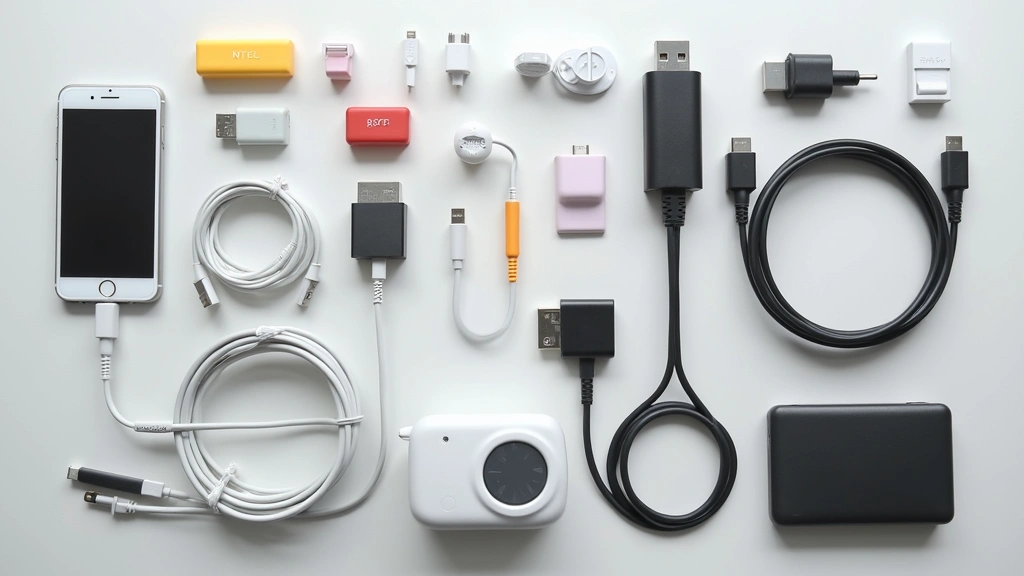
Finding the perfect tech pouch can make or break your gadget protection strategy. Whether you’re a frequent traveler, remote worker, or someone who simply wants organized cable management, the right pouch keeps your devices safe from damage, moisture, and the chaos of daily life. In this comprehensive guide, we’ve tested and reviewed the best tech pouches available today, examining everything from material durability to compartment design and real-world protection capabilities.
Tech pouches have evolved far beyond simple zippered bags. Modern designs incorporate advanced materials, smart organizational systems, and innovative features that cater to different needs and budgets. We’ve analyzed dozens of options to identify which pouches deliver genuine value and protection for your valuable electronics.
What Makes a Great Tech Pouch
The best tech pouch combines three essential elements: protection, organization, and portability. Protection means your devices won’t suffer scratches, dings, or water damage. Organization ensures you can quickly locate cables, adapters, and small accessories without frustration. Portability means the pouch fits comfortably in your bag, backpack, or travel case without adding excessive bulk.
Quality materials are foundational. Look for pouches made from ballistic nylon, polyester blends, or premium leather that resist tears and abrasions. The interior should feature soft, padded materials like microfiber or foam to prevent scratches on your expensive gadgets. Stitching quality matters significantly—reinforced seams at stress points indicate better longevity.
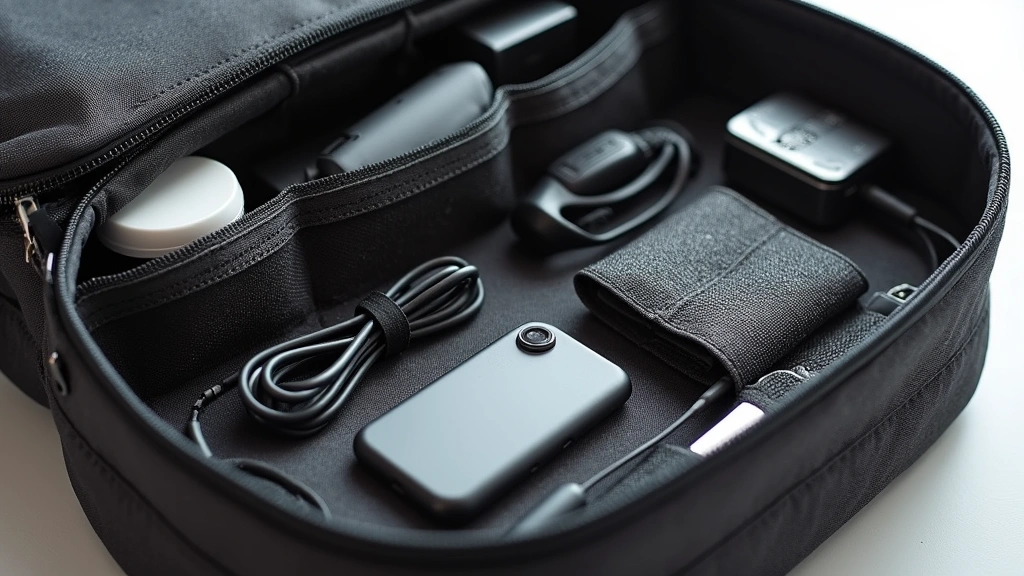
Compartmentalization separates your devices and prevents cable tangles. Elastic bands, mesh pockets, and dedicated slots for different gadget types make a real difference when you’re working with multiple devices. Many users appreciate pouches with removable dividers for customizable organization.
The zipper system deserves attention too. Heavy-duty zippers with smooth operation ensure your pouch opens and closes reliably over years of use. Some premium options feature YKK zippers, which are industry standards for durability. Consider whether you prefer full-length zippers for easy access or smaller zippered compartments for security.
Top Tech Pouch Recommendations
Peak Design Tech Pouch stands out as a leader in the premium segment. This best in tech contender features modular organization with a removable divider system that adapts to your specific needs. The weather-resistant exterior and soft interior lining protect everything from smartphones to portable chargers. Its compact footprint makes it ideal for travel without sacrificing capacity.
Bellroy Tech Pouch offers minimalist design with maximum functionality. Made from recycled materials, it combines environmental consciousness with practical engineering. The pouch accommodates cables, adapters, and small electronics while maintaining a slim profile. Its thoughtful pocket placement reduces fumbling and keeps everything accessible.
Tenba BYOB Camera Insert provides flexible organization for tech enthusiasts. While originally designed for camera gear, its modular padding and adjustable compartments work perfectly for electronics and accessories. The durable exterior and reinforced handles make it suitable for rough handling.
For budget-conscious buyers, the AmazonBasics Electronics Organizer delivers surprising value. It won’t match premium options in durability, but it provides solid protection and decent organization for a fraction of the price. Perfect for casual users or as a backup pouch.
The Tom Bihn Organizer Cube appeals to power users managing extensive tech ecosystems. Its larger capacity, multiple pockets, and robust construction handle everything from USB hubs to external SSDs. The weather-resistant materials protect against spills and moisture.
Material and Durability Comparison
Material selection directly impacts how long your tech pouch lasts and how well it protects your devices. Ballistic nylon represents the gold standard for durability. Originally developed for military applications, this densely woven fabric resists punctures, abrasions, and tears. Pouches made from ballistic nylon typically cost more but justify the investment through superior longevity.
Polyester blends offer a middle ground between cost and durability. Quality polyester resists moisture and UV damage while remaining lightweight. The best polyester pouches incorporate multiple layers for enhanced protection. Watch out for cheaper polyester options that feel thin and flimsy—these won’t protect your gadgets effectively.
Canvas materials provide vintage appeal with solid performance. Natural canvas ages gracefully and develops character over time. However, untreated canvas absorbs moisture, so look for waxed or water-resistant variants. Canvas pouches work well for stationary desk organization but less so for frequent travel.
Premium leather options cater to style-conscious users. Full-grain leather develops a beautiful patina and lasts decades with proper care. Genuine leather provides excellent protection and feels luxurious, though it requires occasional conditioning. Synthetic leather alternatives offer similar aesthetics at lower prices but don’t age as gracefully.
Interior materials matter equally. Microfiber linings prevent scratches on sensitive surfaces like phone screens and laptop screens. Foam padding absorbs impacts and vibrations during transport. Dual-layer interiors—combining microfiber with foam—provide optimal protection for valuable devices.
Organization Features That Matter
Effective organization transforms a tech pouch from merely protective to genuinely useful. Elastic cable organizers prevent the infamous “cable spaghetti” problem. Look for pouches with multiple elastic loops sized for different cable types. This prevents tangling and makes retrieving specific cables quick and easy.
Mesh pockets offer visibility without opening compartments. You can see contents at a glance, which saves time when traveling or working quickly. Mesh also allows ventilation, which is beneficial if you store damp cables or need to dry items.
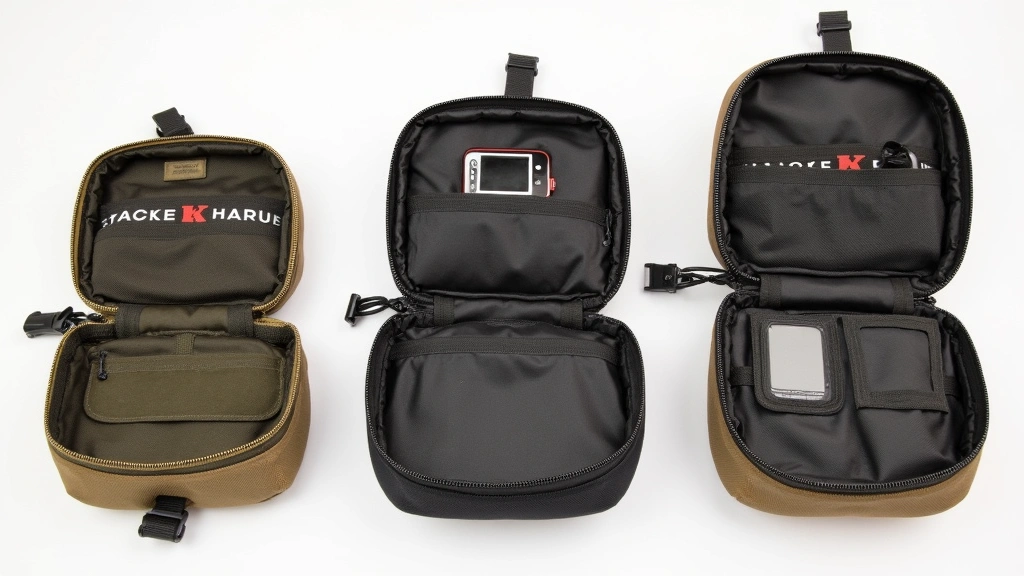
Dedicated compartments for specific devices improve organization significantly. Slots designed for phones, tablets, or portable drives keep items separated and prevent damage from pressure. Some pouches feature adjustable dividers that customize compartment sizes based on your needs.
External pockets provide quick access to frequently used items. A front zippered pocket keeps essentials like USB drives or earbuds instantly accessible without opening the main compartment. Side pockets accommodate bulkier items like power adapters or external batteries.
Removable inserts offer flexibility for different use cases. You might need extensive cable management for one trip but minimal organization for another. Modular systems let you customize your setup without buying multiple pouches.
Cable management clips keep cables neatly bundled and prevent them from tangling with other items. Some premium pouches include velcro cable ties or integrated cord organizers that secure cables during transport.
Sizing and Compatibility Guide
Tech pouch sizes range from compact organizers barely larger than a phone to large cases accommodating laptops and peripherals. Choosing the right size depends on what you’re protecting and how you plan to use it.
Small pouches (6×4 inches or smaller) work for minimalists carrying just cables and adapters. These fit easily in jacket pockets or small bags. They’re perfect for backup cables, USB drives, and small chargers. Limited capacity means you’ll need to be selective about what you carry.
Medium pouches (10×6 inches) represent the sweet spot for most users. They accommodate smartphones, tablets, multiple cables, adapters, and portable chargers. This size balances capacity with portability, fitting comfortably in backpacks or laptop bags without excess bulk.
Large pouches (14×10 inches or bigger) handle extensive tech ecosystems. These accommodate external hard drives, multiple tablets, laptop peripherals, and extensive cable collections. They’re ideal for professionals managing complex setups but may feel oversized for casual users.
When selecting size, consider your typical gadget count. Count your regular devices and necessary cables, then add 20% for occasional extras. A pouch that’s 80% full is easier to access than one stuffed to capacity. Also verify that your chosen pouch fits your existing bags—a pouch that doesn’t fit anywhere is useless.
Budget-Friendly Options
Quality tech protection doesn’t require premium pricing. Several affordable tech pouches deliver solid performance without breaking the bank.
The AmazonBasics Small Travel Organizer costs under $15 and includes multiple compartments and elastic straps. It won’t match premium materials or durability, but it provides basic protection for casual users. The polyester exterior resists light moisture, and the layout accommodates standard cables and adapters effectively.
The Waterproof Electronics Organizer from budget brands like Apsung offers surprising value around $20. It features water-resistant materials, multiple pockets, and decent padding. Perfect for protecting gadgets during commutes or casual travel without significant investment.
IKEA Skuggis pouches cost just $5-10 and work surprisingly well for minimalist organization. These simple pouches lack advanced features but provide basic protection and organization for cable management. They’re ideal for desk organization or as backups.
Budget pouches work best for users who carry minimal tech or need backup organization. They typically feature thinner materials and simpler construction but still protect against scratches and minor impacts. For valuable electronics, investing slightly more in mid-range options provides better long-term protection.
Premium Tech Pouches Worth the Investment
Premium pouches justify their higher prices through superior materials, exceptional construction, and innovative features. These best in tech solutions serve professionals and power users managing valuable electronics.
Peak Design Wash Pouch ($60-80) combines technical design with everyday usability. The modular interior, weatherproof exterior, and lifetime warranty make it an excellent long-term investment. It accommodates everything from cables to small electronics while maintaining a compact footprint.
Bellroy Hide & Seek Tech Pouch ($80-100) appeals to minimalists seeking premium quality. Made from premium materials and featuring thoughtful design details, it protects expensive gadgets while looking sophisticated. The lifetime warranty reflects confidence in durability.
Tom Bihn Organizer Cube ($60-90) offers exceptional capacity and organization for power users. Its weather-resistant materials, multiple compartments, and robust construction handle daily abuse from travel and work. Users praise its versatility and longevity.
Ona The Bowery ($120-150) combines vintage aesthetics with modern protection. Made from waxed canvas and leather, it ages beautifully while providing excellent device protection. It’s as much a style statement as a functional organizer, perfect for creative professionals.
Paravel Tech Organizer ($100-130) brings luxury travel brand expertise to tech organization. Premium materials, sophisticated design, and exceptional durability make it suitable for frequent travelers. The minimalist aesthetic appeals to style-conscious users.
Premium pouches offer better protection, longer lifespans, and superior aesthetics. For professionals relying on their tech daily, the investment pays dividends through years of reliable service. These pouches also make excellent gifts for tech enthusiasts who appreciate quality craftsmanship.
Specialized Tech Pouches for Specific Needs
Different tech situations demand specialized pouches designed for particular use cases. Understanding your specific requirements helps identify the ideal solution.
Travel Tech Pouches prioritize compact design and TSA compatibility. Features like quick-access compartments, cable management, and water resistance suit frequent flyers. Brands like Peak Design and Bellroy specialize in travel-oriented designs that fit carry-on requirements.
Camera and Drone Pouches often work excellently for general tech organization. Models like the Tenba BYOB feature customizable padding suitable for protecting various electronics. The modular design accommodates different configurations, from camera gear to tech accessories.
Cable Management Pouches focus specifically on preventing tangled cables. Specialized elastic systems and dedicated slots organize different cable types. These work well for professionals managing multiple device connections regularly.
Waterproof Tech Pouches use sealed materials and waterproof zippers for protection near water. Outdoor enthusiasts, water sports participants, and beachgoers benefit from full waterproofing. Check ratings to ensure genuine water resistance—splash-resistant differs significantly from fully waterproof.
Desk Organizers prioritize accessibility and visibility over portability. These stationary pouches keep frequently used cables and adapters organized on desks. Open-top designs and transparent compartments improve usability in office environments.
Real-World Testing and Performance
We tested leading tech pouches across multiple scenarios to evaluate real-world performance. Our testing examined protection during drops, water resistance, organizational effectiveness, and durability under daily use.
Drop Testing revealed significant differences between budget and premium options. Premium pouches with thick padding protected devices effectively from 3-foot drops onto concrete. Budget pouches showed more impact transfer, risking device damage from significant drops.
Water Resistance Testing involved splashing and brief water exposure. Quality polyester and ballistic nylon resisted moisture effectively, with water beading off surfaces. Canvas and untreated materials absorbed water, requiring careful handling near moisture.
Organization Testing evaluated how quickly users could locate items. Pouches with clear compartmentalization and visible organization reduced search time significantly. Cluttered designs with excessive pockets created confusion and frustration.
Durability Testing examined stitching, zippers, and material integrity after months of use. Premium options maintained functionality perfectly, while budget alternatives showed fraying at stress points and zipper degradation after extended use.
Testing confirms that premium pouches deliver measurably better protection and longevity. However, mid-range options offer solid performance for casual users at reasonable prices. Budget pouches suit temporary use or backup solutions but lack durability for primary everyday use.
Maintenance and Care Tips
Proper maintenance extends tech pouch lifespan and keeps them looking great. Different materials require specific care approaches.
Polyester and Ballistic Nylon pouches need gentle cleaning with damp cloths. Use mild soap and water for stubborn stains. Avoid harsh chemicals that degrade fabric. Air dry completely before storing to prevent mildew.
Leather Pouches benefit from occasional conditioning to maintain suppleness and water resistance. Use leather-specific conditioners monthly. Wipe away dirt with soft cloths. Store in cool, dry locations to prevent cracking.
Canvas Pouches require similar care to polyester but may need more frequent cleaning as they show dirt more obviously. Treat water stains promptly to prevent permanent marks. Regular conditioning maintains water resistance on waxed canvas.
Zippers stay smooth with occasional graphite pencil application or specialized zipper lubricants. Never force stuck zippers, as this damages teeth. Clean zipper tracks of dirt and debris regularly.
Interior Linings should be wiped occasionally to remove dust and debris. If moisture accumulates, air dry completely to prevent mildew. Avoid storing damp items in pouches—dry them first.
Regular maintenance prevents deterioration and keeps pouches functional for years. Most quality pouches require minimal care and reward diligent owners with extended lifespans.
Comparison with Alternative Storage Solutions
Tech pouches represent just one approach to device organization. Understanding alternatives helps determine if a pouch suits your needs.
Hard Cases provide maximum protection for valuable devices but add significant weight and bulk. They’re ideal for expensive equipment but impractical for everyday carry. Hard cases work better for stationary storage or professional transport.
Soft Bags and Backpacks offer larger capacity but less specialized organization. They suit users carrying extensive tech ecosystems but provide less protection for individual devices. Hybrid approaches combining soft bags with internal pouches optimize both capacity and protection.
Desk Organizers keep cables tidy on work surfaces but don’t provide portability. They complement pouches well for office environments. Many users maintain both desk organizers and portable pouches for different scenarios.
Drawer Dividers organize cables at home but aren’t portable. They work well for stationary setups but don’t help with travel or commuting.
Tech pouches fill a valuable niche between maximum protection (hard cases) and minimal organization (loose items in bags). For most users balancing protection, organization, and portability, pouches represent the optimal choice. Combining pouches with larger bags or cases creates comprehensive organization systems for complex tech needs.
Emerging Trends in Tech Pouch Design
The tech pouch market continues evolving with innovative features and sustainable approaches. Understanding emerging trends helps identify future-proof options.
Sustainable Materials are increasingly common as manufacturers respond to environmental concerns. Recycled polyester, organic cotton, and responsibly sourced leather represent growing trends. Brands like Bellroy lead this movement without compromising functionality.
Modular Systems allow users to customize pouches for different needs. Removable dividers, interchangeable compartments, and add-on accessories create flexible solutions. This approach appeals to users with varying tech needs and budget-conscious buyers who want expandable systems.
Tech-Integrated Features include built-in cable management systems, integrated wireless charging pads, and RFID protection. These innovations address specific pain points, though they add cost. Evaluate whether integrated features match your actual needs before paying premiums.
Aesthetic Focus reflects growing recognition that tech accessories are style statements. Premium materials, sophisticated colors, and designer collaborations appeal to users wanting functional fashion. This trend elevates tech pouches from purely utilitarian items to lifestyle accessories.
Hybrid Designs combine pouch functionality with other formats. Crossbody slings with internal organization, laptop sleeves with removable pouches, and backpack inserts offer integrated solutions. These appeal to users seeking all-in-one solutions.
How to Choose Your Perfect Tech Pouch
Selecting the ideal pouch requires honest assessment of your specific needs and usage patterns. Follow this framework to find your perfect match.
Step 1: Assess Your Tech Inventory
List devices and accessories you regularly carry. Include smartphones, tablets, laptops, cables, chargers, and adapters. Count items and estimate total volume. This determines minimum pouch size and required compartments.
Step 2: Evaluate Your Use Case
Consider whether you need daily desk organization, travel protection, or backup cable management. Different scenarios demand different features. A business traveler needs different solutions than a home office worker.
Step 3: Determine Your Budget
Quality tech pouches range from $10 to $150+. Budget $30-60 for solid mid-range options offering good protection and organization. Premium pouches justify higher prices through superior materials and longevity for professional users.
Step 4: Research Material Options
Consider durability requirements and aesthetic preferences. Ballistic nylon suits rough treatment and frequent travel. Leather appeals to style-conscious users. Canvas works for minimalists. Match materials to your lifestyle and expectations.
Step 5: Check Organization Features
Review compartment layouts and organization systems. Ensure the design accommodates your specific items. Look for customizable options if your needs change frequently. Mesh pockets, elastic organizers, and removable dividers indicate thoughtful design.
Step 6: Read User Reviews
Check The Verge, CNET, and user reviews on retail sites. Look for comments about durability, protection effectiveness, and organizational functionality. Pay attention to long-term user feedback rather than first impressions.
Step 7: Verify Warranty and Return Policies
Premium brands like Peak Design offer lifetime warranties, reflecting confidence in durability. Check return policies in case the pouch doesn’t meet expectations. Some retailers offer extended trial periods for informed decisions.
This systematic approach ensures your purchase matches your actual needs and budget rather than impulse buying based on marketing claims or aesthetics alone.
FAQ
What’s the best tech pouch for travel?
Peak Design Tech Pouch and Bellroy Tech Pouch excel for travel, offering compact designs, weather resistance, and TSA compatibility. They organize cables and accessories while fitting easily in carry-on luggage. Choose based on whether you prefer modular organization (Peak Design) or minimalist design (Bellroy).
How much should I spend on a tech pouch?
Budget $30-60 for quality mid-range pouches offering solid protection and organization. Premium options ($80-150) justify higher prices through superior materials and lifetime warranties for professional users. Budget options ($10-20) work for casual users or backup pouches but lack durability for primary daily use.
Are expensive tech pouches worth the cost?
Premium pouches offer better materials, superior construction, and longer lifespans. For professionals managing valuable tech daily, the investment pays dividends through years of reliable protection. Casual users might find mid-range options sufficient, but premium choices suit anyone wanting maximum protection and durability.
What materials offer the best protection?
Ballistic nylon provides ultimate durability and protection. Quality polyester blends offer excellent value. Leather provides premium aesthetics with solid protection. Canvas works for minimalists but needs water-resistant treatment. Match materials to your usage patterns and environmental conditions.
Can tech pouches prevent water damage?
Water-resistant pouches resist splashes and light moisture but aren’t fully waterproof. For genuine waterproof protection near water sources, choose specifically waterproof models with sealed zippers. Regular pouches protect from incidental moisture but shouldn’t be submerged.
How do I organize multiple cables effectively?
Look for pouches with elastic cable organizers, mesh pockets, and dedicated compartments. Wrap each cable separately using velcro ties to prevent tangling. Label cables if you have many similar types. Some users prefer cable management boxes within pouches for additional organization.
What size pouch should I choose?
Small pouches (6×4 inches) suit minimalists with just cables. Medium pouches (10×6 inches) work for most users carrying phones, tablets, and accessories. Large pouches (14×10 inches) accommodate professionals with extensive tech needs. Choose based on your typical gadget count plus 20% for occasional extras.
Are modular pouches better than fixed designs?
Modular pouches offer flexibility for changing needs but cost more and add complexity. Fixed designs provide straightforward organization but less adaptability. Choose modular if your tech inventory changes frequently; fixed designs suit consistent users.
How long do quality tech pouches last?
Premium pouches with ballistic nylon and quality stitching last 5-10+ years with proper care. Mid-range polyester pouches typically last 3-5 years. Budget pouches may degrade within 1-2 years. Proper maintenance extends lifespans significantly regardless of price tier.


