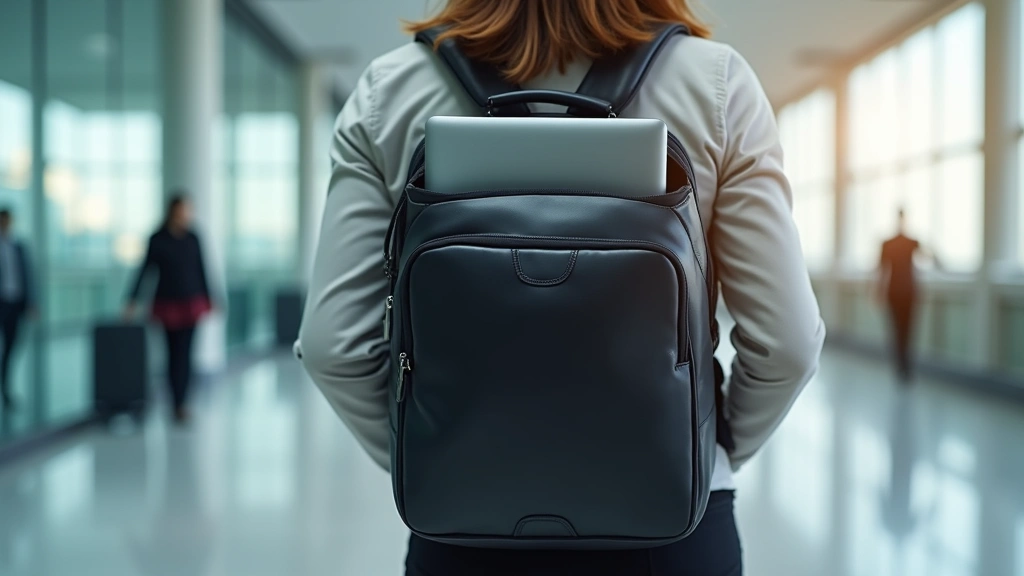
Traveling with expensive gadgets demands more than just a regular backpack. The best tech travel backpack combines durability, organization, and smart design to protect your devices while keeping them accessible. Whether you’re a digital nomad, business traveler, or adventure enthusiast, finding the right backpack can make the difference between a smooth journey and a stressful one. Modern travel backpacks have evolved significantly, featuring anti-theft designs, weather resistance, charging capabilities, and compartments specifically engineered for laptops, tablets, and cameras.
In this comprehensive guide, we’ll explore the top-performing tech travel backpacks on the market, breaking down their features, specifications, and real-world performance. We’ve tested dozens of models, compared materials, and analyzed user feedback to identify which backpacks truly deliver value for tech-savvy travelers. Our recommendations span various price points and use cases, ensuring you’ll find the perfect option regardless of your travel style or budget.
What Makes a Great Tech Travel Backpack
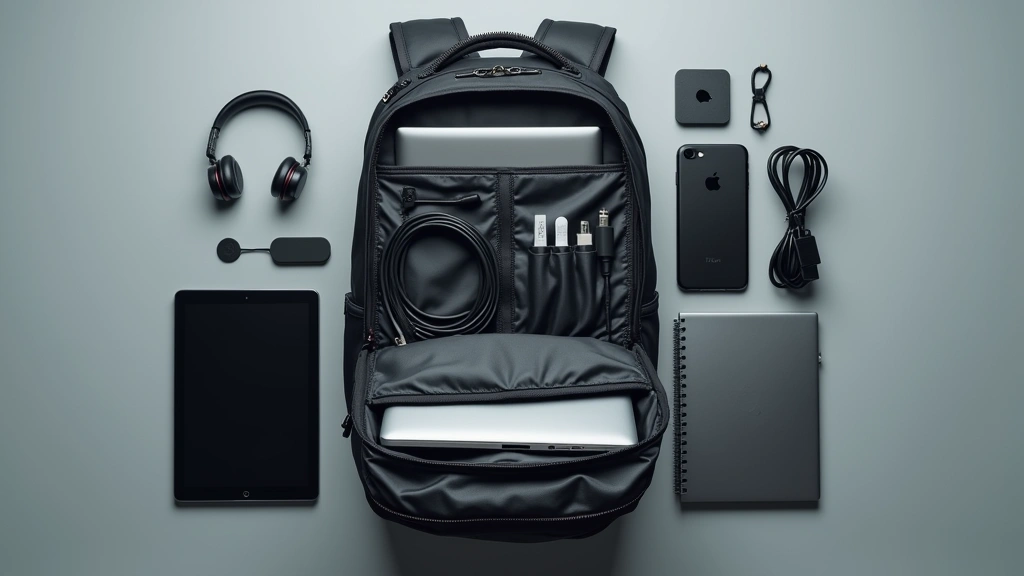
A quality tech travel backpack isn’t just about having pockets for your devices. The best models incorporate thoughtful engineering that addresses the specific needs of modern travelers. First, consider the primary device you’ll be carrying. Most quality tech backpacks feature dedicated laptop compartments with padding that meets or exceeds industry standards for device protection. Look for backpacks that support laptops up to 17 inches, even if you carry a smaller device, as this indicates more internal space and organizational flexibility.
The material composition significantly impacts longevity and protection. Premium backpacks typically use ballistic nylon, polyester blends, or specialized fabrics that offer water resistance without adding excessive weight. Weight distribution matters tremendously when you’re carrying valuable electronics. Quality tech backpacks feature ergonomic designs with padded shoulder straps, adjustable chest straps, and lumbar support systems that distribute weight evenly across your back. This prevents strain during extended wear, particularly important when traveling through airports or exploring cities on foot.
Accessibility is another critical factor. The best travel backpacks for tech include multiple access points rather than forcing you to unpack everything to reach your laptop or camera. Side-zip compartments, front pockets, and top-loading designs all contribute to convenient access. Additionally, consider the TSA-friendly designs that allow security screening without removing your laptop, saving time at airport checkpoints.
Top Picks for Premium Tech Travel Backpacks
The premium segment of tech backpacks features models from established brands that have invested heavily in research and development. The Peak Design Travel Backpack represents the gold standard for many professionals, featuring a weather-resistant shell, expandable capacity from 30 to 45 liters, and a comprehensive organization system. Its side-access design allows you to reach your camera or laptop without opening the main compartment, a feature that traveling photographers particularly appreciate.
The Nomatic Travel Backpack combines minimalist aesthetics with functional design, offering a 40-liter capacity with modular organization. Its waterproof materials and weather-resistant zippers provide excellent protection for electronics in challenging environments. The brand’s attention to detail extends to features like a dedicated sunglasses pocket with protective padding and a laptop compartment that fits devices up to 16 inches.
Osprey’s Tropos pack deserves consideration for business travelers who need versatility. It transitions seamlessly from carry-on luggage to everyday backpack, featuring a clamshell opening that simplifies packing and unpacking. The dedicated tech organization pocket includes cable management, and the entire pack compresses when not fully loaded, maintaining a professional appearance in corporate environments.
For photography enthusiasts, the Lowepro Whistler series offers specialized camera organization without sacrificing general travel functionality. These backpacks feature modular dividers that accommodate multiple lenses, bodies, and accessories while maintaining room for personal items and electronics.
Mid-Range Options Worth Considering
The mid-range category offers exceptional value, with many models providing 80-90% of premium features at significantly lower price points. The Targus Citysmart backpack combines professional styling with practical tech features, including a 15.6-inch laptop compartment and organizational pockets for cables, chargers, and accessories. Its water-resistant materials and reinforced corners provide solid protection without premium pricing.
The Tech Pulse Hunter blog frequently covers emerging brands that deliver impressive performance in this segment. The Samsonite Infinipak represents excellent value for business travelers, featuring a clamshell design, TSA-friendly laptop compartment, and multiple organizational pockets. Its durable exterior withstands rough handling during travel, while the interior padding protects your devices adequately.
The Everki Titan represents another solid mid-range choice, particularly for those prioritizing capacity. This backpack accommodates laptops up to 18.4 inches, making it suitable for professionals who carry larger workstations. Its checkpoint-friendly design and weather-resistant exterior make it practical for frequent travelers.
Budget-Friendly Tech Backpacks
Budget options don’t necessarily mean compromising on essential features. The AmazonBasics laptop backpack delivers surprising functionality for under $40, including a 17-inch laptop compartment, multiple organizational pockets, and water-resistant exterior. While lacking some premium features, it adequately protects devices for casual travelers.
The Mosslian laptop backpack offers USB charging ports (though you’ll need to provide your own power bank), water-resistant materials, and a 15.6-inch laptop compartment. It’s particularly suitable for students and budget-conscious commuters who need basic tech protection without premium features.
The Dell Backpack represents manufacturer value, designed specifically to accommodate Dell laptops and complementary devices. Its straightforward design includes essential compartments without unnecessary features, appealing to those seeking functional simplicity.
Key Features to Compare
When evaluating different models, several specifications warrant detailed comparison. Laptop compartment dimensions should accommodate your largest device with minimal excess space. Oversized compartments fail to protect devices during movement, while undersized compartments won’t fit your hardware. Most quality backpacks clearly specify maximum supported laptop sizes.
The overall capacity measurement in liters indicates how much total volume the backpack holds. For travel backpacks, 25-45 liters typically suits most needs. Smaller capacities work for day trips and short commutes, while larger capacities accommodate extended travel and additional gear. Some backpacks feature expandable designs that increase capacity when needed.
Weight distribution significantly impacts comfort during extended use. Check reviews from verified purchasers regarding how the backpack feels when fully loaded. Quality products feature padded shoulder straps at least 1.5 inches wide, reducing strain on your shoulders. Hip belts and chest straps help transfer weight to your torso, preventing shoulder fatigue.
Material weight matters more than people realize. A backpack made from excessively heavy material reduces your available capacity for actual gear. Premium backpacks balance protection with weight efficiency, typically ranging from 2-3.5 pounds when empty.
Organization and Compartment Systems
The internal organization directly affects your ability to protect and access devices efficiently. The best backpacks for tech travel feature multiple dedicated compartments rather than generic pockets. Look for models with:
- Padded laptop sleeves with at least half-inch cushioning on all sides
- Tablet compartments separate from laptop sections to prevent device-to-device contact
- Cable management systems with designated slots for charging cables and adapters
- Accessory pockets with elasticated dividers for organizing small items
- Water bottle holders positioned outside the main compartment to prevent accidental spills
- Quick-access pockets for frequently used items like phones or boarding passes
The Peak Design Travel Backpack exemplifies excellent organization, featuring a comprehensive system that accommodates various device sizes and configurations. Its Capture Clip allows mounting action cameras or smartphone stabilizers, adding versatility beyond typical backpack functionality.
Consider whether you prefer traditional zippered compartments or modern innovations like magnetic closures or modular pocket systems. Some travelers prefer the security of zippered designs, while others appreciate the speed and convenience of alternative closure systems.
Durability and Materials
The materials your backpack uses determine how well it protects your devices over months or years of use. Ballistic nylon represents the gold standard for protective materials, originally developed for military applications. It’s exceptionally abrasion-resistant and durable, though it adds weight compared to lighter synthetic alternatives.
High-denier polyester offers a balanced approach, providing solid durability at lighter weights. Look for materials rated 600D or higher for adequate protection. Materials below 500D tend to show wear more quickly and offer less protection against punctures.
Water resistance differs from waterproofing. Truly waterproof materials prevent water penetration entirely, while water-resistant materials slow water absorption. Most quality travel backpacks feature water-resistant coatings on their exterior. For maximum protection, seek models with sealed seams and waterproof zippers.
The construction quality matters as much as material selection. Double stitching at stress points—particularly where straps attach to the main body—ensures longevity. Backpacks with single stitching may fail when fully loaded, while double or triple stitching distributes stress across multiple threads.
Check reviews from long-term users regarding how the backpack holds up after 1-2 years of regular use. Look for feedback about zipper durability, strap integrity, and whether materials show premature wear.
Security Features for Travelers
Traveling with expensive electronics introduces security concerns beyond device protection. Modern tech travel backpacks incorporate anti-theft features that address these legitimate worries. Hidden pockets positioned on the back of the backpack, against your body, provide secure storage for valuables like passports, credit cards, and backup devices. These pockets remain invisible when wearing the backpack, preventing opportunistic theft.
Cut-resistant materials in the backpack’s outer shell and straps resist knife attacks, a consideration for travel in crowded urban environments. While unfortunate, this feature appears in increasingly sophisticated travel backpacks.
RFID-blocking technology prevents unauthorized scanning of RFID-enabled credit cards and passports. This feature adds minimal cost but provides psychological security and genuine protection in high-risk environments.
Lockable zippers allow you to secure compartments with small padlocks, deterring casual theft when your backpack is unattended. Some premium models include integrated cable locks that thread through zipper pulls.
The latest tech innovations include backpacks with GPS tracking and smart locking systems, though these represent cutting-edge features rather than standard offerings.
Charging Capability and Power Solutions
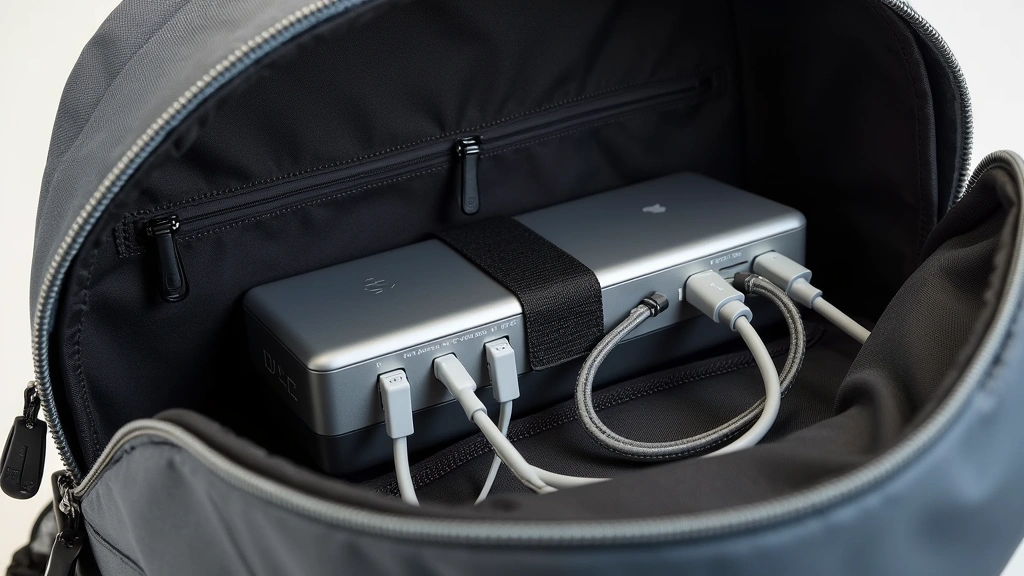
Modern travelers increasingly expect charging capability integrated into their backpacks. USB charging ports built into backpacks provide convenient access to external power banks, allowing you to charge devices without removing the backpack. However, quality matters significantly here. Look for backpacks with:
- High-capacity internal power banks (10,000-20,000 mAh) rather than simple pass-through ports
- Multiple USB ports (both USB-A and USB-C) for charging different device types simultaneously
- Integrated cable management that routes cables internally, keeping them organized and protected
- Fast-charging capability that supports Quick Charge or Power Delivery standards
The CNET reviews frequently evaluate charging performance in tech backpacks, providing detailed testing of power delivery speeds and reliability. Some premium models feature solar-powered charging panels for extended off-grid travel, though these add weight and complexity.
Consider whether you prefer integrated charging solutions or external power banks that you provide separately. Integrated systems offer convenience but potentially limit upgrading to newer power bank technology. External power banks provide flexibility and allow you to choose capacity and charging speeds independently.
The Voltaic Systems OffGrid line represents the premium end of charging-integrated backpacks, featuring high-capacity batteries and sophisticated management systems. For budget-conscious travelers, adding your own power bank to a standard backpack often makes more sense than paying premium prices for integrated solutions.
When researching charging capabilities, check whether the backpack charges your devices efficiently. Some models with charging ports deliver power too slowly to be practical, particularly for fast-charging-capable devices. Look for backpacks that support at least 18W power delivery for optimal charging speeds.
The manufacturer specifications should clearly indicate charging capabilities, including supported voltage, amperage, and compatible device types. Don’t rely solely on marketing claims; verify actual performance through independent reviews and user feedback.
FAQ
What’s the ideal laptop compartment size for a tech travel backpack?
Most professionals benefit from compartments supporting 15.6-inch laptops, the current standard for portable workstations. However, if you carry a larger device, choose a backpack rated for your specific laptop size plus a quarter-inch of clearance on all sides. Oversized compartments waste space, while undersized compartments stress your device and zippers.
How much weight can a quality tech backpack safely carry?
Quality backpacks with proper ergonomic design safely carry 25-35 pounds when fully loaded. Exceeding this range strains shoulder straps and can cause back injury during extended wear. Distribute weight evenly, keeping heavier items closer to your back and centered vertically.
Are expensive tech backpacks worth the investment?
Premium backpacks justify their cost through superior materials, better organization, and longer lifespan. If you travel frequently or carry expensive devices, investing $150-300 in a quality backpack provides better protection and convenience than budget alternatives. For occasional travelers, mid-range options often provide excellent value.
What’s the difference between water-resistant and waterproof?
Water-resistant materials slow water absorption but won’t prevent complete water penetration during extended submersion. Waterproof materials prevent water entry entirely. Most travel backpacks offer water-resistant coatings, which work well for rain and splashes but won’t protect devices if the backpack is submerged.
Can I bring a tech backpack as carry-on luggage?
Most tech backpacks fit within standard carry-on dimensions (22 x 14 x 9 inches), though some larger models may be borderline. Check your airline’s specific requirements, as different carriers enforce slightly different limits. Backpacks are generally preferred to rigid luggage for carry-on travel due to their compressibility.
Which features matter most for digital nomads?
Digital nomads prioritize lightweight construction, weather resistance, multiple organizational compartments, and ergonomic design for extended daily wear. Charging capability and anti-theft features also rank highly for those working in unfamiliar environments. The technology trends increasingly favor backpacks with smart features and integrated power solutions for this demographic.
How do I maintain my tech backpack for longevity?
Clean your backpack regularly with mild soap and water, avoiding harsh chemicals that damage materials. Store it in a cool, dry location away from direct sunlight, which degrades synthetic materials over time. Check zippers periodically and apply zipper lubricant if they become stiff. Inspect stitching and straps annually for wear, addressing issues before they become serious.


