Biomed Equipment Tech Jobs: Career Insights for Medical Device Professionals
The biomedical equipment technology sector represents one of the fastest-growing career paths in healthcare and technology. As medical facilities worldwide invest heavily in advanced diagnostic and treatment systems, the demand for skilled biomedical equipment technicians continues to surge. These professionals form the backbone of modern healthcare infrastructure, ensuring that critical medical devices function optimally and safely. Whether you’re considering entering this field or advancing your existing career, understanding the landscape of biomed equipment tech jobs is essential for making informed decisions about your professional future.
Biomedical equipment technologists occupy a unique intersection between healthcare and technology, requiring both clinical knowledge and technical expertise. From maintaining MRI machines and ventilators to troubleshooting surgical robots and diagnostic equipment, these professionals directly impact patient safety and hospital efficiency. The role has evolved significantly with technological advancement, now encompassing software diagnostics, network integration, and predictive maintenance systems. This comprehensive guide explores the current state of biomed equipment tech jobs, salary expectations, required certifications, and career advancement opportunities.
Understanding Biomedical Equipment Technology Careers
Biomedical equipment technicians, also known as biomedical equipment specialists or clinical engineers, maintain and repair medical devices used in hospitals, clinics, research facilities, and diagnostic centers. These professionals diagnose equipment malfunctions, perform preventive maintenance, troubleshoot complex systems, and ensure compliance with regulatory standards. The role demands a blend of electrical engineering knowledge, mechanical aptitude, problem-solving abilities, and customer service skills.
The scope of biomed equipment tech jobs extends far beyond simple repairs. Modern biomedical technicians work with sophisticated equipment including CT scanners, ultrasound machines, patient monitoring systems, dialysis machines, laboratory analyzers, and implantable device programmers. They collaborate with clinical staff, hospital administrators, and manufacturers to optimize equipment performance and minimize downtime. Many positions now include remote monitoring capabilities, allowing technicians to diagnose issues before equipment fails completely. This preventive approach has transformed the role into a more strategic, technology-focused position within healthcare organizations.
Understanding the various employment settings is crucial for career planning. Biomedical technicians work in diverse environments including large hospital systems, small clinics, independent service organizations, manufacturer technical support centers, medical device companies, and consulting firms. Each setting offers different challenges, learning opportunities, and career trajectories. Hospital-based positions typically offer stable employment with comprehensive benefits, while manufacturer roles often provide higher salaries and exposure to cutting-edge technology development. Consulting positions demand extensive travel but offer diverse project experience and broader industry exposure. Explore Tech Pulse Hunter Blog for additional insights into technology career trends.
Essential Skills and Technical Requirements
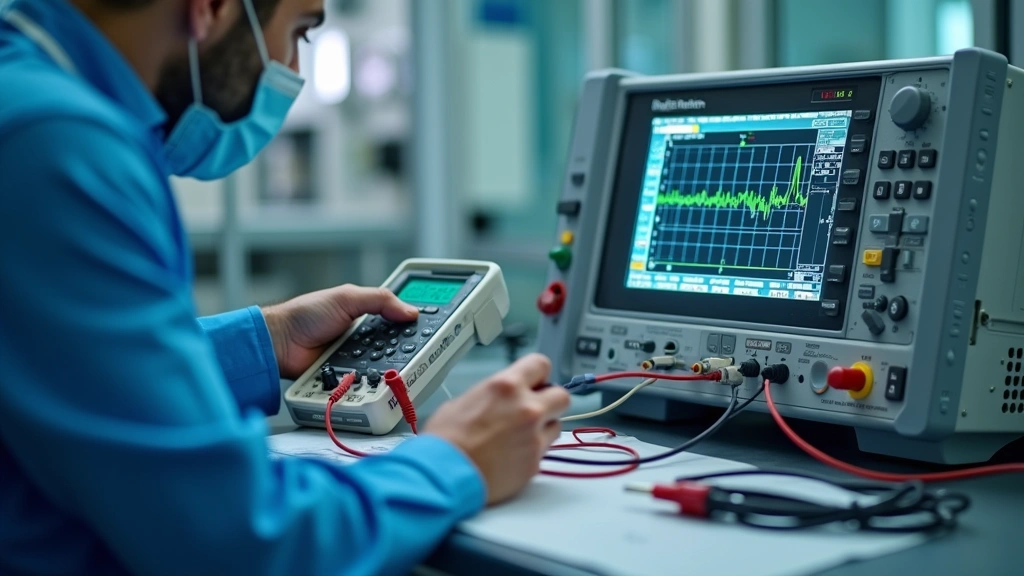
Successful biomedical equipment technicians possess a comprehensive skill set combining technical knowledge with soft skills. Technical proficiencies include proficiency with multimeters, oscilloscopes, and specialized diagnostic equipment; understanding of electrical circuits, digital systems, and microprocessor technology; knowledge of medical device software and networking protocols; ability to read and interpret technical schematics and service manuals; and familiarity with various communication standards including HL7 and DICOM protocols.
Beyond technical competencies, the role requires strong problem-solving abilities and systematic troubleshooting approaches. Technicians must logically isolate issues, identify root causes, and implement effective solutions under time pressure. Communication skills are equally critical, as technicians interact with clinical staff, patients, and manufacturers. Documentation skills matter significantly—technicians maintain detailed service records, maintenance logs, and compliance reports that impact patient safety and regulatory audits. Time management and organizational abilities help technicians juggle multiple service calls, preventive maintenance schedules, and emergency repairs.
Safety consciousness represents a non-negotiable requirement in this field. Biomedical technicians work with high-voltage equipment, biohazardous materials, and systems directly connected to patient care. Understanding electrical safety, infection control protocols, and equipment-specific hazards is paramount. Additionally, technicians must stay current with regulatory requirements including FDA regulations, Joint Commission standards, and state licensing requirements. Many employers value certifications from emerging technology applications that enhance predictive maintenance capabilities.
Educational Pathways and Certifications
Most biomed equipment tech jobs require at minimum a high school diploma or GED, but employers increasingly prefer some form of postsecondary education. Two-year associate degree programs in biomedical equipment technology are offered by community colleges and technical institutes nationwide. These programs typically cover electronics fundamentals, medical device physics, equipment-specific training, safety protocols, and healthcare systems basics. Some institutions offer four-year bachelor’s degrees in biomedical engineering or clinical engineering, which open doors to more advanced positions and leadership roles.
Professional certifications significantly enhance career prospects and earning potential. The Certified Biomedical Equipment Technician (CBET) credential, offered by the Association for the Advancement of Medical Instrumentation (AAMI), represents the gold standard in the industry. CBET certification requires passing a comprehensive examination covering biomedical equipment technology fundamentals, specific equipment categories, and regulatory knowledge. Candidates typically need 3-5 years of hands-on experience or equivalent education and training. The CBET credential demonstrates competency and commitment to the profession, often resulting in higher salaries and better job opportunities.
Specialized certifications address specific equipment categories and technologies. Technicians can pursue credentials in areas including ultrasound equipment, cardiac monitoring systems, laboratory analyzers, surgical equipment, and imaging modalities. Many manufacturers offer proprietary training programs for their specific equipment lines, providing valuable expertise that commands premium compensation. Advanced certifications in clinical engineering, healthcare technology management, and systems integration prepare technicians for supervisory and managerial positions. Continuing education is essential, as medical technology evolves rapidly and regulatory requirements change frequently. Many professional organizations require ongoing education for credential maintenance, ensuring technicians remain current with industry standards.
Salary and Compensation Overview
Compensation for biomed equipment tech jobs varies significantly based on experience, certifications, geographic location, and employment setting. According to the U.S. Bureau of Labor Statistics, biomedical equipment technicians earn median annual salaries around $50,000-$55,000, with experienced professionals and those in specialized roles earning substantially more. Entry-level technicians with high school diplomas typically start around $30,000-$35,000 annually, while those with associate degrees begin closer to $38,000-$42,000.
Certified professionals command higher compensation, with CBET-credentialed technicians earning 15-25% more than non-certified peers. Experienced technicians with 10+ years in the field and leadership responsibilities often earn $70,000-$90,000 or more. Geographic variations are substantial—technicians in major metropolitan areas and states with higher costs of living typically earn 20-30% more than those in rural areas. California, Massachusetts, New York, and Texas consistently offer the highest compensation packages for biomedical technicians.
Employment setting significantly impacts earning potential. Manufacturer technical support positions often provide the highest salaries, typically $60,000-$85,000, along with benefits including stock options and performance bonuses. Large hospital systems in urban areas offer competitive salaries around $50,000-$65,000 with comprehensive benefits. Independent service organizations may offer variable compensation including base salary plus commission structures. Additional compensation factors include shift differentials for evening and weekend work, overtime pay, travel allowances, and continuing education reimbursement. Many employers offer excellent benefits packages including health insurance, retirement plans, paid time off, and professional development funding. Check Best Tech Stocks to understand publicly-traded medical device companies offering employment opportunities.
Job Market Trends and Growth Projections
The job market for biomedical equipment technicians shows robust growth prospects. The Bureau of Labor Statistics projects employment growth of 7-8% over the next decade, faster than the average for all occupations. This growth stems from several converging factors: aging population requiring more healthcare services, increasing medical technology sophistication, hospital modernization initiatives, and healthcare facility expansion. The COVID-19 pandemic accelerated adoption of remote monitoring and telemedicine technologies, creating new demand for technicians skilled in networked medical devices.
Emerging technologies are reshaping the field and creating specialized opportunities. Artificial intelligence integration into diagnostic equipment requires technicians with software troubleshooting capabilities. IoT-enabled medical devices demand expertise in network security and data management. Robotic surgical systems require specialized training and certification. Portable diagnostic devices and point-of-care testing equipment create service needs in non-traditional healthcare settings. Technicians who develop expertise in these emerging areas position themselves for premium compensation and abundant opportunities. The field is also seeing increased demand for remote technical support roles, expanding employment possibilities beyond geographic constraints of specific healthcare facilities.
Competitive pressures within the healthcare industry are also driving demand. As hospitals face budget constraints and seek to maximize equipment uptime, they increasingly invest in preventive maintenance programs and predictive maintenance systems. This shift creates opportunities for technicians skilled in data analysis, trend identification, and equipment optimization. The growth of specialized medical centers, urgent care facilities, and outpatient diagnostic centers expands employment opportunities beyond traditional hospital settings. Additionally, aging equipment in many healthcare facilities requires experienced technicians for ongoing support and eventual replacement. Reviewing technology innovations in various sectors provides perspective on how technological advancement drives career opportunities.
Specializations Within Biomed Equipment Tech
The biomedical equipment field encompasses numerous specializations, each offering distinct career paths and compensation structures. Imaging equipment specialists focus on MRI, CT, X-ray, ultrasound, and PET imaging systems. These positions require deep understanding of physics, electronics, and software systems. Imaging specialists often earn premium salaries due to equipment complexity and critical clinical importance. Cardiac and monitoring equipment technicians maintain ECG machines, patient monitors, defibrillators, and related systems. These specialists work closely with cardiology departments and often respond to emergency situations.
Laboratory equipment specialists maintain analyzers, blood gas machines, chemistry analyzers, and other diagnostic instruments. These technicians require knowledge of biochemistry, quality control protocols, and regulatory compliance. Surgical equipment technicians focus on operating room equipment including surgical lights, electrosurgical units, anesthesia machines, and surgical robots. These positions demand exceptional attention to detail and understanding of surgical workflows. Dialysis equipment specialists maintain hemodialysis and peritoneal dialysis systems, serving critical roles in nephrology departments. These technicians require understanding of fluid dynamics, sterilization protocols, and patient safety considerations.
Emerging specializations include biomedical software technicians who troubleshoot medical device software, perform cybersecurity assessments, and manage equipment network integration. These roles command premium compensation due to specialized skill requirements. Clinical engineer roles focus on technology evaluation, equipment selection, workflow optimization, and innovation projects. These positions typically require bachelor’s degrees and offer significant advancement potential. Telemedicine and remote monitoring specialists support growing telehealth platforms and remote patient monitoring systems. These relatively new specializations offer flexible work arrangements and exposure to cutting-edge technology. Each specialization offers distinct advantages—choose based on personal interests, aptitude, and long-term career goals.
Career Advancement and Leadership Opportunities
Biomedical equipment technicians have multiple pathways for career advancement and increased responsibility. Senior technician positions typically require 5-10 years of experience, advanced certifications, and demonstrated leadership abilities. Senior technicians mentor junior staff, lead complex troubleshooting initiatives, and may oversee specific equipment categories or departments. Compensation for senior positions typically ranges from $65,000-$75,000 annually.
Supervisory and management roles represent the next advancement level. Biomedical supervisors oversee technician teams, manage equipment inventories, coordinate preventive maintenance schedules, and interface with hospital administration. These positions require strong leadership, communication, and organizational skills. Management roles typically require bachelor’s degrees and offer annual salaries of $75,000-$95,000. Director-level positions in biomedical departments oversee entire technology operations, manage budgets exceeding millions of dollars, and participate in strategic planning. These roles typically require master’s degrees or MBA credentials and offer compensation exceeding $100,000 annually.
Specialized career paths offer alternatives to traditional management. Clinical engineering roles focus on technology evaluation, equipment selection, workflow optimization, and innovation projects. Sales engineer positions with medical device manufacturers leverage technical expertise to support customer relationships and product demonstrations. Training and education roles in manufacturer technical training departments or educational institutions utilize expertise to develop training programs and certifications. Consulting positions with healthcare consulting firms help organizations optimize technology strategies and implement new systems. Each pathway offers unique advantages and appeals to different professional interests and lifestyle preferences.
Continuous professional development enhances advancement prospects. Pursuing advanced certifications, completing bachelor’s or master’s degrees, developing expertise in emerging technologies, and building strong professional networks all contribute to career progression. Many employers support educational pursuits through tuition reimbursement programs and paid time off for studying. Industry conferences, professional associations, and online learning platforms provide abundant opportunities for skill development and networking. Building a reputation as a trusted, innovative problem-solver accelerates advancement and opens doors to leadership opportunities. Explore Big Tech Acquisitions July 2025 to understand industry consolidation trends affecting biomedical equipment companies and career opportunities.
Work Environment and Day-to-Day Responsibilities
The work environment for biomedical equipment technicians varies significantly based on employment setting and specialization. Hospital-based technicians typically work in clinical settings, maintenance shops, and equipment storage areas. They respond to equipment failures, perform preventive maintenance during scheduled downtime, and collaborate with clinical staff to ensure optimal equipment functionality. Hospital positions often involve on-call responsibilities, requiring technicians to respond to emergencies outside standard business hours. Shift work is common, with many facilities requiring 24/7 coverage for critical equipment support.
Manufacturer technical support roles often involve office-based work supporting customers remotely, with occasional travel to customer sites for complex installations or troubleshooting. These positions typically offer more predictable schedules and fewer emergency calls. Consulting and independent service organization roles combine office work with extensive customer site visits. These positions offer variety and exposure to diverse equipment and healthcare settings but require significant travel commitment.
Day-to-day responsibilities include diagnosing equipment malfunctions through systematic troubleshooting, performing preventive maintenance according to manufacturer specifications and regulatory requirements, replacing worn components and performing repairs, updating service records and documentation, communicating with clinical staff regarding equipment status, ordering parts and managing inventory, and ensuring compliance with safety and regulatory standards. Many technicians spend 30-50% of their time in the field at equipment locations and 30-50% in maintenance shops or offices performing repairs and administrative tasks.
The role can be physically demanding, requiring standing for extended periods, lifting heavy equipment components, working in confined spaces, and maintaining focus during complex troubleshooting sessions. Mental demands include staying current with rapidly evolving technology, managing multiple priorities simultaneously, and maintaining composure when addressing equipment failures affecting patient care. The work provides significant job satisfaction for those who enjoy problem-solving, technical challenges, and knowing their work directly impacts patient safety and healthcare delivery. The field offers good work-life balance compared to clinical healthcare positions, with most technicians working standard business hours supplemented by on-call coverage rather than shift work.
FAQ
What qualifications do I need to start a biomed equipment tech job?
Most positions require a high school diploma or GED. Employers increasingly prefer some postsecondary education—an associate degree in biomedical equipment technology is highly valued. The CBET (Certified Biomedical Equipment Technician) credential significantly enhances employment prospects and earning potential, though it typically requires 3-5 years of experience to qualify for the examination.
How much can I earn as a biomedical equipment technician?
Entry-level technicians earn approximately $30,000-$42,000 annually, while experienced technicians with CBET certification earn $50,000-$75,000. Senior technicians and supervisors can earn $75,000-$95,000, with director-level positions exceeding $100,000. Geographic location, specialization, and employer type significantly impact compensation.
Is there job security in biomedical equipment tech careers?
Yes, the field offers excellent job security. The Bureau of Labor Statistics projects 7-8% employment growth over the next decade, faster than average. Aging population, increasing healthcare technology complexity, and hospital modernization initiatives ensure sustained demand for qualified technicians.
What are the best specializations within biomedical equipment technology?
High-demand specializations include imaging equipment (MRI, CT, ultrasound), cardiac monitoring systems, laboratory equipment, surgical equipment, and emerging areas like biomedical software and remote monitoring systems. Choose based on personal interests—imaging and software specializations typically command premium compensation.
Can I advance into management without a bachelor’s degree?
While possible, advancement to supervisory and management positions is increasingly competitive without at least an associate degree, with bachelor’s degrees becoming the standard for director-level roles. Many employers support educational pursuits through tuition reimbursement programs, making degree completion achievable while working.
What’s the difference between biomedical equipment technician and clinical engineer roles?
Biomedical equipment technicians focus on equipment maintenance, repair, and troubleshooting. Clinical engineers take broader strategic roles including technology evaluation, equipment selection, workflow optimization, and innovation projects. Clinical engineer positions typically require bachelor’s degrees and offer higher compensation and advancement potential.
How do I stay current with rapidly evolving medical technology?
Pursue continuing education through professional organizations like AAMI, attend industry conferences, complete manufacturer-specific training programs, develop expertise in emerging technologies (AI, IoT, cybersecurity), and pursue advanced certifications. Many employers support professional development through tuition reimbursement and paid time off for education.
What’s the job outlook for biomedical equipment technicians?
The outlook is excellent. Growing healthcare technology adoption, aging population requiring more healthcare services, hospital modernization, and emerging specializations in software and remote monitoring create abundant opportunities. Geographic flexibility and multiple specialization options provide diverse career paths.
For comprehensive information about medical device technology and industry trends, visit The Verge Technology Section. For detailed equipment specifications and technical reviews, check CNET Health and Medical Technology. The Association for the Advancement of Medical Instrumentation provides certification information and professional resources. For career statistics and job market data, consult the Bureau of Labor Statistics Medical Equipment Repairers Occupational Handbook.


