
Biomedical Equipment Tech Salary: What to Expect in 2024?
The biomedical technology sector has emerged as one of the most dynamic and rewarding career paths in the healthcare industry. As medical facilities worldwide invest heavily in advanced diagnostic and therapeutic equipment, the demand for skilled biomedical equipment technicians continues to surge. If you’re considering a career in this field or looking to understand compensation trends, 2024 presents a compelling opportunity to explore what biomedical equipment tech salaries truly look like across different regions, experience levels, and specializations.
Biomedical equipment technicians play a critical role in maintaining, repairing, and installing sophisticated medical devices that healthcare providers depend on daily. From MRI machines to ventilators, dialysis equipment to surgical robots, these professionals ensure that life-saving technology functions flawlessly. This responsibility, combined with the technical expertise required, translates into competitive compensation packages that reflect the importance of their work in the healthcare ecosystem.
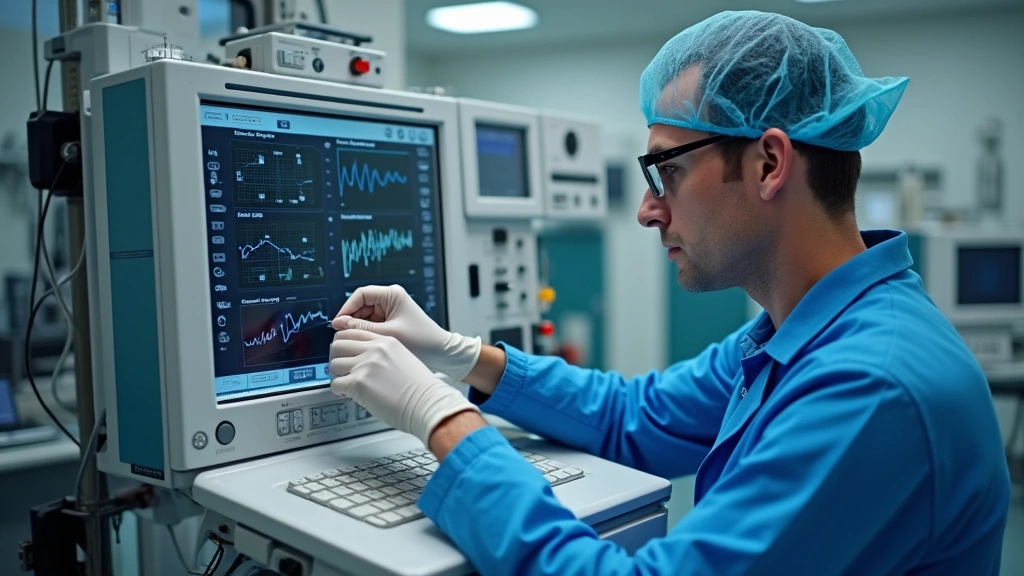
Average Salary Overview for 2024
According to recent labor statistics and industry reports, the average salary for biomedical equipment technicians in 2024 ranges from $55,000 to $75,000 annually in the United States. However, this figure varies significantly based on numerous factors including location, employer type, experience, and specialized certifications. Entry-level positions typically start around $45,000 to $55,000, while experienced technicians with advanced certifications can earn $85,000 to $120,000 or more, particularly in specialized roles or management positions.
The Bureau of Labor Statistics projects steady growth in this field, with employment expected to increase by 6% through 2032, which is faster than the average for all occupations. This growth directly correlates with rising healthcare expenditures and the increasing complexity of medical equipment in clinical settings. The shortage of skilled technicians in many regions has also created upward pressure on wages, making this an attractive career option for those with the right qualifications.
When exploring best tech stocks related to medical device manufacturers, understanding the biomedical equipment tech market becomes essential for investors. Companies that manufacture and service medical equipment directly benefit from the growing demand for skilled technicians, which influences their operational costs and profitability projections.
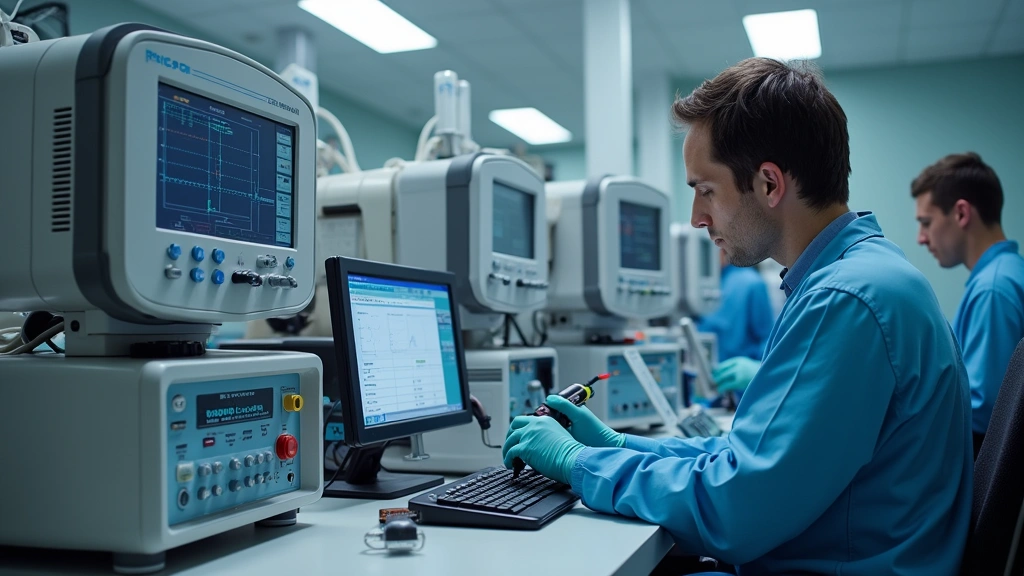
Salary Breakdown by Experience Level
Understanding how experience impacts earning potential is crucial for career planning in the biomedical equipment technology field. The salary trajectory typically follows a predictable pattern that rewards both tenure and skill development.
Entry-Level Technicians (0-2 years): Fresh graduates or those new to the field typically earn between $45,000 and $55,000 annually. These positions often require an associate degree or certification from an accredited biomedical equipment technology program. Entry-level technicians typically work under supervision, assisting senior technicians with equipment maintenance, troubleshooting, and repair tasks.
Mid-Level Technicians (3-7 years): With a few years of hands-on experience, technicians can expect salaries ranging from $60,000 to $80,000 per year. At this stage, professionals have developed strong diagnostic skills and can work more independently on complex repairs. Many mid-level technicians pursue additional certifications in specialized equipment categories, which further increases their market value.
Senior Technicians (8+ years): Experienced biomedical equipment technicians with over eight years in the field command salaries between $75,000 and $100,000 annually. Senior technicians often take on mentoring responsibilities, handle the most complex equipment repairs, and may specialize in specific medical device categories. Some transition into supervisory or management roles, which can push compensation even higher.
Specialists and Managers: Technicians who specialize in high-end equipment like cutting-edge diagnostic imaging systems or who advance to management positions can earn $90,000 to $130,000 or more. These roles require extensive experience, advanced certifications, and often involve training staff, managing budgets, and overseeing equipment procurement.
Geographic Variations and Regional Differences
Location significantly influences biomedical equipment technician salaries. Major metropolitan areas and states with high concentrations of medical facilities typically offer higher compensation to attract skilled talent.
Top-Paying States (2024): California, Massachusetts, New York, Connecticut, and Maryland consistently offer the highest salaries for biomedical equipment technicians, with average compensation ranging from $72,000 to $95,000. These states have large medical centers, research institutions, and high costs of living that drive salary increases. California alone, with its concentration of world-class medical facilities and research centers, offers some of the most competitive compensation packages in the nation.
Mid-Range Compensation States: States like Texas, Florida, Illinois, and Pennsylvania offer moderate salaries ranging from $58,000 to $72,000. These states have significant healthcare infrastructure and growing demand for biomedical technicians, though lower costs of living compared to coastal states moderate salary levels.
Lower-Compensation Regions: Rural states and regions with fewer medical facilities typically offer salaries between $48,000 and $62,000. However, these areas often have lower costs of living, and some rural hospitals offer loan forgiveness programs or housing incentives to attract qualified technicians.
Understanding regional salary variations helps professionals make informed decisions about relocation and career planning. The Indeed salary database provides detailed geographic comparisons that can guide job search strategies.
Industry Sectors and Specialization Impact
The sector where a biomedical equipment technician works substantially impacts compensation. Different healthcare settings and equipment specializations offer varying salary levels.
Hospital Settings: Technicians working in large hospital systems typically earn between $58,000 and $85,000 annually. Hospitals employ the most biomedical technicians and often provide comprehensive benefits, stable employment, and opportunities for specialization in specific equipment categories like cardiology devices, surgical equipment, or imaging systems.
Manufacturer Service Centers: Technicians employed directly by medical equipment manufacturers often earn higher salaries, ranging from $65,000 to $95,000, due to the specialized nature of their work and the company’s profit margins. These positions frequently include travel requirements and may involve training customers on new equipment.
Clinical Engineering Departments: Large medical centers with dedicated clinical engineering teams offer competitive salaries from $62,000 to $90,000. These positions often require advanced certifications and offer opportunities to work with the latest medical technology innovations.
Government and Military Healthcare: Veterans Affairs facilities and military medical centers typically offer salaries between $55,000 and $80,000, along with excellent benefits, job security, and pension plans that significantly enhance total compensation packages.
Specialized Equipment Technicians: Professionals who specialize in high-value equipment such as robotic surgical systems, advanced imaging devices, or dialysis equipment can command premium salaries of $75,000 to $120,000, reflecting the critical importance of their expertise.
Certification and Education Benefits
Professional certifications dramatically impact earning potential in the biomedical equipment technology field. Employers consistently offer higher salaries to certified technicians, recognizing their demonstrated expertise and commitment to professional standards.
CBET Certification: The Certified Biomedical Equipment Technician (CBET) credential, offered by the Association for the Advancement of Medical Instrumentation (AAMI), is the most widely recognized certification in the field. CBET-certified technicians typically earn 10-15% more than non-certified peers. This certification requires passing a comprehensive exam covering biomedical equipment principles, safety standards, and troubleshooting methodologies.
CCET Certification: The Certified Clinical Engineering Technologist (CCET) certification is another valuable credential that can increase earning potential by 8-12%. This certification focuses on broader clinical engineering principles and is particularly valuable for technicians in hospital settings.
Manufacturer-Specific Certifications: Credentials from major equipment manufacturers like Philips, GE Healthcare, Siemens, and others provide specialized knowledge that commands premium compensation. Technicians certified on specific equipment lines often earn $5,000 to $15,000 more annually than non-specialized technicians.
Advanced Degrees: An associate degree in biomedical equipment technology or a related field is standard for entry-level positions and supports salary growth. Some technicians pursue bachelor’s degrees in clinical engineering or biomedical engineering, which can lead to supervisory positions and significantly higher compensation. Advanced education positions technicians for roles in management, quality assurance, and equipment design.
Career Growth and Advancement Opportunities
The biomedical equipment technology field offers clear pathways for career advancement and salary growth. Understanding these opportunities helps professionals plan long-term career strategies.
Supervisory Roles: Experienced technicians can advance to supervisor or lead technician positions, overseeing teams of 5-20 technicians. These roles typically pay $75,000 to $110,000 annually and require strong leadership skills alongside technical expertise. Supervisors manage schedules, training, quality control, and vendor relationships.
Clinical Engineering Manager: Senior technicians with management training can advance to clinical engineering manager positions, earning $85,000 to $130,000. These professionals oversee entire biomedical departments, manage equipment procurement and budgets, and serve as liaisons between clinical staff and equipment vendors.
Training and Development Specialist: Technicians with strong communication skills can transition into training roles, teaching other technicians about equipment maintenance and safety protocols. These positions typically pay $70,000 to $100,000 and offer excellent work-life balance.
Field Service Engineer: Manufacturer-based field service positions offer salaries of $75,000 to $120,000 and involve traveling to customer sites to install, troubleshoot, and maintain equipment. These roles combine technical expertise with customer service and sales elements.
Quality Assurance Specialist: Some technicians transition into quality assurance roles within manufacturers, ensuring equipment meets safety and performance standards. These positions typically pay $70,000 to $110,000 and involve less hands-on repair work but greater strategic responsibility.
Benefits and Compensation Beyond Base Salary
When evaluating total compensation packages, biomedical equipment technicians should consider benefits that substantially increase their overall earning value. These benefits often represent 20-30% of total compensation.
Health Insurance: Most employers offer comprehensive health insurance plans, including medical, dental, and vision coverage. Hospital employers typically provide more generous plans than smaller service centers, with many covering 80-90% of premiums for employees and their families.
Retirement Plans: Defined contribution plans (401k) with employer matching are standard, with many hospitals contributing 4-6% of salary. Some government and military positions offer defined benefit pensions, which provide lifetime income security worth significantly more than standard 401k plans.
Continuing Education Support: Many employers provide tuition reimbursement for certification programs and continuing education courses. This benefit can be worth $2,000 to $5,000 annually and supports career advancement.
Shift Differentials: Biomedical technicians working evening, night, or weekend shifts typically receive 10-20% pay premiums. In hospitals operating 24/7, shift differentials can add $5,000 to $15,000 annually to base salary.
On-Call Compensation: Many positions include on-call requirements with premium pay of $3-5 per hour during on-call periods, plus higher rates for actual emergency callouts. This can add $3,000 to $8,000 annually depending on call frequency.
Professional Development: Employers often cover conference attendance, certification exam fees, and professional membership dues. These benefits support career growth and typically represent $1,000 to $3,000 in annual value.
Future Outlook and Salary Trends
The biomedical equipment technology field is positioned for robust growth and salary increases over the next several years. Several factors support this positive outlook.
Healthcare Technology Growth: The healthcare industry continues investing heavily in medical technology. As covered in articles about technology and artificial intelligence transforming our future, AI-powered diagnostic equipment and smart medical devices are becoming increasingly common, creating demand for technicians who understand both traditional and emerging technologies.
Aging Population: Demographic trends show an aging population requiring more healthcare services and medical equipment. This demographic shift is expected to increase demand for biomedical technicians by 6-8% annually through 2032.
Equipment Complexity: Modern medical devices are increasingly sophisticated, incorporating AI, cloud connectivity, and advanced diagnostics. This complexity requires more highly trained technicians, supporting wage growth. Technicians who master these advanced systems command premium compensation.
Technician Shortage: Many regions face shortages of qualified biomedical technicians, creating upward pressure on wages. Employers are offering signing bonuses, relocation assistance, and student loan forgiveness to attract talent, effectively increasing total compensation packages.
Salary Projections: Industry analysts project that average biomedical equipment technician salaries will increase 3-5% annually through 2028, outpacing general inflation. Entry-level positions may reach $55,000-$65,000, while experienced technicians could earn $95,000-$140,000 in specialized roles.
The convergence of healthcare expansion, equipment sophistication, and technician shortages creates an exceptionally favorable employment market. Those considering careers in this field or exploring career advancement should recognize that timing is advantageous for salary negotiation and professional growth.
FAQ
What is the starting salary for a biomedical equipment technician in 2024?
Entry-level biomedical equipment technicians typically earn between $45,000 and $55,000 annually in 2024. Starting salaries vary by location, with major metropolitan areas offering higher compensation. An associate degree or relevant certification is standard for entry-level positions.
How much can I earn as an experienced biomedical equipment technician?
Experienced technicians with 8+ years of experience and advanced certifications can earn $85,000 to $120,000 annually. Specialists in high-value equipment categories or those in management positions may earn $120,000 or more. Compensation varies significantly by geographic location and employer type.
Does CBET certification increase salary?
Yes, CBET certification typically increases salary by 10-15% compared to non-certified technicians. The AAMI CBET certification is the most recognized credential in the field and is often required for advancement into supervisory or specialized roles.
Which states pay the most for biomedical equipment technicians?
California, Massachusetts, New York, Connecticut, and Maryland consistently offer the highest salaries, ranging from $72,000 to $95,000 annually. These states have high concentrations of major medical centers and research institutions that drive competitive compensation.
What are the best-paying employer types for biomedical technicians?
Medical equipment manufacturers and their service centers typically offer the highest salaries, ranging from $65,000 to $95,000. Large hospital systems and specialized medical centers also offer competitive compensation. Government and military healthcare facilities provide excellent benefits packages that enhance total compensation.
How much can shift differentials increase my salary?
Shift differentials typically add 10-20% to base hourly rates for evening, night, and weekend work. Combined with on-call compensation, shift work can increase annual earnings by $5,000 to $15,000. Hospital positions often include mandatory shift rotation with associated premiums.
What is the job outlook for biomedical equipment technicians?
Employment is projected to grow 6% through 2032, faster than average for all occupations. An aging population, increasing healthcare technology adoption, and regional technician shortages support strong job growth and salary increases. This favorable outlook makes the field an excellent career choice.
Can I increase my salary by specializing in specific equipment?
Absolutely. Technicians who specialize in high-value equipment like robotic surgical systems, advanced imaging devices, or dialysis equipment command premium salaries of $75,000 to $120,000. Manufacturer-specific certifications further enhance earning potential by $5,000 to $15,000 annually.
What benefits should I expect beyond base salary?
Standard benefits include comprehensive health insurance, 401k matching (typically 4-6%), continuing education support, and professional development opportunities. Hospital positions often include shift differentials, on-call pay, and tuition reimbursement worth $3,000 to $8,000 annually combined.
How do I advance from technician to supervisor roles?
Advancement typically requires 5-8 years of experience, CBET or CCET certification, and demonstrated leadership abilities. Many employers provide management training programs. Supervisory positions earn $75,000 to $110,000, with further advancement to clinical engineering manager roles paying $85,000 to $130,000.


