Blackboard at Athens Tech: Student Success Tool or Learning Management Obstacle?
Athens Technical College has adopted Blackboard as its primary learning management system, positioning it as a cornerstone of the institution’s digital learning infrastructure. This comprehensive platform serves thousands of students annually, managing coursework, assessments, and communication across multiple departments. But does Blackboard truly deliver on its promise as a student success tool, or does it present barriers that hinder academic progress? Our in-depth review examines how this LMS performs in real educational settings.
The integration of educational technology has become non-negotiable for modern institutions. Athens Tech’s investment in Blackboard reflects a broader industry trend where learning management systems have become essential infrastructure. However, the effectiveness of any digital tool depends entirely on implementation, user experience, and how well it aligns with institutional goals and student needs. This analysis explores whether Blackboard at Athens Tech facilitates genuine student success or merely adds complexity to the learning process.

Blackboard Platform Overview at Athens Tech
Blackboard represents one of the most widely deployed learning management systems in higher education, with comprehensive institutional solutions serving institutions globally. Athens Technical College selected this platform to unify its digital learning environment, creating a centralized hub where students access courses, submit assignments, and communicate with instructors. The system integrates with the college’s student information system, enabling seamless enrollment synchronization and grade reporting.
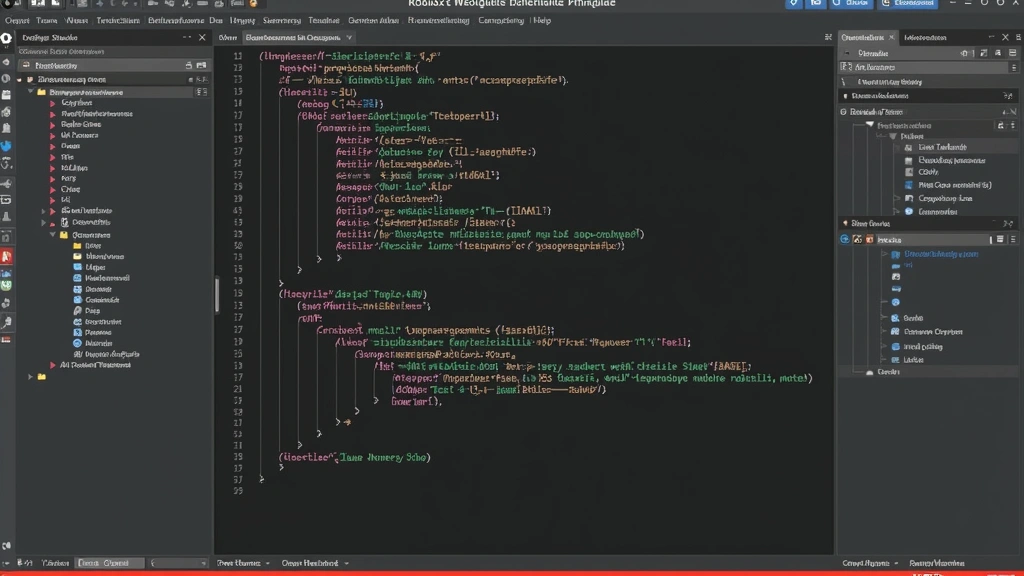
The platform’s architecture at Athens Tech includes course shells for each class section, discussion boards, assignment submission tools, and grade centers that provide real-time performance tracking. Faculty members utilize Blackboard to organize course materials, create assessments, and monitor student engagement through analytics dashboards. For students, the interface serves as their primary touchpoint for academic interaction beyond the classroom. The system handles everything from syllabus distribution to final grade submission, making it functionally central to the institution’s academic operations.
Implementation of Blackboard at Athens Tech involved substantial institutional commitment, including staff training programs, technical infrastructure investment, and ongoing support services. The college maintains a dedicated help desk for Blackboard-related issues, offering phone support, email assistance, and in-person consultations. This support structure is critical because system adoption success depends heavily on user support availability and responsiveness.

Core Features and Functionality
Blackboard’s feature set at Athens Tech encompasses several key components that directly influence student success potential. The Content Management Module allows instructors to organize course materials hierarchically, creating logical structures for lectures, readings, and supplementary resources. Students can access these materials on-demand, supporting asynchronous learning for working students or those with scheduling constraints. The system supports multimedia integration, enabling instructors to embed videos, interactive content, and external resources directly within course pages.
The Assessment Tools represent another critical dimension of Blackboard’s functionality. Instructors can create various question types—multiple choice, short answer, essay, matching—with automatic grading capabilities for objective questions. This feature significantly reduces instructor grading workload for large sections, though it also raises questions about assessment quality and whether automated grading adequately captures student learning. The system tracks submission timestamps, helping enforce deadlines while providing audit trails for academic integrity purposes.
Discussion Boards facilitate asynchronous communication between students and instructors, as well as peer-to-peer interaction. This feature proves particularly valuable for distance learners or hybrid courses, though effectiveness depends entirely on instructor moderation and engagement. Threaded discussions allow students to build on previous responses, creating more sophisticated academic conversations than traditional linear formats. However, many students report that discussions often feel disconnected from course content or lack clear learning objectives.
The Grade Center provides transparency into academic performance, showing students their cumulative scores, individual assignment grades, and calculated course averages. This real-time feedback capability enables students to monitor progress throughout the semester rather than waiting for midterm or final reports. Faculty members benefit from analytics showing class-wide performance patterns, identifying struggling students or problematic assessment items. Integration with Athens Tech’s student information system ensures grades automatically post to official transcripts, eliminating manual transfer errors.
Mobile accessibility through the Blackboard Student app extends learning beyond desktop environments. Students can check grades, view announcements, and access course materials from smartphones or tablets. However, mobile functionality varies depending on content type—some multimedia resources may not render properly on mobile devices, and the app interface differs from the web version, potentially confusing users.
Impact on Academic Performance
Research on learning management system effectiveness shows mixed results, and Blackboard at Athens Tech demonstrates this complexity. Students who actively engage with the platform—regularly accessing course materials, completing assignments on schedule, and participating in discussions—show higher academic performance than those with sporadic platform use. This correlation suggests Blackboard facilitates success for motivated, organized learners who leverage available tools effectively.
However, the platform’s impact on student success depends critically on implementation quality. Courses where instructors provide clear navigation, regular feedback, and frequent engagement opportunities show stronger student outcomes than those where Blackboard serves merely as a content repository. Some Athens Tech students report that poorly organized course shells create confusion, leading to missed deadlines or overlooked announcements. This highlights that Blackboard’s effectiveness reflects instructor pedagogical choices as much as the platform itself.
According to Inside Higher Ed analysis, institutions implementing learning management systems without concurrent faculty development often experience minimal or negative impacts on student success metrics. Athens Tech’s faculty training programs partially address this concern, though ongoing professional development remains inconsistent across departments. Instructors who received comprehensive Blackboard training report greater confidence implementing sophisticated features, while those with minimal training often rely on basic functionality, potentially underutilizing the platform’s capabilities.
Retention data from Athens Tech suggests students who actively use Blackboard show slightly higher semester-to-semester persistence rates compared to those with minimal platform engagement. This correlation may indicate that Blackboard usage reflects broader academic engagement rather than the system directly causing improved retention. Students committed to their education naturally use available academic tools, while disengaged students avoid them regardless of platform quality.
Accessibility and Technical Support
Accessibility represents a critical dimension often overlooked in LMS evaluations. Blackboard has made substantial improvements in accessibility compliance, though CNET’s technology standards reviews note that educational platforms still lag behind consumer software in accessibility maturity. Athens Tech’s implementation includes screen reader compatibility, keyboard navigation, and closed captioning support for video content, meeting basic WCAG 2.1 AA standards.
However, accessibility challenges persist in practice. Student reports indicate that some instructors upload course materials in inaccessible formats—image-only PDFs, untagged documents, or videos without captions. While Blackboard supports accessible content creation, the platform cannot force instructors to implement accessibility best practices. This represents an institutional challenge rather than a platform limitation, though better accessibility guidance and enforcement mechanisms would help.
Technical support at Athens Tech operates through multiple channels: the help desk (phone and email), online knowledge base, and periodic in-person workshops. Response times typically range from same-day to 48 hours for non-critical issues. Students report generally positive support experiences, though some frustration emerges during peak periods (semester start, major assignment deadlines) when response times extend. The help desk staff demonstrate solid technical knowledge, though they occasionally struggle with complex troubleshooting scenarios requiring escalation to Blackboard vendor support.
System reliability at Athens Tech has improved significantly over recent years. Major outages have decreased, though occasional performance degradation occurs during peak usage times. The college maintains redundant servers and backup systems, minimizing data loss risks. However, students report occasional login issues, slow page loading, and synchronization problems between the LMS and the student information system, particularly during registration periods.
Comparison with Alternative LMS Options
The learning management system landscape includes several competitors to Blackboard, each offering distinct advantages. Canvas (owned by Instructure) has gained significant market share in recent years, praised for intuitive interface design and stronger mobile experience. Canvas users report faster page loading and more straightforward navigation compared to Blackboard. However, Canvas’s feature depth in some areas—particularly advanced assessment tools and enterprise integrations—lags behind Blackboard’s capabilities.
Moodle represents an open-source alternative offering greater customization and lower licensing costs. Institutions using Moodle can modify the platform to precisely match institutional workflows, though this requires ongoing technical expertise. Athens Tech evaluated Moodle during its LMS selection process but chose Blackboard for its comprehensive support services and enterprise-grade infrastructure, valuing vendor support over customization flexibility.
Desire2Learn (D2L) occupies a middle ground, offering robust functionality with relatively modern user interface design. D2L’s analytics capabilities particularly impress educators seeking detailed student engagement metrics. However, D2L maintains a smaller market share than Blackboard or Canvas, resulting in fewer available third-party integrations and a smaller community of users sharing best practices.
Blackboard’s primary advantages include comprehensive feature depth, strong enterprise integrations, and mature vendor support infrastructure. Its disadvantages include higher licensing costs, steeper learning curves, and user interface design that feels dated compared to newer competitors. For Athens Tech specifically, the decision to retain Blackboard reflects institutional inertia—the costs of migration outweigh perceived benefits of switching, particularly given faculty familiarity with current system. However, as Blackboard licensing renews, institutional decision-makers should seriously evaluate whether alternative platforms might better serve student success objectives.
The Journal of Educational Computing Research suggests that LMS selection matters less than implementation quality, faculty training, and institutional commitment to technology-enhanced learning. A well-implemented Blackboard installation can outperform a poorly deployed Canvas system, or vice versa. Athens Tech’s success depends more on continuous improvement efforts than on platform selection alone.
Student User Experience Analysis
User experience fundamentally determines whether students embrace or resist a learning management system. Blackboard at Athens Tech receives mixed reviews regarding interface usability. Students appreciate the consistent layout across courses—once they learn to navigate one course shell, others follow predictable patterns. The main dashboard clearly displays active courses, upcoming deadlines, and recent announcements, providing useful at-a-glance information.
However, students frequently criticize Blackboard’s navigation complexity. Finding specific course materials sometimes requires multiple clicks through nested menus, particularly when instructors organize content in non-intuitive hierarchies. The search functionality, while available, doesn’t always return expected results, forcing students to manually browse course folders. This friction point likely contributes to some students missing important materials or deadlines.
Assignment submission represents another critical user experience area. Blackboard’s file upload interface functions adequately for straightforward submissions, but students report occasional technical issues with large files or certain file formats. The system’s timestamp recording provides clarity about late submissions, though some students dispute whether system clock synchronization matches their local time. Clear deadline communication through multiple channels (course syllabus, course announcements, calendar view) helps mitigate confusion, but implementation inconsistency across courses creates mixed student experiences.
The grade center user experience has improved significantly in recent Blackboard versions. Students can now view detailed grade breakdowns showing how individual assignment scores contribute to overall course grades. Weighted grading calculations display transparently, helping students understand performance metrics. However, some instructors disable certain grade center features or use unofficial grading tracking methods, limiting students’ ability to accurately monitor progress.
Discussion board participation rates suggest mixed student engagement with this feature. While some courses generate robust discussions with meaningful peer interaction, others see minimal participation. The difference correlates strongly with instructor encouragement, grading participation, and modeling thoughtful responses. Blackboard’s discussion tools function adequately, but the platform doesn’t inherently motivate engagement—that depends on pedagogical choices.
Best Practices for Maximizing Blackboard Success at Athens Tech
Students seeking to maximize their success with Blackboard at Athens Tech should adopt several strategic practices. Course organization mastery begins with spending time during the first week exploring each course’s structure. Understanding where syllabus, announcements, course materials, and assignments live enables efficient navigation throughout the semester. Bookmarking frequently accessed areas saves time compared to repeated menu navigation.
Notification management proves critical for staying informed without experiencing information overload. Configuring Blackboard notification settings to alert you about instructor announcements, assignment due dates, and grade postings ensures you don’t miss important information. However, disabling notifications for discussion posts and other lower-priority items prevents notification fatigue that leads many students to ignore all alerts.
Grade monitoring discipline helps identify performance issues early. Checking the grade center weekly allows you to catch grading errors, understand how assignments contribute to overall grades, and adjust study strategies if performance lags. This proactive approach prevents unpleasant surprises at semester’s end and enables timely instructor communication about performance concerns.
Assignment planning should begin immediately upon course start. Creating a master calendar noting all deadlines across courses helps prevent the common student experience of deadline clustering. Submitting assignments several hours before deadlines rather than at the last minute prevents technical issues from causing late submissions. Blackboard’s assignment submission tool occasionally experiences glitches during peak usage times—early submission provides a buffer against these problems.
Communication engagement with instructors through Blackboard’s messaging system or discussion boards demonstrates your commitment to learning. Instructors are more likely to work with students who actively participate and demonstrate engagement. If you’re struggling with course material, reaching out through Blackboard creates documented communication supporting future appeals or grade review requests.
Leveraging effective learning strategies through digital platforms enhances your Blackboard experience. Rather than passively viewing course materials, actively engage with content by taking notes, asking questions, and connecting concepts across assignments. The platform functions as a tool supporting your learning; your engagement level determines the tool’s effectiveness.
FAQ
Is Blackboard at Athens Tech free for students?
Yes, Blackboard access is included in your tuition and fees. As an Athens Tech student, you automatically receive a Blackboard account when you enroll. No additional fees apply for using the platform, though you need reliable internet access and a compatible device to fully utilize all features.
Can I access Blackboard from mobile devices?
Absolutely. Blackboard offers a mobile app available for iOS and Android devices, accessible through your smartphone or tablet. Mobile functionality includes checking grades, viewing announcements, accessing course materials, and submitting assignments. However, the mobile experience differs from the desktop version, and some content types (complex multimedia, interactive tools) may not render properly on smaller screens.
What should I do if I can’t log in to Blackboard?
First, verify you’re using the correct username and password—your Athens Tech login credentials. If login still fails, contact the help desk at the number provided on the Athens Tech website. They can reset your password or troubleshoot access issues. During peak periods (semester start), response times may extend, so plan ahead rather than waiting until assignment deadlines approach.
How do I know if an assignment is late?
Blackboard displays deadline information prominently in the assignment description. The system automatically records submission timestamps, marking submissions after the deadline as late. If your submission appears late but you submitted before the deadline, contact your instructor immediately with details—Blackboard occasionally experiences synchronization issues, and instructors can manually adjust timestamps when technical problems occur.
Can I retake quizzes or exams through Blackboard?
That depends entirely on your instructor’s course design. Some courses allow unlimited quiz retakes to encourage learning, while others limit attempts or disable retakes after the deadline. Check your course syllabus or assignment details for specific policies. If unclear, contact your instructor through Blackboard’s messaging system to clarify retake policies.
Does Athens Tech offer training on using Blackboard?
Yes, the college provides Blackboard training through multiple channels: workshops offered during orientation periods, online tutorials available through the help desk, and individual consultations. Additionally, many instructors dedicate class time early in the semester to explaining course-specific Blackboard setup. Taking advantage of available training significantly improves your platform proficiency and academic success.
How secure is my personal information in Blackboard?
Blackboard implements enterprise-grade security measures protecting student data. The platform uses encryption for data transmission and storage, complies with FERPA regulations protecting educational records, and undergoes regular security audits. However, you should still practice good security hygiene: use strong passwords, log out after sessions, and never share login credentials. Report suspicious account activity to the help desk immediately.
What if I need accommodations for an online course?
Athens Tech’s disability services office can work with instructors to implement accommodations within Blackboard, such as extended assignment deadlines, alternative assessment formats, or modified content presentation. Contact disability services early in the semester to arrange accommodations. Instructors can implement many accommodations directly in Blackboard, while others may require alternative solutions coordinated with support services.