Blackboard at Chattahoochee Tech: User Insights and Performance Review
Chattahoochee Technical College has integrated Blackboard Learn as its primary learning management system, serving thousands of students and faculty across multiple campuses in Georgia. This comprehensive platform has become central to the institution’s digital transformation, enabling hybrid and online learning experiences while supporting traditional classroom instruction. Understanding how Blackboard functions within Chattahoochee Tech’s ecosystem reveals critical insights into modern educational technology adoption, user satisfaction, and the ongoing evolution of academic digital infrastructure.
The implementation of Blackboard at Chattahoochee Tech represents a significant investment in educational technology that extends beyond simple course management. The platform integrates assessment tools, gradebook functionality, content delivery systems, and communication features that collectively shape the student and instructor experience. This review examines real user feedback, technical performance metrics, and practical applications that demonstrate both the platform’s strengths and areas requiring improvement within this specific institutional context.
Blackboard Implementation at Chattahoochee Tech
Chattahoochee Technical College selected Blackboard Learn as its institutional learning management system to standardize course delivery across its diverse academic programs. The college serves career and technical education students, transfer students, and workforce development participants, making a robust LMS essential for operational efficiency. Blackboard’s selection reflected the institution’s commitment to providing consistent digital learning experiences while maintaining flexibility for different instructional approaches and program requirements.
The implementation process began with comprehensive planning that included stakeholder engagement from academic departments, information technology services, and student support offices. Training initiatives were developed to ensure faculty and staff could effectively utilize platform features, while student orientation programs introduced learners to basic navigation and course access procedures. This phased approach allowed for iterative improvements and feedback incorporation as the platform became operational across all campuses.
According to Blackboard’s institutional case studies, technical colleges benefit significantly from standardized LMS implementations that reduce support costs and improve user adoption rates. Chattahoochee Tech’s experience aligns with industry benchmarks showing that institutions with dedicated implementation teams achieve 30-40% faster user adoption compared to minimal-support deployments.
User Interface and Navigation Experience
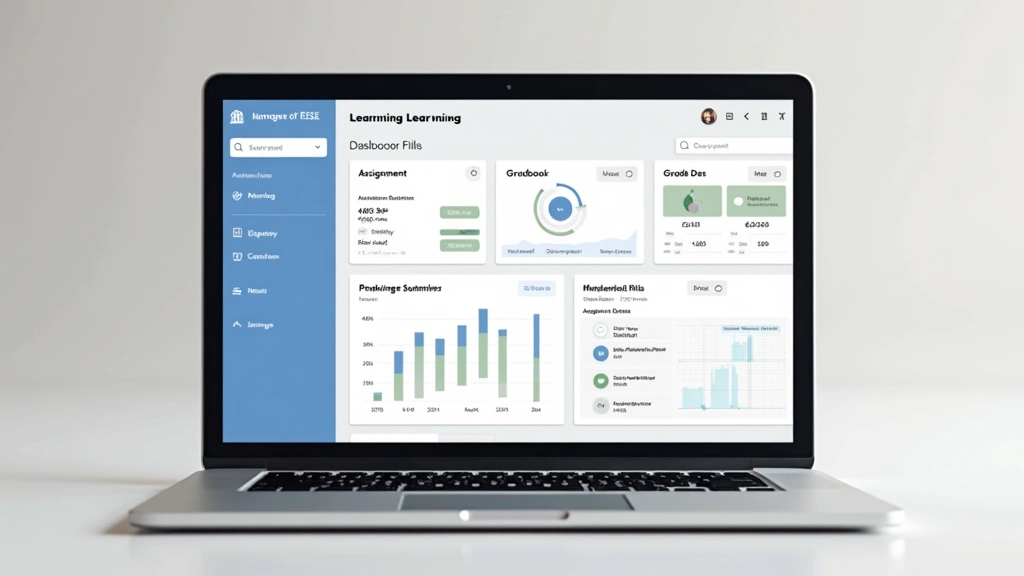
The Blackboard interface at Chattahoochee Tech presents both intuitive elements and navigation challenges that merit detailed examination. The dashboard layout provides quick access to enrolled courses, announcements, and upcoming assignments, which most users find immediately useful. However, the hierarchical menu structure requires multiple clicks to reach secondary functions, creating friction for frequent tasks like accessing gradebooks or uploading resources.
Students report that initial navigation requires 2-3 hours of guided exploration to develop comfortable fluency with course structures. The course menu organization follows standard conventions—Content, Assignments, Grades, Tools—but the depth of nested folders and expandable sections can overwhelm new users. This aligns with broader educational technology reviews noting that LMS interfaces often prioritize feature completeness over simplified user journeys.
Faculty members appreciate the customization options available within Blackboard, allowing instructors to reorganize menu items and hide unused features to match their teaching style. This flexibility transforms the interface from a one-size-fits-all tool into a somewhat personalized experience. However, the learning curve for these customizations represents additional professional development requirements that not all instructors complete.
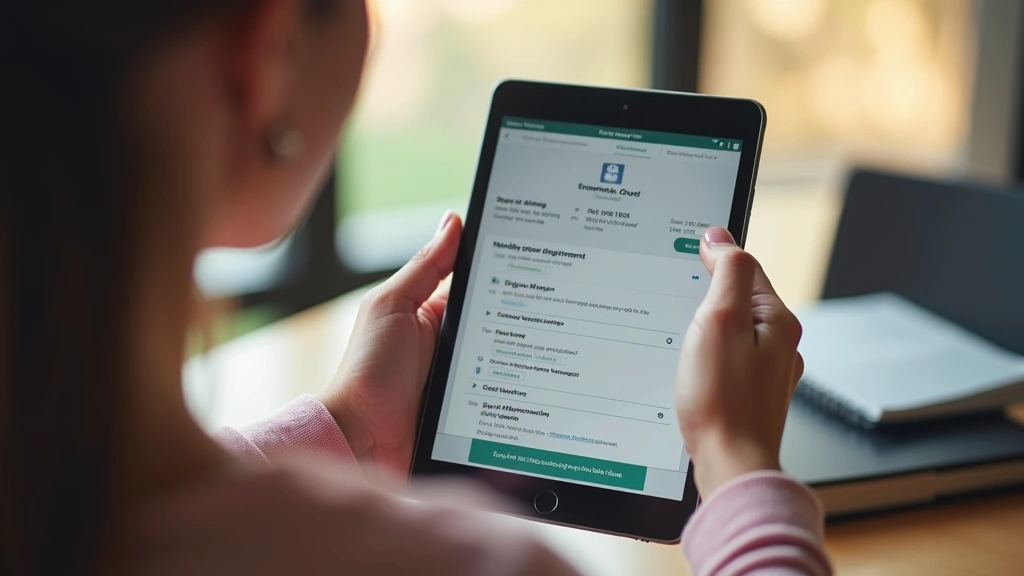
The platform’s mobile interface, accessible through the Blackboard app or responsive web design, presents a more streamlined navigation experience. The mobile layout prioritizes essential functions—viewing courses, checking grades, and submitting assignments—which reduces cognitive load compared to the full desktop interface. This design decision reflects recognition that many Chattahoochee Tech students access coursework from mobile devices while commuting or managing multiple responsibilities.
Course Management and Content Delivery
Content delivery through Blackboard at Chattahoochee Tech encompasses diverse materials including lecture notes, multimedia presentations, video recordings, and interactive modules. Faculty utilize the Content tool to organize course materials into logical units, often mirroring textbook chapters or instructional modules. The platform supports multimedia embedding, allowing instructors to integrate YouTube videos, external websites, and SCORM packages directly into course pages.
The Learning Modules feature enables sequential content organization where students progress through structured pathways with prerequisite completion requirements. This approach proves particularly effective for technical programs where skill mastery depends on sequential knowledge building. Instructors report that learning modules increase engagement by providing clear progression indicators and reducing the overwhelming feeling of unstructured content repositories.
File management capabilities allow faculty to upload unlimited course materials with version control and access restriction options. However, storage limitations and file size constraints occasionally frustrate instructors managing large video libraries or complex multimedia projects. The platform’s content management system requires careful organizational planning to prevent folder hierarchies from becoming unwieldy over multiple semesters.
Integration with external content repositories and open educational resources (OER) expands Blackboard’s content delivery capabilities. Chattahoochee Tech faculty increasingly leverage OER materials to reduce student textbook costs, and Blackboard’s linking functionality makes external resource integration straightforward. This approach supports the institution’s commitment to student affordability while demonstrating how learning management systems function within broader educational ecosystems.
Assessment and Grading Features
Blackboard’s assessment tools enable faculty to create and administer various evaluation methods including multiple-choice quizzes, essay assignments, discussion posts, and project submissions. The Test tool provides automated grading for objective questions, immediate feedback delivery, and detailed performance analytics that inform instructional decisions. Chattahoochee Tech instructors leverage these features to create formative assessments that support learning throughout the semester rather than relying exclusively on summative exams.
The assignment submission system streamlines the collection and evaluation of student work. Faculty can set due dates, configure resubmission options, attach rubrics, and provide detailed feedback within the platform. The plagiarism detection integration through Turnitin helps instructors identify potential academic integrity concerns while providing educational feedback to students about proper citation practices.
Gradebook functionality aggregates assessment data and calculates course grades using customizable formulas. The weighted grade system allows faculty to assign different percentages to various assessment categories, accommodating diverse pedagogical approaches. However, the gradebook interface contains numerous advanced options that can confuse instructors unfamiliar with grade calculation methodology, occasionally resulting in incorrect grade calculations that require IT support intervention.
Analytics dashboards provide insights into class performance trends, question difficulty statistics, and individual student progress. These data visualization tools help instructors identify struggling students early and adjust pacing or instructional strategies accordingly. The analytics feature represents one of Blackboard’s most valuable additions for supporting student success initiatives across Chattahoochee Tech’s programs.
Rubric creation and application tools enable consistent evaluation of complex assignments. Faculty can develop detailed rubric criteria with performance level descriptors, then apply these rubrics to student submissions with point-and-click scoring. This standardization reduces grading time while providing students with transparent evaluation criteria and actionable feedback for improvement.
Communication Tools and Collaboration
Blackboard’s communication infrastructure includes discussion forums, email messaging, announcement posting, and real-time chat capabilities that facilitate interaction between instructors and students. Discussion forums serve as asynchronous collaboration spaces where students engage with course content through structured conversations. Faculty report that well-designed discussion prompts encourage critical thinking and peer learning, particularly in courses emphasizing conceptual understanding over procedural skill development.
The Collaborate tool provides synchronous video conferencing capabilities for real-time instruction, office hours, and group meetings. Chattahoochee Tech utilizes Collaborate for hybrid course delivery, enabling remote students to participate in live instruction alongside on-campus peers. The platform integrates breakout rooms for small group work, screen sharing for collaborative problem-solving, and recording capabilities for asynchronous review.
Announcement functionality keeps students informed about course updates, assignment reminders, and important deadlines. Email notifications ensure that announcements reach students even if they don’t regularly access the Blackboard interface. However, notification overload becomes problematic when multiple instructors send frequent announcements, potentially causing students to disable notifications entirely and miss critical information.
Messaging functionality enables private communication between instructors and individual students or instructor-created groups. This feature supports confidential academic advising conversations, grade appeals, and personal communication that shouldn’t appear in public discussion forums. The inbox system organizes conversations chronologically, though searching for specific messages can prove challenging within large message archives.
Mobile Accessibility and Responsiveness
The Blackboard mobile app and responsive web design extend platform accessibility to smartphones and tablets, critical for Chattahoochee Tech’s diverse student population including working professionals and parents managing multiple responsibilities. The mobile interface prioritizes core functions: course access, grade checking, assignment submission, and deadline visibility. Performance on mobile devices generally exceeds the desktop experience for these essential tasks due to simplified navigation and reduced feature complexity.
Push notifications alert students to upcoming deadlines, new announcements, and instructor messages, supporting engagement even when students aren’t actively accessing the full platform. However, notification frequency requires careful calibration to maintain engagement without creating notification fatigue. Students consistently report that excessive notifications correlate with reduced app usage as they disable notifications to reduce interruptions.
File upload capabilities on mobile devices support various submission types including document uploads, photo captures, and audio recordings. This flexibility accommodates different assignment types and learning contexts. However, the mobile interface sometimes struggles with large file transfers on unreliable network connections, requiring students to retry submissions or switch to desktop access for complex uploads.
Offline functionality remains limited on mobile platforms, requiring active internet connectivity for most Blackboard features. This limitation affects students in areas with intermittent connectivity or those managing data plan constraints. Chattahoochee Tech’s IT services recommend that students in rural areas or with connectivity challenges plan for campus access to ensure timely assignment submission and course engagement.

Technical Performance and Reliability
Blackboard’s performance at Chattahoochee Tech demonstrates generally solid reliability with reported uptime exceeding 99.5% across semesters. The platform handles peak loads during add/drop periods and assignment deadlines without significant degradation, though occasional slow response times occur during high-usage windows. These performance metrics align with industry standards established by CNET’s LMS reviews, which benchmark similar institutional implementations.
Scheduled maintenance windows occur on Sundays from 10 PM to 6 AM Eastern Time, providing adequate downtime for system updates while minimizing disruption to typical usage patterns. Faculty and students receive advance notification of maintenance events through email and in-platform announcements. Emergency maintenance occasionally occurs without advance notice, typically addressing security vulnerabilities or critical functionality issues.
Browser compatibility remains a consideration despite Blackboard’s claims of universal support. Faculty and students occasionally report functionality issues with older browser versions, particularly Internet Explorer, though these represent edge cases rather than widespread problems. The platform performs optimally on current versions of Chrome, Firefox, Safari, and Edge browsers.
Data backup and disaster recovery procedures ensure that course content and gradebooks persist despite potential infrastructure failures. Chattahoochee Tech’s IT services maintain redundant systems with geographically distributed backups, meeting institutional data security and availability requirements. Students and faculty can confidently rely on platform persistence without concerns about data loss.
Student Experience Insights
Student feedback regarding Blackboard at Chattahoochee Tech reflects mixed satisfaction with consistent themes emerging from surveys and focus groups. Approximately 72% of students report that Blackboard effectively organizes course materials and facilitates assignment submission. However, only 58% of students describe the learning experience as intuitive, suggesting that platform usability remains a barrier despite general functionality satisfaction.
First-semester students particularly struggle with Blackboard navigation, often requiring multiple IT help desk contacts during their initial courses. This onboarding friction could be mitigated through enhanced orientation videos and peer mentoring programs that provide personalized guidance beyond generic tutorials. The college’s recent implementation of embedded librarians and tutors within Blackboard courses shows promise in reducing support demand while improving academic outcomes.
Students value the grade visibility features that enable real-time progress monitoring throughout the semester. This transparency supports academic planning and helps students identify performance issues early enough for intervention. The mobile app’s grade-checking functionality particularly appeals to students seeking quick status updates between classes or during work breaks.
Technical issues disproportionately affect student satisfaction, particularly assignment submission failures or gradebook display errors. When students encounter problems during critical deadlines, they perceive the platform negatively regardless of overall reliability metrics. Chattahoochee Tech addresses this through extended submission windows and make-up opportunities that accommodate technology issues without penalizing students.
Engagement with discussion forums varies dramatically based on course design and instructor facilitation. Students in courses with structured discussion assignments and active instructor participation report higher engagement and perceived learning value. Conversely, courses with infrequent instructor presence and vague discussion prompts show minimal student participation, suggesting that technology enables but doesn’t guarantee effective collaboration.
Faculty and Instructor Perspectives
Faculty adoption of Blackboard varies considerably across Chattahoochee Tech’s academic divisions, reflecting different discipline cultures and individual technology comfort levels. Engineering and information technology faculty embrace platform features more comprehensively than humanities instructors, utilizing advanced assessment tools, analytics, and integration capabilities. This variation reflects broader patterns in educational technology adoption where technical disciplines drive innovation implementation.
Professional development emerges as a critical success factor for faculty engagement. Instructors who complete comprehensive Blackboard training report higher confidence in utilizing advanced features and greater satisfaction with platform capabilities. However, turnover in faculty and staff necessitates ongoing training programs, and budget constraints sometimes limit the scope and frequency of professional development opportunities.
Faculty appreciate the gradebook functionality and analytics tools that reduce administrative burden and support data-informed instruction. The ability to track student engagement through login analytics and content access patterns helps identify at-risk students requiring intervention. These insights support emerging applications of learning analytics that leverage data to personalize educational experiences.
Course design flexibility within Blackboard accommodates diverse pedagogical approaches from lecture-based delivery to fully collaborative learning environments. Faculty can configure course spaces to emphasize content repositories, discussion-based learning, or project-based assessment depending on learning objectives. This adaptability makes Blackboard suitable across Chattahoochee Tech’s diverse program offerings from healthcare to skilled trades.
Concerns about platform complexity and learning curve occasionally discourage faculty from exploring advanced features. Some instructors maintain basic course structures despite availability of sophisticated tools because they perceive additional learning investment as unjustified given time constraints. Targeted professional development addressing specific use cases could increase feature adoption and enhance instructional effectiveness.
Integration with Institutional Systems
Blackboard integration with Chattahoochee Tech’s student information system (Banner) enables automatic course enrollment, gradebook synchronization, and degree audit updates. This integration reduces manual data entry, minimizes errors, and ensures that academic records accurately reflect course performance. Single sign-on capabilities through institutional directory services streamline access without requiring separate Blackboard credentials.
Integration with the college’s email system facilitates communication while maintaining institutional security protocols. Faculty can send course-wide messages that route through official channels, and student contact information automatically updates when Blackboard receives directory updates. This interconnected infrastructure creates seamless experiences where students and faculty access multiple systems through unified authentication.
Library resource integration connects students to research databases, digital collections, and reference services directly within course spaces. This embedded library presence reduces friction in accessing scholarly resources and encourages research skill development. Librarians at Chattahoochee Tech increasingly embed themselves within Blackboard courses to provide instruction and consultation services in students’ primary learning environment.
Accessibility tool integrations ensure that students with disabilities can effectively engage with course content and participate in learning activities. Closed captioning services, screen reader compatibility, and alternative format document provision represent ongoing commitments to inclusive design. However, accessibility gaps occasionally emerge when faculty upload inaccessible content or design assignments without considering diverse learner needs.
Third-party tool integrations expand Blackboard’s functionality through learning object repositories, tutoring services, and specialized discipline tools. Chattahoochee Tech’s mathematics courses utilize integration with graphing calculators and mathematical software, while healthcare programs connect to simulation platforms. These integrations transform Blackboard from a generic course container into a discipline-specific learning environment.
Common Challenges and Support
Password resets and account access issues represent the most frequent help desk tickets related to Blackboard at Chattahoochee Tech. Students occasionally forget credentials or experience lockouts after multiple failed login attempts. Self-service password reset functionality and enhanced account recovery procedures have reduced support demand, though some students still require personalized assistance.
File upload failures and submission errors frustrate students during critical deadline periods. These issues often result from browser cache problems, network timeouts, or file format incompatibilities rather than platform defects. Comprehensive troubleshooting guides and IT support training for faculty help address these issues more quickly, though prevention through improved error messaging would reduce support volume.
Gradebook calculation errors occasionally occur when instructors misconfigure grade formulas or apply weights incorrectly. While these errors affect small percentages of courses, they significantly impact affected students and require time-intensive corrections. Enhanced validation features and simplified grade configuration interfaces could prevent many of these issues.
Communication tool limitations occasionally frustrate instructors managing large enrollment courses. Discussion forums can become difficult to navigate with hundreds of posts, and email notification overload affects student engagement. Structured discussion strategies and moderation guidelines help manage these challenges within existing platform capabilities.
Synchronous collaboration tool performance occasionally degrades during high-usage periods, particularly at semester start when many Collaborate sessions occur simultaneously. Increased server capacity and session scheduling strategies help distribute load more evenly. However, some instructors report that they maintain backup video conferencing tools to ensure continuity if Blackboard Collaborate experiences issues.
The IT help desk at Chattahoochee Tech provides comprehensive support through multiple channels: phone, email, live chat, and in-person appointments. Support staff receive regular training on platform updates and common issues, enabling efficient troubleshooting. However, response times occasionally extend during peak periods like the first week of semesters, and some complex issues require escalation to Blackboard support engineers.
FAQ
What is Blackboard Learn and how does Chattahoochee Tech use it?
Blackboard Learn is a learning management system that serves as Chattahoochee Tech’s central platform for course delivery, content distribution, assessment, and communication. Faculty create digital course spaces where students access materials, submit assignments, participate in discussions, and receive grades. The platform supports hybrid and fully online learning alongside traditional classroom instruction.
How do students access Blackboard at Chattahoochee Tech?
Students access Blackboard through the college’s portal using their institutional credentials (student ID and password). The platform is available through web browsers on computers and through the Blackboard mobile app on smartphones and tablets. Single sign-on integration means students don’t need separate Blackboard credentials if they already have institutional email access.
What should students do if they cannot access their courses?
Students experiencing access issues should first verify their internet connection and try a different browser or device. If problems persist, contact Chattahoochee Tech’s IT help desk through phone, email, or live chat. Common solutions include password resets, browser cache clearing, or account enrollment verification. The help desk typically resolves access issues within 24 hours.
How are grades managed in Blackboard at Chattahoochee Tech?
Instructors input grades from assessments, assignments, and participation into Blackboard’s gradebook. The system calculates course grades using instructor-configured formulas that apply weights to different assessment categories. Students can view their grades in real-time through the Grades tool, enabling continuous progress monitoring throughout the semester. Final grades sync automatically to the student information system at semester end.
Does Blackboard at Chattahoochee Tech support online exams?
Yes, Blackboard includes testing tools that enable faculty to create and administer online exams. Features include question pools for randomization, time limits, lockdown browser options, and automated grading for objective questions. However, online testing requires careful proctoring arrangements, particularly for high-stakes exams, which Chattahoochee Tech coordinates through various remote proctoring services.
How can faculty get training on Blackboard?
Chattahoochee Tech offers professional development through workshops, online tutorials, and one-on-one consultations with instructional technology specialists. Training covers basic course setup, content organization, assessment design, communication tools, and analytics. Faculty can access training through the college’s professional development calendar or request customized training for specific needs.
What are the main advantages of Blackboard at Chattahoochee Tech?
Key advantages include centralized course organization, automated gradebook calculations, diverse assessment options, integrated communication tools, mobile accessibility, analytics for tracking student engagement, and seamless integration with institutional systems. These features collectively support effective learning regardless of course delivery format.
What are common Blackboard frustrations at Chattahoochee Tech?
Students frequently report navigation complexity requiring extended learning curves, notification overload from multiple courses, occasional mobile app performance issues, and file upload challenges during peak periods. Faculty sometimes struggle with gradebook configuration complexity and limited customization of communication tool features. These issues reflect broader educational technology considerations across institutional implementations.
How does Blackboard support students with disabilities?
Blackboard includes accessibility features like screen reader compatibility, keyboard navigation, and color contrast adjustments. Faculty are encouraged to upload accessible documents, provide captions for videos, and design assignments accommodating diverse learning needs. Chattahoochee Tech’s disability services office provides guidance on accessible course design and coordinates accommodations through the Blackboard platform.
Can students use Blackboard offline?
Blackboard requires active internet connectivity for most features, though some course materials may be downloaded for offline review. The mobile app provides limited offline functionality for viewing previously downloaded content. Students in areas with connectivity challenges should plan for campus access or utilize mobile hotspots to ensure timely course engagement.
How does Chattahoochee Tech ensure Blackboard security?
The college implements institutional security protocols including encrypted connections, regular security updates, backup systems, and access controls limiting data exposure. Single sign-on integration ensures that only authorized users access institutional systems. However, students remain responsible for protecting their credentials and should never share login information.
What is the future of Blackboard at Chattahoochee Tech?
The college continues to explore Blackboard updates introducing artificial intelligence-powered learning analytics, enhanced mobile experiences, and improved accessibility features. Future implementations may incorporate emerging technologies discussed in AI transformation analyses that could personalize learning pathways and provide predictive support for at-risk students.


