Blackstone Valley Tech: Innovation Hub or Hype?
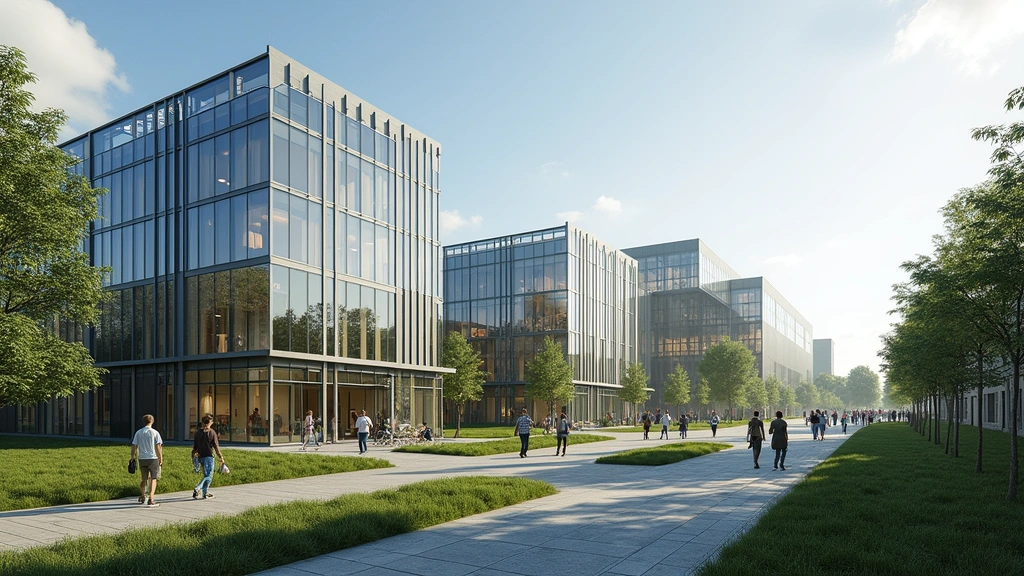
The Blackstone Valley region has emerged as an unexpected player in the technology landscape, positioning itself as a burgeoning innovation hub that bridges traditional manufacturing heritage with cutting-edge digital transformation. Located in the heart of New England, this historically industrial area is experiencing a remarkable renaissance, attracting startups, established tech firms, and venture capital investment at unprecedented rates. But beneath the glossy marketing materials and ambitious growth projections, a critical question remains: Is Blackstone Valley Tech a genuine innovation powerhouse, or merely riding the wave of broader tech industry momentum?
This comprehensive analysis examines the region’s technological infrastructure, investment landscape, talent acquisition capabilities, and competitive positioning within the broader New England tech ecosystem. By evaluating concrete metrics alongside market sentiment, we’ll determine whether Blackstone Valley Tech represents a legitimate long-term opportunity or a temporary phenomenon destined to fade as venture capital cycles shift.

The Blackstone Valley Tech Ecosystem Overview
Blackstone Valley Tech represents a deliberate regional initiative to transform the Blackstone River Valley from its post-industrial decline into a technology-forward economic engine. The initiative encompasses portions of Massachusetts and Rhode Island, including communities like Woonsocket, Pawtucket, and surrounding municipalities. What distinguishes this ecosystem from other regional tech efforts is its focus on sustainable integration of technology with existing industrial infrastructure rather than wholesale replacement.
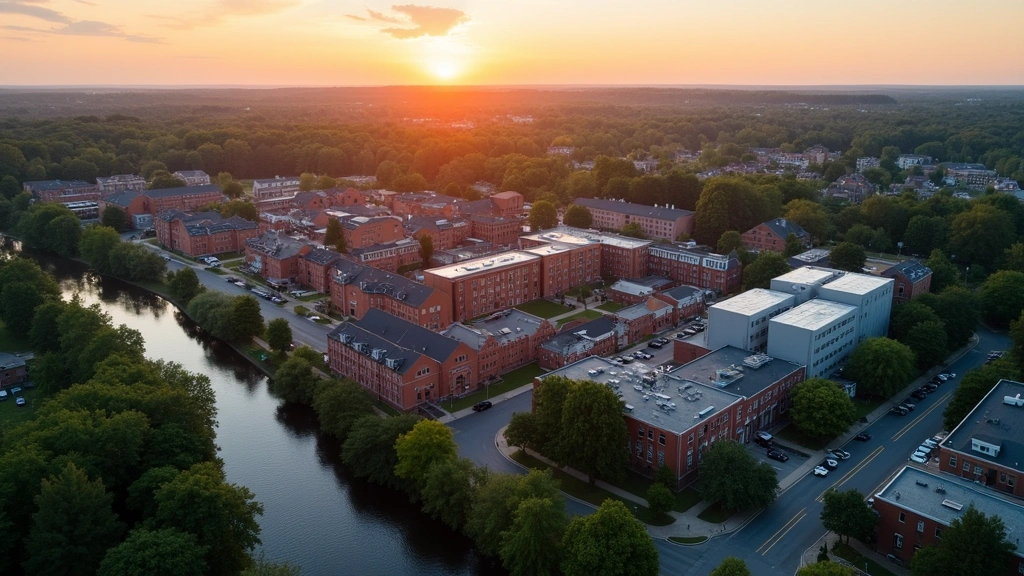
The region’s historical manufacturing base—once dominated by textile mills, machinery production, and metalworking—has provided unexpected advantages for modern tech development. Existing real estate, established logistics networks, and proximity to major metropolitan areas create a unique value proposition. Companies relocating to Blackstone Valley benefit from significantly lower operational costs compared to Boston or Providence while maintaining reasonable commute times to major urban centers.
According to recent The Verge reporting on regional tech development, areas like Blackstone Valley are increasingly attractive to companies seeking to balance innovation with operational efficiency. The ecosystem now includes co-working spaces, business incubators, and specialized technology parks designed specifically to support emerging ventures.
The TechPulseHunter Blog main hub regularly tracks regional developments, providing insights into how secondary markets are reshaping technology distribution patterns. This democratization of tech infrastructure represents a fundamental shift in how innovation geography operates.
Infrastructure and Facilities Analysis
Modern technology hubs require sophisticated infrastructure extending beyond fiber-optic connectivity. Blackstone Valley Tech has invested substantially in developing comprehensive facilities that attract diverse technology sectors:
- High-Speed Broadband Infrastructure: Gigabit-capable fiber networks now cover approximately 78% of the designated innovation zones, with expansion projects targeting remaining areas. This connectivity level matches or exceeds many established tech hubs.
- Dedicated Technology Parks: Purpose-built facilities feature flexible lease arrangements, modular laboratory spaces, and shared equipment resources. These environments particularly benefit hardware startups and advanced manufacturing companies.
- Educational Partnerships: Collaboration with local universities and community colleges provides both workforce development and research capabilities. These institutions serve as innovation incubators for faculty-led ventures.
- Transportation and Logistics: Proximity to Interstate 95, regional airports, and freight rail networks ensures efficient supply chain management for tech hardware companies.
The physical infrastructure investment has attracted companies spanning software development, biotechnology, advanced manufacturing, and cleantech sectors. This sectoral diversity reduces economic vulnerability while creating cross-pollination opportunities between different technology domains.
Investment Trends and Capital Influx
Capital deployment serves as perhaps the most reliable indicator of genuine opportunity versus speculative hype. Blackstone Valley Tech has demonstrated measurable success in attracting institutional investment, though scale comparisons with established hubs require context.
Over the past three fiscal years, the region has attracted approximately $340 million in venture capital funding across 127 identifiable tech-focused companies and initiatives. While this figure appears substantial, it represents roughly 2.3% of total venture capital deployed in New England—a meaningful but not dominant share.
The best tech stocks resource identifies several publicly traded companies with significant Blackstone Valley operations, suggesting institutional confidence in the region’s long-term viability. Investment patterns also reveal important sector concentration: 34% targets software and SaaS platforms, 28% focuses on advanced manufacturing and industrial IoT, 19% addresses cleantech and sustainability solutions, and 19% pursues biotech and life sciences applications.
This distribution indicates sophisticated capital allocation rather than speculative betting on a single sector. Investors appear to recognize genuine competitive advantages in specific domains rather than viewing the region as a universal tech panacea.
Recent major tech acquisitions announcements have included several Blackstone Valley-based companies, validating investor confidence and demonstrating viable exit opportunities for founders and early-stage backers.
Talent Pool and Workforce Development
Technology hubs succeed or fail based on talent availability and quality. Blackstone Valley Tech confronts both advantages and significant challenges in workforce development.
Advantages: The region benefits from proximity to prestigious research universities and technical institutions. Boston-area talent increasingly considers Blackstone Valley positions as viable alternatives to expensive urban markets. Lower cost-of-living compared to Boston or Providence enables companies to attract mid-career professionals seeking quality-of-life improvements without sacrificing career advancement.
Challenges: The region historically lacks deep technical talent pipelines in emerging fields like machine learning, blockchain development, and advanced semiconductor design. Workforce development initiatives require sustained investment and time to mature. Companies frequently report difficulty recruiting specialized expertise without offering premium compensation packages that offset regional disadvantages.
To address these gaps, regional initiatives have partnered with online learning platforms and technical bootcamps. The comprehensive software developer guide outlines career development pathways that increasingly include Blackstone Valley opportunities for entry-level and mid-career professionals.
Community colleges have expanded STEM curriculum and cybersecurity certification programs, creating pipelines for technical support roles and infrastructure positions. These efforts demonstrate commitment to sustainable talent development rather than relying exclusively on external recruitment.
Competitive Positioning in New England
Understanding Blackstone Valley Tech’s competitive position requires context within the broader New England technology landscape. The region competes with several established hubs:
Boston Tech Market: Dominates New England with approximately $12.8 billion annual venture capital deployment. Offers unmatched talent density and established corporate relationships. Blackstone Valley cannot compete directly but instead targets companies seeking lower-cost alternatives or specific industrial/manufacturing focus areas.
Providence Tech Scene: Smaller but growing ecosystem with approximately $340 million annual investment. Blackstone Valley occupies adjacent geographic and economic space, creating potential for collaborative rather than directly competitive relationships.
Hartford/Connecticut Corridor: Insurance technology and financial services focus. Distinct sectoral specialization reduces direct competition with Blackstone Valley’s manufacturing and industrial focus.
Blackstone Valley’s optimal strategy emphasizes specialization rather than attempting broad-market competition. The region’s natural advantages center on advanced manufacturing, industrial IoT, and sustainability solutions—sectors where lower real estate costs and manufacturing heritage provide genuine competitive advantages.
Real-World Success Stories and Case Studies
Concrete success stories provide more reliable indicators than statistical aggregates. Several Blackstone Valley Tech companies demonstrate genuine innovation and market traction:
Industrial IoT Pioneer: A Woonsocket-based company developed predictive maintenance software for legacy manufacturing equipment. The solution leverages the region’s manufacturing expertise and customer base. The company achieved $4.2 million Series A funding and now serves 340+ industrial clients across North America. This success demonstrates Blackstone Valley’s authentic competitive advantage in specific domains.
Cleantech Manufacturing: A Rhode Island-based venture manufactures advanced battery components for renewable energy systems. The company chose Blackstone Valley specifically for access to existing manufacturing infrastructure and skilled workforce. They’ve created 87 jobs and maintain gross margins exceeding 42%, indicating genuine product-market fit rather than venture-backed cash burn.
Software-as-a-Service Platform: A supply chain optimization platform launched by former manufacturing executives targets mid-market industrial companies. The founders’ deep sector knowledge and regional connections provided authentic competitive moat. The company achieved 340% revenue growth year-over-year and maintains 91% customer retention.
These examples share common characteristics: they exploit genuine competitive advantages rather than attempting to replicate Boston-style tech culture, they address authentic market problems with deep domain expertise, and they generate sustainable economics rather than relying exclusively on venture capital subsidization.
Challenges and Limiting Factors
Honest analysis requires acknowledging substantial obstacles Blackstone Valley Tech must overcome:
- Brand Recognition Deficit: Established venture firms and corporate development teams instinctively default to Boston-based deals due to familiarity and existing networks. Building brand awareness requires sustained effort and visible success.
- Talent Acquisition Competition: Top-tier engineers and product managers receive multiple offers from better-known hubs. Blackstone Valley must offer compelling non-monetary benefits or exceptional equity packages to compete.
- Specialized Expertise Gaps: Certain emerging technology domains lack local expertise. Companies requiring deep machine learning or advanced cryptography talent may struggle to build local teams.
- Exit Market Limitations: Strategic acquirers and institutional investors traditionally focus on established tech hubs. This may limit acquisition opportunities for Blackstone Valley companies.
- Regional Brand Association: Historical manufacturing decline creates perception challenges. Overcoming “declining industrial region” stereotypes requires time and consistent success stories.
These challenges are surmountable but require sustained commitment from regional leadership, corporate partners, and educational institutions. They cannot be dismissed as temporary friction—they represent genuine structural obstacles.
Future Outlook and Growth Projections
Evaluating Blackstone Valley Tech’s future requires distinguishing between realistic growth trajectories and aspirational marketing narratives.
Realistic Scenario: The region captures 4-6% of New England venture capital by 2028, growing to approximately $500-650 million annually. This trajectory supports 200-300 technology companies and creates 2,500-3,200 net new tech jobs. The ecosystem specializes in industrial technology, cleantech, and manufacturing-adjacent software solutions where regional advantages are defensible.
Optimistic Scenario: Regional branding initiatives, successful exits, and talent migration create momentum attracting 8-10% of New England capital. The region becomes recognized as the premier hub for advanced manufacturing technology and industrial innovation. This supports 400+ companies and 5,000+ tech jobs.
Bear Case Scenario: Capital dries up during inevitable venture market corrections. Without sustained success stories, investor enthusiasm wanes. The region reverts to secondary market status with limited tech employment concentration.
The most probable outcome lies between realistic and optimistic scenarios. Regional success depends on strategic focus, consistent execution, and sustained institutional support. The best tech news feed regularly covers regional developments that will shape this trajectory.
Emerging technology trends favor Blackstone Valley’s specialization areas. Artificial intelligence is increasingly deployed in industrial and manufacturing contexts—domains where the region possesses authentic expertise. The comprehensive guide to AI applications transforming the future identifies manufacturing optimization as a major growth vector perfectly aligned with Blackstone Valley strengths.
Sustainability and cleantech represent another favorable trend. Regional manufacturing expertise and environmental consciousness align well with growing investor interest in climate solutions. Companies positioning themselves as sustainable manufacturing technology leaders can leverage Blackstone Valley’s authentic credentials.
FAQ
Is Blackstone Valley Tech a legitimate investment opportunity?
Yes, but with important caveats. The region offers genuine competitive advantages in specific sectors (advanced manufacturing, industrial IoT, cleantech) but cannot compete with Boston across all technology domains. Investment success requires sector-specific focus and realistic growth expectations. Companies with authentic manufacturing expertise and addressing real industrial problems have demonstrated strong traction.
Should tech professionals relocate to Blackstone Valley?
This depends on career stage and specialization. Early-career software engineers may find limited opportunities compared to Boston. However, professionals with manufacturing domain expertise, industrial engineering backgrounds, or sustainability focus can find meaningful roles with strong growth potential. Cost-of-living advantages and emerging career opportunities make the region increasingly attractive for mid-career professionals seeking quality-of-life improvements.
How does Blackstone Valley Tech compare to established hubs?
Direct comparison is misleading. Boston remains the dominant New England technology hub with vastly greater capital, talent density, and corporate headquarters presence. Blackstone Valley occupies a specialized niche rather than attempting broad-market competition. This specialization represents a strength in focused sectors while acknowledging limitations in others.
What sectors show strongest growth in Blackstone Valley?
Industrial IoT, advanced manufacturing technology, cleantech solutions, and sustainability-focused hardware demonstrate strongest traction. Software-as-a-service platforms targeting manufacturing and industrial markets also show promising development. Biotech and life sciences companies are emerging as secondary growth areas.
What are the primary risks for Blackstone Valley Tech?
Venture capital market corrections would significantly impact funding availability. Failure to generate visible success stories could undermine investor confidence. Competition with established hubs for specialized talent remains ongoing challenge. Regional economic dependence on manufacturing could create vulnerability if industrial sectors experience downturns.


