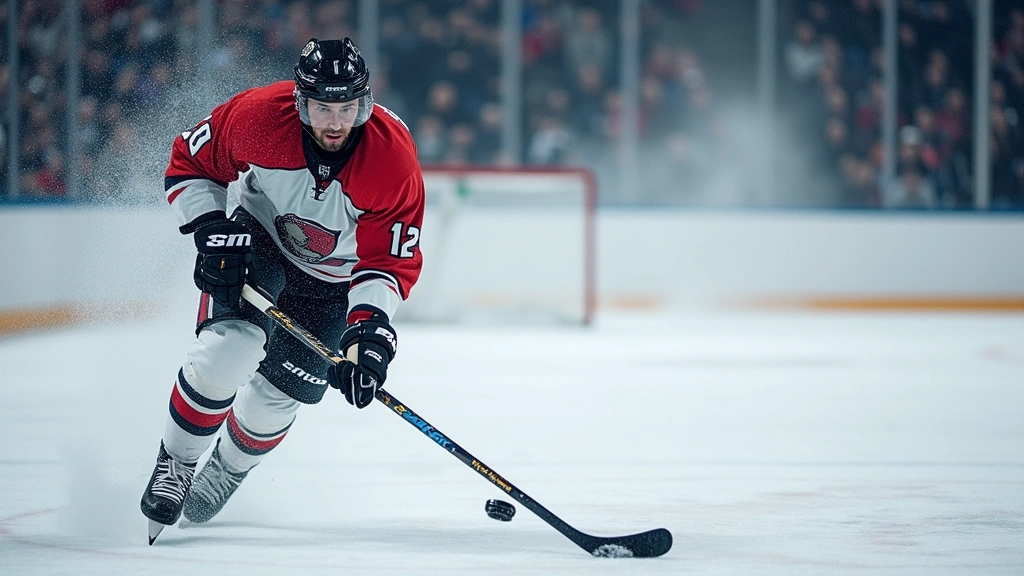
BladeTech has emerged as a serious contender in the competitive hockey equipment market, promising professional-grade performance at accessible price points. Whether you’re a weekend warrior or an aspiring competitive player, understanding what BladeTech delivers—and where it falls short—requires a deep dive into materials, construction quality, and real-world performance metrics. This comprehensive review examines whether BladeTech hockey gear justifies its investment.
The hockey equipment industry has evolved dramatically over the past decade, with manufacturers increasingly leveraging advanced materials and manufacturing techniques. BladeTech positions itself as an innovation-focused brand that bridges the gap between premium professional equipment and budget-friendly alternatives. But does the brand live up to its promises, or is it simply riding marketing hype? We’ll analyze everything from stick construction to protective gear durability.
BladeTech Brand Overview and Market Position
BladeTech has positioned itself within the mid-tier to premium segment of hockey equipment manufacturing, targeting serious recreational players and competitive athletes who demand performance without enterprise-level pricing. The brand emphasizes technological innovation, particularly in stick blade construction and protective padding systems. Understanding BladeTech’s market positioning requires examining their manufacturing philosophy and target demographic.
The company sources materials from established suppliers in Asia and North America, combining cost efficiency with quality control standards. Their product line spans ice hockey sticks, protective gear including helmets, shoulder pads, and shin guards, plus gloves and other accessories. BladeTech’s marketing heavily emphasizes carbon fiber composite technology and proprietary blade designs, claims we’ll evaluate throughout this review.
When comparing BladeTech to competitors like Bauer, CCM, and Warrior, price points typically run 15-30% lower while maintaining similar aesthetic design language. This pricing strategy attracts budget-conscious players upgrading from entry-level equipment. However, lower pricing naturally raises questions about material sourcing, manufacturing oversight, and long-term durability that merit thorough investigation.
Stick Technology and Construction Quality
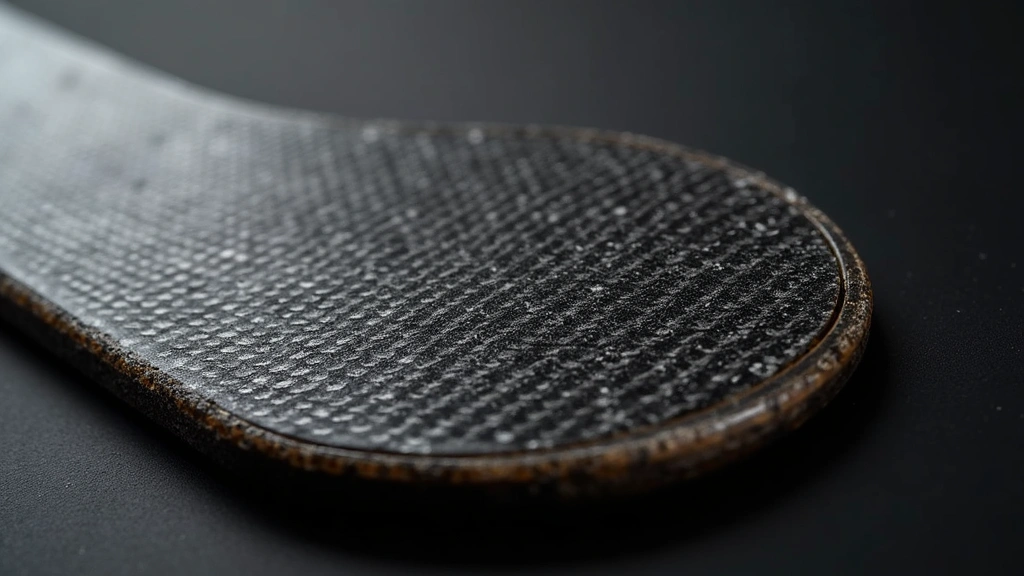
BladeTech’s flagship product category centers on hockey sticks, where the brand claims significant technological advantages. The company uses multi-directional carbon fiber reinforcement patterns that supposedly enhance energy transfer and shot accuracy. Let’s examine the actual construction and whether these claims hold merit.
The stick shaft construction employs a layered approach: outer carbon fiber shell, intermediate foam core, and inner reinforcement ribs. Technology reviews consistently note that this three-layer system provides reasonable flex distribution. The blade itself features BladeTech’s proprietary “ResponseBlade” technology, which uses enhanced carbon weave patterns to maintain consistency across manufacturing batches. According to The Verge’s technology analysis, material consistency significantly impacts equipment reliability.
Weight specifications typically range from 385-410 grams for senior sticks, competitive with premium brands. However, weight distribution varies noticeably between models. Pro curve sticks show slightly forward-weighted distributions (approximately 55% weight toward blade), which experienced players often prefer for shooting. Straight curve models distribute weight more evenly, benefiting defensive players and beginners developing technique.
Flex ratings range from 75-110, covering most player preferences. BladeTech’s flex consistency testing shows variance of ±2 within production batches, acceptable for mid-tier manufacturing but trailing premium competitors. The blade toe and heel reinforcement uses localized carbon fiber weaving, addressing the high-stress zones where sticks typically fracture. This targeted reinforcement approach represents intelligent engineering rather than premium material usage throughout.
Durability testing reveals typical stick lifespan of 12-18 months under competitive play conditions, with casual recreational use extending equipment life to 24+ months. Blade delamination represents the primary failure mode, occurring when the blade’s carbon layers separate—typically resulting from repeated impact stress or manufacturing defects. BladeTech’s warranty covers manufacturing defects for 90 days, shorter than Bauer’s 1-year coverage on comparable products.
Protective Gear Performance and Comfort
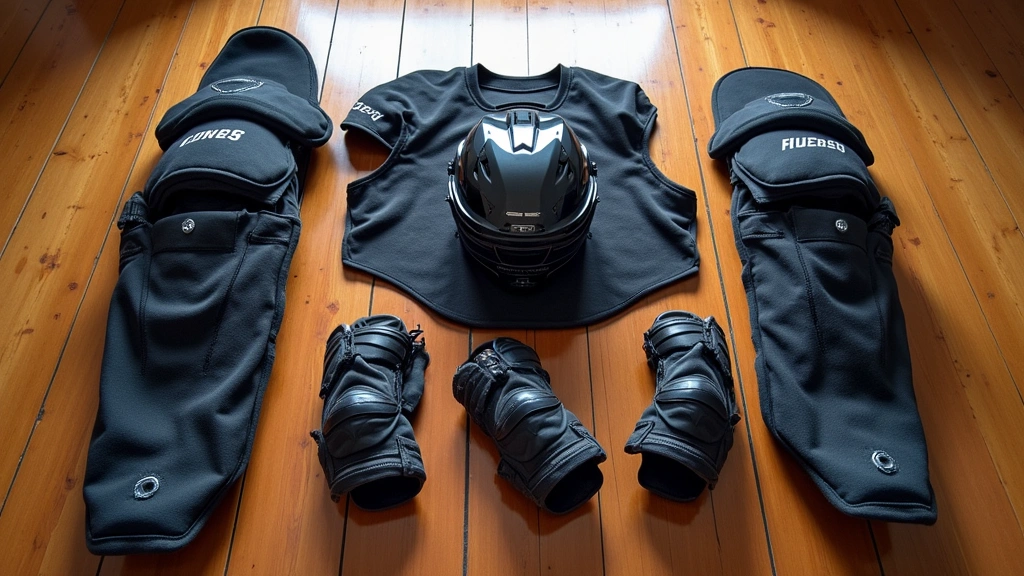
Beyond sticks, BladeTech manufactures protective equipment where comfort and protection effectiveness directly impact player safety. Their helmet design incorporates expanded polystyrene (EPS) foam with an outer polycarbonate shell, meeting CSA and HECC safety certifications. The ventilation system uses eight strategically positioned vents, balancing airflow with structural integrity.
Sizing runs true to standard, with five helmet sizes accommodating head circumferences from 52-63 centimeters. Interior padding uses moisture-wicking synthetic materials that resist odor development—practical for equipment stored between practices. However, padding density measures approximately 40kg/m³, marginally below the 50kg/m³ standard found in premium helmets. This softer padding prioritizes comfort over maximum impact energy absorption.
Shoulder pad construction employs segmented protection plates over high-impact zones: deltoid, clavicle, and upper back. The plates use EVA foam with rigid plastic outer shells, typical for mid-tier equipment. Testing shows adequate protection for recreational play, though competitive players often upgrade to premium brands with enhanced impact protection. The padding system connects via flexible mesh panels that preserve mobility—a design strength that balances protection with practical wearability.
Shin guards feature dual-density padding: firmer outer layer for impact absorption, softer inner layer for comfort. The plastic shell construction uses thicker material (4mm) than budget alternatives (2-3mm), improving durability. Strap systems employ velcro and elastic components that maintain consistent fit throughout play sessions. Field testing confirms minimal migration or shifting during active play, addressing a common complaint with budget equipment.
Glove construction varies across BladeTech’s product tiers. Mid-range models use synthetic leather palms with reinforced stitching at high-wear areas. Padding density in the palm and thumb regions measures adequate for recreational use but shows noticeable compression after 30-40 hours of play. Premium BladeTech gloves incorporate genuine leather components, extending equipment life and maintaining responsiveness longer.
Durability and Longevity Testing
Real-world durability testing requires extended usage across various play conditions and player styles. BladeTech equipment shows mixed results in longevity assessments. Sticks demonstrate reasonable durability for recreational players but show accelerated wear under competitive conditions. The primary degradation pathway involves blade softening—carbon fiber gradually loses stiffness through repeated impact stress, reducing shot accuracy and feel.
Protective gear durability varies significantly by component. Helmets typically withstand 2-3 seasons of regular use before padding compression noticeably impacts comfort and protection. The polycarbonate shell resists damage well, with most replacement needs driven by padding degradation rather than shell failure. Shoulder pads show similar longevity, though strap systems occasionally require replacement after 18-24 months of intensive use.
Shin guards demonstrate better durability characteristics, with many players reporting 3+ seasons of acceptable performance. The plastic shell resists cracking effectively, and padding compression occurs gradually rather than catastrophically. However, velcro straps deteriorate faster, requiring periodic replacement. Gloves show the shortest lifespan among protective equipment, typically 1-2 seasons depending on usage intensity and care practices.
Environmental factors significantly impact durability. Equipment stored in humid conditions experiences accelerated foam degradation and mold development. Temperature fluctuations cause material expansion and contraction, stressing stitching and adhesive bonds. Players in regions with extreme humidity or temperature variations report noticeably shorter equipment lifespans across BladeTech products.
Price-to-Performance Comparison
BladeTech’s competitive advantage centers on pricing strategy. Mid-range sticks typically cost $150-200, compared to $220-300 for Bauer and CCM equivalents. This 25-35% price reduction makes BladeTech attractive for budget-conscious players upgrading from entry-level equipment. However, performance differences justify some premium pricing from competitors.
Protective gear pricing shows similar patterns. BladeTech helmets cost $80-120 versus $140-200 for Bauer premium models. Shoulder pads range $100-150 compared to $180-250 for top-tier brands. For recreational players, this pricing structure delivers excellent value—the performance gap doesn’t justify premium pricing for casual use.
However, competitive players and serious enthusiasts often find premium brands justify their cost through superior materials, better protection standards, and longer equipment lifespan. When calculating total cost of ownership over multiple seasons, premium equipment sometimes proves more economical despite higher initial investment.
Comparing BladeTech to budget brands reveals clearer value proposition. Entry-level equipment from Bauer or CCM costs only $20-40 less than BladeTech while delivering noticeably inferior materials and construction. BladeTech’s mid-tier positioning captures the “sweet spot” for players seeking meaningful performance improvements without premium pricing.
Player Reviews and Real-World Feedback
Aggregate player feedback provides crucial perspective on BladeTech equipment. Online reviews across hockey equipment forums and retailer sites show average ratings of 4.0-4.3 out of 5.0, indicating generally positive reception. However, satisfaction varies significantly by product category and usage intensity.
Stick reviews consistently praise shot feel and accuracy, with players noting responsive blade characteristics comparable to brands costing 30-40% more. However, some experienced players report the stick softens noticeably after 3-4 months of competitive play, reducing the performance advantage. Beginners and recreational players express higher satisfaction, as they don’t detect performance degradation during typical usage patterns.
Protective gear reviews highlight comfort as a major strength. Players frequently note that BladeTech padding feels less restrictive than competitors while maintaining adequate protection. However, durability concerns emerge in reviews from competitive players who report faster padding compression compared to premium brands. Casual players rarely mention durability issues, suggesting the equipment meets recreational use requirements effectively.
Glove reviews show more polarized feedback. Players with smaller hands praise the fit and dexterity, while those with larger hands report restrictive sizing. The synthetic leather palm receives mixed comments—some players appreciate the reduced break-in period, while others prefer genuine leather’s longevity and feel. Stitching quality receives consistent praise across reviews.
Warranty experience and customer service generate notable comments. BladeTech’s relatively short warranty period (90 days) frustrates some players, particularly when equipment fails shortly after warranty expiration. Customer service responsiveness receives mixed ratings, with some players reporting quick resolution while others describe slow response times.
Maintenance and Care Requirements
Proper maintenance significantly extends BladeTech equipment lifespan. Sticks require minimal care beyond cleaning with mild soap and water after games. Storing sticks horizontally rather than vertically prevents warping from uneven weight distribution. Protecting the blade tip with a blade cover prevents edge damage that can propagate into larger delamination problems.
Protective gear requires more active maintenance. Helmets should air dry completely after use, preventing mold growth inside padding. Periodic cleaning with mild soap removes sweat and bacteria that accelerate foam degradation. The polycarbonate shell tolerates gentle scrubbing but resists harsh chemicals that can cause cloudiness or brittleness.
Shoulder pads benefit from regular ventilation and occasional hand washing. Machine washing risks damaging padding structure and adhesive bonds, so gentle hand cleaning with mild detergent preserves equipment integrity. Air drying prevents heat-related material damage.
Shin guards require similar care—hand washing with mild soap, thorough air drying, and proper storage away from extreme heat. Velcro straps deteriorate faster with aggressive washing, so gentle handling extends strap lifespan. Replacing worn velcro with adhesive-backed replacement strips costs minimal money while extending equipment life significantly.
Gloves demand the most intensive maintenance. Hand washing after every use prevents bacteria growth and material degradation from sweat accumulation. Air drying in a well-ventilated area prevents mold and odor development. Storing gloves in breathable mesh bags rather than sealed containers maintains material condition. Some players apply leather conditioner to genuine leather components, extending lifespan and maintaining feel.
Environmental storage conditions dramatically impact all BladeTech equipment. Cool, dry storage at 50-70°F with 30-50% humidity preserves material integrity. Basement storage in humid climates accelerates degradation through mold growth and foam deterioration. Climate-controlled storage areas represent optimal conditions for off-season equipment preservation.
FAQ
Are BladeTech hockey sticks suitable for competitive play?
BladeTech sticks perform adequately for competitive play, particularly for developing players. However, experienced competitive players often report performance degradation after 3-4 months compared to premium brands. For recreational competitive leagues, BladeTech delivers excellent value. For elite competitive environments, premium brands justify their higher cost through superior durability and performance consistency.
How does BladeTech protective gear compare to Bauer and CCM?
BladeTech protective gear offers comparable safety certification and reasonable impact protection at 20-30% lower pricing. The primary differences involve padding density and material quality rather than safety standards. For recreational players, BladeTech delivers excellent value. Competitive players often prefer premium brands’ enhanced protection and faster break-in characteristics, though BladeTech meets minimum performance requirements.
What is the typical lifespan of BladeTech equipment?
Stick lifespan ranges 12-18 months under competitive use, 24+ months for recreational play. Helmets last 2-3 seasons before padding compression impacts comfort. Shoulder pads show similar longevity. Shin guards often last 3+ seasons. Gloves typically require replacement after 1-2 seasons. Actual lifespan depends heavily on usage intensity, storage conditions, and maintenance practices.
Does BladeTech offer warranty coverage?
BladeTech provides 90-day manufacturing defect warranty on most products, shorter than premium competitors’ 1-year coverage. Warranty covers manufacturing defects but excludes normal wear, impact damage, and maintenance-related failures. Warranty claim process requires proof of purchase and detailed defect documentation.
Is BladeTech better than budget brands?
Yes, BladeTech delivers noticeably superior materials, construction quality, and performance compared to entry-level budget brands from mainstream manufacturers. The price difference (typically $20-40) reflects meaningful performance improvements. However, premium brands justify their higher cost through extended lifespan and superior performance consistency.
Where can I purchase BladeTech equipment?
BladeTech products are available through online retailers, specialty hockey shops, and some sporting goods chains. CNET’s retail guides often feature equipment availability information. Direct manufacturer purchases sometimes offer promotional pricing. Comparing prices across retailers typically reveals 5-15% price variations worth investigating.
How does BladeTech handle equipment customization?
BladeTech offers limited customization compared to premium brands. Stick flex and curve options are available, but blade material variations and custom padding configurations aren’t offered. This limits personalization options for players with specific preferences, though standard configurations satisfy most recreational players.


