Boeing Tech Port: Future of Aviation? Expert View
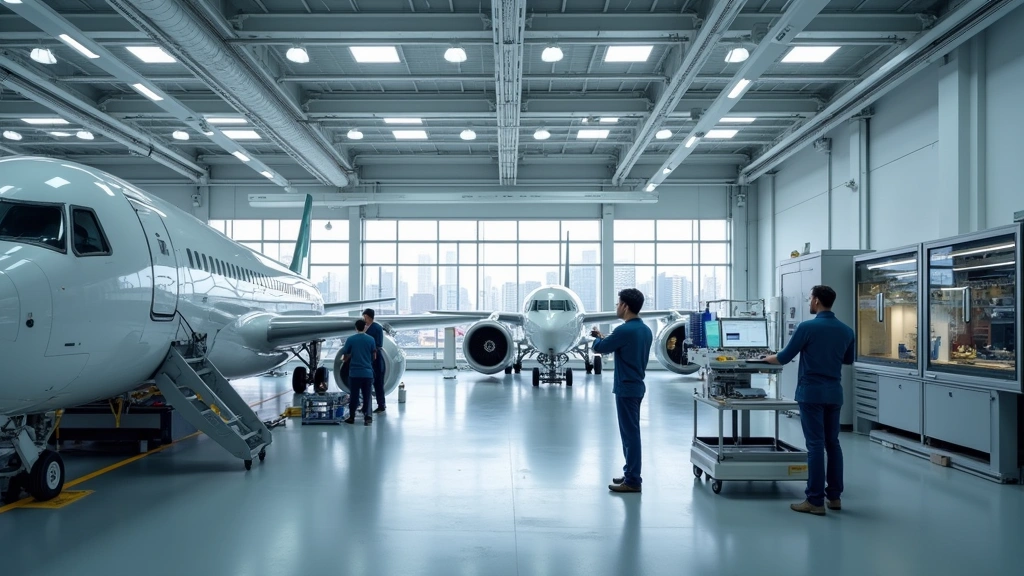
Boeing’s Tech Port represents one of the most ambitious technological initiatives in modern aerospace engineering. Located in St. Louis, Missouri, this innovation hub serves as the epicenter for Boeing’s research and development efforts, focusing on next-generation aircraft systems, autonomous technologies, and advanced manufacturing processes. The facility has become instrumental in shaping how the aviation industry approaches technological advancement, sustainability, and operational efficiency.
As the aerospace sector faces unprecedented pressure to reduce carbon emissions, improve safety protocols, and enhance passenger experience, Boeing Tech Port stands at the forefront of addressing these critical challenges. The facility’s integration of cutting-edge technologies—from artificial intelligence to advanced composite materials—demonstrates Boeing’s commitment to maintaining its position as a leader in aviation innovation. This expert analysis explores what Boeing Tech Port means for the future of aviation and why it matters to industry stakeholders, investors, and technology enthusiasts alike.
What Is Boeing Tech Port?
Boeing Tech Port is a state-of-the-art research and development facility that serves as Boeing’s primary innovation hub for exploring next-generation aerospace technologies. Established as part of Boeing’s strategic modernization efforts, the facility houses thousands of engineers, scientists, and technicians working collaboratively on breakthrough innovations. The complex spans millions of square feet and incorporates advanced laboratories, testing facilities, and collaborative workspaces designed to accelerate the innovation cycle.
The facility operates under a collaborative ecosystem model, where Boeing partners with universities, government agencies, and private sector innovators to tackle complex aerospace challenges. This approach has proven remarkably effective, enabling rapid prototyping and validation of new technologies before implementation in production aircraft. The Tech Port’s organizational structure emphasizes cross-functional teams, breaking down traditional silos that often slow innovation in large aerospace organizations.
What distinguishes Boeing Tech Port from conventional research facilities is its emphasis on rapid commercialization. Rather than focusing solely on theoretical research, the facility operates with a product-oriented mindset, ensuring that innovations developed within its laboratories can be efficiently translated into real-world applications. This philosophy has attracted top talent from across the globe and positioned the facility as a magnet for aerospace innovation.
Core Technologies and Innovations
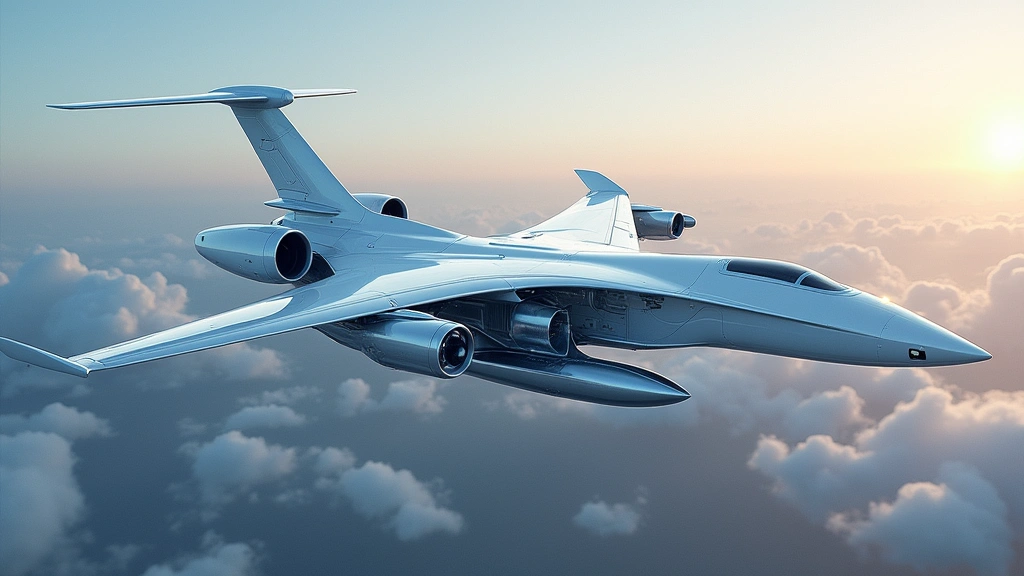
Boeing Tech Port’s research portfolio encompasses an impressive range of technological domains, each addressing critical challenges facing modern aviation. The facility’s teams are actively developing innovations in areas including advanced propulsion systems, next-generation avionics, structural materials, and digital systems architecture. These core technologies represent the building blocks for aircraft that will define aviation in the coming decades.
Advanced materials research constitutes a significant portion of Tech Port’s work. Engineers are developing composite materials with superior strength-to-weight ratios, enabling aircraft to fly further on less fuel while maintaining structural integrity under extreme conditions. These materials incorporate innovative fiber-reinforcement techniques and matrix systems that push the boundaries of what’s possible in aerospace construction.
The facility’s propulsion research division focuses on developing more efficient engines that reduce fuel consumption and emissions without sacrificing performance. This includes research into hybrid-electric propulsion systems, which represent a crucial step toward sustainable aviation. Engineers are exploring battery technologies, electric motor designs, and power management systems that could revolutionize how aircraft operate, particularly for regional routes.
Digital systems innovation at Tech Port encompasses everything from advanced flight management systems to predictive maintenance algorithms. These technologies leverage artificial intelligence applications transforming the future to enhance aircraft safety, efficiency, and passenger experience. The integration of real-time data analytics enables airlines to optimize operations and reduce downtime.
Sustainability and Environmental Impact
Environmental sustainability has emerged as a defining focus for Boeing Tech Port, reflecting industry-wide recognition that aviation must significantly reduce its carbon footprint. The facility’s sustainability initiatives target multiple aspects of aircraft design and operation, from manufacturing processes to in-flight efficiency. Boeing’s commitment to achieving net-zero emissions by 2050 drives much of the research conducted within Tech Port.
One critical area of focus involves developing sustainable aviation fuels (SAF) compatibility systems. Boeing engineers are working to ensure that next-generation aircraft can seamlessly operate on alternative fuels derived from renewable sources, reducing dependence on fossil fuels without requiring complete aircraft redesigns. This compatibility-first approach accelerates SAF adoption across the industry.
The facility’s environmental research extends to manufacturing processes themselves. Teams are implementing cloud computing benefits for businesses to optimize production efficiency and reduce waste throughout the manufacturing supply chain. Advanced simulation and modeling tools allow engineers to identify and eliminate inefficiencies before physical production begins.
Noise reduction represents another environmental priority at Tech Port. Engineers are developing quieter propulsion systems and aerodynamic designs that minimize noise pollution around airports. These innovations address community concerns while enabling aircraft to operate from more airports with fewer operational restrictions, ultimately improving network efficiency.
Advanced Manufacturing Capabilities
Boeing Tech Port incorporates cutting-edge manufacturing facilities that serve as testbeds for next-generation production techniques. The facility demonstrates how digital manufacturing, robotics, and artificial intelligence can dramatically improve production efficiency, quality, and flexibility. These advanced capabilities position Boeing to manufacture aircraft more sustainably and cost-effectively than traditional methods allow.
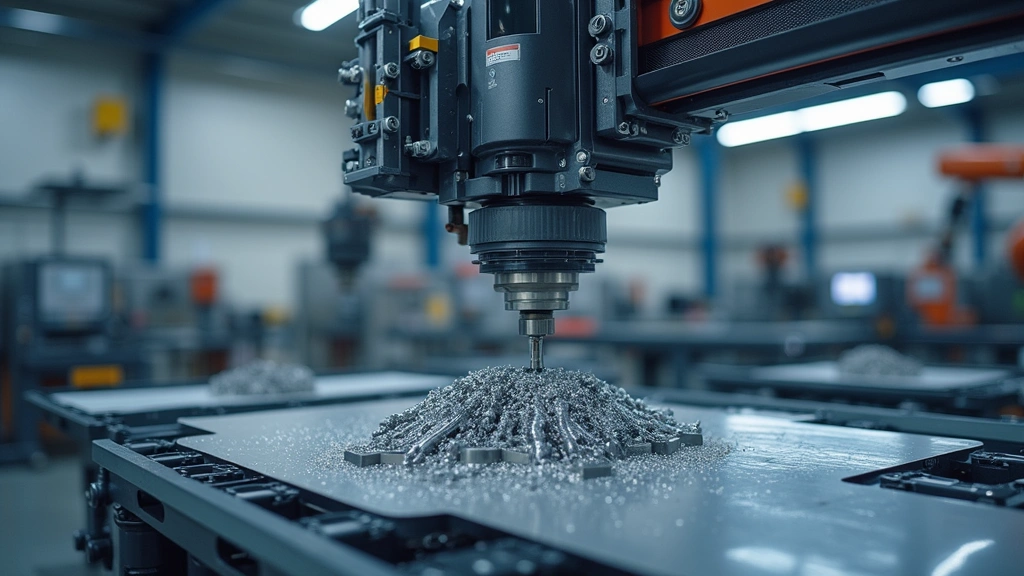
Additive manufacturing (3D printing) represents a transformative technology being extensively researched and tested at Tech Port. Engineers are developing metal 3D printing processes capable of producing complex aerospace components with minimal material waste. This technology enables the creation of intricate internal geometries that would be impossible to manufacture using traditional subtractive methods, reducing weight and improving performance.
Robotic automation systems throughout the facility demonstrate how intelligent machines can handle repetitive, precision-critical tasks while humans focus on complex problem-solving and quality assurance. These collaborative human-machine systems represent the future of aerospace manufacturing, combining human creativity with robotic precision and consistency.
The facility’s digital twin technology enables engineers to create virtual replicas of aircraft and manufacturing processes, allowing them to test modifications and improvements in simulation before implementing them in physical systems. This approach dramatically reduces development time and risk while enabling more ambitious innovation.
Artificial Intelligence Integration
Artificial intelligence permeates virtually every aspect of Boeing Tech Port’s operations, from research and development to manufacturing and quality assurance. The facility leverages machine learning algorithms to analyze vast datasets, identify patterns, and optimize complex systems in ways that would be impossible through traditional analytical methods.
Predictive maintenance algorithms developed at Tech Port use AI to analyze aircraft sensor data and predict component failures before they occur. This capability enables airlines to perform maintenance proactively, reducing unexpected downtime and improving safety. The algorithms continuously learn from operational data, becoming increasingly accurate over time.
Design optimization represents another critical AI application at Tech Port. Machine learning algorithms assist engineers in exploring vast design spaces, identifying configurations that optimize for multiple competing objectives like weight, strength, aerodynamic efficiency, and manufacturability. This capability has led to breakthrough designs that human engineers alone would likely never discover.
The facility’s TechPulseHunter Blog frequently discusses how emerging AI technologies reshape industries, and aerospace is no exception. Boeing Tech Port exemplifies how leading organizations leverage AI to maintain competitive advantages and drive innovation forward.
Autonomous Systems Development
Boeing Tech Port is actively developing autonomous technologies that will gradually transform how aircraft operate and are maintained. While fully autonomous commercial aircraft remain years away due to regulatory and safety considerations, the research conducted at Tech Port lays essential groundwork for this eventual transition.
Autonomous inspection systems represent an immediate application of this research. Robotic systems equipped with advanced sensors can inspect aircraft surfaces, engines, and internal systems more thoroughly and consistently than human inspectors, identifying potential issues before they develop into safety problems. These systems operate in environments that would be dangerous for human workers, improving both safety and efficiency.
Autonomous ground operations systems are also being developed at Tech Port, enabling aircraft to taxi, park, and perform certain ground-based operations without pilot intervention. These systems enhance airport safety by reducing human error in ground operations and improving coordination between aircraft and ground infrastructure.
The facility’s research into autonomous cargo aircraft has generated significant interest from logistics companies seeking to optimize supply chains. Unmanned cargo aircraft could operate on routes too short or economically marginal for piloted flights, revolutionizing logistics networks and enabling new business models.
Investment and Economic Impact
Boeing Tech Port represents a massive investment in aerospace innovation, with implications extending far beyond Boeing itself. The facility attracts top talent from around the world, creates high-skilled employment opportunities, and generates economic activity throughout the St. Louis region. The facility’s research partnerships with universities contribute to workforce development and academic advancement in aerospace engineering.
The economic impact of Boeing Tech Port extends through supply chains as component manufacturers, software developers, and specialized service providers support the facility’s operations. This ecosystem effect multiplies the direct economic impact of the facility, making it a significant regional economic engine.
For investors interested in aerospace and technology sectors, Boeing Tech Port’s innovations directly influence best tech stocks performance. The breakthrough technologies developed within the facility enhance Boeing’s competitive position and create new revenue opportunities through licensing and partnerships.
The facility’s research initiatives also attract government funding from agencies including NASA and the Department of Defense, which recognize the strategic importance of maintaining American leadership in aerospace innovation. These partnerships ensure sustained investment in cutting-edge research while distributing financial risk across multiple stakeholders.
Challenges and Future Outlook
Despite its impressive capabilities and achievements, Boeing Tech Port faces significant challenges that will shape its future trajectory. The aerospace industry’s cyclical nature creates budget pressures during downturns, potentially limiting research scope and slowing innovation cycles. Additionally, fierce international competition from Airbus and emerging aerospace companies in China and other nations intensifies pressure to maintain technological leadership.
Regulatory challenges present another obstacle to rapid innovation implementation. Aviation safety regulations prioritize caution, requiring extensive testing and validation before new technologies can be deployed in commercial aircraft. While these requirements are essential for passenger safety, they necessarily slow the innovation-to-deployment timeline compared to less safety-critical industries.
Supply chain vulnerabilities exposed during recent global disruptions have prompted Boeing Tech Port to invest in more resilient, locally-sourced component strategies. This represents a fundamental shift from the globally-optimized supply chains that characterized previous decades, requiring significant research and operational adjustments.
Looking forward, Boeing Tech Port’s research agenda will increasingly emphasize sustainability, autonomous operations, and digital transformation. The facility’s evolution toward technology in smart homes: enhancing modern living principles—where connected, intelligent systems optimize performance—mirrors broader trends affecting aerospace. Future aircraft will function as intelligent systems, continuously learning from operational data and adapting to changing conditions.
The facility’s role in developing electric and hydrogen-powered aircraft represents perhaps its most transformative research direction. These technologies could fundamentally reshape aviation economics and environmental impact, but require breakthroughs in energy storage, power transmission, and thermal management that remain active areas of research at Tech Port.
FAQ
What specific innovations has Boeing Tech Port developed?
Boeing Tech Port has developed innovations ranging from advanced composite materials and hybrid-electric propulsion systems to predictive maintenance algorithms and autonomous inspection systems. The facility’s research spans structural design, avionics, manufacturing processes, and artificial intelligence applications.
How does Boeing Tech Port contribute to sustainability?
The facility focuses on developing sustainable aviation fuels compatibility systems, reducing manufacturing waste through advanced techniques, implementing quieter propulsion systems, and researching electric and hydrogen-powered aircraft. These efforts support Boeing’s commitment to achieving net-zero emissions by 2050.
Can I visit Boeing Tech Port?
Boeing Tech Port occasionally offers guided tours for authorized visitors, including aerospace professionals, students, and media representatives. However, access is restricted to protect proprietary research and classified military projects. Contact Boeing directly for information about tour availability.
How does Boeing Tech Port compare to competitor facilities?
While Airbus and other aerospace companies operate sophisticated R&D facilities, Boeing Tech Port’s scale, integration of artificial intelligence, and focus on rapid commercialization distinguish it as a leading innovation hub. The facility’s collaborative partnership approach with universities and government agencies enhances its research capabilities.
What is the timeline for technologies developed at Tech Port reaching commercial aircraft?
Development timelines vary significantly depending on technology type and regulatory requirements. Some innovations may reach production within 5-10 years, while more fundamental breakthroughs might require 15-20 years of development, testing, and certification before commercial deployment.
How does Boeing Tech Port prepare for future aviation challenges?
The facility maintains a long-term research agenda addressing anticipated challenges including climate change, resource scarcity, urban air mobility, and space access. This forward-looking approach ensures Boeing remains positioned to lead industry transformation rather than react to disruptions.


