Best eReader for Book Lovers? Expert Insights on Top Models and Features
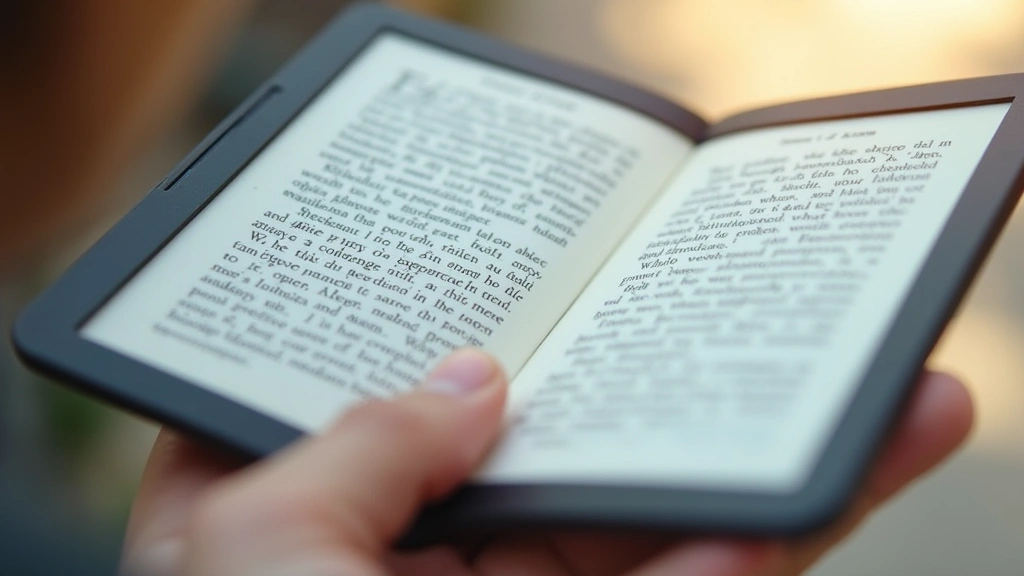
The eReader market has evolved dramatically over the past decade, transforming how millions of people consume literature worldwide. Whether you’re a casual reader who enjoys a novel during commutes or a voracious book enthusiast who devours multiple titles weekly, selecting the right eReader can significantly enhance your reading experience. Modern eReaders combine cutting-edge e-ink technology, extended battery life, and thoughtful design to create devices that rival the tactile pleasure of physical books while offering unmatched convenience and portability.
In this comprehensive guide, we’ll examine the leading eReader options available today, analyzing their specifications, performance metrics, and real-world usability. From the industry-standard Kindle lineup to premium alternatives like Kobo and Onyx devices, we’ll help you understand which eReader best matches your reading habits, budget, and technical preferences. We’ve consulted expert reviews, manufacturer specifications, and extensive user feedback to provide you with the most current and reliable information for making an informed purchase decision.
Understanding E-Ink Technology and Display Quality
E-ink technology represents the cornerstone of modern eReader design, fundamentally different from LCD or OLED displays found in smartphones and tablets. This electrophoretic display technology uses millions of microscopic capsules containing charged particles that shift position based on electrical signals, creating text and images that appear to sit on the page surface rather than emit light. The result is a reading experience that closely mimics traditional paper, reducing eye strain during extended reading sessions.
Contemporary eReaders utilize several advanced e-ink variants. Standard e-ink offers crisp black-and-white text with excellent contrast ratios, while Gallery technology introduces improved contrast and smoother grayscale rendering. Newer innovations like Kaleido and Gallery Plus enable color display capabilities, allowing eReaders to show illustrations, maps, and colored text—particularly valuable for graphic novels, children’s books, and technical publications with diagrams.
Display resolution has become increasingly important in differentiating premium eReaders. Standard models typically feature 167 pixels per inch (PPI), while higher-end devices reach 300 PPI or beyond, delivering sharper text rendering comparable to printed books. Screen size variations range from compact 6-inch models ideal for travel to expansive 10.3-inch displays suited for technical documents, sheet music, and graphic content. When evaluating tech news and product reviews, display quality metrics consistently emerge as primary decision factors for discerning readers.
Refresh rate optimization has evolved significantly, with modern eReaders implementing faster page-turn speeds through improved e-ink formulations. This enhancement eliminates the ghosting effect that plagued earlier generations, making the reading experience feel more natural and responsive. Frontlight technology—integrated LED illumination—allows comfortable reading in low-light conditions without the harsh blue-light emission associated with traditional backlit screens.
Amazon Kindle Ecosystem: Market Leader Analysis
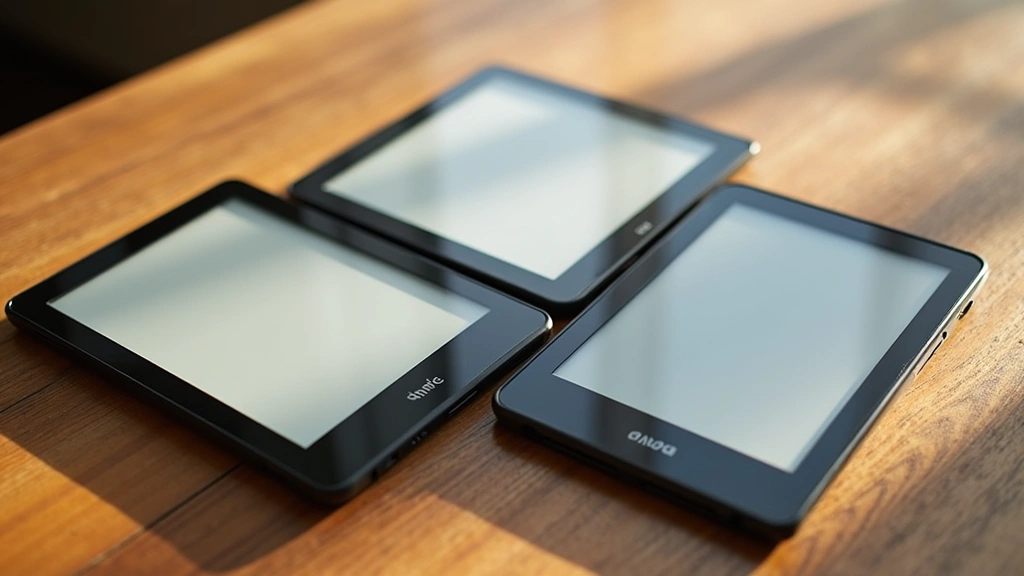
Amazon’s Kindle family maintains dominant market position through a combination of competitive pricing, extensive content library, and seamless ecosystem integration. The lineup spans multiple price points and feature sets, ensuring accessibility for budget-conscious readers while offering premium options for those seeking enhanced functionality.
The entry-level Kindle remains the most affordable option, featuring a 6-inch e-ink display with 167 PPI resolution and essential reading features. This model excels for casual readers who prioritize cost-effectiveness and basic functionality over advanced features. Its compact form factor and lightweight design make it exceptional for travel, fitting easily into bags or jacket pockets. Battery life extends approximately two weeks under typical reading conditions, requiring minimal charging frequency.
The Kindle Paperwhite represents Amazon’s sweet spot offering, introducing premium features at mid-range pricing. The 6.8-inch display with 300 PPI delivers noticeably sharper text rendering, while enhanced frontlight technology provides superior low-light readability. Waterproofing rated to IPX8 standard enables worry-free poolside reading and accidental water exposure protection. Storage capacity reaches 32GB on higher-tier models, accommodating thousands of titles without requiring frequent deletions.
For devoted bibliophiles and technical readers, the Kindle Scribe introduces innovative stylus functionality, allowing annotations directly on e-ink displays. This hybrid approach combines reading with note-taking capabilities, proving invaluable for students, researchers, and those who prefer marking passages and writing marginal comments. The larger 10.2-inch display accommodates PDF documents and technical materials more effectively than smaller alternatives.
Amazon’s Kindle Unlimited subscription service fundamentally changes the economics of digital reading. For a monthly fee, subscribers access millions of titles across virtually every genre, making unlimited reading financially accessible. Integration with Whispersync technology enables seamless transitions between reading on Kindle devices, smartphones, and tablets, preserving your reading position across all platforms. When exploring recent platform industry developments, Amazon’s expansion of Kindle services reflects broader trends in digital content distribution.
The Kindle ecosystem’s primary limitation centers on DRM restrictions and format limitations. While Amazon supports common formats like MOBI and PDF, their proprietary approach discourages reading materials from independent publishers or library lending services. Users seeking maximum flexibility may find alternative platforms more accommodating.
Premium Alternatives: Kobo and Onyx Devices
Kobo has emerged as the primary challenger to Amazon’s dominance, particularly appealing to readers prioritizing open standards and format flexibility. The Kobo Elipsa series combines e-ink reading with stylus note-taking functionality, directly competing with Kindle Scribe while maintaining superior support for independent publishers and library systems.
Kobo’s commitment to open-source software and standard file formats—including EPUB, PDF, and MOBI—provides significantly greater flexibility for sourcing reading materials. Library integration proves particularly robust, with direct support for Overdrive and Libby applications, enabling borrowing of digital books from public libraries. This ecosystem advantage appeals especially to budget-conscious readers and those supporting independent authors.
The Kobo Sage offers a 7-inch display with 300 PPI resolution and optional stylus functionality, positioned between standard readers and premium models. Advanced frontlight technology includes adjustable color temperature, allowing customization of warm/cool tones to suit personal preference and reduce eye strain during evening reading sessions. Waterproofing meets IPX8 standards, matching Kindle Paperwhite specifications.
Onyx International specializes in high-performance e-ink devices, particularly the Note series designed for professionals and serious readers. These devices feature exceptional build quality, responsive stylus performance, and innovative features like page turning buttons and customizable interface elements. The Page series targets traditional readers, offering distraction-free reading experiences with minimal software overhead.
Onyx’s Boox line introduces color e-ink technology through Kaleido displays, enabling full-color reading without sacrificing the eye-friendly properties of e-ink. This advancement proves particularly valuable for readers interested in graphic novels, children’s illustrated books, and publications with color diagrams. Processing power exceeds typical eReaders, enabling smoother app performance and faster navigation.
Premium Onyx models incorporate advanced features including customizable home screens, file browser access, and sideloading capabilities for specialized applications. These devices appeal to tech-savvy readers and professionals who demand maximum flexibility and control over their reading environment. The trade-off involves steeper pricing and a steeper learning curve compared to more streamlined alternatives.
Battery Life and Storage Considerations
Battery longevity represents a critical advantage of eReaders compared to traditional tablets and smartphones. E-ink display technology consumes minimal power during static display, requiring energy only during page transitions. This efficiency enables extended reading sessions spanning weeks between charges, fundamentally changing how users approach device management.
Most modern eReaders advertise battery life between 10-14 days under typical reading conditions. Actual performance varies based on frontlight usage intensity, WiFi connectivity frequency, and page-turn frequency. Readers who frequently access WiFi for downloading books experience shorter battery life than those in offline reading mode. Frontlight usage particularly impacts battery consumption, with full brightness reducing battery life by approximately 30-40% compared to minimal lighting.
Storage capacity has become increasingly important as digital libraries expand. Entry-level models typically offer 8GB or 16GB storage, sufficient for 1,000-2,000 average-length novels. However, serious readers and those storing large PDF collections benefit from 32GB or higher capacity. Premium devices increasingly offer expandable storage through microSD card slots, providing virtually unlimited capacity for voracious readers.
Cloud storage integration through manufacturer ecosystems provides additional flexibility. Amazon’s Kindle cloud storage allows unlimited storage of personal documents and Kindle-exclusive content, enabling device-agnostic access to your library. Kobo and Onyx devices similarly support cloud synchronization, though with less generous storage allowances. Understanding cloud computing benefits and storage architecture helps readers optimize their digital library management strategies.
Battery degradation over extended ownership periods represents an often-overlooked consideration. Most eReaders maintain 80% battery capacity after two years of regular use, with degradation accelerating thereafter. Manufacturers typically warrant batteries for one year, though many devices remain functional for 4-5 years with diminished capacity. Replacement battery services vary by manufacturer, with some offering affordable repairs while others encourage device replacement.
Software, Integration, and Library Management
Software experience significantly influences daily eReader satisfaction, affecting everything from navigation responsiveness to content discovery capabilities. Amazon’s Kindle software prioritizes simplicity and speed, featuring minimal interface elements and streamlined menu navigation. This approach appeals to readers seeking distraction-free experiences, though it limits customization options compared to more advanced alternatives.
Kobo’s software offers greater flexibility through customizable home screens, adjustable font options, and extensive reading statistics tracking. The platform integrates Pocket support for saving articles from the web directly to your device, appealing to readers who consume diverse content types. Library management features exceed Kindle capabilities, with sophisticated categorization and tagging systems for organizing large collections.
Onyx devices run modified versions of Android, providing access to the Google Play Store and third-party applications. This architecture enables installation of specialized apps like note-taking software, PDF readers, and productivity tools, transforming eReaders into multifunctional devices. The trade-off involves increased complexity and slightly reduced battery efficiency compared to purpose-built reading platforms.
Format support represents a crucial differentiator for readers sourcing materials from diverse publishers. Kindle ecosystem restricts optimal formatting to Amazon’s proprietary MOBI format, while Kobo and Onyx devices natively support EPUB, the industry standard for independent publishers and library systems. PDF handling varies significantly, with some devices rendering complex layouts more effectively than others. When researching emerging technology applications in content distribution, AI-powered recommendations increasingly enhance library discovery across platforms.
Synchronization capabilities allow seamless transitions between devices. Kindle’s Whispersync preserves reading position, bookmarks, and highlights across all Kindle devices and apps. Kobo’s sync functionality similarly maintains reading progress, though with less comprehensive cross-platform support. Onyx devices primarily focus on device-specific synchronization, appealing to readers using dedicated eReaders rather than apps on multiple platforms.
Price Comparison and Value Proposition
EReader pricing spans from approximately $100 for entry-level models to $500+ for premium devices with advanced features. Understanding value at different price points helps identify optimal purchases based on individual reading patterns and budget constraints.
Budget options ($100-150) including basic Kindle and Kobo Clara models deliver excellent value for casual readers. These devices offer reliable reading experiences, adequate battery life, and sufficient storage for typical reading habits. The trade-off involves smaller screens, lower resolution displays, and reduced feature sets compared to premium alternatives. For readers consuming fewer than five books monthly, budget devices provide optimal cost-per-reading-hour economics.
Mid-range devices ($150-300) like Kindle Paperwhite and Kobo Sage represent the most popular category, balancing feature richness with reasonable pricing. Enhanced displays, superior frontlight systems, and waterproofing justify the premium over budget alternatives. Most serious readers find mid-range devices perfectly suited to their needs, offering professional-grade reading experiences without premium pricing.
Premium models ($300-500) including Kindle Scribe, Kobo Elipsa, and high-end Onyx devices justify their cost through advanced features like stylus functionality, larger displays, and color e-ink technology. These devices appeal to professionals, students, and readers with specialized needs beyond traditional novel reading. The enhanced note-taking capabilities and display quality often prove invaluable for their target audiences.
Long-term value calculations should consider content ecosystem costs. Kindle Unlimited subscriptions ($11.99/month) provide unlimited reading access, dramatically improving value for voracious readers. Library integration through Kobo and Onyx devices eliminates subscription requirements entirely, making these platforms economically superior for budget-conscious readers with library access. When evaluating comprehensive tech news and market analysis, subscription service economics increasingly influence purchasing decisions across consumer electronics categories.
Waterproofing and Durability Features
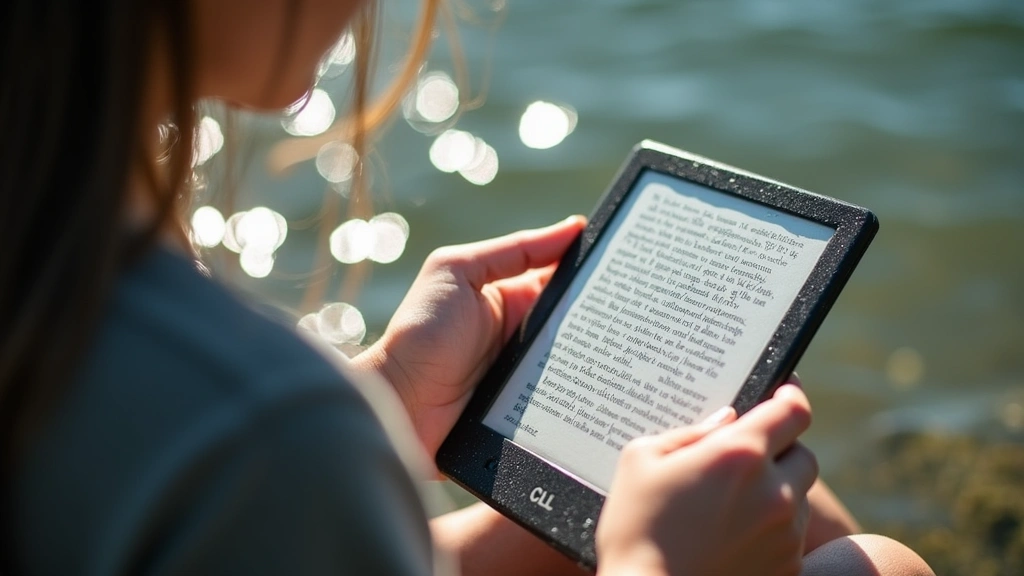
Modern eReaders increasingly incorporate waterproofing, addressing one of physical books’ advantages—the ability to read near water without catastrophic device damage. IPX8 waterproof ratings, found on Kindle Paperwhite and comparable premium models, enable submersion up to 2 meters for 60 minutes without damage. This certification provides genuine peace of mind for poolside reading, beach excursions, and bathroom reading sessions.
Build quality varies significantly between manufacturers. Kindle devices feature plastic construction prioritizing weight reduction and cost efficiency, while Kobo and Onyx devices often employ premium materials like aluminum and composite materials for enhanced durability. These material choices influence perceived quality and long-term durability, though both approaches prove sufficiently robust for typical usage patterns.
Screen protection represents another durability consideration. Most modern eReaders feature Gorilla Glass or comparable scratch-resistant coatings protecting the display from accidental damage. However, direct impact damage can cause e-ink display failures requiring expensive repairs. Protective cases prove highly recommended investments, particularly for readers prone to accidental drops or carrying devices in bags with other items.
Bezel design affects both durability and usability. Raised bezels protect display edges from impact damage during drops, while modern designs increasingly minimize bezels for improved aesthetics and reduced form factor. This trend represents a trade-off between visual appeal and practical durability considerations.
Thermal management and component protection influence long-term reliability. Quality eReaders incorporate proper ventilation and component isolation preventing moisture accumulation and heat damage. Extended exposure to extreme temperatures can degrade battery performance and e-ink display responsiveness, making storage conditions important for long-term device health.
What’s the difference between e-ink and LCD displays?
E-ink displays use electrophoretic technology creating images through particle movement, mimicking paper appearance and eliminating eye strain during extended reading. LCD screens emit light directly like traditional monitors, causing eye fatigue and requiring more frequent charging. E-ink reads comfortably in bright sunlight while LCD screens often become illegible outdoors.
Can I read library books on eReaders?
Yes, most eReaders support library borrowing through apps like Libby and Overdrive. Kindle devices require converting library books to compatible formats, while Kobo and Onyx devices natively support standard library EPUB formats. Check your local library’s digital lending platform compatibility before purchasing.
How long do eReader batteries typically last?
Modern eReaders last 10-14 days between charges under normal usage. Heavy frontlight use reduces battery life by 30-40%. Battery degradation becomes noticeable after 2-3 years, with most devices remaining functional for 4-5 years total lifespan.
Are eReaders better than physical books for reading?
eReaders offer superior convenience, portability, and lighting options, but reading comprehension studies show minimal difference. Personal preference determines superiority—some readers strongly prefer physical books’ tactile experience, while others value eReader convenience and adjustable text sizing.
Can I write notes on eReaders?
Standard eReaders support digital highlighting and note-taking through on-screen keyboards. Stylus-enabled models like Kindle Scribe and Kobo Elipsa enable handwritten annotations directly on pages, providing more natural note-taking experiences.
What’s the best eReader for reading PDFs?
Larger-screen devices like Kindle Scribe (10.2 inches) and Onyx Note series handle PDF documents more effectively than compact 6-inch models. Onyx devices with Android operating systems provide superior PDF rendering and annotation capabilities.
Do I need to buy books from specific stores?
Kindle devices tie you to Amazon’s store, though you can sideload MOBI-format files. Kobo and Onyx devices support EPUB format from any retailer, including independent publishers and library systems, providing maximum purchasing flexibility.


