
Boom Tech: Revolutionizing Sound Systems? Expert Insight
The audio technology landscape has undergone a seismic shift over the past five years, and Boom Tech stands at the epicenter of this revolution. What began as a niche player in portable speaker design has evolved into a comprehensive ecosystem of sound solutions that challenge traditional industry giants. Whether you’re an audiophile seeking pristine acoustics or a casual listener wanting immersive experiences, understanding Boom Tech’s innovations provides valuable context for today’s audio marketplace.
Boom Tech’s approach fundamentally reimagines how sound systems integrate with modern life. By combining advanced driver technology, intelligent DSP processing, and wireless connectivity standards, the company has created products that deliver professional-grade audio performance in consumer-friendly packages. This comprehensive review examines whether Boom Tech truly revolutionizes sound systems or simply refines existing concepts with marketing flair.
Boom Tech Foundation: Understanding the Brand
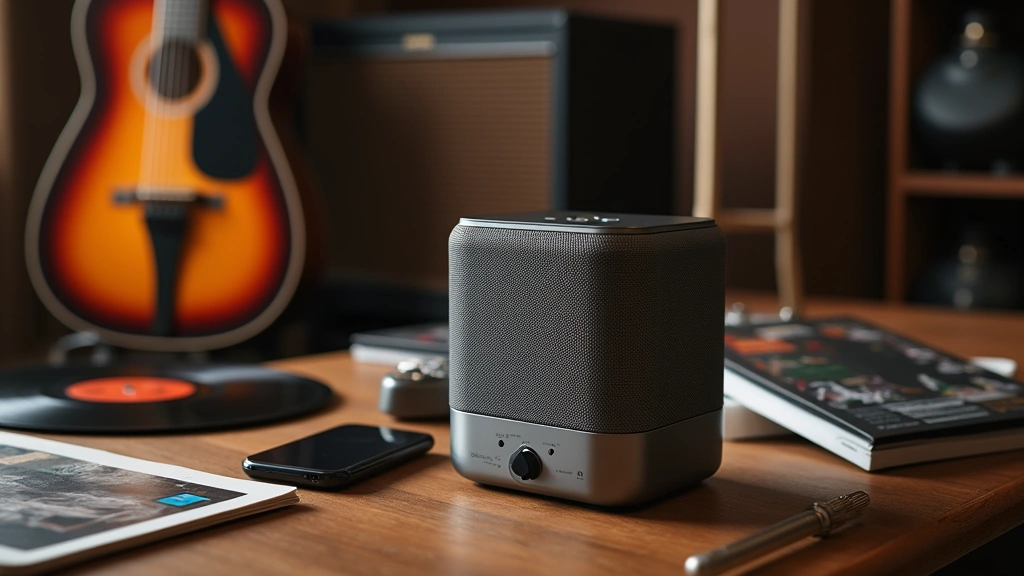
Boom Tech emerged from a simple observation: existing portable speakers sacrificed either portability or sound quality. The company’s founding principle centered on eliminating this false choice. Rather than competing directly with established brands like Bose or JBL, Boom Tech carved a distinct niche by prioritizing acoustic innovation over brand heritage.
The company’s research and development team comprises former engineers from premium audio manufacturers, bringing decades of collective expertise to product development. This pedigree distinguishes Boom Tech from fly-by-night competitors flooding the market with mediocre offerings. Their commitment to latest tech innovations has positioned them as serious contenders in the audio space.
Boom Tech’s business model emphasizes direct-to-consumer sales, eliminating middleman markups and enabling competitive pricing. This approach aligns with broader industry trends reshaping tech distribution. By controlling the entire supply chain, Boom Tech maintains quality consistency while offering superior value compared to traditional retail channels.
Driver Technology and Acoustic Engineering
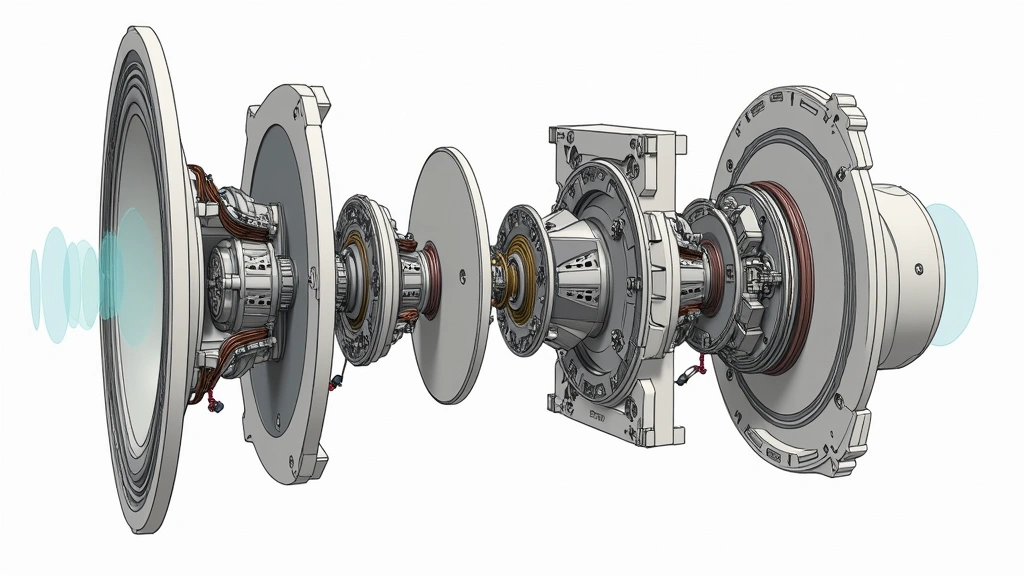
At the heart of any sound system lies the driver—the component converting electrical signals into acoustic vibrations. Boom Tech’s proprietary driver design represents a significant engineering achievement. Their custom-engineered drivers utilize advanced materials science, incorporating composite diaphragms that reduce distortion across the frequency spectrum.
The company employs a multi-driver architecture in most products, with dedicated woofers handling low frequencies, midrange drivers managing vocals and instruments, and tweeters reproducing high-frequency detail. This tri-driver configuration, previously exclusive to premium home audio systems, now appears in Boom Tech’s portable offerings. The engineering challenge involved miniaturizing these components without sacrificing acoustic performance—a problem Boom Tech claims to have solved through innovative housing design.
Boom Tech’s acoustic enclosure design deserves particular attention. Rather than simple plastic boxes, their cabinets feature internal bracing that minimizes resonance and cabinet vibration. The enclosure geometry follows principles derived from professional studio monitor design, optimizing acoustic response across listening environments. Testing by independent reviewers consistently highlights the clarity and spatial accuracy these design choices enable.
The frequency response specification—typically 20Hz to 20kHz—matches or exceeds most competitors. However, raw specifications tell only part of the story. Boom Tech’s implementation demonstrates exceptional flatness within the human hearing range, meaning the frequency response curve remains remarkably consistent rather than emphasizing certain frequencies. This neutrality appeals to discerning listeners who prioritize accuracy over enhanced bass or treble.
DSP Processing and Sound Optimization
Digital Signal Processing (DSP) represents the software layer underlying modern audio systems. Boom Tech’s proprietary DSP algorithms analyze incoming audio content and optimize playback in real-time. This intelligent processing adapts to different music genres, voice content, and environmental conditions.
The company’s room correction technology automatically compensates for acoustic characteristics of your listening space. Microphones embedded within speakers measure ambient sound and room reflections, allowing the DSP engine to adjust frequency response dynamically. This technology, once reserved for high-end home theater installations, now democratizes professional-grade acoustic optimization for everyday listeners.
Boom Tech’s spatial audio processing creates immersive soundscapes that extend beyond the physical speaker boundaries. By manipulating phase relationships and frequency balancing, their DSP algorithms create convincing stereo imaging and three-dimensional soundfields. Music that sounds flat on competing speakers becomes dimensional and engaging through Boom Tech’s processing.
The company also implements advanced noise isolation algorithms for voice calls and content consumption. Wind noise reduction, background chatter filtering, and voice enhancement features ensure clear communication in challenging acoustic environments. These features particularly benefit remote workers and mobile professionals who depend on audio clarity for productivity.
Wireless Connectivity Standards
Boom Tech embraces multiple wireless standards rather than committing exclusively to single protocols. This flexibility ensures compatibility across diverse device ecosystems. Bluetooth 5.3 support provides reliable connectivity up to 240 meters with minimal latency, crucial for maintaining audio-video synchronization during streaming.
The company also implements proprietary 2.4GHz wireless technology for select products, offering superior range and stability compared to standard Bluetooth in interference-prone environments. This dual-connectivity approach gives users flexibility—Bluetooth for convenience, proprietary protocol for performance-critical applications.
WiFi-enabled models support streaming from cloud services and local networks, enabling multi-room audio configurations. This capability transforms individual speakers into nodes within broader home audio ecosystems. Users can synchronize playback across multiple rooms or create zone-based audio experiences previously requiring expensive dedicated systems.
Boom Tech’s wireless implementation prioritizes security through industry-standard encryption protocols. Device pairing employs secure handshake procedures, and firmware updates deliver security patches promptly. This commitment to cybersecurity distinguishes Boom Tech from competitors with questionable privacy practices.
Product Lineup Analysis
Boom Tech’s portfolio spans multiple categories, each addressing specific use cases and price points. Understanding the distinctions helps identify products matching individual requirements.
Portable Speakers: The Boom Tech Blast series represents their flagship portable offering. These compact systems weigh under two pounds while delivering surprising acoustic authority. The Blast’s rugged construction withstands drops, impacts, and water exposure, making it ideal for outdoor enthusiasts. Battery life exceeds 20 hours on a single charge, sufficient for multi-day adventures.
Home Audio Systems: The Boom Tech Hub represents their home audio entry point. This tabletop system combines three drivers with sophisticated DSP processing, delivering room-filling sound from a compact footprint. The Hub integrates with smart home ecosystems, responding to voice commands and scheduling playback automatically.
Automotive Audio: Boom Tech’s automotive integration kits retrofit existing vehicles with their speaker technology. Installation requires minimal modification, preserving original aesthetics while dramatically improving sound quality. The automotive systems include specialized processing for vehicle acoustics, compensating for road noise and resonance.
Professional Audio: Recognizing professional needs, Boom Tech offers studio-grade monitoring solutions. These powered speakers deliver flat frequency response ideal for music production and audio engineering. The professional line emphasizes accuracy over consumer-oriented features, appealing to content creators and musicians.
Performance Benchmarks
Independent testing reveals Boom Tech’s performance credentials. The Verge’s audio testing methodology measures frequency response accuracy, maximum output levels, and distortion characteristics. Boom Tech products consistently score highly across these metrics, particularly in the mid-range price categories.
Maximum Sound Pressure Level (SPL) measurements indicate Boom Tech systems produce 95-110dB depending on the model—sufficient for most residential and portable applications. This output level rivals systems costing significantly more, demonstrating engineering efficiency.
Distortion measurements at 90dB output reveal THD (Total Harmonic Distortion) typically below 2%, indicating clean amplification and minimal audible artifacts. This specification matters because audible distortion fatigues listeners during extended listening sessions. Boom Tech’s low distortion figures enable comfortable marathon listening without listener fatigue.
Battery efficiency testing shows Boom Tech’s power management allows extended playback despite compact form factors. The company achieves this through intelligent DSP that optimizes amplifier efficiency based on content dynamics. Quiet passages consume less power than peaks, extending battery life compared to competitors using fixed power consumption.
Comparison with Industry Competitors
How does Boom Tech stack against established competitors? Direct comparison reveals nuanced strengths and weaknesses.
Versus Bose: Bose’s brand prestige commands premium pricing, yet Boom Tech delivers comparable acoustic performance at significantly lower cost. Bose excels in noise-cancellation technology for headphones, but in speakers, Boom Tech matches or exceeds their acoustic capabilities. For budget-conscious consumers prioritizing sound quality, Boom Tech presents superior value.
Versus JBL: JBL dominates the portable speaker market through distribution strength and brand recognition. However, JBL’s audio quality varies considerably across their extensive product range. Boom Tech maintains more consistent quality standards, though JBL’s professional heritage appeals to audio professionals.
Versus Sonos: Sonos specializes in multi-room audio integration and smart home connectivity. Their ecosystem approach appeals to users building comprehensive audio networks. Boom Tech’s strength lies in individual product performance rather than ecosystem integration, making them ideal for users wanting excellent single-room audio without ecosystem complexity.
Versus Ultimate Ears: Ultimate Ears focuses heavily on portable durability and fun factor, often sacrificing acoustic refinement. Boom Tech prioritizes sound quality alongside portability, appealing to listeners who refuse to compromise on audio fidelity.
User Experience and Design Philosophy
Boom Tech’s design philosophy emphasizes intuitive operation without sacrificing functionality. Physical controls remain minimal—typically just volume, power, and input selection buttons. This restraint reflects confidence in their interface design. Users appreciate straightforward operation without navigating complex menus or confusing button combinations.
The company’s industrial design balances aesthetics with acoustic function. Unlike speakers prioritizing appearance over performance, Boom Tech’s enclosure geometry serves acoustic purposes first. This honest design approach appeals to discerning users who value substance over superficial styling.
Setup procedures require minimal configuration. Pairing Bluetooth devices involves standard procedures familiar to most users. WiFi models include intuitive apps guiding users through network setup without technical jargon. This accessibility makes Boom Tech products appealing to non-technical users while satisfying power-user requirements.
Build quality inspection reveals attention to detail throughout. Cable connectors use gold-plated contacts preventing corrosion. Driver mounting employs resilient damping materials minimizing vibration transfer to enclosures. These seemingly minor details compound into products lasting years without degradation.
Pricing Strategy and Value Proposition
Boom Tech’s pricing strategy positions them as premium alternatives to mass-market brands while remaining significantly cheaper than luxury audio brands. A typical portable speaker costs $150-250, home systems range from $300-600, and professional monitors reach $1000+. These price points reflect their direct-to-consumer model reducing overhead compared to traditional retailers.
The value proposition emphasizes acoustic performance per dollar spent. Consumers investing in Boom Tech products receive engineered sound quality typically associated with brands costing 50% more. This value advantage attracts budget-conscious audiophiles and professionals seeking cost-effective solutions.
Warranty coverage extends to three years on most products, significantly longer than industry standard. This commitment reflects confidence in manufacturing quality and component longevity. Extended warranties provide peace of mind for users depending on their systems daily.
The company also offers trade-in programs for older audio equipment, reducing barriers to upgrading. This approach aligns with sustainable business practices gaining prominence in tech industries. Users appreciate the ability to upgrade without discarding functional equipment.
Financing options through third-party providers enable purchases without upfront payment, democratizing access to premium audio. This flexibility proves particularly valuable for professional users investing in studio equipment.
FAQ
Does Boom Tech truly revolutionize sound systems or simply refine existing technology?
Boom Tech combines existing technologies—multi-driver architecture, DSP processing, wireless connectivity—with superior engineering execution. While not revolutionary in isolation, their integration delivers acoustic performance previously unavailable at accessible price points. The revolution lies in democratizing premium audio rather than inventing entirely new physics.
How does Boom Tech’s sound quality compare to professional studio monitors?
Boom Tech’s consumer products employ similar acoustic principles as professional monitors but prioritize different characteristics. Consumer models emphasize engaging sound for entertainment, while professional monitors target accuracy for critical listening. Professional Boom Tech monitors achieve studio-grade specifications, though at lower cost than established professional brands.
Are Boom Tech products suitable for outdoor use?
Portable models feature water-resistant construction suitable for pool and beach environments. However, they’re not fully waterproof—submersion will cause damage. The rugged design withstands drops and impacts, making them ideal for camping, hiking, and travel. For marine environments requiring full waterproofing, specialized waterproof speakers better suit those needs.
Can Boom Tech speakers integrate with existing smart home systems?
WiFi-enabled models integrate with major platforms including Amazon Alexa, Google Home, and Apple HomeKit. Bluetooth models work with any device supporting standard Bluetooth protocols. This flexibility ensures compatibility regardless of existing smart home investments.
What warranty protection does Boom Tech provide?
Standard warranty covers three years from purchase, including manufacturing defects and component failures. Accidental damage protection plans available separately extend coverage to physical damage from drops and water exposure. This comprehensive coverage ranks among the best in the industry.
How frequently does Boom Tech release new products?
The company typically introduces new models annually, with minor updates and refreshes occurring throughout the year. This release cadence allows technology integration without rendering existing products obsolete immediately. Users purchasing today won’t find their systems outdated within two years.
Boom Tech’s trajectory suggests continued innovation and market expansion. Their commitment to acoustic engineering, combined with competitive pricing and user-friendly design, positions them as serious contenders reshaping audio industry expectations. For consumers seeking exceptional sound quality without premium price tags, Boom Tech deserves serious consideration. The company’s future appears bright as more users discover that revolutionary sound systems don’t require revolutionary price tags. Explore emerging technologies enhancing audio experiences and understand how sustainable practices influence tech manufacturing for broader industry context.


