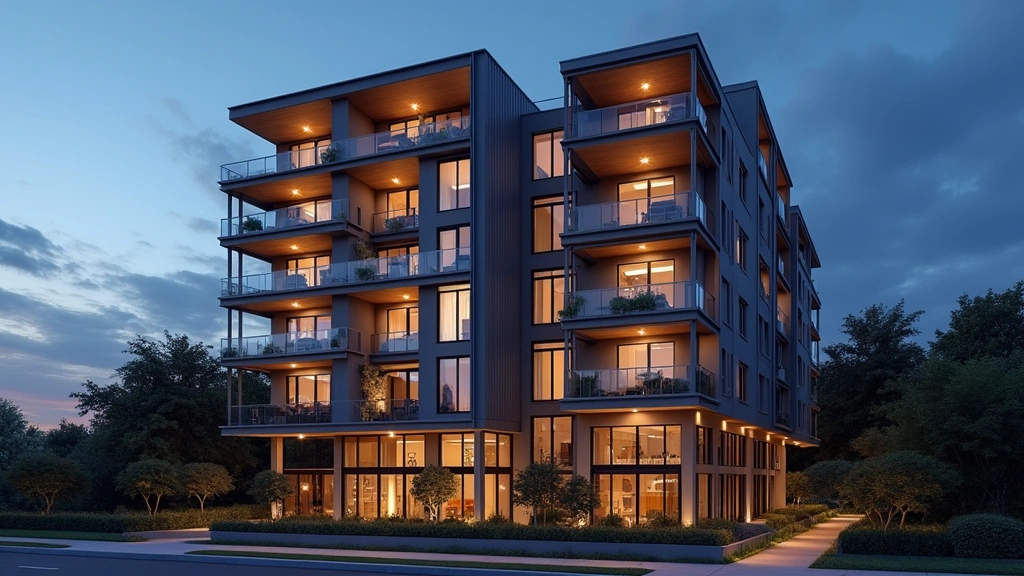
Bridge at Tech Ridge Review: Smart Living Explained
Bridge at Tech Ridge represents a paradigm shift in residential technology integration, blending architectural innovation with cutting-edge smart home systems. This comprehensive review examines how modern apartment communities are leveraging IoT devices, automation platforms, and intelligent building management to create living spaces that respond to residents’ needs in real-time. Whether you’re considering a move or simply curious about the future of residential technology, understanding what makes tech-forward communities tick is essential in today’s connected world.
The concept of smart living extends far beyond basic home automation. At Bridge at Tech Ridge, residents experience a fully integrated ecosystem where lighting, climate control, security, and energy management work in concert. This review dives deep into the technological infrastructure, resident experience, amenities, and practical benefits that define this innovative community. We’ll explore how these systems compare to industry standards and whether the investment truly pays dividends in convenience and cost savings.
Smart living communities are becoming increasingly common as developers recognize the demand for technology-integrated residences. However, not all implementations are created equal. Some focus heavily on gadgetry without meaningful integration, while others like Bridge at Tech Ridge prioritize seamless functionality and genuine quality-of-life improvements. This analysis separates marketing hype from actual technological benefits.
Smart Home Integration & Automation Systems
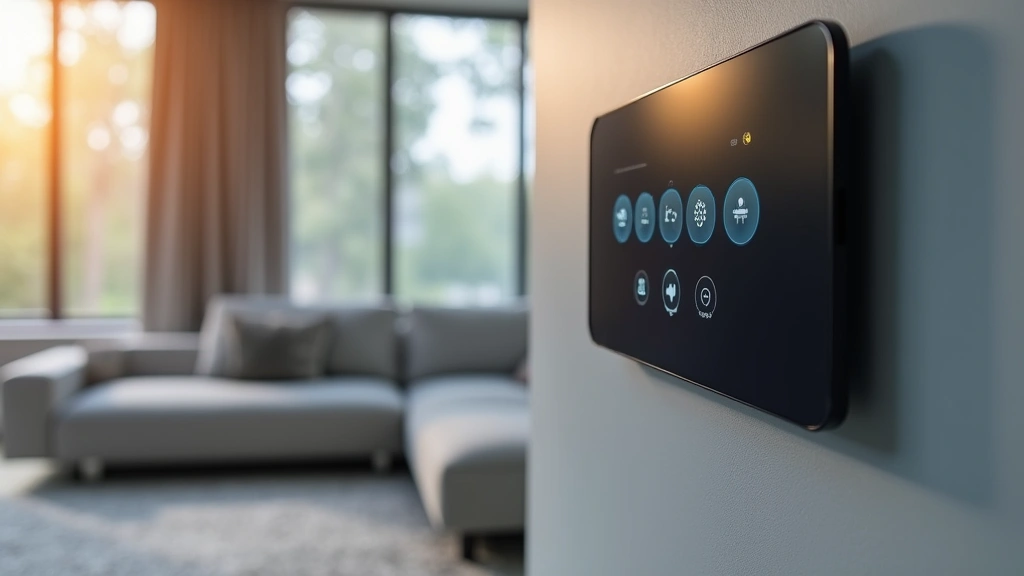
The foundation of Bridge at Tech Ridge’s appeal lies in its comprehensive smart home automation platform. Each residential unit comes equipped with a centralized control hub that manages multiple interconnected systems. The system utilizes voice-activated assistants, mobile applications, and traditional wall-mounted interfaces to provide residents with granular control over their living environment.
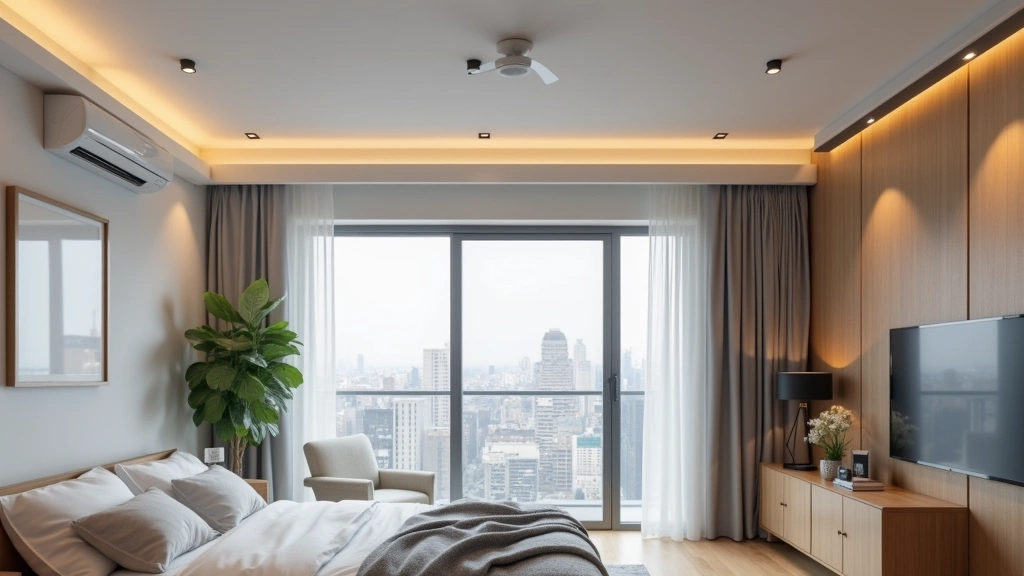
The automation capabilities span several critical areas. Lighting systems adjust color temperature and brightness based on circadian rhythms and occupancy detection. Climate control systems learn resident preferences and optimize heating and cooling schedules to maintain comfort while reducing energy consumption. Window treatments automatically adjust based on time of day and external light levels, enhancing both privacy and thermal regulation. These individual systems don’t operate in isolation—they communicate through a central hub that orchestrates their operation for maximum efficiency.
According to The Verge’s smart home coverage, modern apartment automation requires robust backend infrastructure capable of handling multiple simultaneous device connections without lag or reliability issues. Bridge at Tech Ridge addresses this through redundant network architecture and local processing capabilities that ensure functionality even if cloud connectivity temporarily fails. This is a critical distinction from cheaper implementations that depend entirely on cloud connectivity.
The mobile application interface deserves particular attention. Rather than forcing residents to juggle multiple apps from different manufacturers, Bridge at Tech Ridge provides a unified dashboard. Residents can check security status, adjust climate settings, control lighting, and monitor energy consumption from a single interface. The app includes automation rules that residents can customize—for example, a “leaving home” scene that locks doors, disables certain systems, and adjusts lighting in seconds.
Building Infrastructure & Technology Stack
Understanding the technological backbone is crucial to appreciating why Bridge at Tech Ridge functions so smoothly. The community utilizes enterprise-grade networking infrastructure rather than consumer-grade components. This includes distributed antenna systems for cellular coverage, mesh WiFi networks with multiple access points per unit, and dedicated bandwidth management to prevent congestion.
The building management system operates on a proprietary platform developed specifically for residential applications. Unlike commercial BMS systems that prioritize facility maintenance, this platform balances operational efficiency with resident convenience. It monitors structural health, HVAC performance, water systems, and electrical distribution in real-time. Machine learning algorithms predict maintenance needs before failures occur, reducing downtime and emergency service calls.
Internet connectivity represents a critical component often overlooked in residential technology discussions. Bridge at Tech Ridge provides gigabit-speed fiber connections as standard, with redundant ISP connections at the building level. This ensures that even if one provider experiences outages, residents maintain connectivity. For residents working from home—an increasingly common scenario—this reliability is invaluable. The CNET tech reviews section frequently emphasizes that smart home systems require robust connectivity to function reliably.
The technology stack includes multiple layers of redundancy. Battery backup systems maintain critical functions during power outages. Cellular backup connectivity ensures security systems and emergency communication remain operational. This engineering-first approach differentiates Bridge at Tech Ridge from communities that simply add smart devices without addressing infrastructure limitations.
Security Features & Access Control
Security represents perhaps the most critical aspect of any residential community, and tech-forward design can significantly enhance traditional security measures. Bridge at Tech Ridge implements a multi-layered security architecture combining biometric access, keycard systems, and mobile authentication.
Entry systems use encrypted mobile credentials, eliminating the need for physical keys that can be lost or duplicated. Residents unlock doors through their smartphones, with detailed access logs showing who entered when. For guests, residents can generate temporary digital keys with time restrictions—perfect for delivery personnel, housekeepers, or visiting family members. The system automatically revokes access when specified time windows expire.
Surveillance systems utilize AI-powered analytics to detect unusual activity rather than simply recording footage. The system can distinguish between residents, guests, and potential threats, alerting security personnel to suspicious behavior. Privacy protections ensure that footage is encrypted and accessible only to authorized personnel. Unlike generic CCTV systems, these cameras provide meaningful security enhancement rather than just documentation after incidents occur.
Intercom systems have evolved significantly from traditional buzzers. Video intercoms with facial recognition allow residents to verify visitors before granting access. Two-way audio and video communication enables remote interaction, critical for residents who may be away from home when deliveries arrive. Package detection systems alert residents when items are left at entrances, reducing theft risk.
The integration of these security features with building management systems creates comprehensive visibility. Management staff can respond to alerts in real-time, and residents receive instant notifications of security events affecting their units. This collaborative approach between technology and human oversight provides superior security compared to either element alone.
Energy Efficiency & Sustainability
Smart building technology’s environmental benefits often justify the infrastructure investment. Bridge at Tech Ridge demonstrates how technology can dramatically reduce resource consumption without sacrificing comfort. Real-time energy monitoring provides residents with detailed insights into their consumption patterns, typically resulting in behavioral changes that reduce usage by 15-20%.
HVAC systems represent the largest energy consumer in residential buildings. At Bridge at Tech Ridge, these systems employ sophisticated zone-based control, adjusting temperature independently in different areas based on occupancy and preferences. Predictive algorithms anticipate weather changes and adjust system operation accordingly. Integration with smart thermostats allows residents to set preferences, but the system maintains overall building efficiency by preventing individual unit adjustments from creating cascading inefficiencies.
Lighting systems incorporate occupancy-based control with daylight harvesting. Sensors detect natural light levels and reduce artificial lighting accordingly. Motion sensors ensure lights activate only in occupied spaces. LED technology combined with intelligent dimming reduces lighting energy consumption by approximately 40% compared to traditional systems.
Water conservation systems monitor usage patterns and detect leaks automatically. Residents receive alerts about unusual consumption, enabling quick response to plumbing issues. Low-flow fixtures combined with smart monitoring can reduce water consumption by 30% or more. For communities in water-stressed regions, this represents both environmental and financial benefits.
The community tracks energy consumption at both individual unit and building-wide levels. Transparent reporting shows residents their environmental impact and how their usage compares to community averages. This gamification element encourages conservation behavior. Check out our article on artificial intelligence applications transforming the future to understand how AI drives these efficiency improvements.
Amenities & Connectivity Solutions
Beyond individual units, Bridge at Tech Ridge enhances community amenities through technology integration. Fitness centers feature connected equipment that tracks workouts and syncs with health applications. Residents can reserve equipment through the app, ensuring availability when they visit. Smart mirrors in fitness areas provide real-time coaching and form correction.
Common areas utilize smart lighting and climate control to optimize comfort while minimizing energy waste. Occupancy sensors adjust these systems based on actual usage patterns rather than fixed schedules. Residents can check facility availability—parking spaces, gym equipment, meeting rooms—through the mobile app before leaving their units.
High-speed WiFi extends throughout common areas, providing seamless connectivity in lobbies, courtyards, and recreational spaces. This enables residents to work remotely from anywhere in the community, not just their units. Network management prioritizes traffic intelligently, ensuring that video conferencing maintains quality even when multiple residents are simultaneously streaming entertainment.
Package management systems represent a significant quality-of-life improvement often underestimated by prospective residents. Secure lockers with climate control protect deliveries from theft and weather damage. Residents receive notifications when packages arrive and can retrieve them at their convenience. For communities with high delivery volumes, this eliminates the frustration of missed deliveries and packages left unattended.
Community platforms provide digital communication channels for residents. Bulletin boards share maintenance notifications, event information, and community announcements. Residents can request maintenance through the app, with real-time tracking of service requests. This digital-first communication approach reduces reliance on physical notices that many residents miss.
Resident Experience & User Interface
Technology sophistication means nothing if residents cannot easily use it. Bridge at Tech Ridge prioritizes intuitive interfaces and comprehensive support. The mobile application features clear iconography, logical navigation, and contextual help. New residents receive onboarding training covering system basics, and staff remain available for questions.
Voice control integration allows residents to interact with systems using natural language. Rather than navigating menus, residents simply request actions: “Set bedroom temperature to 72 degrees” or “Show me the front door camera.” The system understands context and intent, reducing the learning curve significantly.
The web-based portal provides alternative access for residents preferring desktop interfaces or those without smartphones. Feature parity between mobile and web applications ensures all residents can access all functionality regardless of their device preferences. This inclusive design approach prevents digital divides within the community.
Customization options allow residents to tailor their experience. Users can rearrange dashboard elements, create custom automation routines, and set notification preferences. Advanced users can access detailed energy reports and historical data analysis. This tiered approach accommodates both tech enthusiasts and those who prefer simplicity.
Customer support represents a critical differentiator. Bridge at Tech Ridge maintains 24/7 technical support via phone, email, and in-app chat. Support staff receive extensive training on all systems and can troubleshoot most issues remotely. For physical issues requiring on-site service, response times typically fall within two hours for critical issues.
Pricing & Value Proposition
Smart living amenities command premium pricing, but the question becomes whether benefits justify the cost. Bridge at Tech Ridge’s pricing typically runs 15-25% higher than comparable non-smart communities. However, several factors offset this premium. Energy savings typically reduce utility costs by 20-30%, offsetting a portion of the technology investment. Enhanced security reduces insurance premiums for some residents. Improved property maintenance extends component lifespans, benefiting the broader community.
The real value proposition extends beyond direct cost savings. Convenience, comfort, and peace of mind provide intangible benefits that different residents value differently. Remote workers appreciate reliable connectivity and climate control. Safety-conscious residents value advanced security features. Environmentally-minded individuals appreciate reduced resource consumption. This broad appeal means Bridge at Tech Ridge attracts diverse residents, enriching community culture.
Lease terms typically include technology access as standard, with no separate fees for basic smart home functionality. Premium features like advanced analytics or professional automation programming may carry additional costs. This pricing structure ensures all residents benefit from baseline technology while allowing those interested in deeper integration to invest further.
Resale value considerations matter for owner-occupied units. Tech-forward properties typically appreciate faster and command higher prices than conventional alternatives. As smart living becomes increasingly mainstream, properties without these features may face valuation challenges. This forward-looking perspective suggests that technology investment today protects property value tomorrow.
Comparison with Competing Communities
The smart living apartment market has expanded significantly. Understanding how Bridge at Tech Ridge compares to alternatives helps prospective residents make informed decisions. Competing communities vary widely in technology sophistication and integration quality. Some implement basic smart devices without cohesive platform architecture, resulting in fragmented experiences. Others partner with specific technology vendors, limiting customization and future flexibility.
Bridge at Tech Ridge’s advantage lies in its vendor-agnostic approach. Rather than locking residents into specific manufacturer ecosystems, the platform integrates multiple brands and standards. This philosophy prioritizes resident choice and future-proofs the community against rapid technology evolution. Check our coverage of latest tech news and updates to understand how technology standards continue evolving.
Comparable communities often skimp on infrastructure to reduce costs. They may offer WiFi without guaranteeing bandwidth sufficiency or install smart devices without redundant backup systems. Bridge at Tech Ridge invests in enterprise-grade infrastructure, ensuring reliability that consumer-grade alternatives cannot match. This engineering rigor differentiates it from competitors cutting corners.
Staff expertise varies significantly across communities. Some rely on manufacturers’ training, limiting troubleshooting capabilities. Bridge at Tech Ridge maintains dedicated technical staff trained comprehensively across all systems. This investment in human capital ensures residents receive superior support. For residents new to smart living, this support becomes invaluable during the adjustment period.
Looking at broader tech industry trends, our article on big tech acquisitions July 2025 shows how major technology companies are consolidating smart home capabilities. This industry consolidation may eventually impact smaller communities’ ability to maintain diverse platform options. Bridge at Tech Ridge’s current flexibility may become increasingly valuable as the market consolidates.
FAQ
What happens if smart home systems fail?
Bridge at Tech Ridge implements multiple redundancy layers. Local processing capabilities ensure critical functions operate even if cloud connectivity fails. Battery backup systems maintain security and lighting during power outages. Cellular backup ensures emergency communication remains operational. Most system failures are recoverable within minutes through automated failover mechanisms.
Can I control systems when away from home?
Yes, complete remote access is standard. Mobile applications provide full control regardless of location, assuming internet connectivity. Residents can check security cameras, adjust climate settings, unlock doors for guests, and monitor energy consumption from anywhere globally. This remote capability is particularly valuable for frequent travelers.
Are my smart home activities private?
Privacy protections are extensive. Data encryption ensures that information transmitted between devices and servers remains secure. Access logs show exactly who accessed what information and when. Residents can review privacy settings and control what data the system collects. Management staff access is restricted and audited. However, residents should understand that any connected system involves some data collection—a trade-off for convenience and functionality.
What if I’m not tech-savvy?
Bridge at Tech Ridge accommodates all technical skill levels. Basic functionality is intuitive and requires minimal learning. Comprehensive onboarding training familiarizes new residents with essential features. Voice control provides alternative interaction methods for those uncomfortable with apps. Support staff remain available for questions. Most residents adapt within a few weeks of moving in.
Do smart features increase rent significantly?
Smart living amenities typically increase rent by 15-25% compared to conventional communities. However, utility savings often recover 30-50% of this premium through reduced energy consumption. Enhanced functionality, improved security, and increased convenience provide additional value that many residents consider worthwhile. Individual valuation depends on personal priorities and lifestyle.
What about maintenance and system updates?
Bridge at Tech Ridge manages system maintenance and updates automatically. Residents typically notice no disruption as updates occur during low-usage periods. Security patches deploy immediately to protect resident data. Hardware maintenance follows preventive schedules rather than reactive approaches. This proactive maintenance philosophy minimizes unexpected issues.
Can I integrate my own smart devices?
Limited integration of personal devices is possible through standard protocols like Zigbee and Z-Wave. However, full integration with building systems requires compatibility certification. Residents should consult with technical staff before purchasing personal smart devices to ensure compatibility and avoid conflicts with existing systems.
How does Bridge at Tech Ridge handle visitor access?
Residents can generate temporary digital keys for guests through the mobile app. Time-restricted access automatically expires at specified times, eliminating security concerns about forgotten keys. Visitors receive notifications when keys are granted or revoked. This system works for housekeepers, maintenance personnel, family members, and any other regular or occasional visitors.


