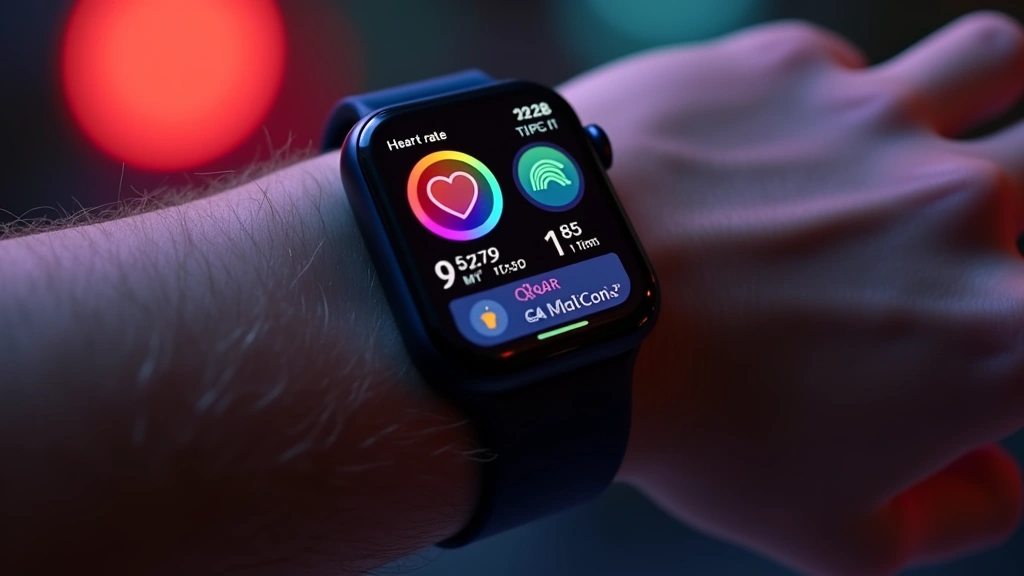
Bright Human Tech: Revolutionizing Wearable Devices
The wearable technology landscape has undergone a seismic shift in recent years, with Bright Human Tech emerging as a transformative force in how we monitor health, fitness, and overall wellness. These innovative devices have transcended the basic step-counting era to become sophisticated health companions that integrate seamlessly into our daily lives. From advanced biometric sensors to AI-powered health analytics, modern wearables represent the convergence of cutting-edge hardware, intelligent software, and user-centric design.
What makes Bright Human Tech particularly revolutionary is its commitment to democratizing personal health monitoring. Rather than relegating advanced health tracking to medical professionals or elite athletes, these devices put clinical-grade insights directly into consumers’ hands. The sophistication of contemporary wearables means you’re no longer just counting steps—you’re analyzing heart rate variability, tracking blood oxygen levels, monitoring sleep architecture, detecting stress patterns, and even identifying potential health anomalies before they become serious issues.
This comprehensive guide explores how Bright Human Tech is reshaping the wearable ecosystem, examining the technological innovations, practical applications, competitive landscape, and future trajectory of these remarkable devices. Whether you’re a fitness enthusiast, health-conscious individual, or technology early adopter, understanding this revolution will help you make informed decisions about which wearables truly deliver transformative value.
The Evolution of Wearable Technology
The journey of wearable technology spans decades, beginning with simple pedometers and evolving into the sophisticated health ecosystems we see today. Early wearables were mechanical devices that tracked a single metric—steps taken. The digital revolution introduced digital step counters and heart rate monitors, but these remained siloed devices with limited analytical capability. The real transformation began with the introduction of smartwatches and fitness trackers that could communicate with smartphones, enabling real-time data synchronization and cloud-based analytics.
Today’s wearables represent a quantum leap forward. They incorporate multiple sensor types, advanced processors, machine learning algorithms, and sophisticated software that can detect patterns humans couldn’t identify manually. When you explore the latest tech news and updates, you’ll notice wearables increasingly feature medical-grade sensors that rival clinical equipment. This evolution has been driven by miniaturization breakthroughs, battery technology improvements, and the exponential growth of artificial intelligence capabilities.
The convergence of these technologies has created a new category of personal health devices that serve as continuous health advocates. Bright Human Tech exemplifies this evolution by combining decades of wearable experience with next-generation sensor technology and AI-driven insights. Unlike early wearables that required constant manual data interpretation, modern devices provide actionable intelligence automatically.
Bright Human Tech’s Core Innovation
Bright Human Tech distinguishes itself through several fundamental innovations that set it apart from conventional wearables. The primary differentiator is the integration of artificial intelligence applications that transform raw biometric data into meaningful health insights. Rather than simply recording metrics, these devices employ machine learning models trained on millions of data points to identify patterns and predict health trends.
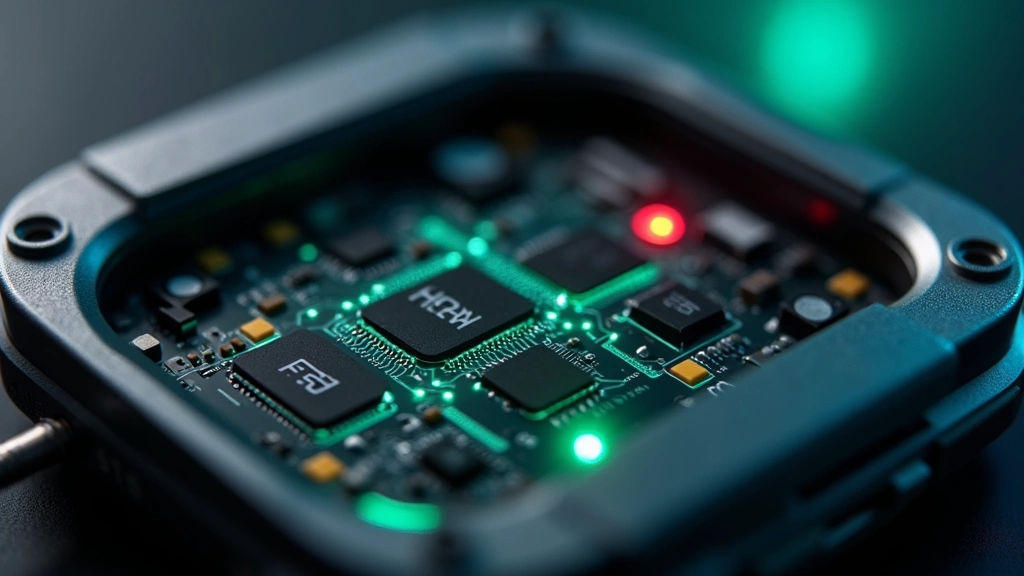
Another core innovation involves the sensor array architecture. Bright Human Tech devices typically feature redundant sensors for critical measurements, ensuring accuracy and reliability. This multi-sensor approach means if one sensor encounters interference or degradation, backup systems maintain data integrity. The engineering philosophy prioritizes accuracy over cost, recognizing that health decisions depend on reliable information.
The user interface represents another revolutionary aspect. While older wearables forced users to navigate complex menus and decipher technical metrics, Bright Human Tech emphasizes intuitive visualization and personalized recommendations. The devices learn your baseline patterns and alert you to meaningful deviations, rather than overwhelming you with raw data streams. This human-centered design approach acknowledges that technology should simplify health management, not complicate it.
Connectivity and ecosystem integration form the final pillar of Bright Human Tech’s innovation. These devices don’t operate in isolation—they integrate with smartphones, smart home systems, and health platforms. This interconnected approach enables comprehensive health tracking across multiple touchpoints. When you’re interested in understanding how modern technology drives innovation, reviewing best tech stocks to invest in often highlights companies leading the wearable revolution.
Sensor Technology and Biometric Accuracy
The foundation of any quality wearable device rests on sensor accuracy and reliability. Bright Human Tech devices employ several sensor categories, each designed to measure specific biometric parameters with clinical precision. The optical heart rate sensor, typically using green LED technology, measures blood flow through the wrist. Modern implementations use multiple wavelengths and advanced algorithms to compensate for individual skin tone variations, addressing historical accuracy disparities in earlier wearables.
Blood oxygen saturation (SpO2) measurement represents another critical sensor, utilizing red and infrared LEDs to calculate oxygen levels in blood. This metric became particularly important during recent health crises, making accurate SpO2 monitoring a valuable feature. Bright Human Tech devices incorporate redundancy in oxygen sensing to ensure reliability across diverse user conditions.
Electrocardiogram (ECG) sensors have transitioned from hospital equipment to consumer wearables, and Bright Human Tech has integrated this capability effectively. ECG sensors can detect irregular heart rhythms, potentially identifying atrial fibrillation before symptoms become apparent. The FDA has cleared several wearable ECG implementations, validating their clinical utility.
Temperature sensors measure both ambient temperature and body temperature. Skin temperature variations can indicate illness, stress levels, or ovulation cycles, providing valuable health insights. Advanced wearables employ multiple temperature sensors to improve accuracy and eliminate false readings from environmental factors.
Accelerometers and gyroscopes track movement and orientation, enabling accurate step counting, activity classification, and fall detection. Modern implementations distinguish between walking, running, swimming, and cycling with remarkable accuracy. Some Bright Human Tech devices can even identify specific exercises and automatically log workout data.
Galvanic skin response sensors measure electrical conductivity changes on your skin, correlating with stress levels and emotional responses. This relatively new capability in consumer wearables opens fascinating possibilities for stress management and mental health monitoring. The integration of these diverse sensors creates a comprehensive health picture that transcends any single metric.
Health Monitoring Capabilities
The practical health monitoring capabilities of Bright Human Tech devices extend far beyond basic fitness tracking. Sleep analysis represents one of the most sophisticated features, utilizing accelerometer and heart rate data to classify sleep stages. Quality wearables can distinguish between light sleep, deep sleep, and REM sleep, providing insights into sleep quality and patterns. This granular sleep data helps identify sleep disorders and optimize sleep hygiene.
Stress monitoring has become increasingly important in our high-pressure world. Bright Human Tech devices measure stress through heart rate variability analysis, skin conductance, and respiration patterns. By establishing your baseline stress signature, the device can detect when you’re entering stress states and recommend interventions like breathing exercises or meditation. This proactive stress management approach represents genuine innovation in preventive health.
Women’s health tracking features have expanded dramatically, with Bright Human Tech devices now monitoring menstrual cycles, fertility windows, and hormonal changes. By correlating body temperature, heart rate variability, and activity patterns, these devices provide accurate cycle predictions and insights into how hormonal fluctuations affect health and performance.
Cardiovascular health monitoring encompasses heart rate trends, heart rate variability analysis, and arrhythmia detection. Some devices provide VO2 max estimates, helping athletes optimize training intensity. The continuous monitoring capability means potential cardiovascular issues can be identified early, potentially preventing serious events.
Recovery metrics help athletes and active individuals understand how well their bodies are recuperating between workouts. These metrics combine sleep quality, resting heart rate, heart rate variability, and activity data to generate recovery scores. This information helps optimize training schedules and prevent overtraining injuries.
Hydration and nutrition tracking, while less sophisticated than direct measurement, use activity and environmental data to estimate hydration needs and provide reminders. Some Bright Human Tech devices integrate with food logging apps to provide comprehensive nutrition analysis. Understanding the broader cloud computing benefits helps explain how these devices synchronize vast health datasets across platforms.
Integration with Smartphones and Ecosystems
Modern wearables exist within broader technology ecosystems rather than functioning as standalone devices. Bright Human Tech devices integrate seamlessly with major smartphone platforms, creating unified health experiences. The synchronization between wearable and smartphone enables richer data analysis, as mobile processors can perform computationally intensive tasks that wearable processors cannot handle efficiently.
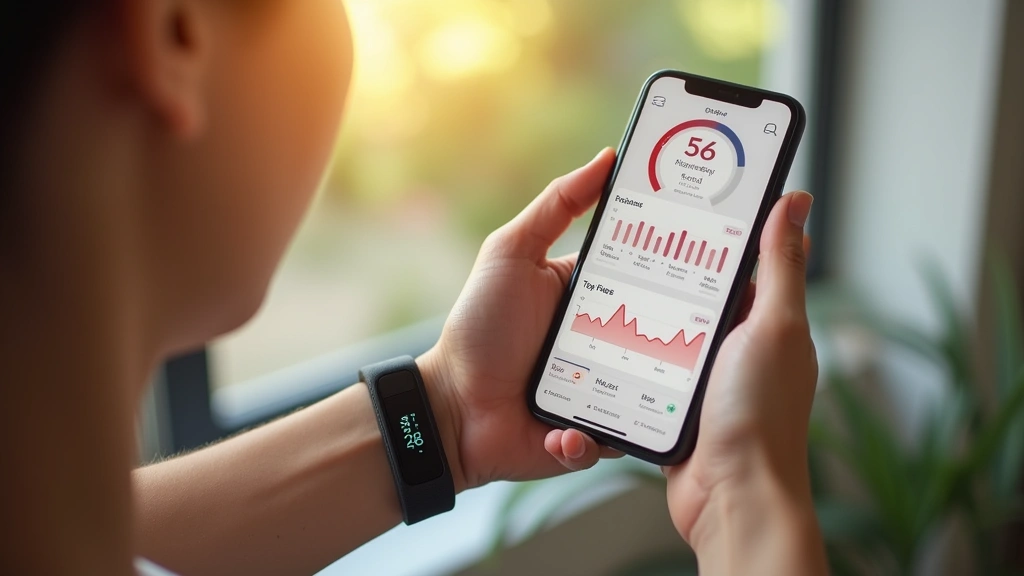
The companion smartphone app serves as the primary interface for detailed analytics, historical trends, and deep insights. While the wearable display provides quick glances at key metrics, the app enables comprehensive analysis, goal setting, and behavior tracking. Push notifications from the app can alert you to important health events even when you’re not actively checking the device.
Integration with broader health platforms like Apple Health, Google Fit, and Samsung Health enables data portability. Rather than being locked into proprietary ecosystems, your health data can flow to multiple applications and services. This open approach acknowledges that different users have different needs and prefer different analytical tools.
Smart home integration represents an emerging frontier. Bright Human Tech devices can communicate with smart home systems to adjust lighting based on circadian rhythms, control temperature for optimal sleep, and trigger automated routines based on detected stress levels. These ecosystem connections transform wearables from isolated devices into central hubs for personalized living environments.
Medical provider integration capabilities are advancing rapidly. Some Bright Human Tech devices can share relevant health data directly with healthcare providers, creating a continuous health record that supplements periodic office visits. This capability particularly benefits individuals managing chronic conditions who benefit from comprehensive monitoring data.
Battery Life and Design Considerations
Battery life remains a critical differentiator among wearable devices. Bright Human Tech has made significant strides in power efficiency, with flagship devices achieving 5-7 days between charges. This multi-day battery life represents a sweet spot—sufficient longevity to avoid daily charging burden while allowing regular charging routines that prevent battery degradation.
The engineering required to achieve extended battery life while maintaining always-on sensors and displays involves sophisticated power management. The processors in Bright Human Tech devices employ dynamic voltage and frequency scaling, powering down components when not actively used. The display technology utilizes low-power AMOLED screens that consume minimal energy compared to earlier LCD implementations.
Design aesthetics have evolved significantly from the chunky, athletic-focused wearables of earlier eras. Bright Human Tech devices now feature refined designs that transition seamlessly from gym to boardroom. The variety of band options enables personalization, allowing users to express individual style while maintaining functionality. Premium materials like titanium and sapphire crystal differentiate high-end models while maintaining durability.
Water resistance ratings have become standard, with most Bright Human Tech devices offering at least 5 ATM (50-meter) water resistance, enabling swimming and snorkeling. Some models achieve 10 ATM ratings for diving activities. This durability ensures wearables can accompany you through virtually any activity without protective measures.
The physical dimensions and weight have decreased substantially over time. Modern wearables are barely noticeable during extended wear, eliminating the discomfort that plagued earlier devices. The ergonomic design ensures proper sensor contact with skin while remaining comfortable throughout the day and night.
Competitive Analysis and Market Position
The wearable market has become intensely competitive, with major technology companies investing heavily in health-focused devices. Apple Watch represents the market leader, leveraging the massive iOS ecosystem and strong brand loyalty. Fitbit brings decades of fitness tracking expertise, though recent acquisition by Google has raised questions about data handling and privacy practices. Garmin maintains a strong position among athletic users, particularly runners and cyclists.
Bright Human Tech competes by emphasizing medical-grade accuracy and personalized AI insights rather than attempting to match the ecosystem size of larger competitors. This focused positioning appeals to health-conscious consumers who prioritize accuracy and meaningful insights over brand prestige. The company’s transparent approach to sensor validation and clinical testing builds credibility with users who demand evidence-based health claims.
Samsung’s Galaxy Watch line combines Android integration with Samsung’s semiconductor expertise, providing formidable competition. Withings focuses on minimalist design and medical partnerships, creating a distinct market position. Each competitor brings different strengths, ensuring healthy market competition that benefits consumers through continuous innovation.
Bright Human Tech’s competitive advantage lies in its commitment to data accuracy, user privacy, and AI-driven personalization. Rather than attempting to be everything to everyone, the company focuses on delivering exceptional experiences for users who prioritize health outcomes over entertainment features. This positioning attracts users willing to invest more for superior health insights.
Privacy and Data Security
Health data represents some of the most sensitive personal information, making privacy and security paramount concerns. Bright Human Tech addresses these concerns through multiple protective layers. Encryption protocols secure data both in transit and at rest, preventing unauthorized access even if devices or servers are compromised.
The company’s privacy philosophy emphasizes data minimization—collecting only information necessary for health insights rather than accumulating vast datasets for secondary purposes. This approach contrasts with some competitors that monetize user data through advertising partnerships or third-party sales. Understanding broader how to become a software developer in this space often involves learning security-first approaches to health data handling.
User control mechanisms enable granular permissions over data sharing. You can specify exactly which health metrics synchronize with which applications and services. This transparency ensures data flows only to destinations you explicitly authorize.
Regulatory compliance with HIPAA, GDPR, and other health privacy regulations demonstrates commitment to legal obligations. Regular security audits and penetration testing identify vulnerabilities before malicious actors can exploit them. The company publishes transparency reports detailing data requests from governments and legal entities.
Biometric authentication using fingerprint or facial recognition protects the wearable device itself, preventing unauthorized access even if the device is lost or stolen. Multi-factor authentication for cloud accounts adds additional security layers.
Real-World User Experience
Beyond specifications and features, the real-world user experience determines whether wearables deliver genuine value. Initial setup with Bright Human Tech devices is straightforward, with guided onboarding that establishes baseline measurements and preferences. The device learns your patterns over time, improving recommendation accuracy as it accumulates data.
Daily usage involves quick glances at the wrist display for current metrics, with deeper analysis occurring during dedicated app sessions. Many users develop habits of checking their wearables first thing in the morning to review sleep quality and overnight metrics. This behavioral integration means the device becomes a natural part of daily routines rather than an intrusive gadget.
The notification system balances information delivery with avoiding excessive alerts. Bright Human Tech devices prioritize meaningful notifications while filtering trivial information. You’ll receive alerts about irregular heart rhythms or unusually low blood oxygen, but not minor variations within expected ranges. This intelligent filtering prevents notification fatigue while ensuring critical health events receive attention.
Community features and social motivation elements encourage consistent usage and healthy behaviors. Challenges, achievement badges, and friend comparisons add gamification elements that appeal to competitive users. However, the emphasis remains on personal health outcomes rather than vanity metrics.
Integration with popular fitness apps and platforms means workout data seamlessly flows into your preferred applications. Whether you use Strava for running, MyFitnessPal for nutrition, or specialized apps for specific sports, Bright Human Tech devices maintain compatibility. This openness respects user preferences rather than forcing proprietary ecosystems.
For individuals managing health conditions, the comprehensive monitoring capabilities provide genuine peace of mind. Continuous tracking of relevant metrics enables early detection of concerning patterns, potentially preventing hospitalizations or serious health events. The value proposition extends far beyond fitness tracking into genuine health management.
Exploring emerging technologies and career paths in this space, many professionals find the top programming languages in 2025 increasingly emphasize AI and data science skills necessary for wearable development.
FAQ
How accurate are Bright Human Tech wearables compared to medical-grade equipment?
Bright Human Tech devices achieve accuracy within 95-99% of clinical equipment for most metrics. Heart rate accuracy is exceptionally high across diverse skin tones and activity levels. SpO2 measurements show excellent correlation with pulse oximeters. ECG accuracy rivals medical-grade devices for arrhythmia detection. However, some metrics like stress levels and calorie burn estimates remain estimates rather than direct measurements. The accuracy validates these devices for health insights while recognizing that critical medical decisions should involve healthcare providers.
Can Bright Human Tech wearables replace regular medical check-ups?
These devices complement rather than replace medical care. Continuous monitoring provides valuable data that supplements periodic office visits, enabling healthcare providers to make more informed decisions. Some individuals with chronic conditions benefit tremendously from continuous data. However, wearables cannot perform physical examinations, laboratory tests, or imaging studies that medical check-ups provide. The ideal approach combines wearable insights with regular healthcare provider consultations.
How long do Bright Human Tech devices typically last before requiring replacement?
The hardware typically remains functional for 3-5 years with proper care. Battery capacity gradually diminishes over time, though most devices maintain acceptable battery life throughout their lifespan. Software updates continue for several years, ensuring security patches and feature improvements. After 3-5 years, technological advancement usually makes upgrade appealing, as newer models offer improved sensors and capabilities. The durability and longevity justify the investment compared to devices requiring annual replacement.
Is my health data safe with Bright Human Tech?
Bright Human Tech implements multiple security layers including encryption, secure authentication, and privacy controls. The company’s transparent privacy policy restricts data sharing and provides user control over data permissions. Regular security audits and compliance with health privacy regulations demonstrate commitment to data protection. However, no system is completely impervious to sophisticated attacks. Users should enable all available security features and maintain strong passwords to maximize protection.
Which Bright Human Tech device should I choose for my needs?
Entry-level models provide excellent health monitoring for general wellness tracking. Mid-range devices add advanced features like ECG and blood oxygen monitoring. Premium models include additional sensors, longer battery life, and premium materials. Consider your primary use case—fitness tracking, health monitoring, or general wellness—and choose accordingly. Reading detailed reviews from sources like The Verge and CNET provides valuable comparative insights.


