Smart Home Devices: Are They Worth the Investment?
The smart home market has exploded over the past five years, transforming how we interact with our living spaces. From voice-activated assistants to intelligent thermostats and security systems, smart home technology promises convenience, energy efficiency, and enhanced security. But with devices ranging from affordable smart bulbs to expensive integrated systems, homeowners often ask themselves: are these investments truly worthwhile? This comprehensive guide examines whether smart home devices deliver on their promises and help you determine if building tech infrastructure in your home makes financial and practical sense.
The decision to invest in smart home technology isn’t purely about gadget enthusiasm—it’s a strategic choice that affects your daily comfort, utility bills, and home security. We’ll explore the genuine benefits, hidden costs, and realistic ROI expectations so you can make an informed decision about which devices deserve a spot in your home.
Understanding Smart Home Technology Basics
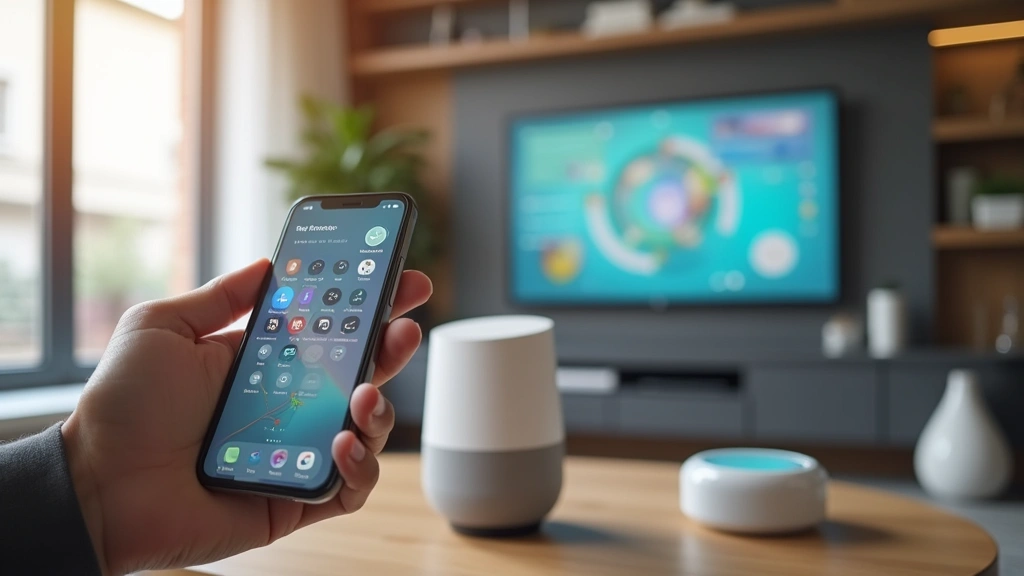
Smart home devices are interconnected gadgets that communicate via Wi-Fi, Bluetooth, Zigbee, or Z-Wave protocols to automate household functions. The ecosystem typically includes a central hub or voice assistant (Amazon Alexa, Google Assistant, Apple Siri) that coordinates multiple devices. When you’re exploring the latest technology trends, smart homes represent one of the fastest-growing segments in consumer electronics.
The foundational devices most people consider are smart speakers, smart thermostats, smart lighting systems, and connected security cameras. These form the backbone of a functional smart home. More advanced setups include smart locks, intelligent refrigerators, connected washing machines, and automated irrigation systems. Understanding what each category offers helps you prioritize investments based on your specific needs.
Smart home technology operates on the principle of automation and remote control. You can adjust your home’s temperature from your smartphone while at work, receive alerts when motion is detected near your front door, or schedule lights to turn on at sunset. This interconnectedness creates convenience, but it also requires careful planning to avoid purchasing redundant or incompatible devices.
Cost Breakdown: Initial Investment vs Long-Term Savings
The entry barrier for smart homes varies dramatically depending on your ambitions. A basic smart home setup with one voice assistant, a smart thermostat, and a few smart bulbs costs between $200-$400. A mid-range installation with multiple rooms, security cameras, and smart locks ranges from $800-$2,500. Premium whole-home automation systems can exceed $5,000-$10,000 when professionally installed.
Let’s break down typical costs for essential devices:
- Smart Speaker/Hub: $50-$150 (Amazon Echo, Google Nest, Apple HomePod)
- Smart Thermostat: $150-$300 (Nest, Ecobee, Honeywell)
- Smart Lighting Starter Kit: $100-$250 (Philips Hue, LIFX)
- Smart Door Lock: $100-$300 (August, Level Lock, Yale)
- Security Camera System: $200-$600 (Ring, Arlo, Wyze)
- Smart Plugs (4-pack): $30-$80
The key question becomes: how quickly do these investments pay for themselves? According to CNET’s smart home analysis, most homeowners see meaningful energy savings within 1-2 years, particularly from smart thermostats and lighting systems. However, security devices and convenience features rarely pay for themselves through direct cost reduction—they provide value through improved safety and lifestyle enhancement.
When considering ROI, factor in that smart home devices have typical lifespans of 5-7 years before requiring replacement. This means a $250 smart thermostat costs roughly $36-$50 per year in device depreciation, making the math more favorable when energy savings are substantial.
Energy Efficiency and Utility Bill Reduction
Smart thermostats represent the most quantifiable return on investment in the smart home ecosystem. These devices learn your schedule and temperature preferences, automatically adjusting heating and cooling to minimize energy waste. Nest and Ecobee claim average savings of 10-15% on heating and cooling costs, translating to $100-$300 annually for typical households.
Real-world data supports these claims. The U.S. Department of Energy confirms that programmable thermostats can reduce energy consumption by 1-3% per degree Celsius of adjustment. Smart thermostats take this further by providing granular control and learning capabilities. If your annual heating/cooling costs are $2,000, a 12% reduction saves $240 per year—meaning a $250 device pays for itself in just over one year.
Smart lighting contributes additional savings, though less dramatically. LED smart bulbs consume 75% less energy than incandescent bulbs and last 15-25 times longer. A single smart bulb uses roughly $1-$2 per year in electricity, making the 3-5 year payback period realistic for frequent-use fixtures. Motion sensors and scheduling amplify these savings by preventing lights from running when rooms are unoccupied.
Smart power strips and outlets help eliminate phantom power drain—the energy consumed by devices in standby mode. Typical households waste 5-10% of electricity this way. Smart plugs costing $10-$15 each can recover this waste within 2-3 years. When evaluating smart home investments, energy efficiency devices offer the strongest financial argument.
However, realistic expectations matter. Smart home energy savings rarely exceed 20% of total utility bills unless you’re implementing comprehensive automation across heating, cooling, lighting, and appliances. Most homeowners see 5-12% reductions, which still justify investment in key devices like thermostats and lighting systems.
Security and Safety Benefits
Smart security systems provide value that extends beyond financial metrics. Real-time notifications when someone approaches your door, recorded footage of suspicious activity, and remote lock control offer peace of mind that’s difficult to quantify monetarily. However, security devices do provide measurable benefits in some cases.
Studies from the Insurance Institute for Highway Safety indicate that visible security cameras and smart locks may reduce break-in attempts by deterring burglars who prefer easier targets. Some homeowners insurance companies offer 5-10% discounts for homes with monitored smart security systems, potentially offsetting device costs. A $400 smart camera system might qualify you for $50-$100 annual insurance discounts, creating a 4-8 year payback period.
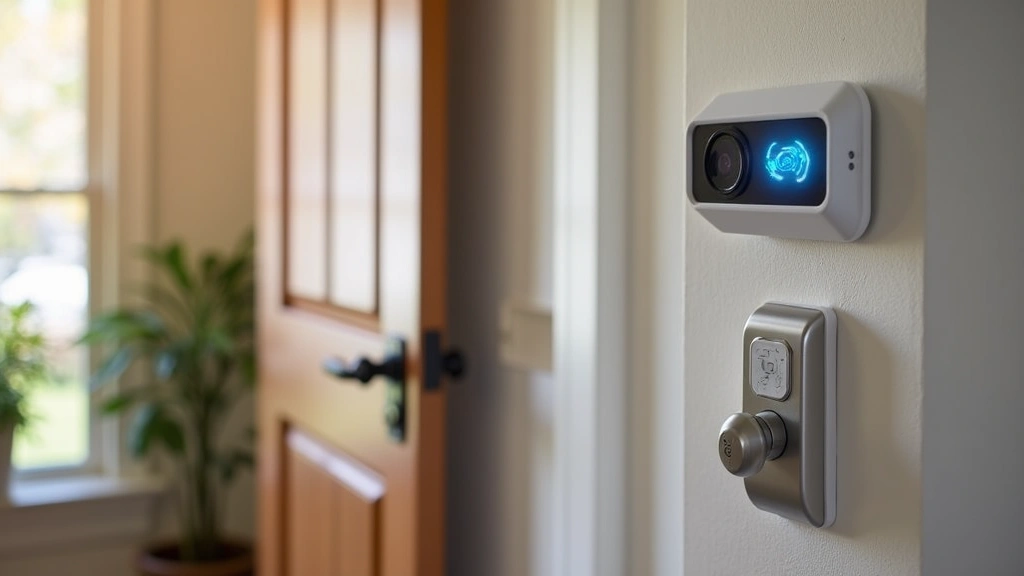
Smart door locks eliminate the need for expensive rekeying when you move or change tenants. They also reduce lockout emergencies requiring expensive emergency locksmith calls ($100-$300). For property managers or rental property owners, smart locks represent significant operational savings beyond convenience factors.
Water leak detection sensors and smart smoke detectors prevent catastrophic damage. A single water leak can cost $5,000-$25,000 in damage. A $50 leak sensor that alerts you immediately has extraordinary ROI potential. Similarly, smart fire detection systems that notify you instantly—even when you’re away—could literally save lives.
Convenience and Quality of Life Improvements
Beyond financial calculations, smart home devices dramatically improve daily convenience. Voice commands to adjust lighting, temperature, or play music create a more responsive living environment. These quality-of-life improvements don’t have direct monetary value, but they significantly enhance satisfaction with your home.
Automation routines exemplify this benefit. A “Good Morning” routine could simultaneously adjust lighting, start your coffee maker, and provide weather updates. An “Away” routine locks doors, arms security systems, and adjusts thermostats. These sequences save time daily and create habitual comfort that justifies investment for many users.
For elderly residents or people with mobility challenges, smart home devices provide independence and safety. Voice-controlled lighting, automated door locks, and remote thermostat adjustment reduce reliance on assistance for everyday tasks. While this has quality-of-life value rather than direct ROI, it’s tremendously important for affected individuals.
Integration with artificial intelligence applications transforming homes enables increasingly sophisticated automation. Machine learning algorithms predict your preferences and adjust environments proactively. This technology continues evolving, suggesting that devices purchased today will gain new capabilities through software updates.

Integration Challenges and Ecosystem Considerations
The smart home market’s fragmentation creates significant challenges. Amazon’s Alexa, Google Assistant, and Apple’s Siri operate different ecosystems with varying device compatibility. Choosing devices that work seamlessly together is crucial but complicated. Some devices work across multiple platforms, while others are ecosystem-exclusive.
Before investing heavily, select a primary ecosystem. Amazon dominates with the broadest device selection and aggressive pricing. Google offers strong AI capabilities and integration with Android devices. Apple prioritizes privacy but has the smallest device selection and highest prices. Committing to one ecosystem prevents buying incompatible devices and ensures smooth automation.
Zigbee and Z-Wave protocols offer ecosystem-agnostic connectivity, allowing devices from different manufacturers to communicate through compatible hubs. However, not all devices support these standards. Research compatibility thoroughly before purchasing—buying an incompatible device wastes money and creates frustration.
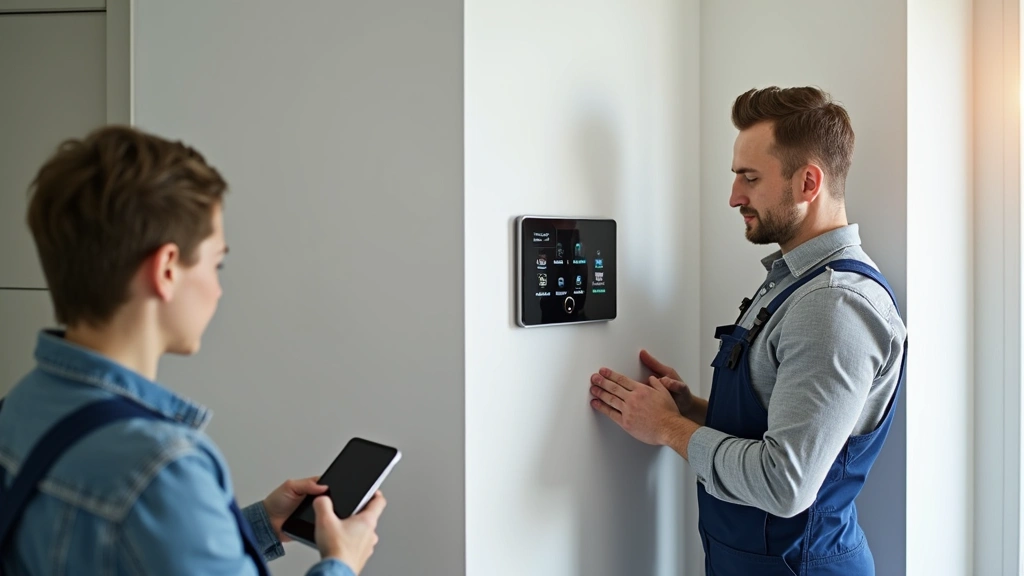
Professional installation versus DIY affects total costs significantly. Most devices support DIY installation, but complex setups benefit from professional help. Installation costs range from $500-$2,000 depending on scope. For tech-savvy users, DIY installation saves substantial money. For others, professional installation ensures proper configuration and integration.
Maintenance and Upgrade Costs
Smart home devices require ongoing maintenance that many buyers overlook. Firmware updates are essential for security and functionality, requiring occasional troubleshooting. Batteries in wireless devices need replacement every 1-3 years. Wi-Fi connectivity issues require network optimization or equipment upgrades.
Technology obsolescence affects smart home devices faster than traditional home systems. A smart thermostat purchased today might lack features available in newer models in 3-4 years. While older devices continue functioning, newer models often offer better integration, efficiency, and AI capabilities. Budget for selective upgrades every 5-7 years.
Some manufacturers discontinue cloud services for older devices, rendering them non-functional even if hardware is intact. This planned obsolescence affects devices from all major brands. Before purchasing, research the manufacturer’s track record for supporting older products. Established companies like Nest and Ecobee generally support devices longer than newer brands.
Extended warranties offer limited value for most smart home devices due to their relatively low cost and rapid technological evolution. Self-insuring by budgeting replacement costs is typically more cost-effective than paying warranty premiums.
Privacy and Security Concerns
Smart home devices constantly collect data about your habits, preferences, and home environment. This data enables personalization and automation but raises legitimate privacy concerns. Devices with microphones and cameras present the greatest risks, as they could potentially record sensitive information without explicit consent.
Security vulnerabilities in smart home devices allow hackers to access your network, spy through cameras, or control your home remotely. Weak default passwords and unpatched security flaws create entry points for malicious actors. Major manufacturers have experienced security breaches affecting millions of users, emphasizing the importance of strong security practices.
Mitigate privacy and security risks by:
- Changing default passwords immediately upon setup
- Enabling two-factor authentication on all accounts
- Keeping firmware updated automatically
- Using a dedicated Wi-Fi network for smart devices
- Disabling unnecessary microphones or cameras
- Reviewing privacy policies and data collection practices
- Choosing devices from manufacturers with strong security track records
These precautions add complexity to smart home ownership. If security and privacy concerns make you uncomfortable, the convenience benefits may not justify the risks you’re accepting. Conversely, if you implement robust security practices, the risks become manageable while retaining benefits.
Best Devices for Budget-Conscious Buyers
If you’re convinced smart home investment makes sense but want to minimize costs, prioritize high-ROI devices. Start with a smart thermostat—this single device typically delivers the strongest financial return. Ecobee and Nest offer excellent quality at $150-$250 price points, with professional installation often included.
Add a smart speaker ($50-$100) as your ecosystem hub. Amazon Echo Dot offers exceptional value, while Google Nest Mini provides strong Google Assistant integration. This device controls other smart home products and provides voice assistant functionality.
Next, add smart lighting in high-use areas. Wyze and LIFX offer affordable smart bulbs ($10-$20 each) that rival premium Philips Hue bulbs at half the price. Start with 4-6 bulbs in frequently-used rooms, then expand gradually.
For security, prioritize cameras for entry points. Wyze cameras cost under $30 and provide excellent video quality and cloud storage. Ring doorbells ($100-$200) combine security with convenience, notifying you of visitors and deliveries.
This foundational setup costs $400-$600 and covers the highest-ROI devices. Expand gradually based on actual usage patterns rather than purchasing comprehensive systems upfront. This approach lets you learn what automation matters most before investing in less essential devices.
When selecting from recommended tech gadgets and devices, focus on established brands with strong customer support and long product support windows. Avoid cutting-edge devices from unknown manufacturers, as they may lack adequate support or discontinue services quickly.

FAQ
What’s the average ROI timeline for smart home investments?
Smart thermostats typically pay for themselves in 1-2 years through energy savings. Smart lighting pays back in 3-5 years. Security devices rarely achieve direct financial payback but provide value through insurance discounts and peace of mind. Overall, expect a 3-5 year timeline for the complete system to justify its initial investment through combined energy savings and operational efficiencies.
Can I start small and expand my smart home gradually?
Absolutely. Start with a smart thermostat and speaker, then add devices based on actual needs. This approach prevents overspending on unnecessary devices and lets you learn which automations genuinely improve your life. Gradual expansion also spreads costs over time, making the investment more manageable financially.
Which ecosystem should I choose: Amazon, Google, or Apple?
Amazon Alexa offers the broadest device selection and most affordable options, making it ideal for budget-conscious buyers. Google Assistant provides superior AI capabilities and integration with Android devices. Apple prioritizes privacy but has limited device selection and higher prices. Choose based on your existing device ecosystem and priorities—privacy, cost, or device variety.
Are smart home devices secure enough for residential use?
Modern devices from established manufacturers are reasonably secure if you implement proper security practices: strong passwords, two-factor authentication, firmware updates, and network segregation. No system is completely risk-free, but the security risks are manageable with diligent practices. Avoid devices from unknown manufacturers or those with poor security track records.
Will my smart home devices become obsolete quickly?
Devices typically remain functional for 5-7 years, though manufacturers may discontinue cloud services for older products. Purchase from established brands with long support windows. Budget for selective upgrades every 5-7 years rather than complete system replacements. This approach balances access to new features with cost management.
Can renters use smart home devices?
Yes, renters can use smart home devices in non-permanent ways. Smart bulbs, plugs, and removable locks work without installation. However, permanent fixtures like thermostats or hardwired cameras require landlord permission. Renters benefit from portable devices that can move to future residences, making smart speakers and bulbs ideal starting points.
How much should I budget for smart home installation?
DIY installation is free if you’re technically capable. Professional installation ranges from $500-$2,000 depending on system complexity. Many retailers include free basic installation with thermostat purchases. For comprehensive systems, professional installation ensures proper network configuration, integration, and optimization—costs that often pay for themselves through improved efficiency and fewer troubleshooting needs.


