Exploring Butler Tech Hamilton: A Local Review of Ohio’s Premier Technical Education Hub
Butler Tech Hamilton represents one of Ohio’s most significant investments in technical and vocational education, serving the greater Cincinnati metropolitan area with cutting-edge programs and industry-focused training. Located in Hamilton, Ohio, this institution has become a cornerstone for students seeking hands-on career preparation in fields ranging from healthcare to information technology. Whether you’re a prospective student, parent, or local employer, understanding what Butler Tech Hamilton offers requires a deep dive into its programs, facilities, and real-world outcomes.
The technical education landscape has transformed dramatically over the past decade, with demand for skilled trades and technical professionals reaching unprecedented levels. Butler Tech Hamilton stands at the intersection of this demand, providing comprehensive training that bridges the gap between classroom theory and workplace application. This review examines the institution’s strengths, program offerings, student experience, and how it compares to similar technical schools in the region.
Overview and History
Butler Tech Hamilton, officially part of the Butler County Educational Service Center, has served the Hamilton community and surrounding regions for decades. The institution evolved from traditional vocational training into a modern technical college that embraces contemporary industry standards and emerging technologies. Its mission centers on preparing students for immediate workforce entry while maintaining pathways for continued education and professional development.
The Hamilton campus specifically focuses on serving a diverse student population, from high school students in their junior and senior years to adult learners seeking career transitions. This dual-enrollment model has proven successful, allowing younger students to earn college credits while still in secondary school, effectively reducing their post-secondary education timeline. The institution’s commitment to accessibility and affordability has made technical education attainable for thousands of Butler County residents.
Butler Tech Hamilton operates under Ohio’s technical college framework, meaning graduates earn recognized credentials that hold value across the state and nationally. The institution maintains accreditation through the Higher Learning Commission and specialized accreditors for individual programs, ensuring educational quality and graduate recognition by employers.
Program Offerings and Specializations
The breadth of programs available at Butler Tech Hamilton reflects both regional economic needs and national workforce trends. The institution offers certificate programs, diploma programs, and associate degree pathways across multiple career clusters. Understanding these offerings requires examining the major categories of study available.
Healthcare and Life Sciences Programs represent one of the largest enrollment areas, including nursing assistant certification, medical coding and billing, phlebotomy, and dental assisting. These programs align perfectly with Ohio’s aging population demographics and the consistent demand for healthcare workers. Students benefit from partnerships with local hospitals and healthcare systems, providing real clinical experience.
Information Technology and Digital Services programs have expanded significantly to meet growing demand. Offerings include CompTIA A+ certification pathways, cybersecurity fundamentals, network administration basics, and IT support specializations. These technical education programs directly support the evolving tech industry landscape, preparing students for entry-level positions in rapidly growing sectors.
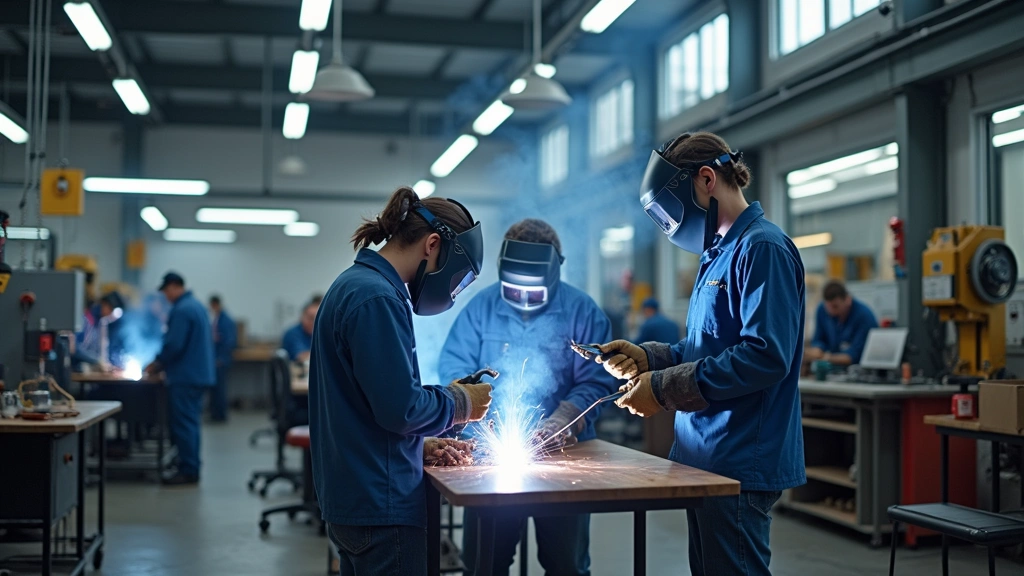
Manufacturing and Advanced Welding programs leverage Hamilton’s industrial heritage and current manufacturing sector needs. Students learn CNC programming, precision machining, welding techniques, and industrial maintenance, with equipment that reflects current industry standards. These programs often lead to immediate employment at competitive wages.
Skilled Trades Programs including HVAC, electrical, plumbing, and construction trades round out the technical offerings. These programs combine classroom instruction with apprenticeship components, allowing students to earn while they learn. The demand for skilled tradespeople in Ohio remains exceptionally strong, with wages often exceeding four-year degree holders.
Beyond these primary categories, Butler Tech Hamilton offers programs in automotive technology, commercial truck driving, cosmetology, culinary arts, and business technology. This diversity ensures that students with varied interests and career goals find appropriate pathways at the institution.
Campus Facilities and Technology Infrastructure
A technical college’s value depends heavily on the quality of its facilities and equipment. Butler Tech Hamilton has invested substantially in creating learning environments that mirror professional workplaces, allowing students to practice on tools and technology they’ll encounter in actual jobs.
The healthcare simulation labs feature realistic clinical environments with mannequins, medical equipment, and electronic health record systems identical to those used in hospitals. These immersive settings reduce the learning curve when students transition to clinical placements and employment. The investment in simulation technology demonstrates the institution’s commitment to preparation quality.
IT and networking labs contain current hardware configurations, allowing students to gain hands-on experience with servers, switches, routers, and security systems. This practical approach to learning technical skills ensures graduates understand not just theory but actual implementation. The labs remain updated as technology evolves, preventing the common problem of students learning outdated systems.
Manufacturing facilities showcase state-of-the-art CNC machines, welding stations with multiple processes (MIG, TIG, stick), and industrial control systems. Students operate equipment worth hundreds of thousands of dollars, building confidence and competence before workplace entry. Safety training receives paramount importance, with rigorous protocols preventing accidents and ensuring professional habits.
The automotive technology center features diagnostic equipment, engine dynamometers, and real vehicles for training. Students work on actual problem vehicles, troubleshooting real issues rather than theoretical scenarios. This authentic learning environment accelerates skill development and produces graduates ready for dealership and independent shop employment.

Student Experience and Support Services
Beyond academics, Butler Tech Hamilton provides comprehensive support services recognizing that student success depends on addressing barriers to completion. Financial aid counselors help students navigate FAFSA applications, grant opportunities, and loan options. Many students qualify for need-based aid that substantially reduces program costs.
Academic advising begins before enrollment, with counselors helping prospective students select appropriate programs matching their goals and abilities. This early intervention prevents costly program changes and improves completion rates. Advisors maintain relationships with students throughout their studies, providing course selection guidance and addressing academic challenges.
Career services extend beyond placement assistance, including resume development, interview preparation, and job search coaching. The institution maintains relationships with hundreds of employers, providing job listings exclusively to Butler Tech students and facilitating direct employer connections. Many students receive job offers before completing their final courses.
Tutoring and academic support services address students struggling with foundational skills or specific course content. Mathematics and English support proves particularly valuable for students whose secondary education may not have adequately prepared them for technical coursework. Peer tutoring and faculty office hours provide accessible help.
Mental health and counseling services recognize that personal challenges often impact academic success. The institution provides confidential counseling for stress, anxiety, depression, and other concerns. Referrals to community resources ensure students access appropriate care when needs exceed on-campus capacity.
Childcare assistance and transportation support address practical barriers many adult learners face. These services demonstrate institutional commitment to access and completion, particularly for non-traditional students balancing education with family and work responsibilities.
Industry Partnerships and Career Outcomes
Butler Tech Hamilton’s relationships with employers represent a significant competitive advantage. The institution doesn’t operate in isolation but maintains active partnerships with companies across all program areas. These partnerships shape curriculum, provide guest instructors, and create internship and employment opportunities.
Healthcare systems including Cincinnati Children’s Hospital, UC Health, and regional hospital networks actively recruit Butler Tech graduates. The institution’s clinical placement programs allow students to complete training rotations at these facilities, often leading to direct employment offers. Nursing assistant graduates particularly benefit from these established relationships.
Manufacturing companies including automotive suppliers, industrial equipment manufacturers, and precision machining firms actively hire Butler Tech graduates. Some offer tuition assistance to students committing to employment, creating win-win partnerships. These relationships ensure students learn skills exactly matching employer needs.
Technology employers increasingly partner with Butler Tech Hamilton to address the technology skills gap in Ohio. Companies provide equipment donations, curriculum input, and direct recruitment opportunities. IT program graduates often receive multiple job offers before graduation.
Apprenticeship programs in skilled trades combine classroom instruction with paid work experience. Students earn wages while learning, creating financial sustainability and demonstrating employer confidence in their abilities. Many apprenticeship participants transition to full-time employment with their sponsoring employers upon completion.
Placement rates for Butler Tech Hamilton graduates consistently exceed 85%, with many securing employment within 90 days of completion. Starting wages vary by program but generally range from $28,000 to $45,000 annually, with skilled trades often exceeding $40,000 for entry-level positions. These outcomes justify the investment in technical education.
Admission Process and Cost Structure
Admission to Butler Tech Hamilton programs varies by specific offering, but generally requires a high school diploma or GED equivalent. Some programs conduct entrance assessments evaluating basic math and reading proficiency, ensuring students possess foundational skills necessary for success. These assessments identify students needing developmental coursework before beginning technical training.
The application process remains straightforward, with online submission options and minimal documentation requirements. Prospective students complete application forms, provide transcripts, and schedule program-specific information sessions. Most programs accept students on a rolling basis, allowing enrollment at multiple points throughout the year rather than single annual cohorts.
Program costs vary significantly based on length and type. Certificate programs typically cost $3,000 to $8,000 total, while diploma programs range from $8,000 to $15,000. Associate degree programs may cost $15,000 to $25,000, still substantially less than four-year universities. These costs cover tuition, fees, and required materials but exclude living expenses for commuting students.
Financial aid options include federal and state grants, loans, and work-study opportunities. Many students qualify for need-based aid reducing their out-of-pocket costs significantly. Some employers provide tuition reimbursement for employees completing relevant programs, creating additional affordability pathways.
The affordability advantage of Butler Tech Hamilton compared to traditional universities cannot be overstated. A student completing a two-year diploma program for $12,000 and entering the workforce earning $40,000 annually achieves financial independence far more quickly than a four-year degree recipient with $30,000+ in debt. This economic reality drives increasing enrollment in technical education nationally.

Comparing Butler Tech to Regional Alternatives
Several alternative technical education providers operate in the greater Cincinnati region, each with distinct strengths and limitations. Understanding how Butler Tech Hamilton compares helps prospective students make informed decisions.
Cincinnati State Technical and Community College offers a broader range of programs and operates multiple campuses, providing greater geographic accessibility. However, Cincinnati State’s larger size may result in less personalized attention compared to Butler Tech’s focused approach. Both institutions maintain strong employer relationships and comparable placement rates.
Private technical schools operating in Ohio often charge substantially higher tuition while offering more limited program diversity. These institutions may provide accelerated timelines but lack the employer relationships and regional reputation of public technical colleges. Cost-benefit analysis typically favors public institutions like Butler Tech Hamilton.
Apprenticeship programs through unions and industry associations provide excellent training with paid work components but typically require union membership or sponsorship. These programs complement rather than compete with Butler Tech, as the institution often provides classroom components for registered apprenticeships.
Four-year universities with technical programs offer degree pathways but at significantly higher cost and with less focus on immediate workforce entry. Students seeking advanced technical credentials with bachelor’s degrees may eventually pursue university programs after Butler Tech completion, creating logical educational pathways.
Butler Tech Hamilton’s primary competitive advantages include affordability, program diversity, regional employer relationships, and focus on rapid workforce entry. For students prioritizing practical skills, immediate employment, and cost-effectiveness, Butler Tech typically outperforms alternatives. For students seeking four-year degrees or advanced credentials, Butler Tech provides strong foundation coursework.
Real Student Testimonials and Reviews
Prospective students benefit from understanding actual student experiences rather than relying solely on institutional marketing. Current and recent Butler Tech Hamilton students consistently praise specific aspects of their education.
Healthcare program students frequently mention the quality of clinical placements and the preparation they received for real patient care. One nursing assistant graduate noted that her Butler Tech training made her clinical rotation feel like an extension of coursework rather than a shocking transition. This seamless progression reflects program quality.
IT program participants appreciate the hands-on lab experience and current equipment. Students report feeling confident in job interviews because they’d worked with actual technology rather than simulations. This practical foundation accelerates their transition to employment and reduces employer training requirements.
Welding and manufacturing students consistently mention the equipment quality and instructor expertise. Many instructors maintain active industry experience, bringing current practices and real problems into the classroom. This currency of instruction prevents teaching outdated techniques.
Adult learners frequently praise the flexible scheduling and supportive environment. Butler Tech Hamilton recognizes that many students work full-time or have family responsibilities, offering evening and weekend classes accommodating these realities. The non-judgmental environment welcomes students of all ages and backgrounds.
Skilled trades students appreciate the apprenticeship components providing paid work experience. Students earning wages while learning eliminates the financial stress of full-time education without income. This model proves particularly attractive to students unable to afford unpaid training periods.
Negative feedback, while less common, typically involves course scheduling limitations during peak enrollment periods or occasional equipment maintenance causing temporary lab closures. These minor issues reflect normal educational operations rather than systemic problems.
Online review platforms and social media discussions generally reflect positive sentiment, with students recommending Butler Tech Hamilton to friends and family members. Alumni networks maintain active engagement, suggesting satisfactory long-term outcomes and positive institutional relationships.
Future Directions and Emerging Programs
Butler Tech Hamilton continues evolving to address emerging workforce needs and technological change. The institution has expanded programming and technology training offerings recognizing Ohio’s growing tech sector. New programs in cybersecurity, cloud computing, and data analytics reflect national workforce demands.
Green energy and sustainability programs represent emerging growth areas, with training in solar installation, wind technology, and energy efficiency systems. These programs position graduates for employment in expanding renewable energy sectors while addressing environmental concerns.
Advanced manufacturing programs incorporating Industry 4.0 concepts prepare students for smart factories and automated production environments. Students learn programming, robotics integration, and data analysis alongside traditional manufacturing skills, creating more versatile technicians.
Healthcare programs continue expanding to address shortages in nursing, medical coding, and allied health fields. Partnerships with healthcare systems ensure curriculum aligns with changing healthcare delivery models and technology adoption.
The institution’s commitment to continuous improvement and curriculum updating ensures Butler Tech Hamilton remains relevant as industries evolve. This responsiveness to change distinguishes quality technical education providers from those offering outdated training.
FAQ
What is the typical completion time for Butler Tech Hamilton programs?
Most certificate programs require 6-12 months of full-time study, while diploma programs typically span 12-24 months. Associate degree programs generally require two years. Part-time options extend these timelines but provide scheduling flexibility for working students.
Do Butler Tech Hamilton graduates earn recognized credentials?
Yes, graduates earn diplomas and certificates recognized by Ohio employers and often nationally. Many programs include industry-recognized certifications like CompTIA A+, Certified Nursing Assistant, or welding certifications. These credentials verify competency to employers regardless of educational background.
What financial aid options exist for Butler Tech Hamilton students?
Students qualify for federal Pell Grants, federal loans, state grants, and institutional aid based on financial need. Many employers provide tuition reimbursement for employees. Some programs qualify students for apprenticeship wages covering tuition costs.
Are Butler Tech Hamilton courses available online?
Some general education and theory-based courses are available online, but technical programs require substantial hands-on lab work necessitating in-person attendance. Hybrid formats combine online coursework with scheduled lab sessions accommodating some scheduling flexibility.
What job placement assistance does Butler Tech Hamilton provide?
Career services include resume development, interview coaching, job search databases, and direct employer connections. Many employers actively recruit Butler Tech students before graduation, often resulting in job offers during final coursework.
Can high school students attend Butler Tech Hamilton while still in secondary school?
Yes, dual enrollment programs allow high school juniors and seniors to complete Butler Tech coursework while earning high school credits. This pathway allows students to earn associate degrees or complete certifications before high school graduation, creating significant time and cost savings.
How does Butler Tech Hamilton compare to four-year universities?
Butler Tech Hamilton focuses on rapid workforce entry with lower costs, while universities emphasize theoretical knowledge and broader education. Many graduates pursue university degrees after Butler Tech completion, using technical credentials as stepping stones. The choice depends on individual career goals and priorities.
What support services help struggling students?
Academic advising, tutoring, mental health counseling, and financial aid counseling address various student challenges. Many programs include developmental coursework for students needing foundational skill building before technical content.


