
Butler Tech Gadgets: Campus Innovations Explored
Butler Tech’s Liberty Township campus has emerged as a hub for cutting-edge educational technology and innovative gadget implementations. This comprehensive exploration reveals how modern hardware and software solutions are transforming the learning environment, student engagement, and career preparation for aspiring tech professionals. From collaborative workstations to advanced laboratory equipment, the campus showcases a remarkable commitment to equipping students with hands-on experience using industry-standard tools and emerging technologies.
The Liberty Township location represents a significant investment in technical education infrastructure, featuring state-of-the-art facilities designed to bridge the gap between classroom theory and real-world application. Students benefit from exposure to gadgets and systems that professionals use daily across software development, networking, cybersecurity, and renewable energy sectors. This article delves into the specific technological innovations that define the Butler Tech experience and prepare graduates for competitive careers in the rapidly evolving tech landscape.
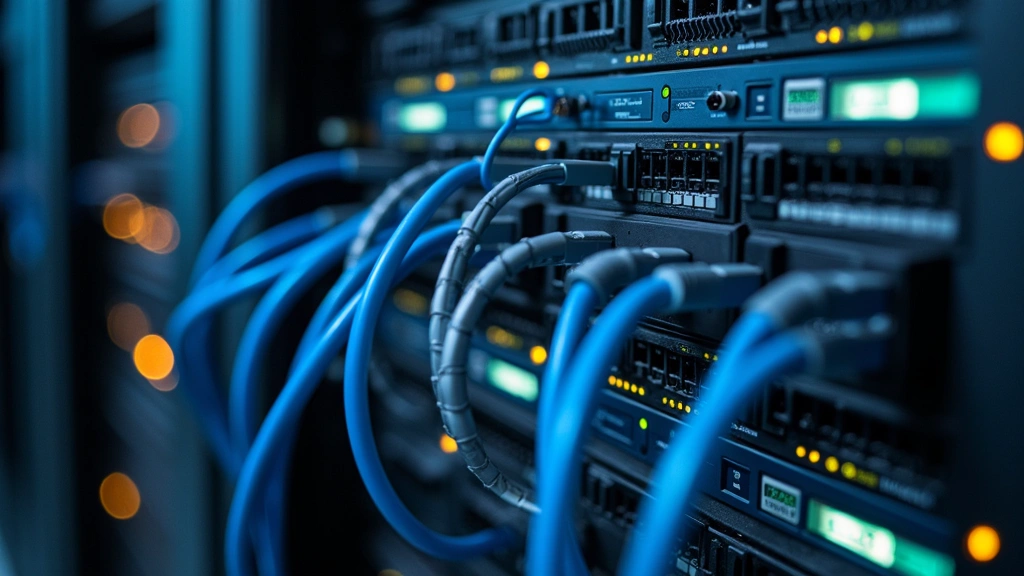
Campus Technology Infrastructure Overview
Butler Tech’s Liberty Township campus operates as a modern technical education facility with comprehensive infrastructure designed to support multiple specialized programs. The campus integrates contemporary networking solutions, robust power management systems, and climate-controlled server environments that mirror professional data center standards. This deliberate approach ensures that students learn within environments that authentically represent workplace conditions they’ll encounter post-graduation.
The backbone of the campus technology ecosystem relies on fiber-optic connectivity providing gigabit-speed internet throughout all instructional spaces. Multiple network switches, managed routers, and redundant internet connections ensure continuous access to cloud-based learning platforms and real-time collaborative tools. The infrastructure also supports specialized equipment requirements for programs focused on artificial intelligence applications and advanced computing disciplines.
Campus-wide WiFi 6 technology enables seamless connectivity for mobile devices and wireless gadgets used throughout learning spaces. This modern standard provides faster speeds, improved reliability, and better performance in high-density environments where numerous students simultaneously access network resources. The wireless infrastructure supports everything from student laptops to IoT sensors used in engineering projects.
Power distribution systems throughout the campus incorporate uninterruptible power supply (UPS) technology, protecting sensitive equipment from electrical fluctuations and ensuring continuous operation during maintenance windows. This redundancy reflects professional standards where data loss and equipment damage represent significant operational risks. Students gain practical understanding of infrastructure reliability during their studies.
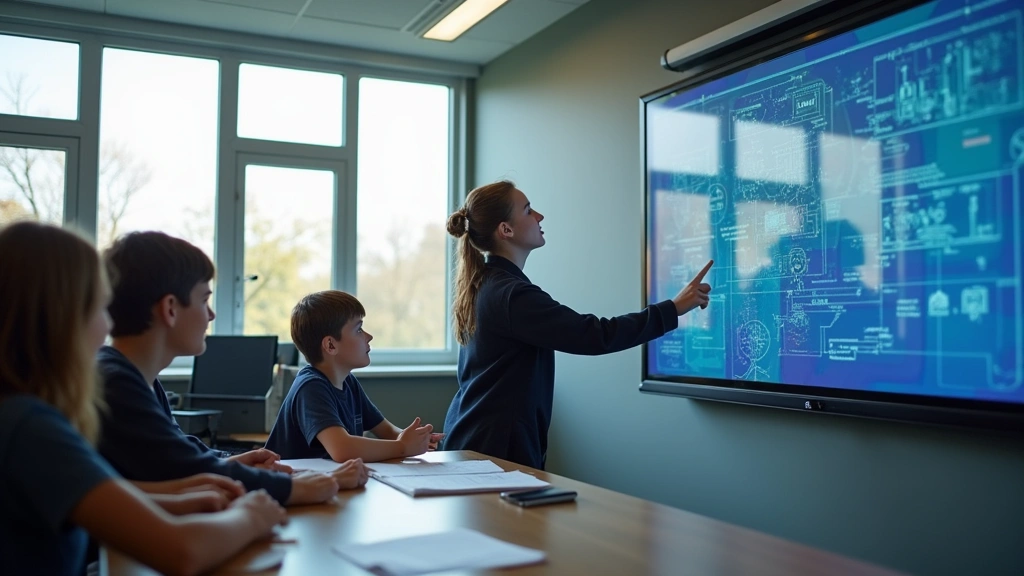
Workstation and Computer Lab Equipment
The heart of technical education at Butler Tech Liberty Township involves state-of-the-art computer workstations distributed across multiple specialized laboratories. Each workstation features high-performance processors, substantial RAM capacity, and dedicated graphics processing units designed to handle demanding software applications and development environments. These systems run current operating systems including Windows, Linux, and macOS variants, reflecting the diverse technology stack professionals encounter in their careers.
Workstations in software development labs feature multi-monitor setups that enhance productivity and enable developers to reference documentation, write code, and test applications simultaneously. Dual or triple-monitor configurations represent industry-standard practice, and students benefit from early exposure to these ergonomic and efficiency-focused workspace designs. This experience directly translates to improved productivity when graduates enter professional development roles.
The computer labs maintain current versions of integrated development environments (IDEs) including Visual Studio Code, IntelliJ IDEA, and specialized tools for web development, mobile app creation, and systems programming. Regular software updates ensure students work with current frameworks, libraries, and language versions that employers actively seek. Hardware specifications meet or exceed minimum requirements for professional-grade development tools, preventing frustration and ensuring smooth learning experiences.
Specialized labs for cybersecurity and network administration feature equipment dedicated to defensive and offensive security practice. These facilities include virtual machine hypervisors enabling students to create isolated testing environments without risking institutional systems. Hardware dedicated to penetration testing, vulnerability assessment, and security monitoring allows hands-on practice with professional-grade tools that security professionals use daily.
3D printing labs equipped with FDM and resin printers enable students pursuing engineering and design programs to prototype ideas and understand manufacturing processes. These gadgets represent the intersection of digital design and physical production, providing valuable experience with contemporary fabrication technologies. Students learn material properties, printer maintenance, and design optimization—skills increasingly relevant across technical fields.
Networking and Cybersecurity Tools
Butler Tech’s commitment to cybersecurity education manifests through comprehensive networking equipment and security-focused gadgets distributed throughout the Liberty Township campus. Cisco networking devices including switches, routers, and firewalls provide authentic hands-on experience with equipment students will encounter in enterprise environments. Students configure, troubleshoot, and secure these systems under guided instruction, building confidence and competence with industry-standard hardware.
Dedicated cybersecurity labs feature advanced threat detection systems, intrusion prevention appliances, and security information and event management (SIEM) platforms. These tools monitor network traffic, identify suspicious activity patterns, and help students understand how organizations detect and respond to security incidents. Exposure to professional-grade security monitoring prepares students for roles in security operations centers and defensive cybersecurity positions.
Network analyzers and packet capture tools enable students to inspect data flowing across network segments, understanding protocols, identifying anomalies, and troubleshooting connectivity issues. Wireshark, tcpdump, and commercial network analysis platforms reveal the invisible communication happening across campus infrastructure. This granular understanding of network behavior separates competent network professionals from novices.
Vulnerability scanning appliances and penetration testing frameworks allow students to identify security weaknesses in systems and applications under controlled conditions. Nessus, OpenVAS, Metasploit, and similar tools represent the standard arsenal for security professionals. Students practice discovering vulnerabilities, documenting findings, and recommending remediation strategies—exactly what employers expect from security-focused graduates.
Access control systems and biometric security devices demonstrate physical security integration with digital systems. Students learn how security encompasses both digital and physical domains, understanding concepts like tailgating, badge cloning, and multi-factor authentication. This holistic perspective reflects modern security thinking where comprehensive protection requires attention to all access vectors.
Software Development Platforms
The software development curriculum at Butler Tech leverages contemporary platforms and frameworks that dominate professional development environments. Cloud development platforms from Amazon Web Services, Microsoft Azure, and Google Cloud provide students with practical experience deploying applications to production-like environments. Understanding cloud architecture and deployment processes represents essential knowledge for modern software developers.
Version control systems and collaborative development platforms like Git and GitHub enable students to practice professional software development workflows. Learning branching strategies, code review processes, and collaborative development early in education creates habits that enhance professional effectiveness. These tools also demonstrate how distributed teams collaborate on complex projects—a reality in contemporary software development.
Containerization technologies including Docker and Kubernetes appear throughout the curriculum, reflecting the industry shift toward microservices architecture and container-based deployment. Students gain hands-on experience packaging applications and orchestrating container deployments, preparing them for roles in DevOps and cloud infrastructure. Understanding these technologies significantly enhances employability in competitive tech job markets.
Continuous integration and continuous deployment (CI/CD) pipelines automate testing and deployment processes, allowing students to practice modern software development practices. Jenkins, GitLab CI, and similar tools demonstrate how professional organizations reduce manual errors and accelerate software delivery. Students learn to write automated tests, configure build pipelines, and understand the broader software development lifecycle.
Database management systems including relational databases (PostgreSQL, MySQL) and NoSQL platforms (MongoDB, Redis) enable students to design, implement, and optimize data storage solutions. Students practice database design, query optimization, and scaling strategies for handling large datasets. This database literacy proves essential across virtually all software development specializations.
Web development frameworks spanning frontend technologies (React, Vue.js, Angular) and backend systems (Node.js, Python Django, Java Spring) provide comprehensive full-stack development experience. Students build complete applications from database through user interface, understanding how different layers interact and integrate. This end-to-end perspective creates more capable developers who understand system architecture.
Collaborative Learning Gadgets
Interactive displays and smart whiteboards throughout Butler Tech’s Liberty Township campus enhance instructional delivery and student engagement. These devices enable instructors to present content dynamically, allowing real-time annotation, student interaction, and multimedia integration. Students benefit from visual learning approaches while developing familiarity with presentation technologies they’ll use professionally.
Classroom collaboration tools including wireless casting technology allow students to share work instantly from personal devices to large displays. This functionality supports group projects, peer review sessions, and presentation practice. Students learn to articulate technical concepts to diverse audiences—a critical professional communication skill.
Video conferencing and remote collaboration technology connects students with industry professionals, enabling guest lectures and virtual mentoring sessions. Zoom, Microsoft Teams, and similar platforms represent standard business communication tools. Students gain experience with professional video conferencing before entering workplaces where remote collaboration is commonplace.
Project management and team coordination gadgets including digital kanban boards, time tracking systems, and collaborative documentation platforms teach students to work effectively in structured team environments. Understanding Agile methodologies, sprint planning, and task management reflects contemporary software development practices. These soft skills complement technical knowledge, creating well-rounded professionals.
Feedback and assessment technology including digital response systems and learning management platforms provide immediate insight into student understanding. Instructors adapt instruction based on real-time data, while students receive prompt feedback supporting continuous improvement. This data-driven approach to education models how professionals use metrics and analytics.
Renewable Energy and IoT Innovations
Butler Tech’s Liberty Township campus demonstrates commitment to sustainable technology through technology in renewable energy innovations integrated throughout campus facilities. Solar panel arrays provide practical examples of photovoltaic technology while contributing to campus power generation. Students studying energy systems gain hands-on experience with renewable technology installation, monitoring, and optimization.
IoT sensor networks deployed across campus demonstrate Internet of Things applications in environmental monitoring, energy management, and facility optimization. Temperature sensors, humidity monitors, and occupancy detectors collect data enabling smart building management. Students learn to deploy, configure, and analyze IoT sensor data—skills increasingly valuable across technical disciplines.
Smart building management systems aggregate data from distributed sensors, optimizing HVAC operations, lighting, and energy consumption. Students understand how connected devices communicate, how data flows through systems, and how intelligence emerges from aggregated information. This practical exposure to IoT concepts exceeds theoretical classroom instruction.
Energy monitoring dashboards visualize power consumption patterns, helping students understand energy efficiency principles and identify optimization opportunities. Real-time data makes abstract concepts concrete, demonstrating how technology enables environmental stewardship. Students pursuing sustainability-focused careers gain valuable experience with contemporary green technology solutions.
Weather stations and environmental monitoring equipment support STEM education while providing data for student projects and research initiatives. Students practice data collection, analysis, and interpretation using authentic real-world information. This hands-on environmental science experience integrates naturally with technical education.
Career Preparation Technology
Butler Tech’s Liberty Township campus integrates career preparation technology helping students transition from education to professional employment. How to become a software developer represents one focus, with curriculum aligned to industry hiring requirements and skill expectations. Students build portfolios demonstrating competence with tools and technologies employers actively seek.
Professional certification exam preparation platforms enable students to pursue industry-recognized credentials including CompTIA, Cisco, and AWS certifications. These credentials significantly enhance employment prospects and earning potential. Campus facilities support exam preparation through practice tests, study materials, and proctored testing environments.
Resume building and interview preparation tools help students articulate their technical skills and experience to potential employers. Career services leverage technology to connect students with employers and facilitate networking opportunities. Alumni networks and job boards provide pathways from education to employment.
LinkedIn learning and professional development platforms offer continuing education opportunities helping students stay current with rapidly evolving technologies. Students develop habits of lifelong learning essential for sustained career success in technical fields. Early exposure to professional development resources establishes patterns supporting long-term career growth.
Internship and apprenticeship programs connect students with employers seeking talented individuals. Real-world experience supplements classroom instruction, building professional networks and demonstrating capability to potential permanent employers. Many students transition directly from internships to full-time positions.
The campus also emphasizes best tech stocks and industry understanding, helping students appreciate technology sector dynamics and investment opportunities. Understanding business aspects of technology companies provides context for career decisions and entrepreneurial possibilities.
Butler Tech’s Liberty Township campus represents a thoughtful investment in technical education infrastructure. By providing access to contemporary gadgets, professional-grade tools, and authentic learning environments, the institution prepares students for meaningful careers in technology. Graduates enter the workforce with hands-on experience, industry certifications, and professional networks that significantly accelerate career progression. The campus embodies the principle that effective technical education requires more than theoretical instruction—it demands authentic engagement with tools and technologies that professionals use daily.
For students considering technical education, visiting the Liberty Township campus reveals the seriousness with which Butler Tech approaches workforce preparation. The investment in infrastructure, equipment, and facilities demonstrates institutional commitment to student success. Prospective students should evaluate how thoroughly any technical program integrates contemporary technology into curriculum design and instructional delivery.
The broader Tech Pulse Hunter Blog offers additional insights into technology education, career development, and emerging tech trends affecting education and employment. Understanding these broader context helps students make informed decisions about technical education and career pathways.
FAQ
What specific programs does Butler Tech Liberty Township offer?
Butler Tech offers diverse technical programs including software development, cybersecurity, networking, HVAC, electrical systems, healthcare technology, and industrial maintenance. Each program integrates specialized equipment and gadgets relevant to specific career paths.
Can prospective students tour the Liberty Township campus?
Yes, prospective students can schedule campus tours to observe facilities, meet instructors, and learn about program specifics. Tours provide valuable insight into the learning environment and available technology resources.
Are industry certifications included in Butler Tech programs?
Many Butler Tech programs incorporate industry certification preparation. Students can pursue CompTIA, Cisco, AWS, and other recognized credentials that enhance employment prospects.
How does Butler Tech support students transitioning to employment?
Career services, internship programs, alumni networks, and employer partnerships facilitate student transitions to professional employment. The institution maintains relationships with employers actively seeking Butler Tech graduates.
What is the student-to-computer ratio in lab environments?
Lab environments typically feature sufficient equipment for hands-on practice, though specific ratios vary by program. Students should inquire about lab access and equipment availability when considering specific programs.
Does the campus support remote or hybrid learning?
While technical education benefits from in-person lab work, Butler Tech has integrated remote collaboration tools and online components. Specific flexibility varies by program and should be discussed with admissions staff.
How current is the technology used in instruction?
Butler Tech maintains regular equipment updates and software licensing to ensure students work with current technologies. The institution understands that outdated tools create poor preparation for contemporary employment.
Are there opportunities for students to contribute to campus technology projects?
Student involvement in campus infrastructure projects provides valuable real-world experience. Advanced students often participate in system administration, network maintenance, and technology implementation projects.


