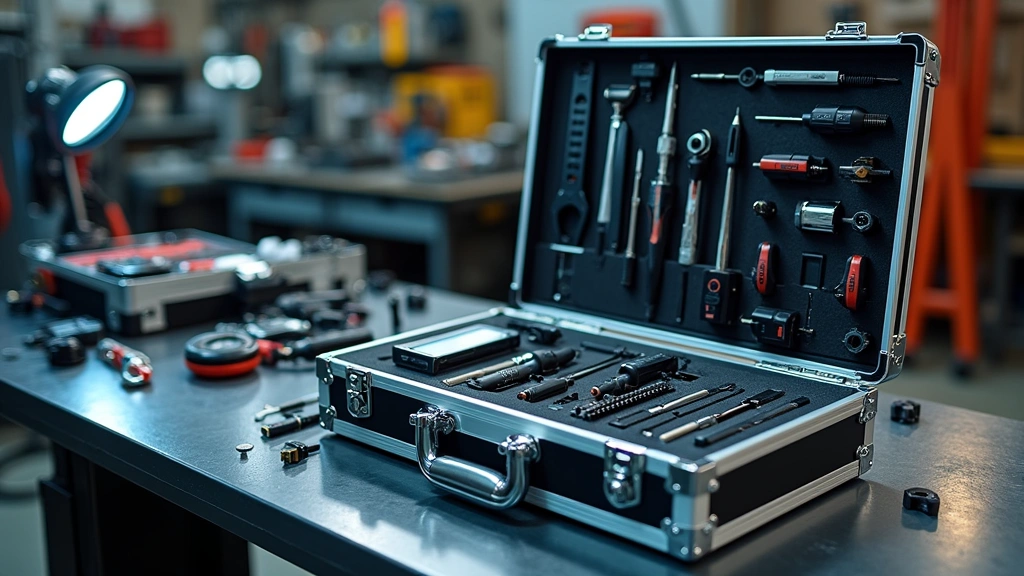
Whether you’re a professional technician, DIY enthusiast, or IT professional, having the right tech tool boxes can dramatically improve your efficiency and workflow. A well-organized toolkit isn’t just about convenience—it’s about having precision instruments at your fingertips when troubleshooting electronics, performing repairs, or building custom rigs. In this comprehensive guide, we’ll explore the best tech tool boxes available today, examining their features, specifications, and real-world applications to help you make an informed decision.
The market for professional tech toolkits has evolved significantly over the past few years, with manufacturers now offering specialized solutions tailored to specific technical disciplines. From compact portable sets designed for on-site repairs to comprehensive workstation organizers, the options can feel overwhelming. That’s why we’ve tested and analyzed dozens of products to identify the ones that truly deliver on quality, durability, and functionality. Whether you’re managing IT infrastructure or repairing consumer electronics, you’ll find expert recommendations that match your specific needs.
What Defines a Quality Tech Tool Box
A premium tech tool box goes far beyond simply being a container for tools. Quality is determined by several critical factors that separate professional-grade equipment from consumer alternatives. Material composition plays a fundamental role—aluminum construction offers lightweight portability without sacrificing durability, while reinforced plastic provides excellent impact resistance at lower costs. The internal compartmentalization system must accommodate various tool sizes without allowing movement during transport, which can cause damage to both tools and components.
The locking mechanism deserves careful consideration, as security is paramount when carrying expensive diagnostic equipment and precision instruments. Look for boxes featuring multi-point locking systems and weather-resistant seals that protect against moisture ingress. Professional technicians also prioritize ergonomic design elements like comfortable handles, balanced weight distribution, and modular compartments that can be customized based on specific job requirements. Additionally, the best tech companies investing in tool innovation often provide lifetime warranties and replacement guarantees, reflecting their confidence in product quality.
Compatibility with industry-standard tools and accessories is another essential consideration. Premium boxes accommodate various connector types, diagnostic cables, and specialized instruments without requiring awkward modifications. The interior finish should be non-abrasive to prevent scratching precision tools, and drainage systems should prevent water accumulation during field deployments. Finally, consider the manufacturer’s reputation for customer support and spare parts availability—these factors significantly impact long-term value.
Top Premium Tech Tool Boxes for Professionals
The Pelican 1600 Case represents the gold standard for professional-grade tech tool storage. This rugged aluminum case combines military-grade durability with thoughtful interior organization featuring customizable foam inserts that allow precise tool placement. With pressure relief valves and automatic latches, the Pelican 1600 maintains watertight seals even under extreme conditions. Professional IT consultants and electronics repair specialists consistently recommend this model for its exceptional build quality and protective capabilities.
For those seeking comprehensive workspace solutions, the Tech Pulse Hunter Blog frequently highlights the DEWALT TOUGHSYSTEM 2.0 as an innovative modular platform. This system allows technicians to build customized configurations by combining various storage modules, work surfaces, and organizational units. The magnetic attachment system enables quick reconfiguration between different job sites, while the rubberized exterior protects against impacts and abrasion. Many professionals appreciate how this system scales as their tool collection grows.
The iFixit Pro Tech Toolkit deserves special mention for electronics repair specialists. Specifically engineered for delicate work on smartphones, laptops, and consumer electronics, this comprehensive set includes precision screwdrivers, spudgers, tweezers, and specialized opening tools. The organized carrying case features color-coded compartments that streamline tool identification during time-sensitive repairs. Field technicians report significantly faster turnaround times when using this specialized approach compared to generic toolkits.
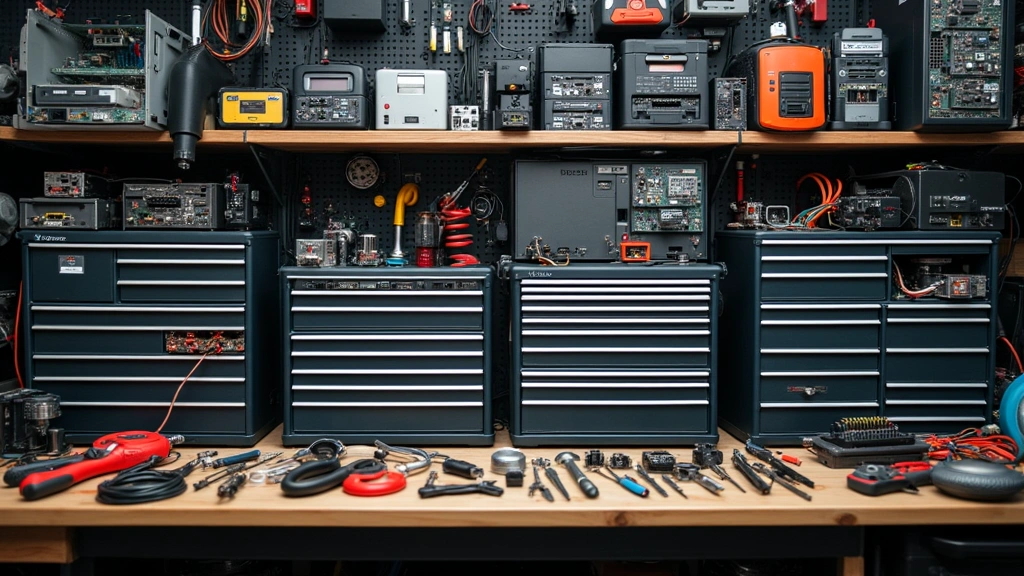
Another exceptional option is the Snap-on Technician’s Tool Box, favored by automotive and industrial technicians who work with complex electronic systems. The heavy-duty construction withstands demanding environments, while the intelligent drawer organization system keeps tools immediately accessible. The integrated power distribution system accommodates diagnostic equipment, making it an excellent choice for comprehensive vehicle and machinery analysis.
Best Portable Tech Toolkits for Field Work
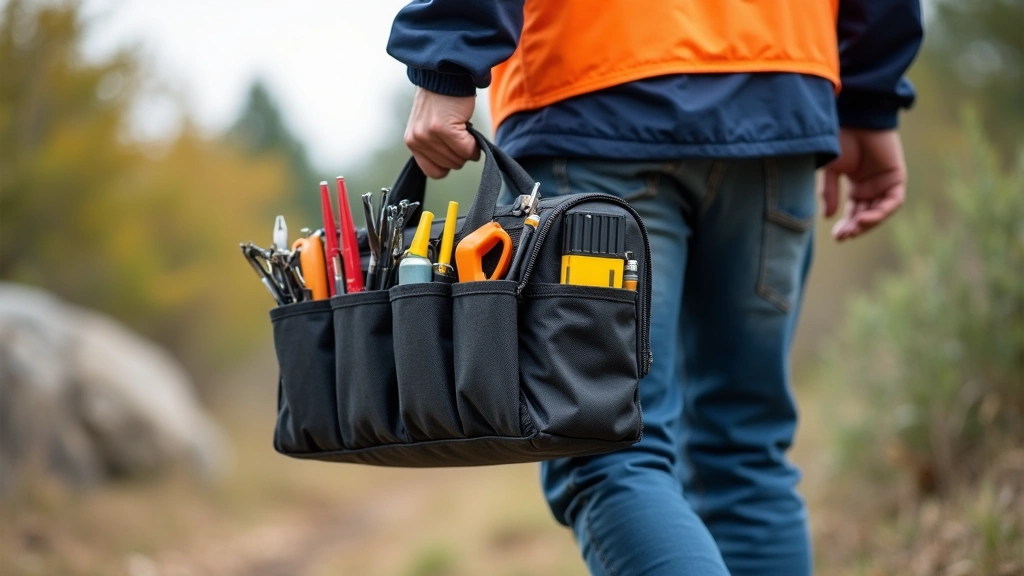
Field technicians require different priorities than workshop-based professionals. Weight, portability, and quick access become paramount when you’re traveling between multiple client locations. The AmazonBasics Electronics Repair Tool Kit offers surprising versatility in a lightweight package, featuring essential tools for most common tech repairs without excessive bulk. The compact design fits easily into vehicle storage or backpacks, making it ideal for service calls where you need to travel light.
The Belkin Mobile Toolkit represents premium portable engineering with its sleek design and comprehensive component selection. Despite its compact footprint, this kit includes precision screwdrivers, cleaning supplies, and cable organizers—everything needed for typical smartphone and tablet repairs. The durable carrying pouch features water-resistant material that provides adequate protection during daily transport, and the color-coded tools reduce setup time at client locations.
For professionals managing complex IT infrastructure, the cloud computing environments often require specialized portable diagnostics. The Fluke Networks LinkRunner AT2 represents professional-grade portability, combining network testing, cable verification, and device connectivity analysis in a handheld format. While technically not a traditional tool box, its portable design and comprehensive diagnostic capabilities make it invaluable for field-based IT professionals who need immediate answers about network performance and connectivity issues.
The Wiha Kraftform Kompakt SB 60 offers European engineering excellence in a compact screwdriver set. Professionals appreciate the precision construction and ergonomic handles that reduce fatigue during extended work sessions. The magnetic bit holder system prevents tool loss, a critical consideration when working at heights or in challenging field environments. Many field technicians keep this kit as their primary toolkit due to its reliability and comprehensive bit selection.
Budget-Friendly Options Without Compromising Quality
Professional-grade tool boxes don’t necessarily require premium pricing. Several manufacturers offer exceptional value propositions that deliver quality construction without excessive cost premiums. The Stanley FatMax tool organizer provides substantial storage capacity with reinforced compartments and durable latch mechanisms at a fraction of premium pricing. The molded plastic construction resists corrosion and impact damage, making it suitable for both workshop and field environments.
The Husky 22-inch Tool Bag represents practical design combined with affordable pricing. Multiple pockets and compartments accommodate various tool sizes, while the reinforced handles distribute weight effectively during transport. The water-resistant exterior provides basic protection against environmental elements, adequate for most technician applications. Budget-conscious professionals often purchase multiple Husky bags to create specialized kits for different technical disciplines, maximizing value through strategic organization.
Klein Tools offers several mid-range options that appeal to professionals seeking balanced performance without premium pricing. Their tradesperson’s tool bags feature reinforced bottoms that prevent premature wear, and the organized compartment system keeps tools systematically arranged. Many field technicians appreciate the practical design that prioritizes functionality over aesthetic considerations, resulting in lower costs without sacrificing durability.
For those interested in understanding broader technology investment trends, exploring coding and development tools can complement your technical toolkit knowledge. Many modern tech professionals benefit from understanding software tools alongside physical hardware solutions, creating comprehensive technical competency that commands premium compensation.
Specialized Tool Boxes by Technical Discipline
Different technical fields require specialized tool configurations optimized for specific applications. Electronics repair technicians prioritize precision instruments and static-dissipative materials that protect sensitive components during work. The Weller WLC100 soldering station, while primarily equipment rather than a traditional tool box, represents the kind of specialized investment that electronics professionals make. Pairing this with a precision tool organizer creates a comprehensive workstation for circuit board repair and component-level troubleshooting.
Network technicians require different priorities, focusing on cable testing, connectivity verification, and diagnostic equipment. The emerging AI-powered network diagnostic tools are revolutionizing how professionals approach infrastructure assessment. However, traditional tool boxes for network specialists should include cable crimpers, testers, and organized storage for various connector types and patch cables.
Computer technicians and system builders prioritize anti-static protection and organization for component-level work. Specialized ESD (electrostatic discharge) safe tool boxes with conductive flooring and grounding systems protect expensive components during assembly and troubleshooting. These specialized kits often include thermal paste application tools, component testers, and organized storage for various fasteners and connectors specific to computer assembly.
Mobile device repair specialists require the most precision-oriented toolkits, with specialized opening tools, micro screwdrivers, and component removal instruments. The complexity of modern smartphones demands tools engineered to exact specifications that prevent damage to delicate ribbon cables and micro-components. Investing in quality specialized toolkits for this discipline directly impacts repair success rates and customer satisfaction.
Key Features to Compare Before Buying
Material composition fundamentally determines durability and weight characteristics. Aluminum provides superior strength-to-weight ratios but costs more than reinforced plastic. Consider your typical environment—workshop settings tolerate heavier cases, while field technicians benefit from lightweight options. The interior finish should be smooth and non-abrasive to protect precision tools from scratching.
Compartmentalization options vary significantly between models. Fixed dividers offer permanent organization but lack flexibility, while modular foam inserts allow customization based on specific tool collections. Evaluate whether the box can accommodate your current tools plus anticipated additions as your career progresses.
Locking mechanisms range from simple latches to multi-point security systems. Field technicians should prioritize secure locks that prevent unauthorized access to expensive diagnostic equipment. Weather-resistant seals protect contents during transport through various environmental conditions.
Handle design significantly impacts comfort during extended transport. Padded handles reduce fatigue, while ergonomic shaping distributes weight effectively. Consider the maximum weight you’ll regularly carry and test handle comfort with realistic loads before purchasing.
Warranty and support reflect manufacturer confidence in product quality. Premium brands typically offer lifetime warranties and replacement guarantees, while budget options may provide limited coverage. Consider long-term value when evaluating warranty terms—professional-grade tools should last decades with proper care.
Organization and Storage Solutions
Efficient tool organization directly impacts productivity and reduces time wasted searching for specific instruments. The best tech tool boxes incorporate thoughtful design that anticipates workflow patterns and accessibility requirements. Color-coded compartments accelerate tool identification, particularly valuable during time-sensitive repairs where every second matters. Labeling systems should be durable and weather-resistant, maintaining readability throughout years of field use.
Vertical organization maximizes limited space in portable kits. Stackable compartments allow technicians to customize storage height based on tool sizes, reducing wasted space. Magnetic tool holders prevent loss of small metal components, critical when working in challenging field environments. Cable management systems keep diagnostic cords organized and prevent tangling that causes damage to sensitive connectors.
Consider implementing a tool rotation system where you periodically audit your kit contents and remove unused items. This practice keeps your box focused on essential tools while preventing unnecessary weight accumulation. Many experienced technicians maintain multiple specialized kits for different applications rather than one oversized comprehensive box, improving both portability and efficiency.
For those exploring how technology tools integrate with broader professional development, understanding blockchain and distributed systems technology can enhance your technical perspective. Modern tech professionals benefit from understanding emerging technologies alongside traditional tool expertise, creating more valuable and adaptable skill sets.
Maintenance and Longevity Tips
Proper maintenance extends tool box lifespan significantly while protecting your investment. Regular cleaning prevents corrosion and material degradation, particularly important for tools exposed to moisture or salt air environments. Store your tool box in climate-controlled spaces when possible, preventing material brittleness from temperature extremes.
Periodically inspect latches, hinges, and locking mechanisms for wear or damage. Minor adjustments prevent catastrophic failures that could spill tools during transport. Replace worn padding or dividers before they deteriorate completely, maintaining organizational integrity and tool protection.
Keep an inventory of your tools and update it whenever you add or remove items. This practice prevents tool loss and ensures you have essential instruments for each job type. Many professionals photograph their organized tool boxes and store the images digitally for quick reference when preparing for specific assignments.
Consider purchasing tool-specific maintenance supplies—lubricants for moving parts, protective oils for metal tools, and replacement compartment dividers. These relatively inexpensive items significantly extend overall tool box functionality and appearance. Professional-grade tool boxes represent substantial investments; treating them with appropriate care ensures decades of reliable service.
External reviews from trusted technology publications provide valuable perspective. The Verge’s comprehensive tech equipment reviews often evaluate professional tools and workspace solutions. CNET’s detailed testing methodology applies rigorous standards to durability and functionality assessment. Professional tool reviews from Popular Mechanics provide practical insights from experienced technicians. Additionally, manufacturer specification sheets from Pelican Products detail precise dimensions and material compositions that support informed purchasing decisions.
FAQ
What’s the difference between consumer and professional-grade tech tool boxes?
Professional-grade boxes feature superior material composition, more durable locking mechanisms, better weather resistance, and more comprehensive warranties. Consumer options prioritize affordability over longevity and may use cheaper materials that deteriorate faster under regular professional use. For career technicians, professional-grade investments pay for themselves through durability and reduced replacement frequency.
How do I choose between aluminum and plastic tool boxes?
Aluminum cases offer superior strength and protection but weigh significantly more, making them better for workshop settings. Plastic boxes provide excellent impact resistance while remaining lightweight, ideal for field technicians who transport equipment between locations. Consider your primary work environment and typical carrying distance when deciding.
Are specialized tool boxes worth the premium pricing?
Yes, specialized boxes designed for specific technical disciplines often prevent tool damage and improve work efficiency significantly. Electronics repair specialists benefit from ESD-safe compartments, while network technicians appreciate cable management systems. The productivity gains typically justify the additional investment.
How often should I replace my tech tool box?
Quality professional-grade tool boxes last decades with proper maintenance. Rather than replacing entire boxes, consider upgrading individual compartments or latch systems as needed. Most technicians replace their tool boxes only when capacity no longer accommodates their growing tool collections.
Can I customize a standard tool box for my specific needs?
Absolutely. Many professionals purchase modular tool box systems that allow complete customization through add-on compartments and organizational inserts. This approach lets your toolkit evolve as your technical specialization develops and your tool collection expands.
What safety features should I prioritize in a tech tool box?
Secure locking mechanisms prevent unauthorized access to expensive diagnostic equipment, while weather-resistant seals protect sensitive electronics from moisture damage. ESD-safe compartments prevent electrostatic discharge that could damage components during transport. Consider your work environment when prioritizing specific safety features.


