Top Cable Tech Jobs: Expert Insights into High-Demand Positions
The cable and telecommunications industry represents one of the most dynamic sectors in technology employment today. As infrastructure demands evolve and connectivity becomes increasingly critical to modern society, cable tech jobs have emerged as some of the most sought-after positions in the tech landscape. From fiber optic installation to network engineering, the opportunities span multiple disciplines and skill levels, offering competitive salaries and robust career advancement potential.
Whether you’re exploring a career transition or just entering the tech field, understanding the landscape of cable technology positions can help you identify the right path forward. This comprehensive guide breaks down the most lucrative and in-demand cable tech jobs, the skills employers seek, salary expectations, and actionable insights for landing these positions. The cable industry isn’t just about traditional television anymore—it’s about supporting the infrastructure that powers everything from smart homes to enterprise data centers.

Cable Network Engineer Positions
Network engineers specializing in cable systems represent the backbone of modern telecommunications infrastructure. These professionals design, implement, and maintain the complex systems that deliver high-speed internet, voice services, and video content to millions of households and businesses. Cable network engineers typically earn between $75,000 and $120,000 annually, with senior positions commanding significantly higher compensation.
The role requires deep expertise in DOCSIS (Data Over Cable Service Interface Specification) technology, network architecture, and troubleshooting methodologies. Engineers in this space work on capacity planning, ensuring that cable networks can handle increasing data demands from streaming services, remote work, and IoT devices. Many cable tech jobs in this category involve collaboration with equipment manufacturers like Arris, Casa Systems, and Comtech to optimize network performance.
Cable network engineers often transition into management roles, becoming network operations managers or technical directors. The position offers excellent career progression, particularly for those willing to pursue advanced certifications like Cisco CCNA or CompTIA Network+. Understanding cloud computing benefits for businesses has become increasingly relevant as cable companies integrate cloud-based solutions into their infrastructure.

Fiber Optic Technician Roles
Fiber optic technicians are among the most in-demand cable tech jobs in 2024, driven by massive investments in fiber-to-the-home (FTTH) infrastructure across North America. These specialists install, terminate, splice, and test fiber optic cables that form the foundation of next-generation broadband networks. Entry-level fiber technicians typically earn $45,000 to $60,000, while experienced technicians with specialized certifications reach $75,000 or more.
The fiber optic technician role demands hands-on technical skills, including proficiency with specialized equipment like optical time-domain reflectometers (OTDR), fusion splicers, and power meters. Safety training is paramount, as technicians work at heights, in confined spaces, and with hazardous materials. Many cable companies require completion of fiber optic certification programs before hiring, such as those offered through the Fiber Optic Association.
Career advancement for fiber technicians includes progression to lead technician roles, quality assurance positions, or training coordinator positions. Some technicians transition into network engineering or project management. The explosive growth in fiber deployment means job security and consistent demand for qualified technicians across most geographic markets.
Field Service Technician Opportunities
Field service technicians represent the customer-facing side of cable tech jobs, installing and troubleshooting equipment at residential and commercial locations. These positions typically offer salaries ranging from $40,000 to $70,000 annually, with opportunities for overtime and performance bonuses. Field technicians are the first line of support for customers experiencing connectivity issues, making customer service skills as important as technical knowledge.
The job responsibilities include installing modems, routers, set-top boxes, and other customer premises equipment (CPE), diagnosing service problems, and performing preventive maintenance. Modern field technicians also handle more complex tasks like fiber termination at customer locations and deployment of advanced services like video streaming optimization. Many cable companies provide company vehicles, tools, and ongoing training to field technicians.
Career paths from field service technician roles lead to senior technician positions, dispatch supervisor roles, or transition into network operations. The hands-on experience gained in field service is invaluable for understanding real-world network challenges and customer needs. Checking out best new tech innovations helps technicians stay current with emerging tools and methodologies they’ll encounter in the field.
Network Operations Center Jobs
Network Operations Center (NOC) positions represent the command center of cable infrastructure, where technicians monitor network health, respond to outages, and coordinate repairs across entire regions. NOC technicians earn between $50,000 and $85,000 annually and work in shifts that often include nights, weekends, and holidays. These positions appeal to detail-oriented professionals who thrive in fast-paced, high-pressure environments.
NOC roles require proficiency with network monitoring tools, ticketing systems, and communication platforms. Technicians track key performance indicators like packet loss, latency, and jitter, and escalate issues to appropriate engineering teams. The position demands strong problem-solving abilities and the capacity to remain calm during major network incidents affecting thousands of customers.
Advancement from NOC positions typically leads to senior technician roles, shift supervisor positions, or transition into network engineering. Many NOC technicians pursue certifications in network management and monitoring tools. Understanding artificial intelligence applications is becoming increasingly relevant as cable companies deploy AI-powered network monitoring and predictive maintenance systems.
Cable Infrastructure Specialist Careers
Cable infrastructure specialists focus on the physical plant—the cables, conduits, and support structures that form the network backbone. These professionals work on infrastructure design, maintenance, and upgrade projects. Salaries typically range from $55,000 to $95,000 depending on experience and specialization.
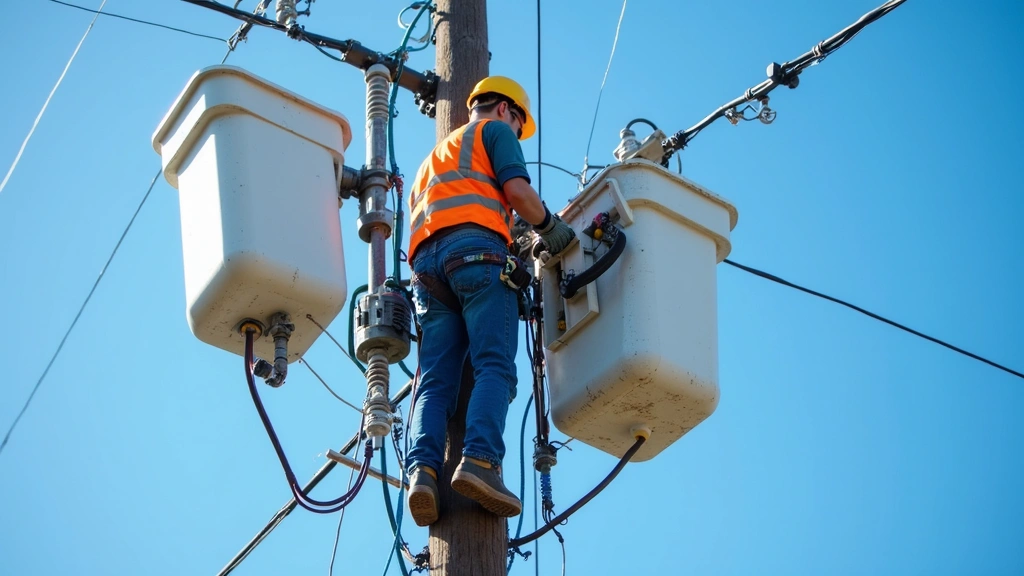
The role encompasses various specializations: aerial cable technicians work on poles and towers, underground cable technicians operate in buried conduit systems, and splice technicians maintain the connections that link different cable segments. Each specialization requires specific training and certification. Infrastructure specialists must understand construction principles, safety regulations, and environmental considerations.
Career growth in infrastructure roles includes advancement to crew leader positions, project management roles, or engineering positions. Many infrastructure specialists transition into management as they gain experience. The demand for infrastructure specialists remains strong due to ongoing network expansion and aging infrastructure replacement projects across the cable industry.
Skills Employers Demand
Cable companies consistently seek professionals with specific technical competencies. Network knowledge tops the list, including understanding of TCP/IP protocols, network topology, and cable-specific technologies like DOCSIS and HFC (Hybrid Fiber-Coax) architecture. Hands-on technical skills vary by position but commonly include equipment installation, troubleshooting, and testing capabilities.
Beyond technical skills, employers value customer service excellence, particularly for field service and NOC roles. The ability to communicate complex technical information clearly to non-technical customers distinguishes top performers. Problem-solving ability and attention to detail are critical across all cable tech jobs, as mistakes can affect thousands of customers.
Many employers require or strongly prefer industry certifications. Popular certifications include:
- Cisco CCNA for network engineering roles
- CompTIA Network+ for general networking positions
- Fiber Optic Association certifications for fiber technicians
- SCTE certifications (Society of Cable Telecommunications Engineers) for cable-specific knowledge
- Safety certifications like OSHA for field positions
Software proficiency has become increasingly important. Familiarity with network monitoring tools, GIS software for infrastructure mapping, and ticketing systems is expected. Physical capabilities matter for field and infrastructure positions, which may require climbing, heavy lifting, and working in challenging environmental conditions.
Salary Benchmarks and Growth
The cable technology sector offers competitive compensation compared to other tech fields. Entry-level positions (field technician, junior technician) typically start at $38,000 to $48,000 annually. Mid-level positions (experienced field technician, NOC technician, junior engineer) range from $55,000 to $80,000. Senior positions (network engineer, infrastructure manager, senior technician) command $85,000 to $130,000+.
According to the U.S. Bureau of Labor Statistics, telecommunications equipment installer and repairer positions show steady growth. Regional variations are significant—urban markets and areas with active fiber deployment typically offer higher salaries than rural regions. Overtime opportunities in field service and NOC roles can substantially increase annual earnings.
Benefits packages in cable tech jobs typically include health insurance, retirement plans, and paid time off. Many companies offer tuition reimbursement for continuing education and certification programs, supporting employee advancement. Some employers provide vehicle allowances, tool stipends, and uniforms.
Career progression timelines vary but generally follow predictable patterns. A field technician might advance to senior technician within 3-5 years, then transition into supervision or engineering within another 3-5 years. Network engineers can reach management positions within 5-10 years. The Tech Pulse Hunter Blog regularly covers industry trends affecting compensation and career opportunities.
Looking at best tech stocks can provide insights into which cable and telecommunications companies are investing most heavily in infrastructure, indicating strong hiring potential. Companies like Charter Communications, Comcast, and Cox Communications consistently rank among the largest employers of cable tech professionals.
Understanding broader technology in renewable energy innovations is becoming relevant as cable companies increasingly deploy solar-powered equipment and energy-efficient infrastructure solutions.
Salary growth typically follows this trajectory: entry-level technicians see 3-5% annual increases, mid-level professionals experience 4-6% annual growth, and senior positions may see 2-4% increases but with greater bonus potential. Certification completion often triggers salary increases of $2,000-$5,000 annually.
FAQ
What education do I need for cable tech jobs?
Most entry-level positions require a high school diploma or GED. Many employers provide on-the-job training, though some prefer candidates with technical diplomas or associate degrees in electronics or telecommunications. Certification programs vary by position but are often provided by employers or available through community colleges and trade schools.
Are cable tech jobs in demand?
Yes, demand remains strong due to ongoing fiber deployment, network upgrades, and infrastructure expansion. The transition to work-from-home environments has increased bandwidth demands, driving continued investment in cable infrastructure. Job growth in this sector outpaces many other tech fields.
What certifications matter most?
SCTE certifications are cable-industry specific and highly valued. Cisco certifications (CCNA, CCNP) are essential for engineering roles. Fiber Optic Association certifications are critical for fiber technicians. Safety certifications like OSHA 10 are required for field positions. Employers often pay for certification costs.
How do I transition into cable tech jobs?
Start with entry-level field service technician positions, which typically require minimal prior experience. Complete relevant certifications while employed. Many cable companies promote from within, so advancing from field service to engineering or management is achievable with dedication and education.
What’s the job outlook for the next five years?
The cable industry outlook remains positive, with continued fiber-to-the-home expansion, 5G backhaul infrastructure development, and ongoing network modernization projects. Positions in fiber installation and network engineering show particularly strong growth projections through 2029.
Do cable tech jobs offer remote work options?
Field technician and infrastructure positions require on-site work. However, NOC technicians may work remotely from home offices. Network engineers and management positions increasingly offer hybrid or remote arrangements. The technical nature of field work limits remote opportunities for hands-on positions.


